
Coloring sheets are an excellent way to introduce toddlers to the alphabet in a fun and engaging manner. With Coloring Sheets For Toddlers Free Alaphbets, you can provide your young learners with the opportunity to explore letters creatively. Not only do these resources help reinforce letter recognition, but they also enhance fine motor skills through coloring activities.
Understanding the Importance of Alphabet Recognition
Before diving into the specifics of using coloring sheets, it’s essential to understand why alphabet recognition is crucial for toddlers. Recognizing letters lays the foundation for reading and writing skills. Engaging activities, such as coloring, can make learning enjoyable and memorable.
By using coloring sheets that feature letters, you’re not just providing a blank canvas for creativity; you’re offering a structured approach that helps children associate letters with their shapes and sounds. This multisensory experience is vital in early childhood education.
How to Use Coloring Sheets for Alphabet Learning
Step 1: Choose the Right Coloring Sheets
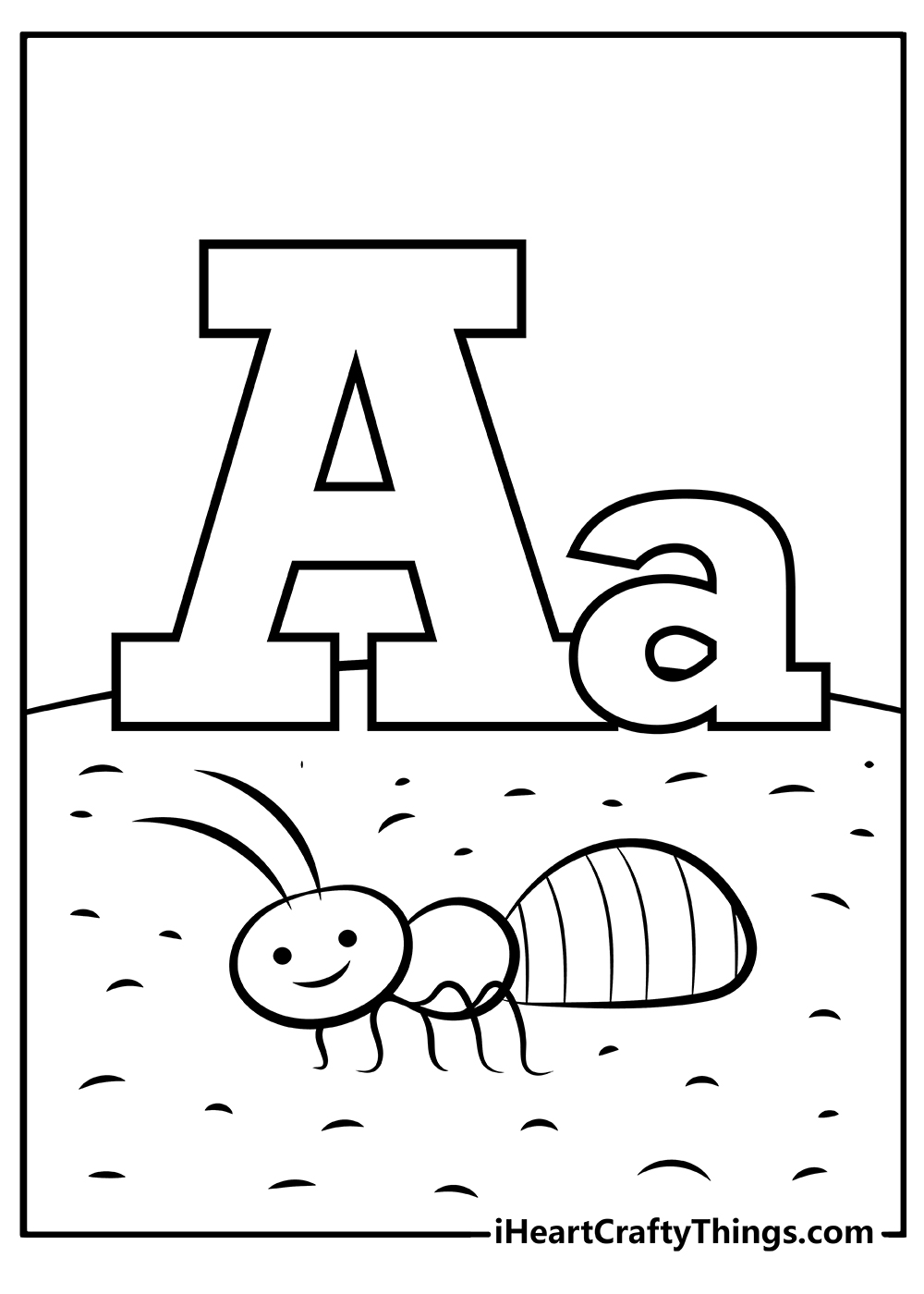
Begin by selecting coloring sheets that feature clear, bold letters suitable for toddlers. Look for designs that are visually appealing and not overly complex. Simple outlines allow young children to focus on coloring without feeling overwhelmed.
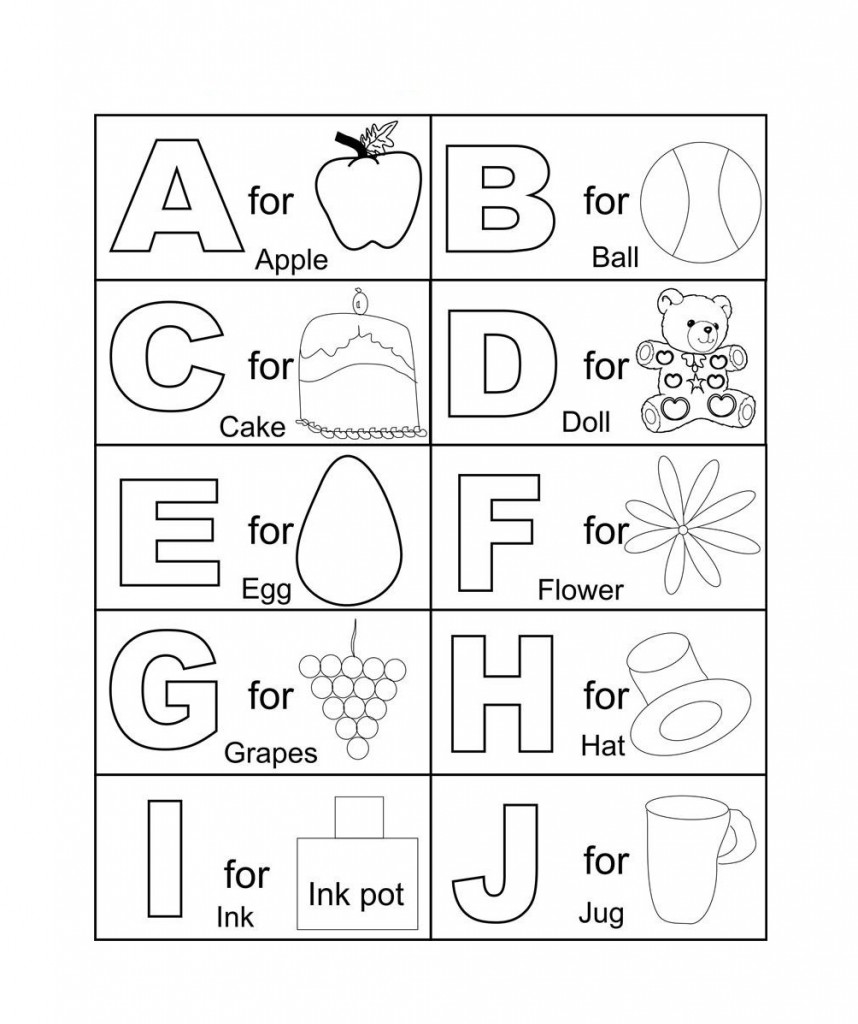
You might find sheets that include images of objects starting with each letter, such as ‘A’ for apple or ‘B’ for ball. This association helps reinforce learning through visual cues.
Step 2: Download and Print
Once you’ve chosen the coloring sheets, download them. Most printable resources come in PDF format, which is ideal for maintaining quality when printing. Set your printer to standard A4 or letter size, depending on your location, and use good-quality paper. Cardstock works well as it can withstand the wear and tear of repeated coloring sessions.
Don’t forget to check your printer settings! If you’re using a home printer, a portrait layout is typically best for most coloring sheets.
Step 3: Organize the Learning Environment
Create a comfortable and distraction-free workspace for your toddler. Gather coloring supplies like crayons, colored pencils, or markers. Ensure that your child has enough space to color without feeling cramped. Having a dedicated area will help your child focus on the task at hand.
Step 4: Introduce the Letters
Before your child starts coloring, take a moment to introduce the letter on the coloring sheet. Say the letter out loud and discuss its sound. You can also share words that start with that letter. This step is crucial for making the connection between the letter and its usage in language.
Step 5: Encourage Creative Expression
As your child begins coloring, encourage them to express themselves. Allow them to choose colors freely, even if they decide to color a blue apple or a purple ball. The focus should be on creativity and enjoyment rather than perfection.
You can also discuss the colors they are using and ask them questions about what they like to color. This interaction is essential for developing language skills and building vocabulary.
Spacing Practice Throughout the Week
To maximize learning, consider spacing out the use of coloring sheets throughout the week. Instead of cramming all the letters into a single session, dedicate specific days to each letter. This approach allows for repetition, which is key in learning.
For example, Monday could be ‘A’ day, where you focus on all things apple. Tuesday might be ‘B’ day, with balloons and balls. Repetition helps reinforce the letters in your toddler’s memory, making it easier for them to recall the shapes and sounds later on.
Incorporating Additional Activities
To further enrich the learning experience, you can incorporate additional activities alongside the coloring sheets. Here are a few ideas:
- Storytime: Read books that emphasize the letters of the day. This reinforces the letter’s sound and usage in a fun context.
- Songs and Rhymes: Sing songs that include the alphabet or specific letters. Music can be a powerful tool for memory retention.
- Crafts: Use colored sheets to create corresponding crafts. For instance, after coloring ‘A’ for apple, you could make an apple craft using red construction paper.
Tracking Progress and Encouragement
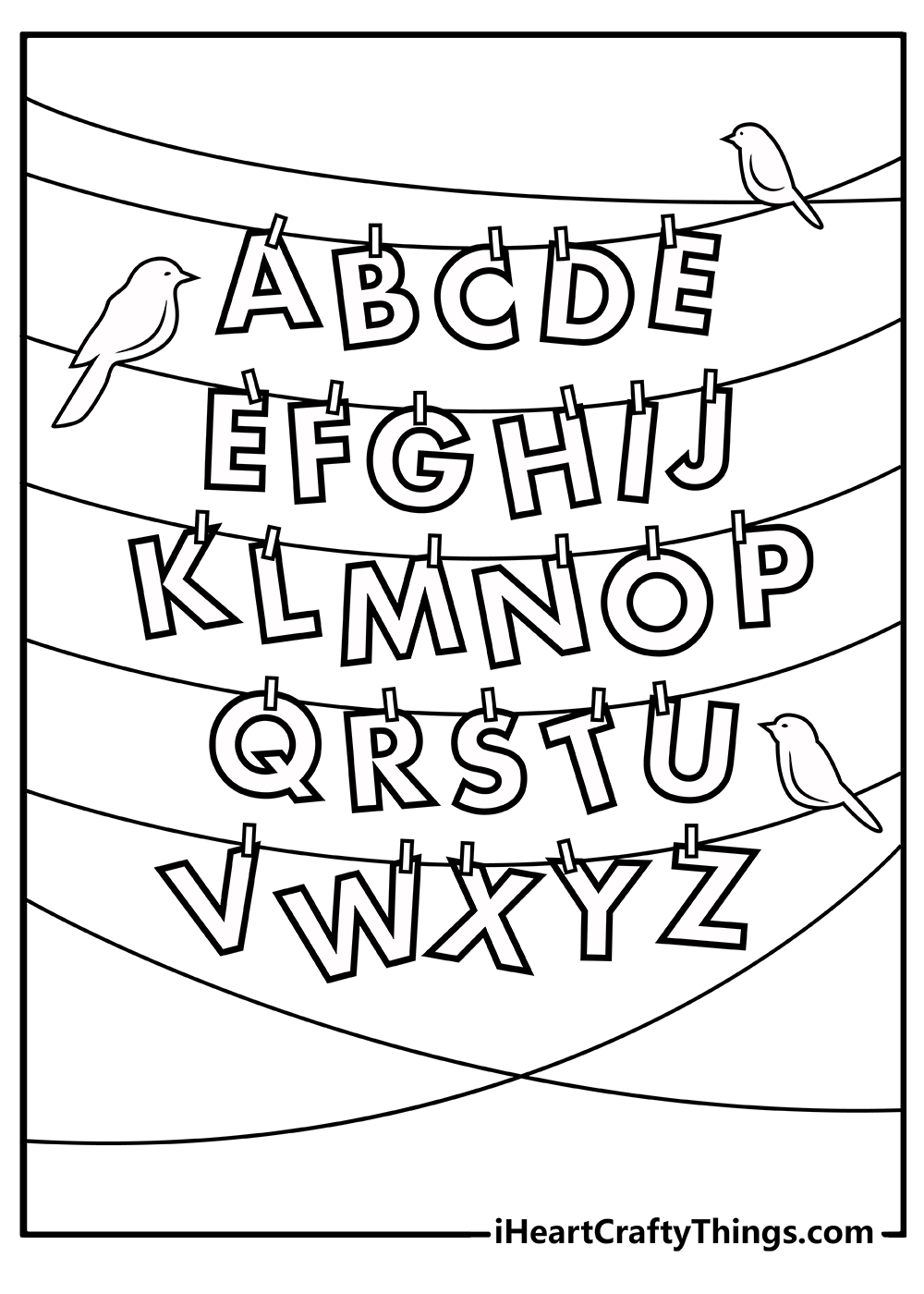
As your child works with the coloring sheets, take time to celebrate their efforts. Provide positive feedback on their coloring skills and letter recognition. You might create a progress chart to track which letters they have mastered. This can serve as a motivational tool for them to continue learning.
Make sure to display their completed coloring sheets around the house. This not only boosts their confidence but also reinforces their recognition of the letters they have learned.