
In a cozy classroom corner, a group of kindergartners is buzzing with excitement. They’re sharing their favorite crayons, each one eager to color in their own unique way. Amidst the chatter, you notice one little girl, Emma, intently focused on her coloring sheet. It features big, bold letters waiting to be filled with vibrant colors. This scene perfectly illustrates the power of using coloring sheets for kindergarten for alphabets. They not only make learning fun but also help young children reinforce their understanding of letters through engaging, hands-on activities.
Coloring sheets specifically designed for alphabet learning can be a wonderful addition to your teaching toolkit. They are easy to use, require minimal supplies, and can be integrated into various learning environments, whether in a classroom or at home. In this article, we’ll explore practical ways to use these coloring sheets effectively, ensuring that your students or children are both learning and enjoying themselves.
The Benefits of Using Coloring Sheets for Alphabet Learning
Coloring sheets for kindergarten for alphabets offer several educational benefits. First, they encourage fine motor skills development as children practice grasping crayons and controlling their movements. This is crucial for their handwriting skills later on. Additionally, these coloring activities promote cognitive development as children learn to recognize letters and associate them with sounds, a foundational step in literacy.
Another advantage is the creative expression that coloring provides. Children can choose colors, patterns, and even add their own drawings to the sheets. This freedom fosters a sense of ownership over their learning, making it more meaningful. Plus, coloring can be a calming activity, helping children focus and relax.
Choosing the Right Coloring Sheets
When selecting coloring sheets for your kindergarten students, consider the following factors:
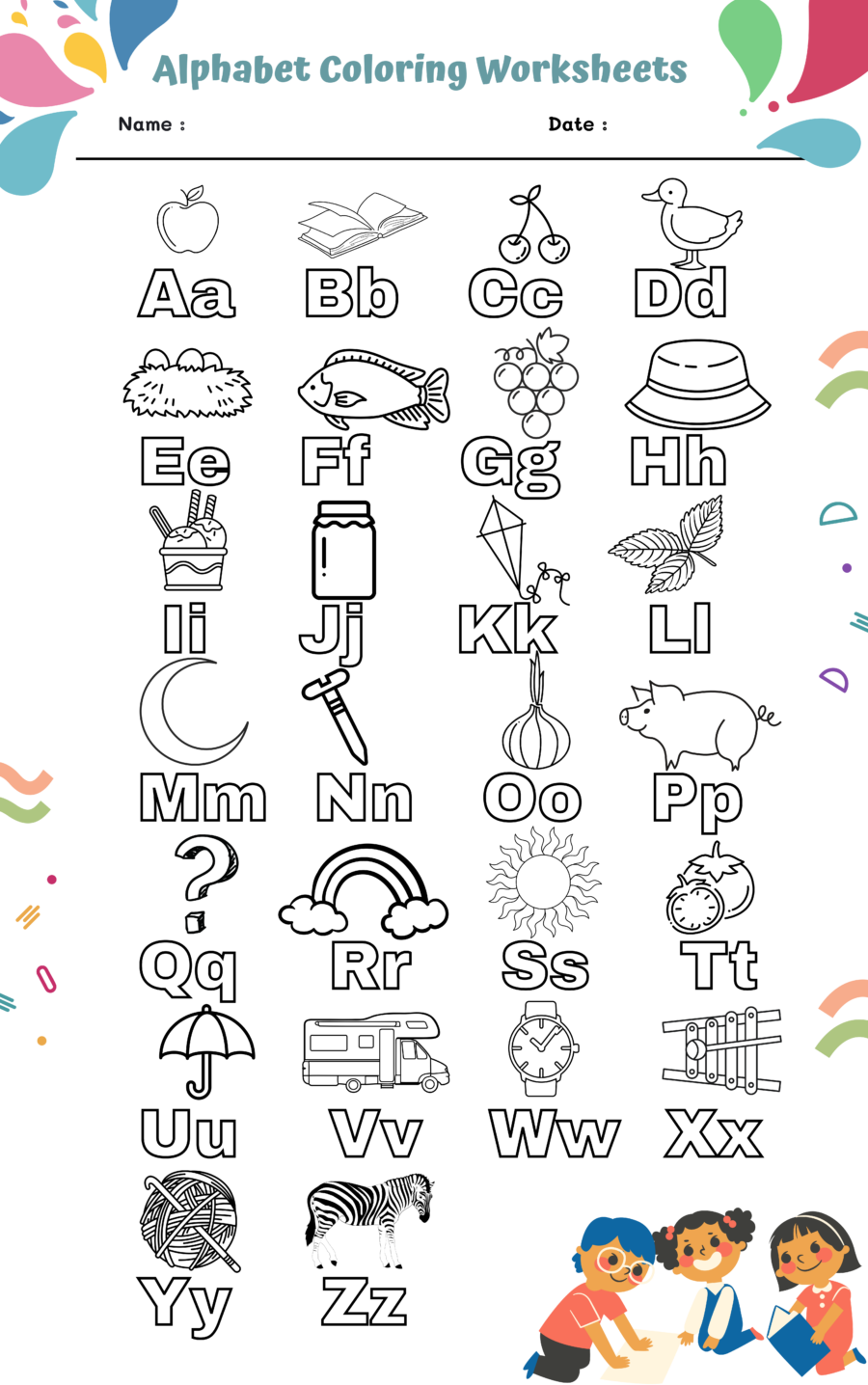
- Age Appropriateness: Ensure the sheets are designed for young learners. Look for large letters and simple designs that won’t overwhelm them.
- Variety: Include sheets that feature different themes—animals, objects, or nature—paired with letters. This keeps things interesting and allows for thematic learning.
- Print Quality: Choose high-resolution images that print clearly. A blurry or pixelated sheet can be frustrating for young children.
You can find a variety of coloring sheets online that are tailored for alphabet learning. Many sites offer free downloads, making it easy to access a range of resources.
Integrating Coloring Sheets Into Daily Activities
Integrating coloring sheets into your daily routine can be seamless. Here are some practical ways to incorporate them:
Morning Warm-Up
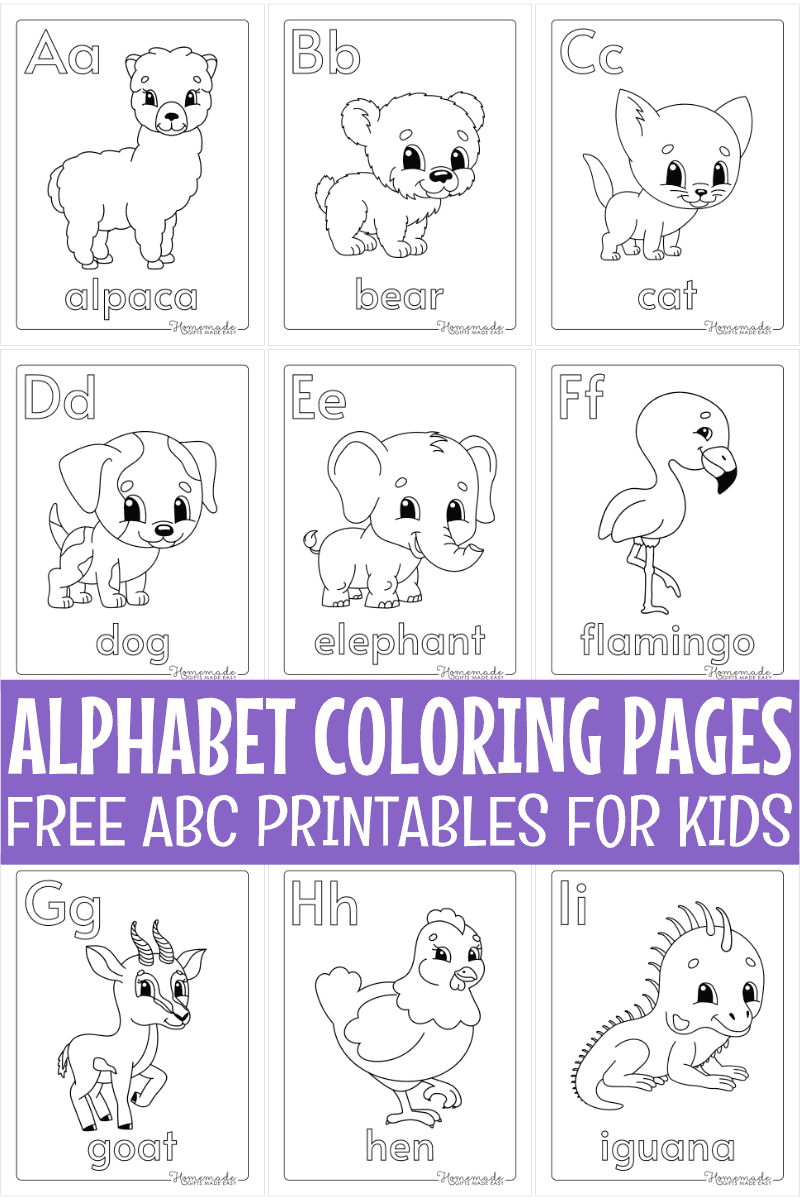
Start the day with a short coloring session. Provide each child with a coloring sheet featuring a letter of the day. As they color, you can discuss the letter’s sound and words that start with it. This sets a positive tone for the day and reinforces their learning.
Center Activities
If you have learning centers set up in your classroom or home, include a coloring station. Place a variety of alphabet coloring sheets along with crayons, colored pencils, or markers. Children can choose sheets that interest them, allowing for independence and self-directed learning.
Themed Units
Incorporate coloring sheets into themed units. For example, if you’re teaching about animals, provide coloring sheets that feature the letter “A” alongside pictures of an alligator or an ant. This ties in language arts with science or social studies, enhancing cross-curricular learning.
Special Events
Use coloring sheets for special occasions or events. Create holiday-themed sheets that feature letters relevant to the season (like “S” for snowman in winter). This not only makes learning festive but also allows children to create decorations for the classroom.
Encouraging Independent Practice
One of the key benefits of coloring sheets is that they promote independent practice. Here’s how to set up the activity so children can work independently:
- Clear Instructions: Provide simple, step-by-step instructions on how to approach the coloring sheet. For example, you can say, “Color the letter A red and draw something that starts with A next to it.”
- Accessible Materials: Ensure that crayons, pencils, and coloring sheets are easily accessible. A dedicated coloring box can help children find what they need without assistance.
- Set a Timer: For engagement, set a timer for a short coloring session. This creates a sense of urgency and keeps children focused on finishing their work.
Assessing Progress
Tracking progress with coloring sheets can be straightforward. Here are some methods to assess how well children are grasping their letters:
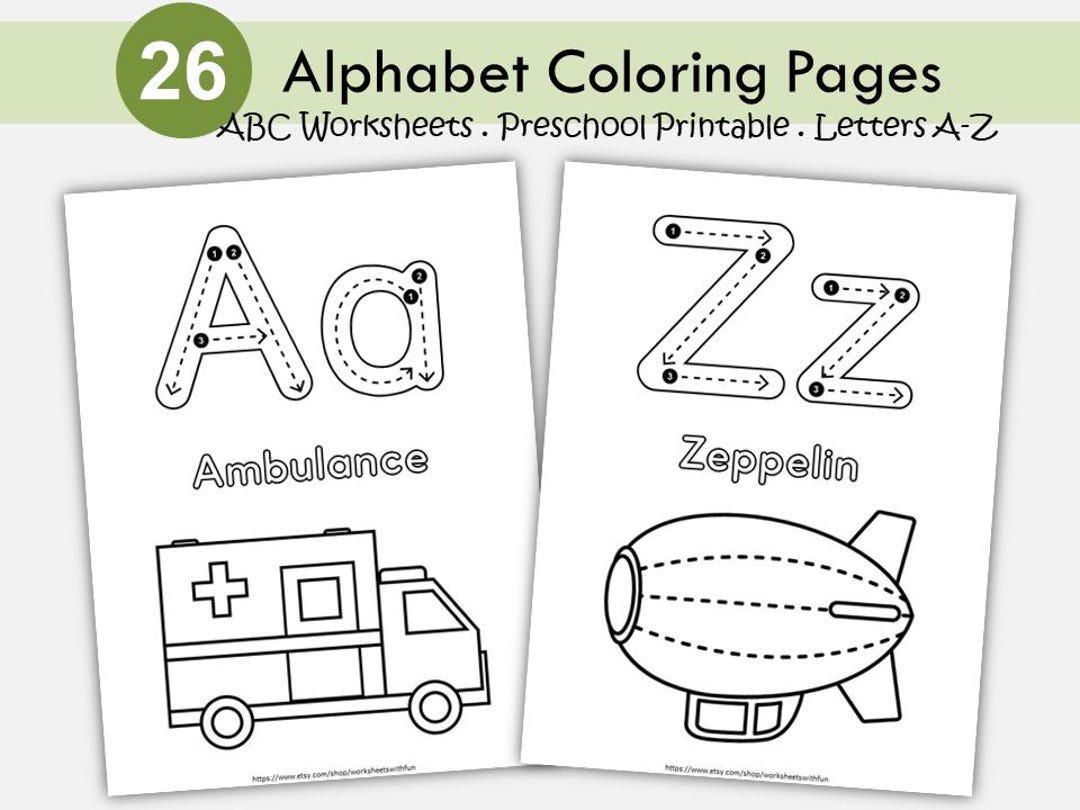
- Completed Sheets: Collect the colored sheets periodically to check for understanding. Look for correct letter formation and color choices that reflect comprehension (like coloring “B” blue).
- Oral Assessment: As children complete each sheet, have them say the letter out loud and name a few words that start with it. This reinforces both recognition and phonetic skills.
- Portfolio Creation: Create a portfolio for each child, where you keep their best coloring sheets. This provides a tangible way to track their progress over time.