
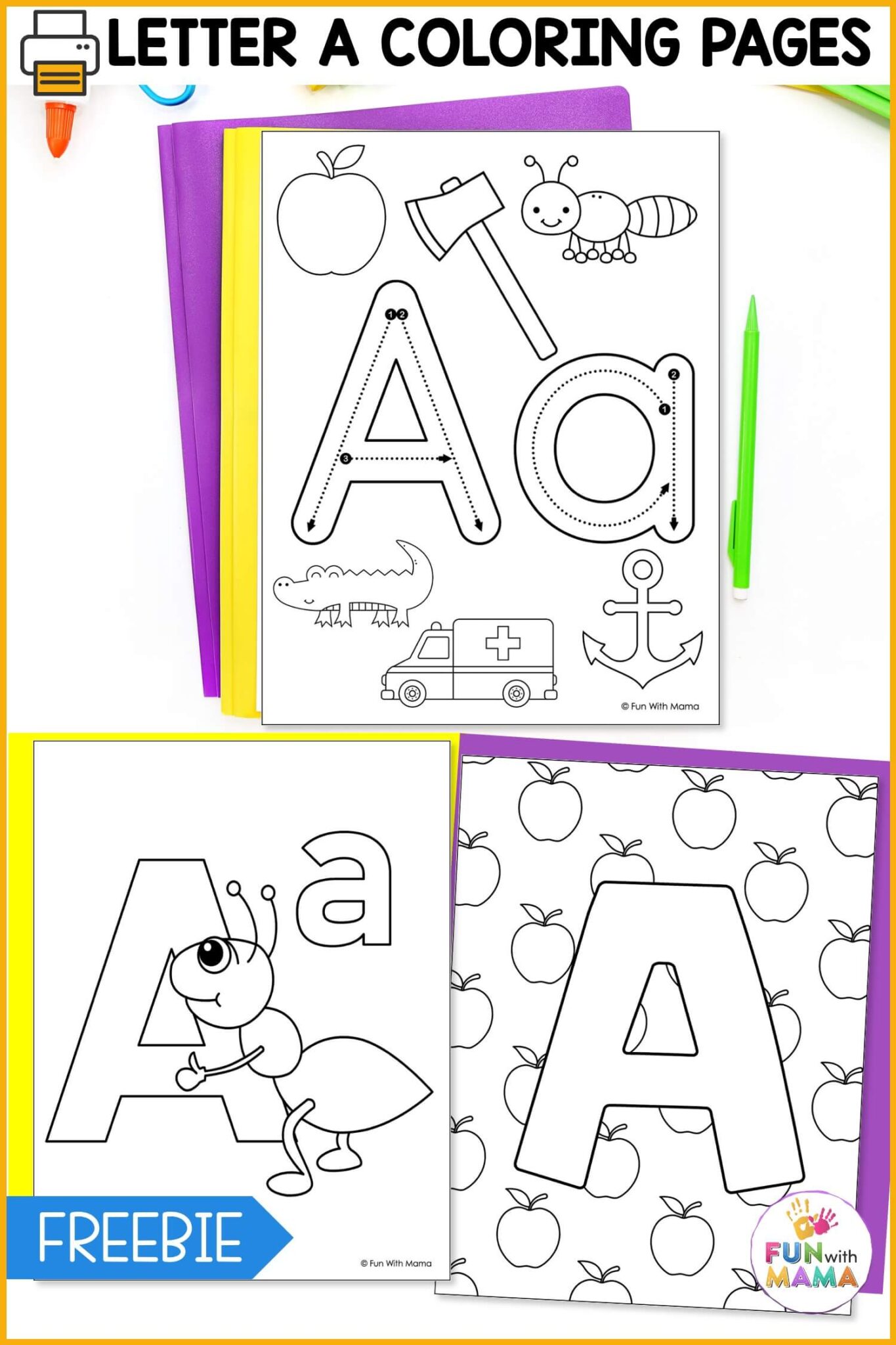
Coloring pages are an excellent tool for reinforcing learning in a fun and creative way. They allow children to express themselves while also providing an opportunity to practice fine motor skills, color recognition, and even thematic learning. If you’re looking for Coloring Pages Printable With An A, you’ve come to the right place. Here’s how to effectively use these resources in your classroom or home.
Selecting the Right Coloring Pages
Before diving into the printing process, it’s essential to choose coloring pages that align with your educational goals. Consider the age group of your students or children. For younger kids, opt for simple designs with large areas to color. For older children, more intricate patterns or themed pages can provide both a challenge and an opportunity for creativity.
Themes and Educational Value
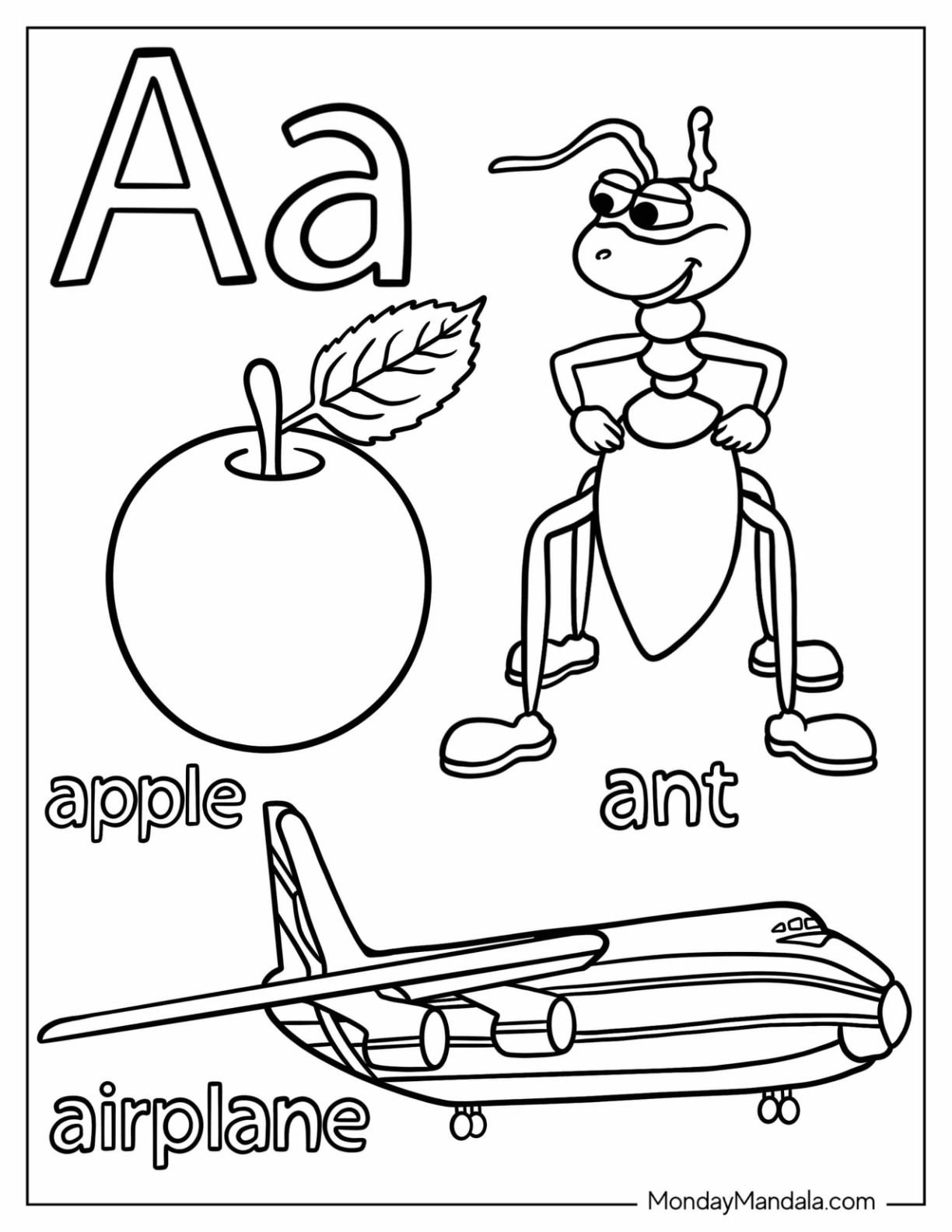
Think about what subjects you want to incorporate. For instance, if you’re teaching about animals, look for animal-themed coloring pages. If it’s around the seasons, seasonal pages can introduce concepts like weather changes or holidays. This not only makes coloring enjoyable but also promotes learning in a relaxed environment.
Downloading Your Coloring Pages
Once you’ve selected the pages that fit your needs, it’s time to download them. Most printable resources are available in PDF format, which ensures that the pages maintain their layout when printed. This is crucial for coloring pages, as any alterations in size can affect the designs.
Tips for Downloading
- Check File Size: Ensure that the file size is manageable for your download speed. Larger files may take longer to download.
- Preview Before Downloading: Some sites offer previews. Take advantage of this to confirm that the images are suitable.
- Read Usage Rights: Be aware of any restrictions on the use of the coloring pages, especially if they are for classroom use.
Printing Your Coloring Pages
After downloading, the next step is printing. Here are some key points to ensure the best results:
Paper Selection
Choose the right paper for printing. Standard printer paper works, but for a more satisfying coloring experience, consider using heavier cardstock. This type of paper can withstand markers and watercolors better than standard paper.
Printer Settings
Adjusting your printer settings can improve the quality of the prints. Set the print quality to high for clear lines. If the coloring pages are in color, ensure that your printer has enough ink; otherwise, the results might be disappointing.
Print Size
Most coloring pages are designed to fit standard paper sizes, such as Letter (8.5” x 11”) or A4 (8.3” x 11.7”). Make sure your printer is set to the correct size to avoid any cropping of the images.
Setting Up for Use
Now that you have your coloring pages printed, it’s time to set up for an engaging coloring session.
Organizing the Materials
Gather coloring materials such as crayons, colored pencils, or markers. Each medium offers a different coloring experience. For example, markers can provide vibrant colors, while colored pencils allow for blending techniques.
Creating a Comfortable Space
Set up a designated coloring area where children can comfortably engage with the pages. Ensure that there is adequate lighting and space for them to spread out their materials. A clean, clutter-free environment will help them focus on their creativity.
Engaging Children With the Coloring Pages
Once everything is set up, encourage children to start coloring. This is where the real learning happens!
Encouraging Discussion
As they color, ask open-ended questions related to the images. For example, if they are coloring a page with animals, you might ask, “What sound does this animal make?” or “Where does this animal live?” This encourages them to think critically while also reinforcing their knowledge.
Monitoring Progress
Keep an eye on how children are engaging with the coloring pages. Are they sticking to the colors provided, or are they experimenting with different shades? This can be a sign of their comfort level with the task. If they seem frustrated, it might be helpful to provide additional guidance or simpler pages.
Assessing Mastery and Encouraging Further Learning
After the coloring activity, take a moment to assess what children have learned.
Review the Finished Pages
Look at the completed coloring pages together. Discuss their choices of colors and any patterns they created. This can lead to discussions about color theory, nature, or the topics illustrated on the pages.
Follow-Up Activities
To reinforce learning, consider follow-up activities based on the coloring pages. If the page was themed around a certain topic, you could incorporate related worksheets, crafts, or even a short presentation where children can share their finished work with others.
Tips for Effective Use of Coloring Pages
To maximize the educational benefits of coloring pages, keep these tips in mind:
- Rotate Themes Regularly: Change the themes of the coloring pages to keep the activity fresh and engaging for children.
- Incorporate Technology: If appropriate, consider using digital coloring tools as an alternative for older kids. This can enhance their tech skills alongside creativity.
- Encourage Sharing: Have children share their completed pages with peers. This fosters a sense of community and allows them to appreciate each other’s work.
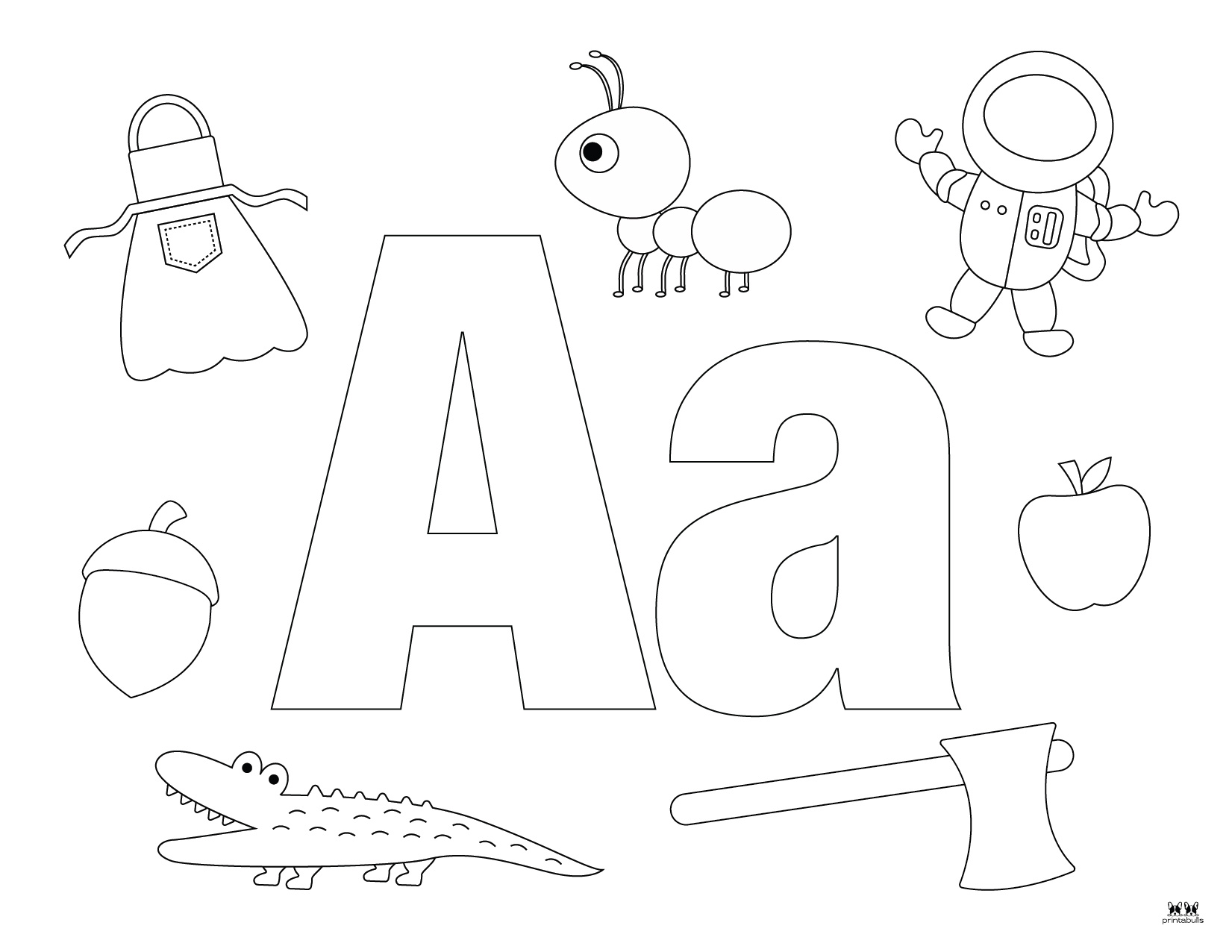
Incorporating Coloring Pages Printable With An A into your teaching or parenting strategy can be a fun, educational experience for children. By carefully selecting themes, downloading and printing with attention to detail, and creating an engaging environment, you can enhance their learning while allowing them to express their creativity. Start by choosing a coloring page today and watch as children develop their skills through the joy of coloring.