
Coloring pages can be a delightful way to introduce young learners to the alphabet, and what better letter to start with than the letter A? Coloring pages of the letter A not only provide a fun activity but also help children develop their fine motor skills, enhance their creativity, and reinforce letter recognition. In this guide, we’ll walk you through how to effectively use these coloring pages in your classroom or at home, ensuring that both teachers and parents can make the most out of this educational resource.
Choosing the Right Coloring Pages
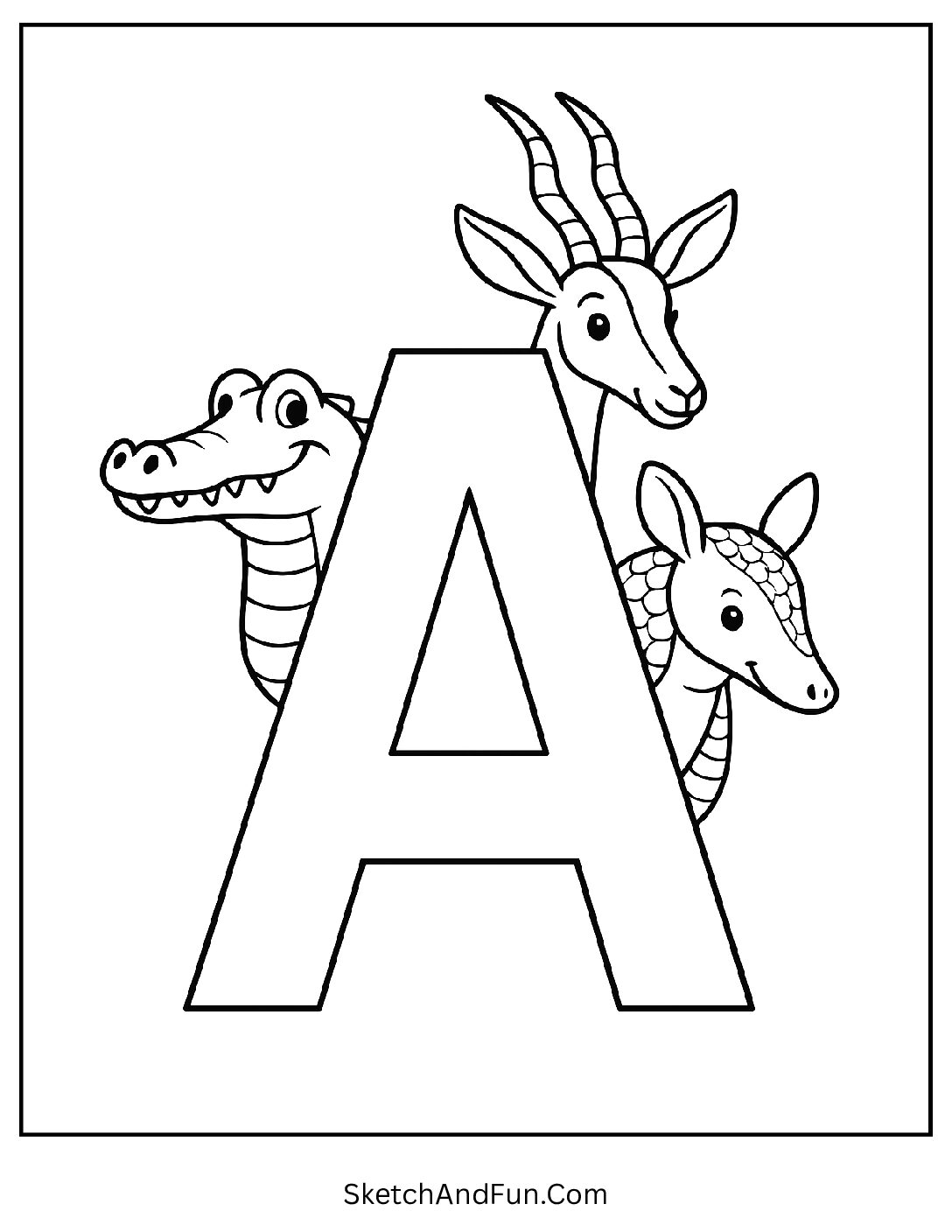
When selecting coloring pages of the letter A, consider the age group of the children you’re working with. For younger children, pages that feature the letter A with accompanying images, like an apple or an alligator, can be particularly engaging. These illustrations help them connect the letter with words and sounds, enhancing their understanding of phonetics.
For preschoolers or kindergarteners, look for pages that are simple and have large, clear letters. This makes it easier for small hands to color within the lines, promoting confidence in their abilities. As children progress, you can introduce more intricate designs that require greater focus and skill.
Downloading and Printing Your Coloring Pages
Once you’ve found suitable coloring pages of the letter A, the next step is to download and print them. Most printable resources are available in PDF format, which is ideal for maintaining the quality of the images. Here’s a quick guide on how to download and print effectively:
- Locate a Trusted Source: Use a reputable website that specializes in educational resources. Ensure that the site offers a variety of coloring pages for the letter A to choose from.
- Download the PDF: Click on the download button, and the file should save to your device. PDFs are great because they prevent resizing issues when printing.
- Print Settings: Set your printer to portrait orientation, as this typically works best for coloring pages. Use standard letter-sized paper (8.5″ x 11″) for easy handling. If you plan to laminate the pages for repeated use, consider using cardstock for durability.
- Check Your Printer: Ensure you have enough ink, and do a test print if you’re using a new printer or paper type. This helps avoid any surprises during class or at home.
Preparing the Activity
Before handing out the coloring pages, take some time to explain the activity to the children. Here’s how you can set it up:
- Discussion: Start with a brief discussion about the letter A. Ask the children to think of words that start with A, like apple or ant. This engages them and reinforces their learning.
- Demonstration: Show them an example of a completed coloring page. Demonstrate how to color within the lines and discuss color choices. Encourage creativity by letting them use colors beyond the traditional ones.
- Supplies: Gather coloring supplies, such as crayons, markers, or colored pencils. Ensure each child has access to a variety of colors to make their artwork vibrant.
- Workspace: Set up a comfortable space for coloring. Tables or desks should be cleared and have enough room for each child to work without distractions.
Engaging Children During the Activity
As children color, it’s important to keep them engaged and motivated. Here are some strategies to enhance the experience:
- Encouragement: Walk around and offer praise for their efforts. Positive reinforcement boosts their confidence and encourages them to express their creativity.
- Questions: Ask open-ended questions about their coloring choices. For example, “Why did you choose that color for the apple?” This promotes critical thinking and language skills.
- Group Sharing: Once they have completed their pages, set aside time for children to share their artwork. This fosters a sense of community and allows them to express their thoughts and feelings about their creations.
- Integrating Learning: After coloring, you can expand the lesson by introducing related activities. Consider phonics games or storytelling sessions that incorporate words starting with the letter A.
Utilizing the Finished Coloring Pages
Once the coloring pages are complete, think about how you can use them beyond just a fun activity. Here are some ideas:
- Display: Create a classroom or home gallery by hanging the finished pages on walls or bulletin boards. This not only celebrates the children’s work but also reinforces their learning environment.
- Learning Portfolios: Collect the coloring pages in a folder as part of a learning portfolio. This can be a great way for children to see their progress over time and for parents to engage with their child’s learning journey.
- Craft Projects: Use the colored pages in craft projects. For example, cut out the letter A and create a collage with other items that start with the letter A, like stickers or images from magazines.
- Story Time: Integrate the pages into story time by asking children to tell a story about their colored letter A. This encourages creativity and strengthens their verbal skills.
By implementing these strategies, you can ensure that the coloring pages of the letter A serve not just as a fun activity, but as a comprehensive learning tool that supports various aspects of child development.