
Coloring Pages Of The Alphabet Letters provide a creative and interactive way for children to learn their letters. These resources are not just about coloring; they also support letter recognition, fine motor skills development, and early literacy. If you are a teacher or a parent, these coloring pages can easily fit into your home or homeschool routine, making learning enjoyable without the need for a formal lesson plan.
Importance of Alphabet Recognition
Alphabet recognition is a foundational skill for young learners. It lays the groundwork for reading and writing and helps children understand that letters represent sounds. By incorporating coloring pages into your teaching methods, you can make this process engaging. Coloring requires focus and coordination, which in turn helps improve fine motor skills essential for writing.
For ages 3 to 6, these coloring pages serve as an excellent tool. Children can learn to identify both uppercase and lowercase letters while expressing their creativity. Use these pages during quiet times, as part of a learning break, or even as a fun activity during family time.
How to Use Coloring Pages Effectively
To maximize the benefits of Coloring Pages Of The Alphabet Letters, consider the following approaches:
- Daily Practice: Set aside a few minutes each day for coloring activities. This consistency helps reinforce letter recognition.
- Themed Learning: Connect coloring pages to themes or topics you’re covering. For instance, if you’re discussing animals, you can use animal-themed alphabet pages.
- Incorporate Discussions: While children color, engage them in conversations about the letters. Ask them to name the letters, sounds, and even words that start with those letters.
- Display Their Work: Once colored, hang the pages on the wall or in a dedicated learning space. This not only boosts their confidence but also reinforces their learning.
Choosing the Right Coloring Pages
When selecting coloring pages, look for high-quality, age-appropriate designs. Here are some features to consider:
- Clear Letter Designs: Ensure that the letters are distinct and easy to color. This helps children focus on the letter shapes.
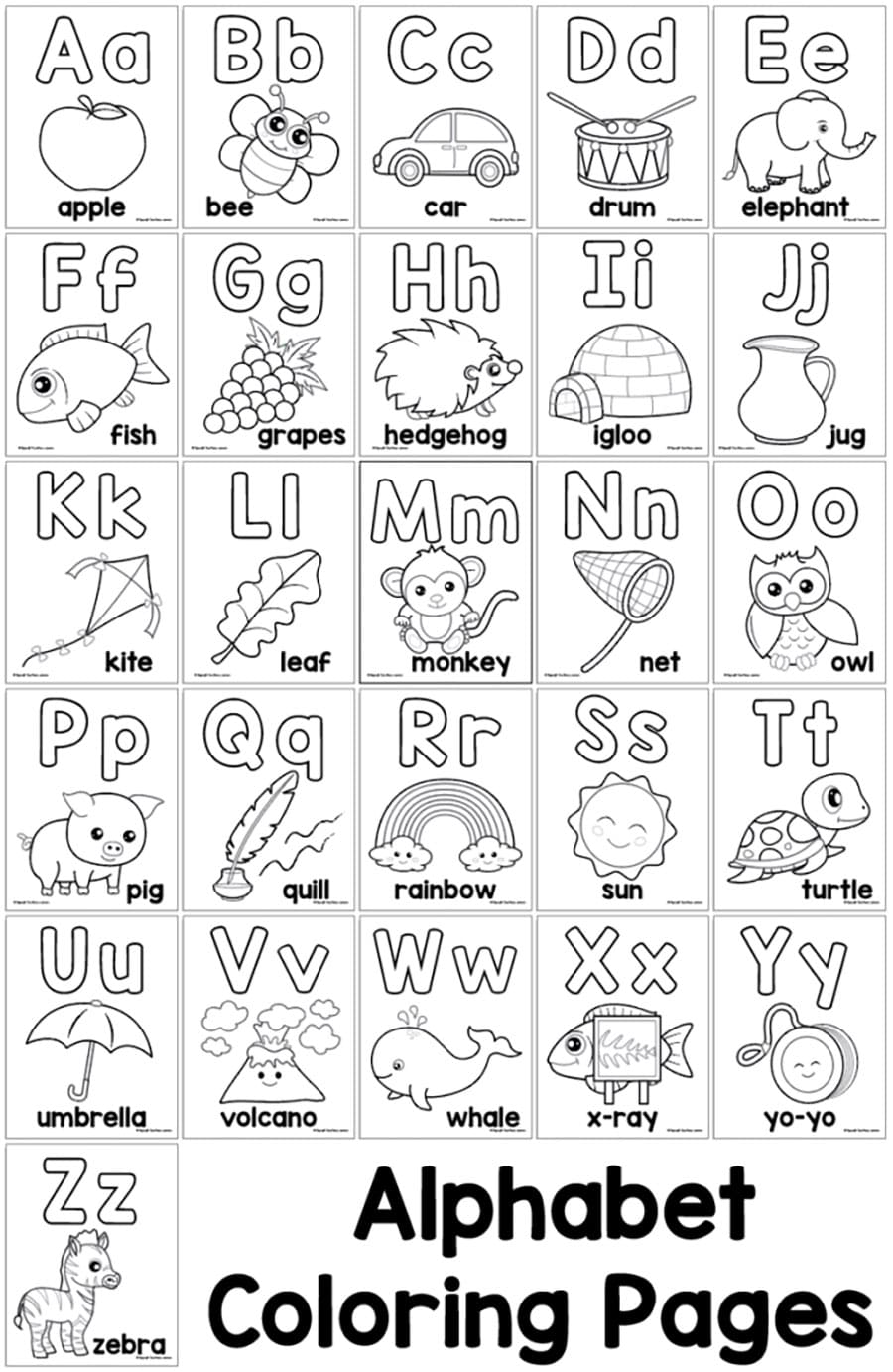
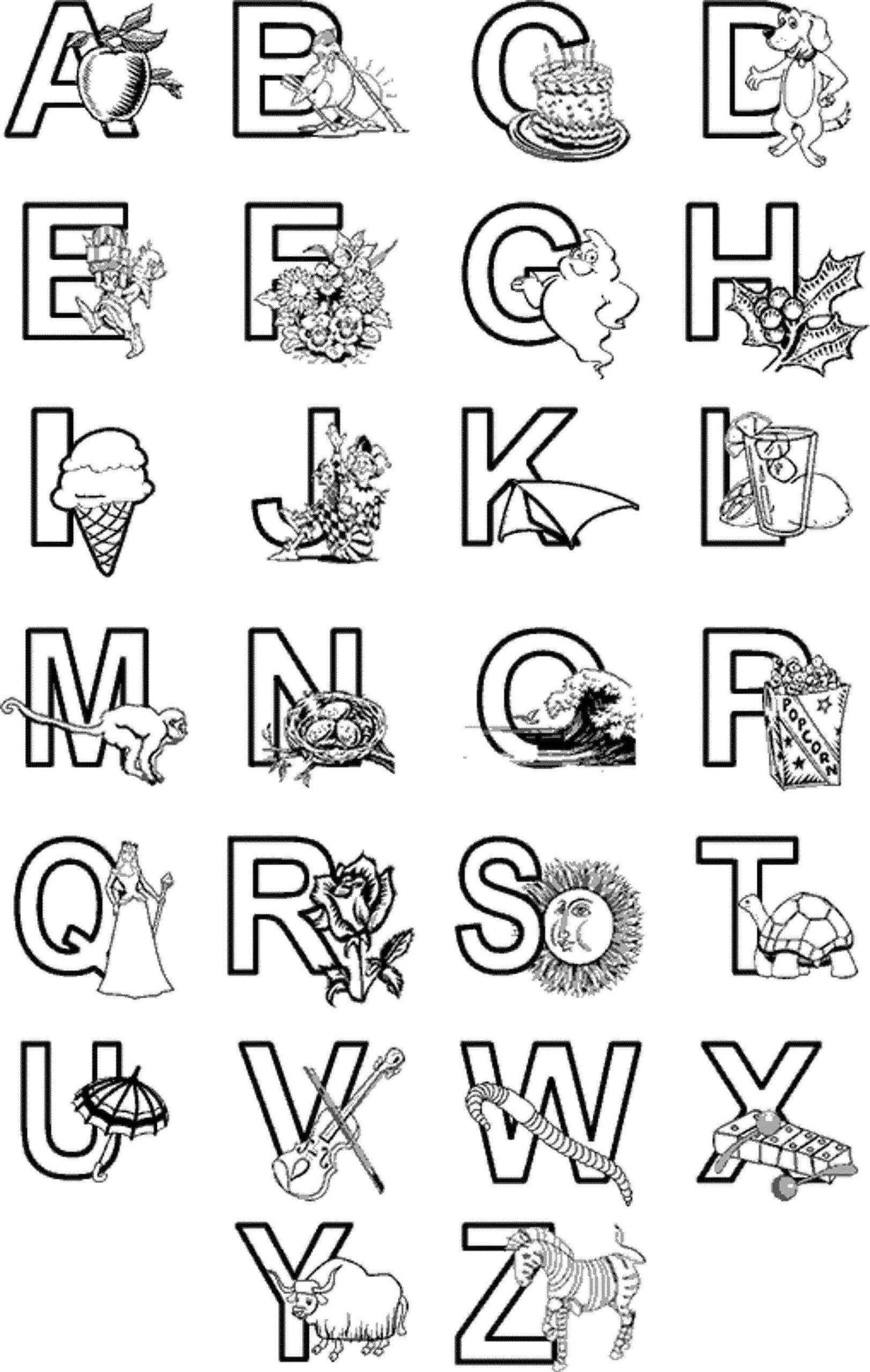
- Interactive Elements: Some pages may include objects or animals that start with the letter being colored, which can further enhance the learning experience.
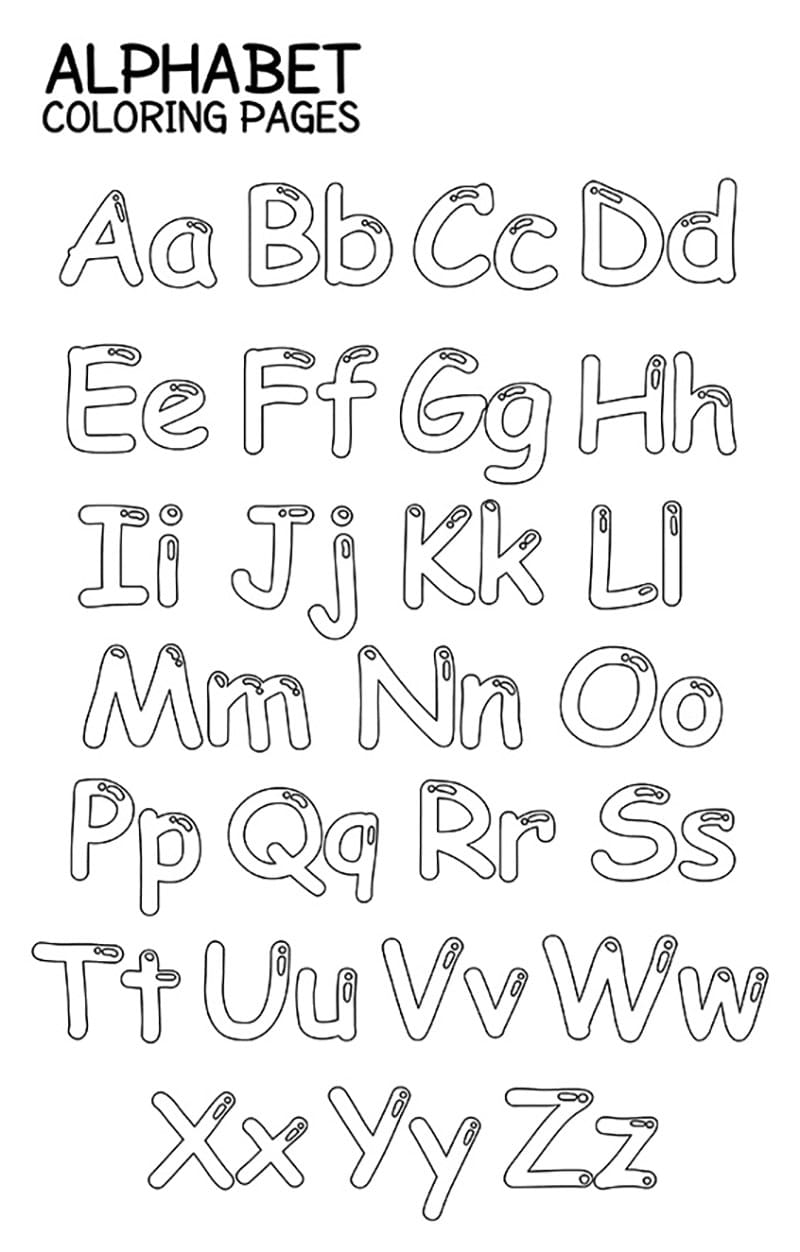
- Variety: Provide a mix of uppercase and lowercase letters. This variety keeps the activity fresh and engaging.
Many websites offer free downloads of coloring pages, so you can easily find resources that suit your needs. Make sure the pages are in a format that your printer can handle, typically PDF or JPEG files.
Printable Resources for Coloring Pages
You can find a range of Coloring Pages Of The Alphabet Letters online. Here are some tips for printing and using these resources effectively:
- Paper Type: Use standard printer paper for regular coloring. If you want to preserve the pages for future use or if your child prefers to use markers, opt for cardstock.
- Size: Standard letter-size (8.5 x 11 inches) works well for most home printers. Ensure your printer settings are adjusted to avoid any formatting issues.
- Quality Setting: When printing, consider using a higher quality setting to ensure that the designs are clear and vibrant.
After printing, you might want to laminate the pages if they’re going to be used multiple times. This allows for dry-erase markers to be used, making the coloring pages reusable.
Engaging Activities With Coloring Pages
Coloring pages can be more than just a quiet activity. Here are some ideas to incorporate them into broader learning experiences:
- Alphabet Games: After coloring, turn it into a game. Ask children to find objects around the house that start with the colored letter.
- Story Time Integration: Choose a letter and read a book that focuses on words starting with that letter. This reinforces the connection between the letters and their sounds.
- Letter Crafts: Use the colored letters to create a collage or a scrapbook. This hands-on activity can further enhance their understanding of the alphabet.
Tracking Progress With Coloring Pages
Keeping track of your child’s progress is essential in any educational setting. Here’s how you can do this with coloring pages:
- Create a Portfolio: Save colored pages in a binder or folder. This not only shows progress over time but also boosts their confidence when they see how much they’ve accomplished.
- Checklists: Create a checklist of letters to color. This visual representation can motivate children as they check off each letter they’ve completed.
- Regular Reviews: Have periodic reviews where you go over the colored pages together. Discuss what they’ve learned and any challenges they faced.
By making the learning process interactive and fun, you can foster a love for learning that lasts a lifetime.
Incorporating Coloring Pages Of The Alphabet Letters into your routine is a straightforward and effective way to support early literacy skills. These resources not only help with letter recognition but also encourage creativity and fine motor development. The key is to make the experience enjoyable and varied, so children look forward to learning.