
In a bustling classroom, Ms. Thompson watched as her students eagerly gathered around their tables, crayons in hand. Each child was excited to begin their creative projects, but they were focused not just on art, but on learning the alphabet. Among the tools she used were coloring pages of small letters, which provided a fun and educational way to reinforce their understanding of letters. These coloring pages serve not only as creative outlets but also as effective learning aids for children, especially in the early stages of literacy.
The Importance of Coloring Pages in Early Literacy
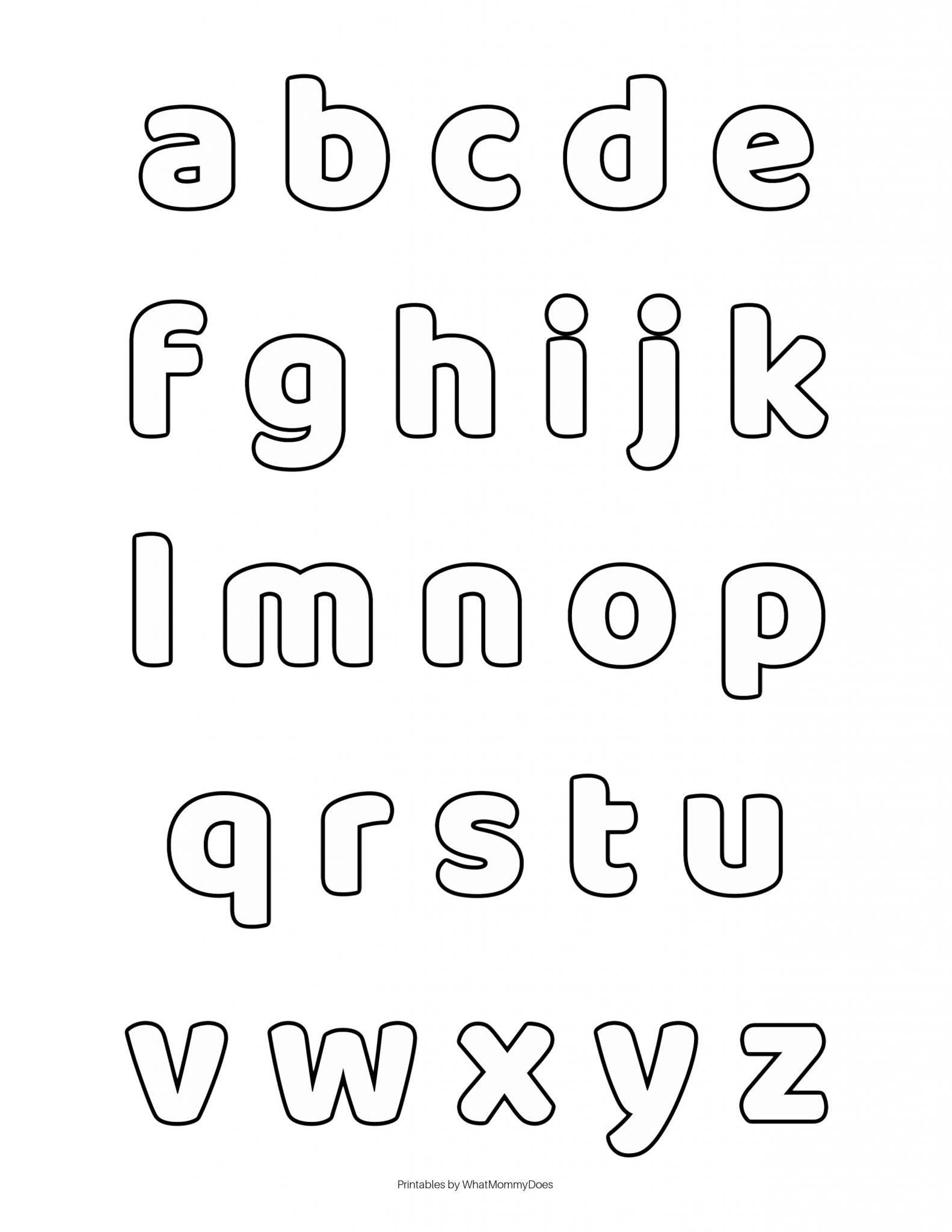
Coloring pages of small letters play a crucial role in developing a child’s literacy skills. These pages help children recognize and memorize letters while also enhancing fine motor skills. When children color, they practice holding crayons or colored pencils, which strengthens their grip and hand-eye coordination.
Moreover, coloring engages children’s creativity and imagination. As they choose colors and design their pages, they become more invested in the learning process. This engagement is essential; when learning feels like play, children are more likely to retain information.
How to Use Coloring Pages of Small Letters Effectively
Using coloring pages of small letters can be a straightforward yet impactful activity in both classrooms and homes. Here are some practical strategies to make the most of these resources:
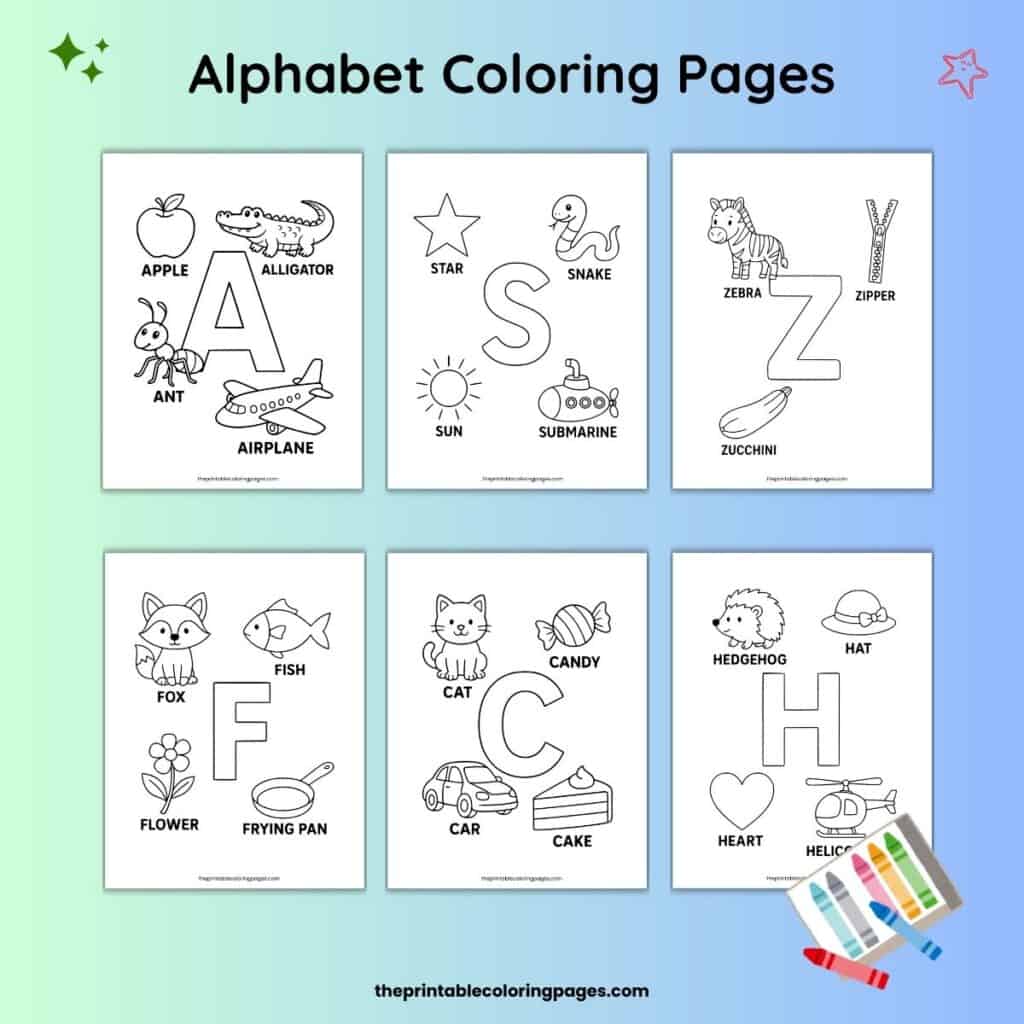
- Integrate with Lessons: Pair coloring activities with lessons on phonetics and letter sounds. For example, when introducing the letter “a,” provide a coloring page featuring small letter “a” along with images of items that start with that letter, like an apple or an ant. This context helps solidify their understanding.
- Create a Routine: Establish a regular time for coloring activities. Consistency helps children anticipate and look forward to learning. Whether it’s part of a morning routine or an afternoon wind-down, integrating these pages into daily activities can enhance their learning experience.
- Encourage Interaction: While children color, engage them in conversation about the letters they are working on. Ask questions like, “What sound does this letter make?” or “Can you think of a word that starts with this letter?” This dialogue reinforces their learning and keeps them engaged.
- Provide Varied Resources: Offer a selection of coloring pages that feature different styles and themes. Some pages can be simple outlines, while others may include a little more detail or include a background. This variety caters to different skill levels and keeps the activity fresh.
- Incorporate Other Learning Activities: After coloring, you can expand on the activity by having children trace the letters or write words that begin with the letters they’ve colored. This multi-faceted approach reinforces their learning and helps them make connections.
Printable Resources for Coloring Pages of Small Letters
Finding quality printable resources for coloring pages of small letters can be straightforward. Here are a few tips for locating and utilizing these resources effectively:
- Online Websites: Many educational websites offer free or low-cost printable coloring pages. Look for reputable sites that specialize in educational materials for children. Websites like Teachers Pay Teachers often have a variety of themed pages created by educators.
- Customizable Templates: Some platforms allow you to create personalized coloring pages. You can input specific letters or themes relevant to your current lesson plan, making the experience more tailored for your students.
- Community Resources: Don’t hesitate to check local libraries or educational resource centers. They often have printed materials available for use or can guide you to where you can find printable pages.
- Download Formats: Ensure that the coloring pages you choose are easy to download and print. PDF formats are typically best, as they maintain their quality when printed, unlike some image formats that may distort.
Benefits of Coloring Pages for Different Age Groups
Coloring pages of small letters can be adapted for various age groups, making them a versatile resource. Here’s how they can benefit different stages of development:
- Preschoolers (Ages 3-5): For the youngest learners, simple coloring pages featuring large letters and recognizable images are ideal. These pages should focus on just a few letters at a time, allowing for focused learning.
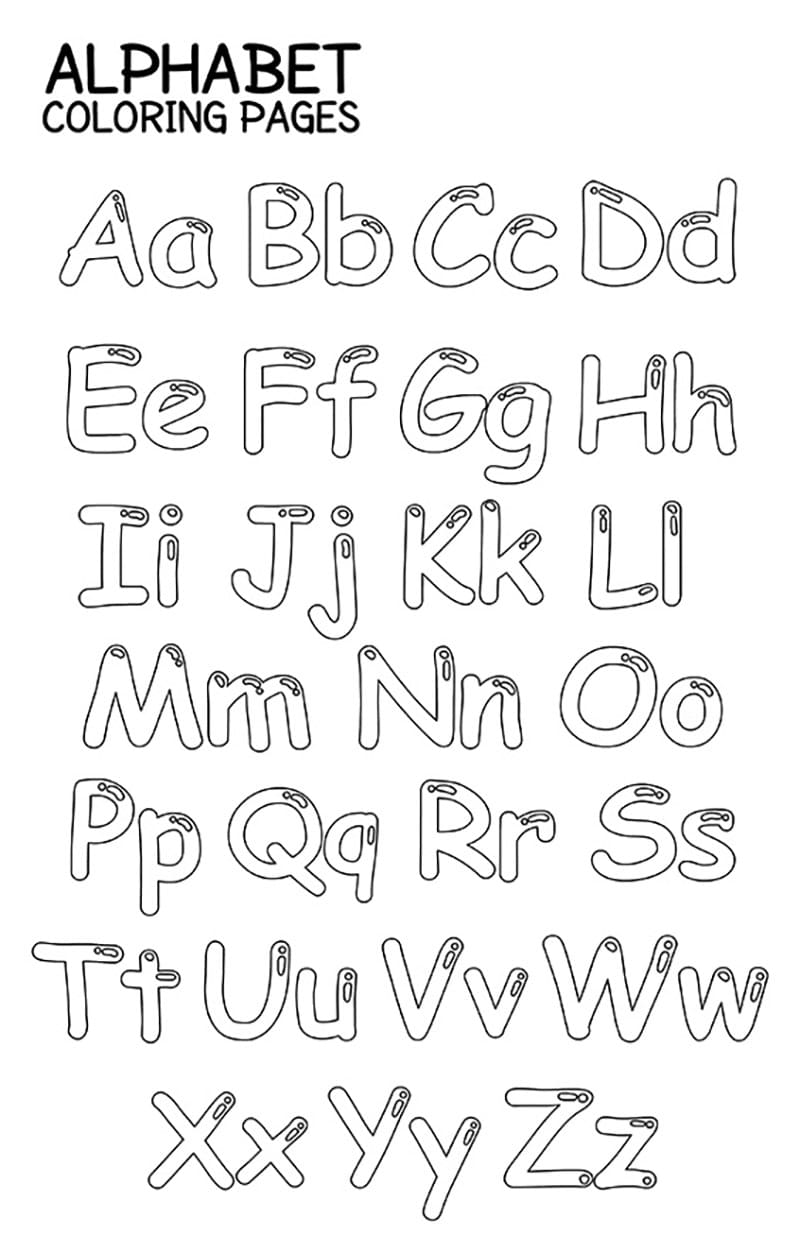
- Kindergarten (Ages 5-6): At this stage, children can handle more complexity. Introduce coloring pages that include the entire alphabet and incorporate simple words. This helps them begin recognizing letters in different contexts.
- Early Elementary (Ages 6-8): For older children, consider pages that challenge them a bit more. Introduce coloring pages that include sentences or phrases, encouraging them to connect letters with meaning. This helps bridge the gap between letter recognition and reading comprehension.
Creative Extensions for Coloring Pages
Once the coloring pages are completed, there are numerous creative activities that can extend the learning experience:
- Classroom Displays: Create a “Letter Wall” in your classroom. After students color their pages, display them prominently to celebrate their work and reinforce their learning.
- Storytime Integration: Use the finished coloring pages as prompts for storytelling. Have students share their stories based on the images they colored, which encourages creativity and language development.
- Book Creation: Compile the colored pages into a book. Each student can contribute their pages to create a class book that features all the letters of the alphabet. This can become a cherished keepsake and a reference tool for their learning.
By using coloring pages of small letters effectively, you can create an engaging, multidisciplinary approach to learning that fosters both creativity and literacy in young children. This resource is not only practical but also a fun way to make learning enjoyable.
So next time you prepare your lessons, consider adding coloring pages to your toolkit. They’re an easy, effective way to help children develop essential skills while having fun. Grab some coloring supplies, print out those pages, and watch as your students flourish!