
Coloring pages of alphabet for preschool are an excellent way to help young learners develop their recognition of letters while enjoying a creative activity. These pages not only keep children engaged but also reinforce the connection between letters and their sounds. Using these resources effectively can enhance literacy skills in a fun and interactive way.
Understanding the Importance of Alphabet Recognition
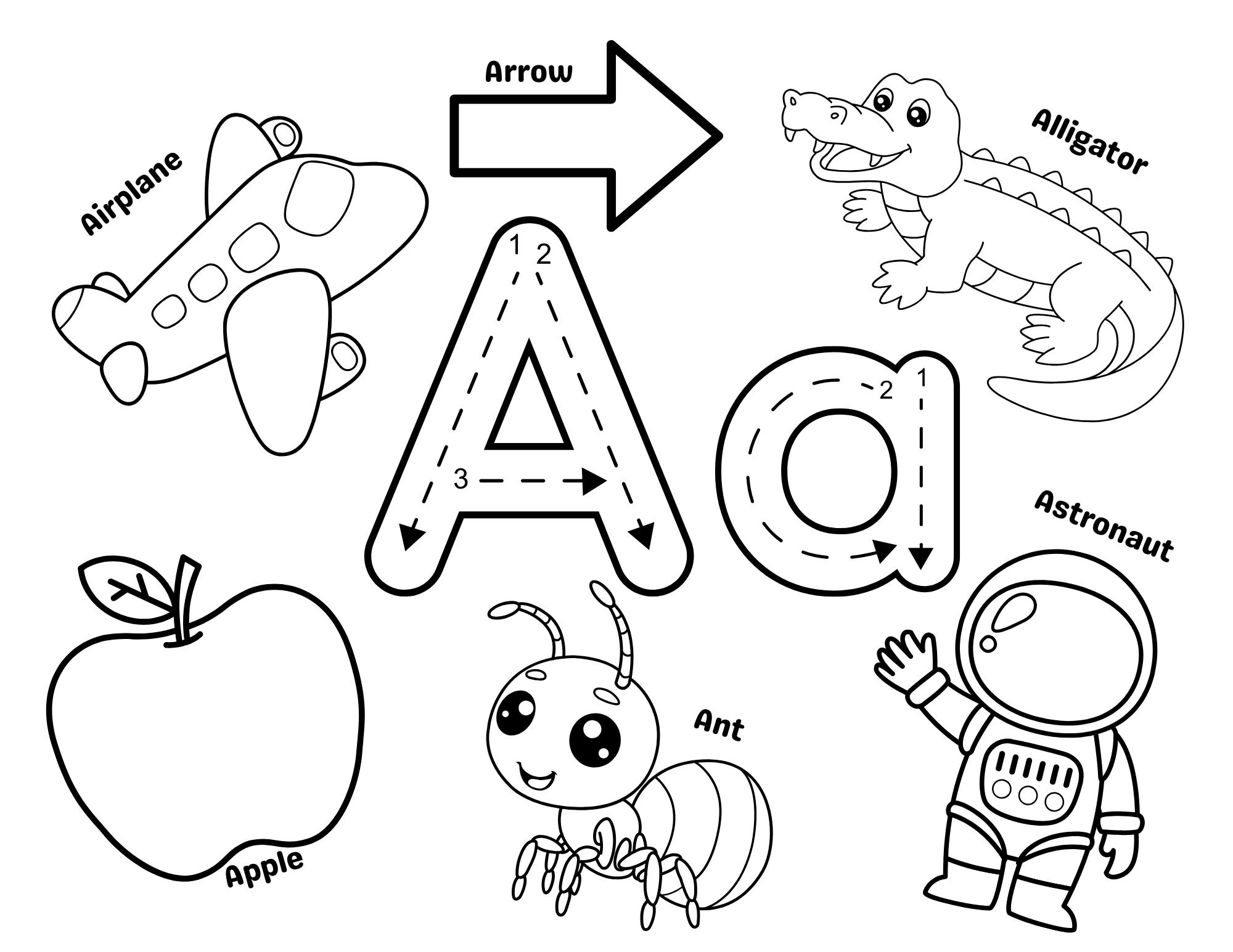
Alphabet recognition is a foundational skill for preschoolers. It serves as the first step in reading and writing. When children can identify letters, they begin to understand that these letters form words. Coloring pages that focus on the alphabet help children associate each letter with a visual representation, which aids in memorization.
To make the most of coloring pages, consider the following points:
- Visual Learning: Children are visual learners at this age. Associating letters with images can make learning enjoyable and effective.
- Fine Motor Skills Development: Coloring helps develop fine motor skills, which are essential for writing.
- Engagement: Coloring is inherently fun. Engaging activities can keep children focused and interested in learning.
Choosing the Right Coloring Pages
When selecting coloring pages of alphabet for preschool, consider the following criteria to ensure they are effective:
- Age Appropriateness: Ensure the complexity of the images matches the skill level of preschoolers. Simple designs with bold outlines work best.
- Variety: Choose pages that include both uppercase and lowercase letters. This variety reinforces the different forms of each letter.
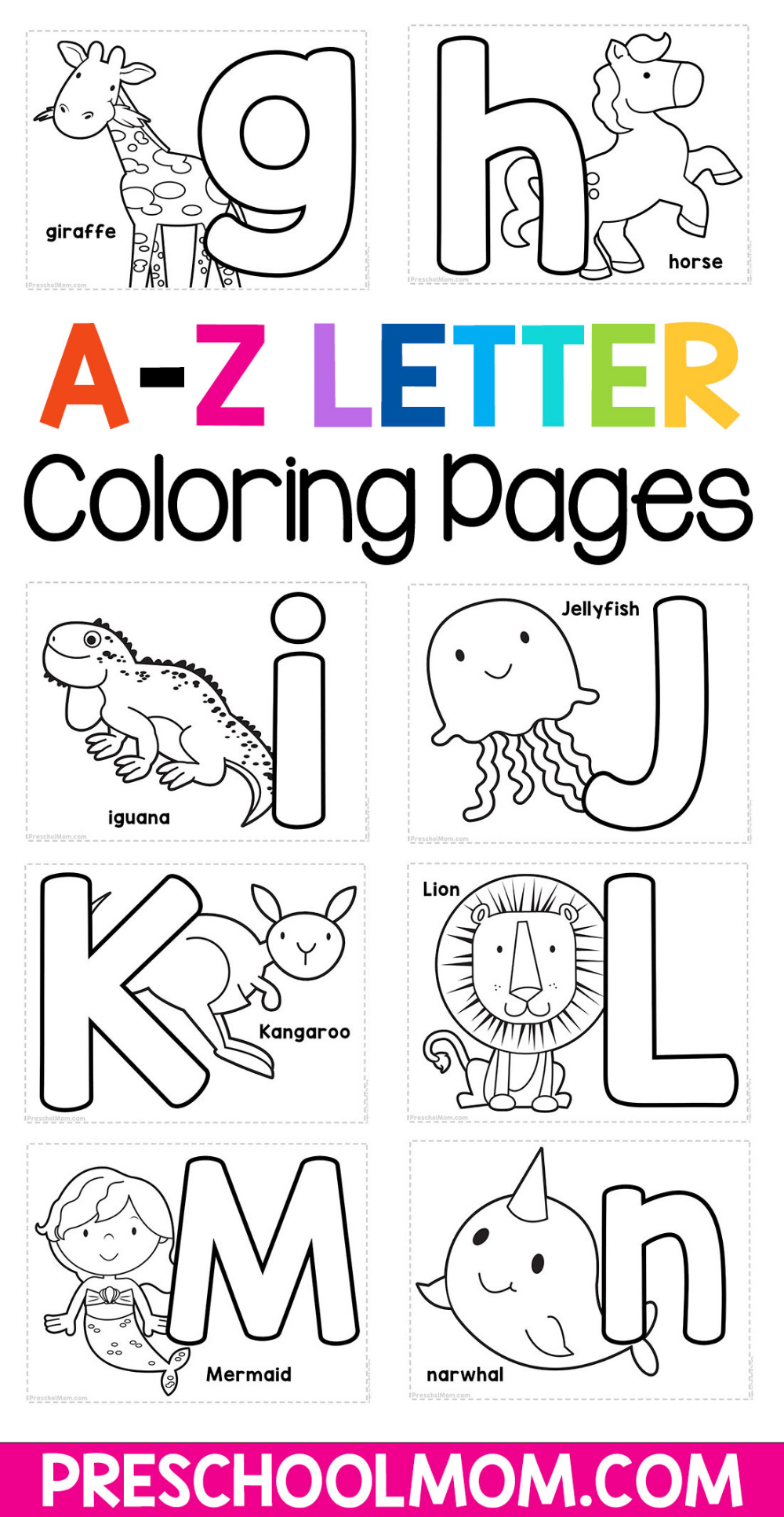
- Themes: Incorporate themed pages that relate to children’s interests, such as animals, toys, or nature. This approach keeps them excited about learning.
You might find websites that offer free printable coloring pages. Look for resources that allow easy downloads without any hidden fees.
Incorporating Coloring Pages Into Lessons
Integrating coloring pages into your teaching routine can be straightforward. Here are some ideas on how to incorporate them effectively:
- Daily Practice: Dedicate a few minutes each day for coloring an alphabet page. This consistent practice helps reinforce letter recognition.
- Thematic Units: Pair coloring pages with themes you’re teaching. For instance, if you’re discussing animals, you could use coloring pages featuring animals that start with each letter.
- Group Activities: Use coloring pages as a group activity. Allow children to share their creations, which fosters social skills and confidence.
- Interactive Learning: After coloring, encourage children to say the letter and a word that starts with it. This reinforces both recognition and vocabulary.
Printing Tips for Coloring Pages
Once you have selected your coloring pages, here are some practical tips for printing them:
- Paper Type: Use standard A4 or letter-sized paper. Consider using heavier paper or cardstock if you plan to laminate the pages for durability.
- Printer Settings: Set your printer to the best quality. Check to ensure that the color settings are correct to avoid faded images.
- Layout: Portrait layout is generally easier for children to handle. It allows them to manage the page better while coloring.
If you are printing multiple pages, consider printing them in batches to save time and resources.
Using Coloring Pages for Assessment
Coloring pages can also serve as informal assessment tools. You can observe children as they color to assess their understanding of letter shapes and sounds. Here’s how to do it effectively:
- Monitor Progress: Keep a portfolio of each child’s coloring pages over time to track their progress in letter recognition.
- Feedback: Provide constructive feedback on their work. Encourage them to talk about the letters they colored and the words they associate with them.
This assessment method can give you insights into each child’s learning style and readiness for more advanced tasks.
Additional Activities to Complement Coloring Pages
To enhance the learning experience further, combine coloring pages with other activities. Here are some suggestions:
- Story Time: Read books that emphasize the alphabet, then allow children to color related pages.
- Letter Crafts: Create crafts that represent each letter. For example, make an “A” out of apple cutouts.
- Songs and Rhymes: Incorporate alphabet songs or rhymes. This auditory element can help reinforce what they learn while coloring.
By using these complementary activities, you can create a rich learning environment that supports multiple learning styles.
Where to Find Coloring Pages of Alphabet for Preschool
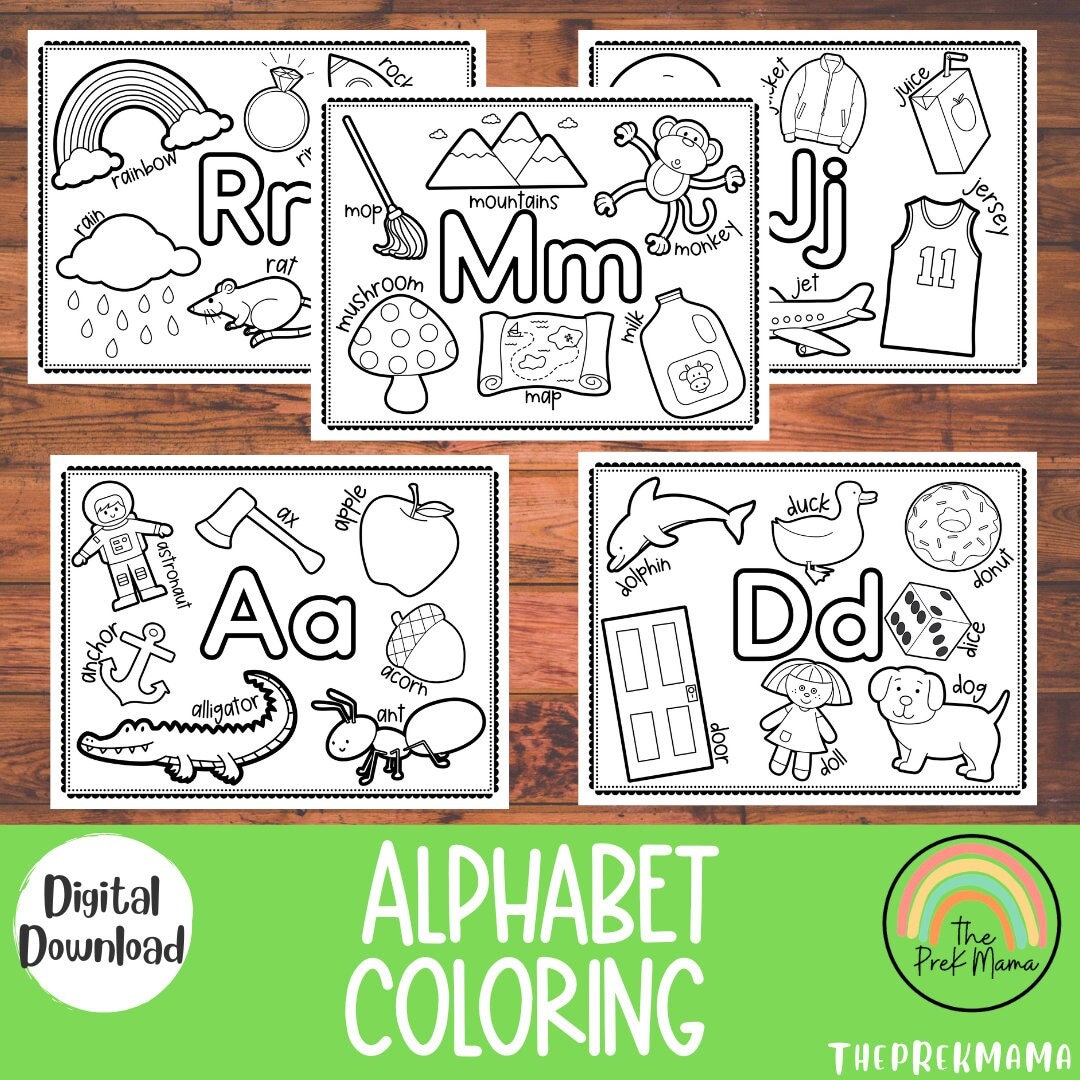
Finding suitable coloring pages can be easily done with a bit of research. Here are some resources you might consider:
- Educational Websites: Many educational sites offer free downloads for alphabet coloring pages. Look for reputable sources that focus on early childhood education.
- Pinterest: This platform has countless creative ideas, including links to downloadable coloring pages.
- Local Libraries: Libraries often have resources for educators, including printed materials that can be copied.
Make sure to review the pages before using them in class to ensure quality and appropriateness.
In summary, using coloring pages of alphabet for preschool can significantly enhance early literacy skills. By selecting appropriate resources, integrating them into lessons, and complementing them with other activities, you create a dynamic learning environment. Try introducing coloring pages into your routine, and observe the positive impact on your students’ engagement and learning outcomes.