
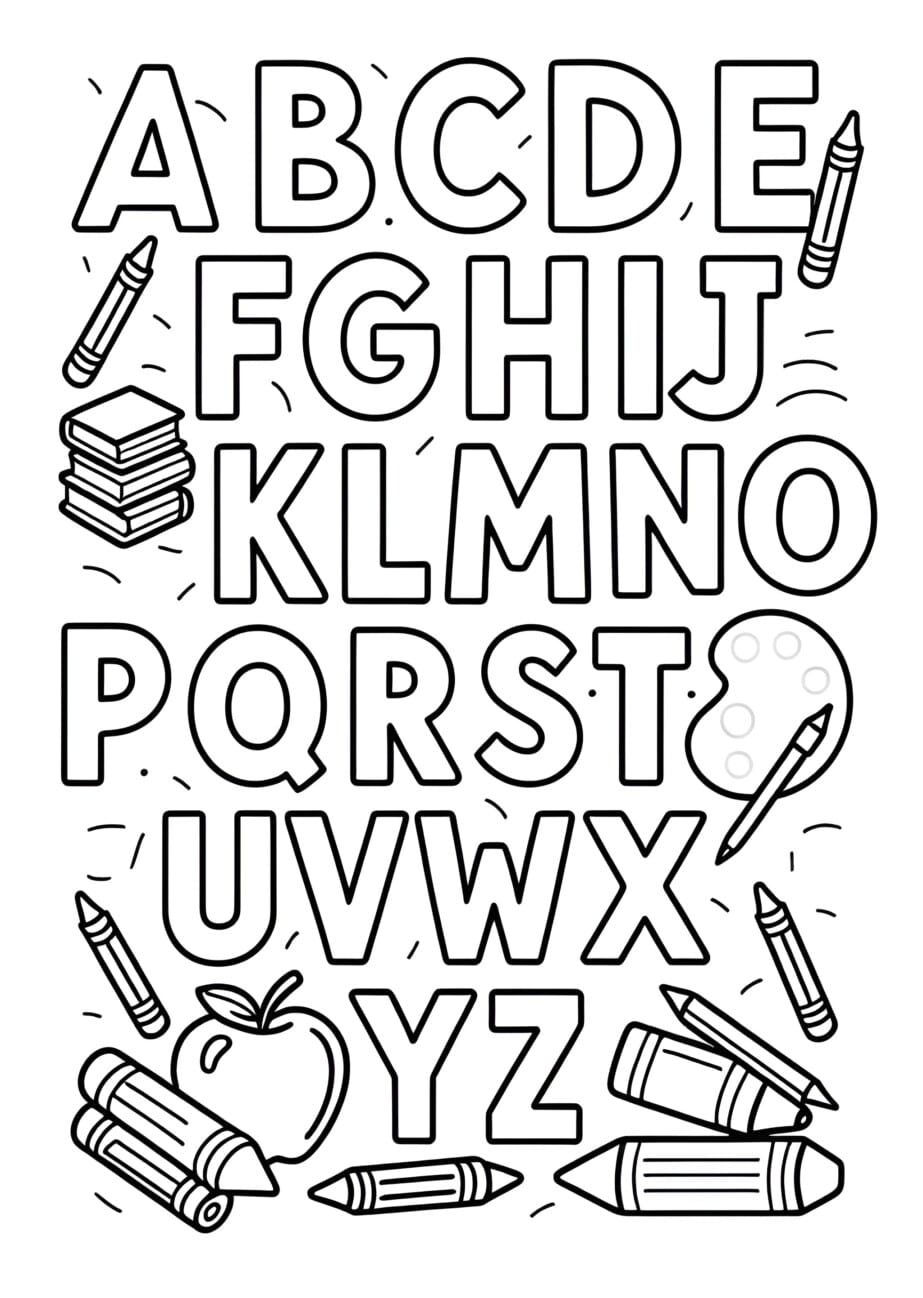
Engaging young learners can sometimes feel like a challenge. However, using effective resources can make all the difference. Coloring Pages Letters Of The Alphabet are an excellent way to introduce children to the basics of letters while keeping them entertained. These coloring pages not only promote creativity but also help with letter recognition, fine motor skills, and even early phonics.
Understanding the Benefits of Coloring Pages for Learning
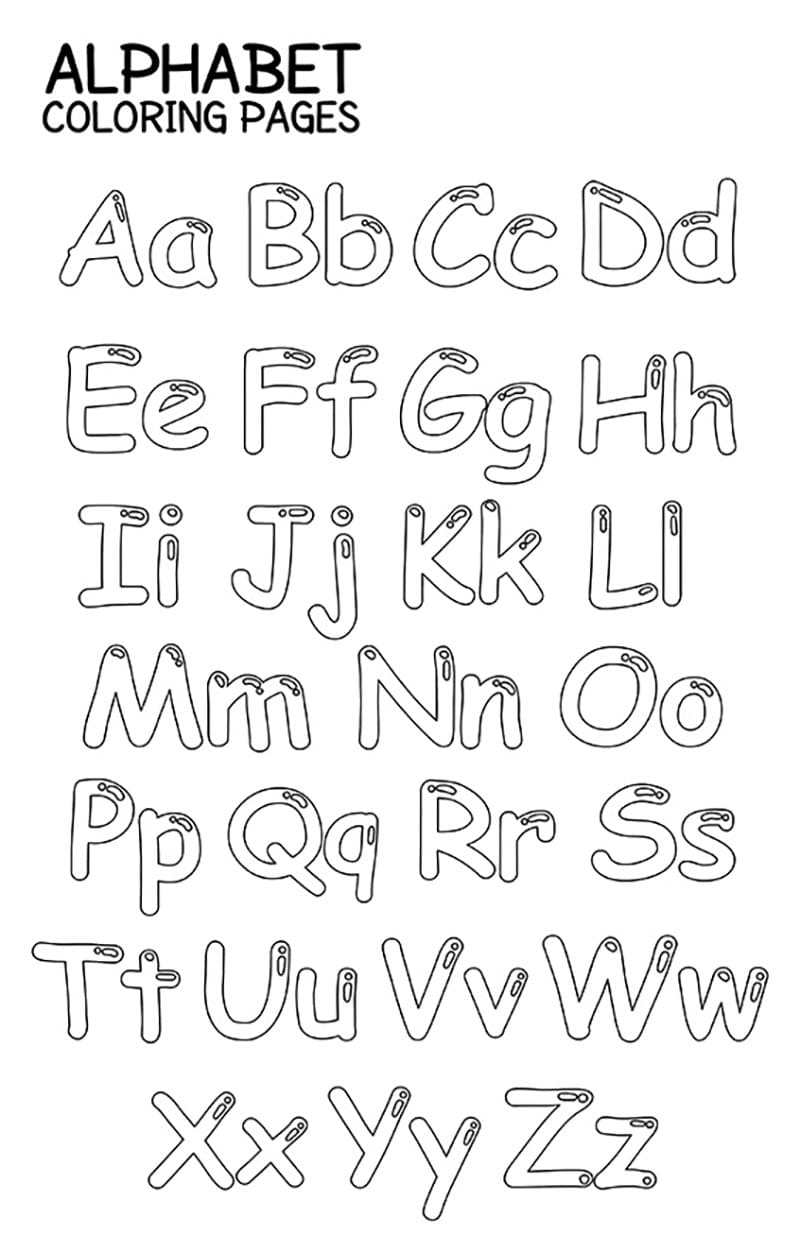
Coloring pages serve multiple purposes in the classroom or at home. They are more than just a fun activity; they play a pivotal role in early childhood education. Here’s how coloring pages can benefit young learners:
- Letter Recognition: As children color in the letters, they become familiar with their shapes and forms.
- Fine Motor Skills Development: Holding crayons or colored pencils helps strengthen the small muscles in children’s hands.
- Creativity and Expression: Children can choose their colors, allowing for individual expression and creativity.
- Cognitive Skills: Associating letters with words or images can enhance memory and understanding of phonics.
When you incorporate Coloring Pages Letters Of The Alphabet into your teaching strategy, you create a multi-faceted learning experience that is both enjoyable and educational.
Choosing the Right Coloring Pages
Not all coloring pages are created equal. When selecting Coloring Pages Letters Of The Alphabet, consider the following factors:
- Age Appropriateness: Choose pages that are suitable for the age group you are working with. Younger children may benefit from simpler designs, while older kids might enjoy more intricate images.
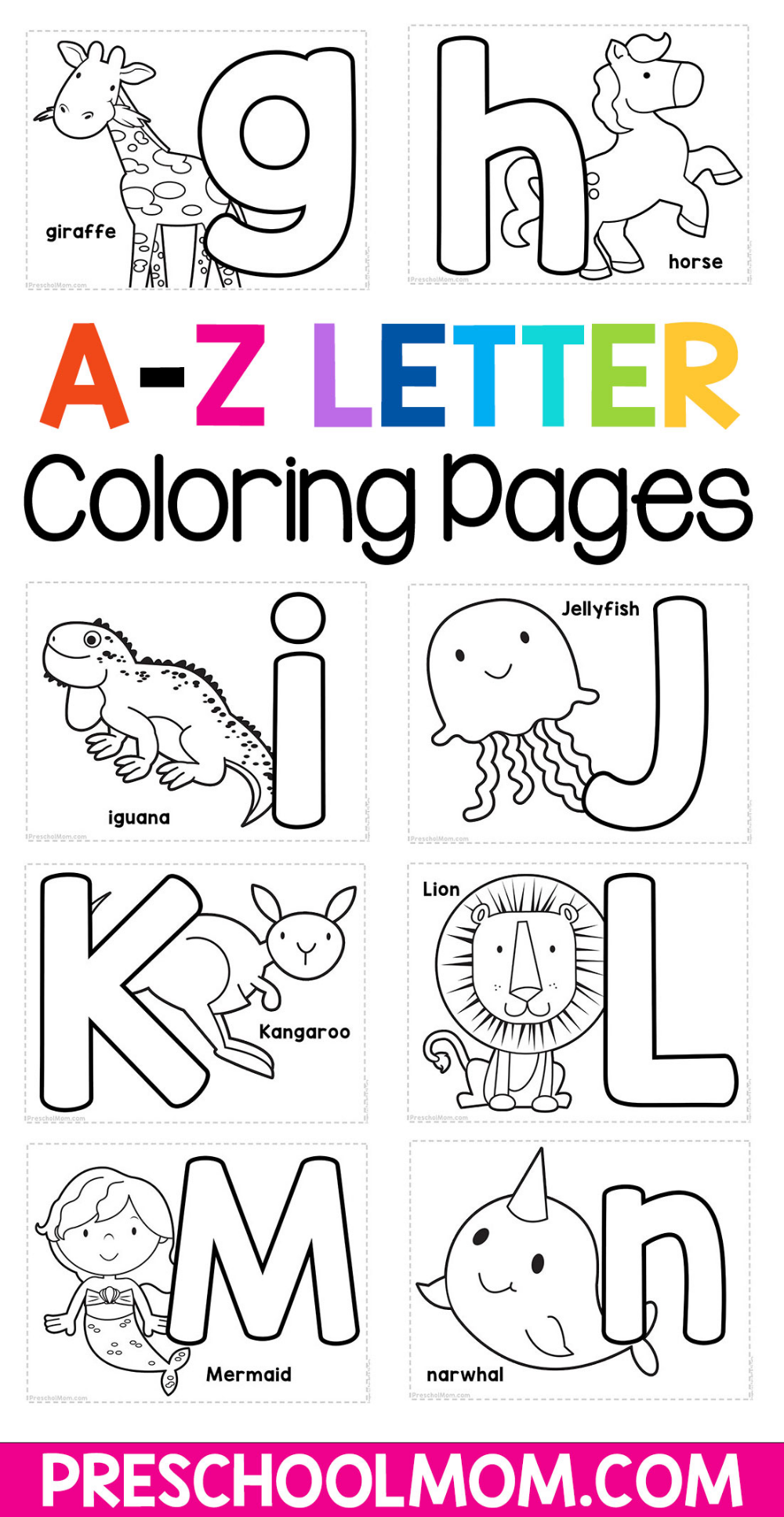
- Themes: Some coloring pages may include themes that relate to the letters, such as animals for “A” or objects for “B.” This can make the learning process more engaging.
- Quality of Images: Look for high-resolution images that will print clearly without pixelation. This ensures that the final product is visually appealing and easy to color.
By selecting the right pages, you can enhance the learning experience for your students.
How to Download and Print Coloring Pages
Once you’ve chosen the appropriate Coloring Pages Letters Of The Alphabet, the next step is to download and print them. Here’s a simple workflow to follow:
- Download: Click on the download link provided on the resource page. Ensure it’s in a PDF format to maintain the quality.
- Print Settings: Use standard letter-sized paper (8.5 x 11 inches) for printing. Adjust the printer settings to ensure the images are printed at 100% size to avoid distortion.
- Paper Type: For best results, consider printing on cardstock. This heavier paper holds up well to coloring and is less likely to tear.
Following these steps will ensure that you have high-quality coloring pages ready for your students.
Setting Up the Coloring Activity
Once you have printed the Coloring Pages Letters Of The Alphabet, it’s time to set up the activity. Here’s how to create an engaging learning environment:
- Gather Materials: Make sure you have a variety of coloring materials available, such as crayons, colored pencils, and markers. Offering different tools can inspire creativity.
- Create a Comfortable Space: Set up a designated coloring area with plenty of space for each child. Ensure the area is well-lit and free of distractions.
- Introduce the Activity: Start with a brief introduction to the letters. Show examples of words that start with each letter and encourage students to think of their own words.
- Encourage Exploration: Allow children to color freely while guiding them to think about the letters they are working on. Ask questions about the letters and their sounds.
By creating a structured environment, you can help children focus on both the coloring and the learning aspect.
Monitoring Progress and Mastery
As children engage with Coloring Pages Letters Of The Alphabet, it’s essential to monitor their progress. Here’s what to look for:
- Letter Recognition: Check if the child can identify the letters they are coloring. You might ask them to say the letter out loud or name words that begin with it.
- Coloring Skills: Observe their coloring technique. Are they staying within the lines? Are they using a variety of colors? This can indicate their fine motor skill development.
- Engagement Level: Take note of how engaged they are with the activity. Are they excited about coloring? Do they ask questions about the letters?
If you notice a child struggling with letter recognition or fine motor skills, you may need to provide additional support or practice opportunities.
Ideas for Extending the Activity
To deepen the learning experience, consider incorporating additional activities that complement the Coloring Pages Letters Of The Alphabet:
- Letter Crafts: After coloring, have students create crafts related to the letters. For example, they could make an “A” out of apples or a “B” out of butterflies.
- Storytime: Read books that emphasize the letters being colored. This reinforces the connection between letters and sounds.
- Phonics Games: Introduce simple phonics games that involve the letters they are working on. This could be as simple as a matching game with letter cards.
These extensions not only reinforce what they’ve learned but also keep the learning process fun and interactive.