
Learning the alphabet is a foundational skill for young children, and finding engaging ways to reinforce this knowledge is essential for teachers and parents alike. A Coloring Page Of Alphabet Letters offers a fun and interactive method for children to familiarize themselves with letters, all while tapping into their creativity. This article guides you through the steps to effectively use these coloring pages in your teaching or home learning environment.
Why Use Coloring Pages for Learning the Alphabet?
Coloring pages serve multiple purposes in education. They are not just a fun activity; they also enhance fine motor skills, promote creativity, and aid in letter recognition. When children engage with a Coloring Page Of Alphabet Letters, they can:
- Develop Fine Motor Skills: Coloring helps improve grip and control, which is crucial for writing later on.
- Encourage Creativity: Kids can express themselves through colors and designs, making learning more enjoyable.
- Enhance Letter Recognition: Associating letters with colors and images helps solidify their understanding.
By integrating these coloring pages into your lessons, you can create a multifaceted learning experience that keeps children engaged.
Where to Find Quality Coloring Pages
Before using coloring pages, it’s essential to find high-quality resources. Look for websites that offer free or low-cost printable templates. Ensure the following:
- Clear Designs: The letters should be easy to color within the lines.
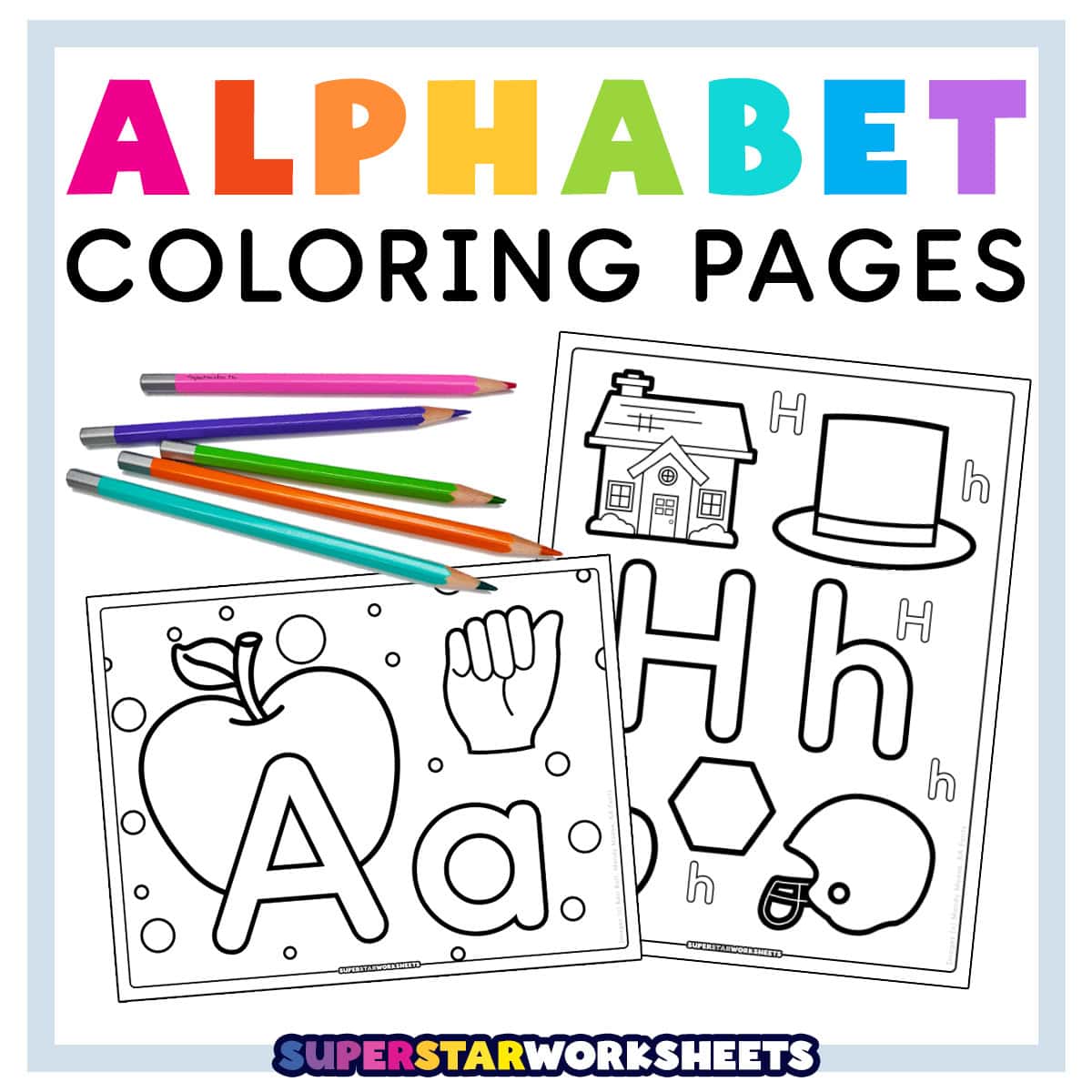
- Variety: Look for pages that include both uppercase and lowercase letters.
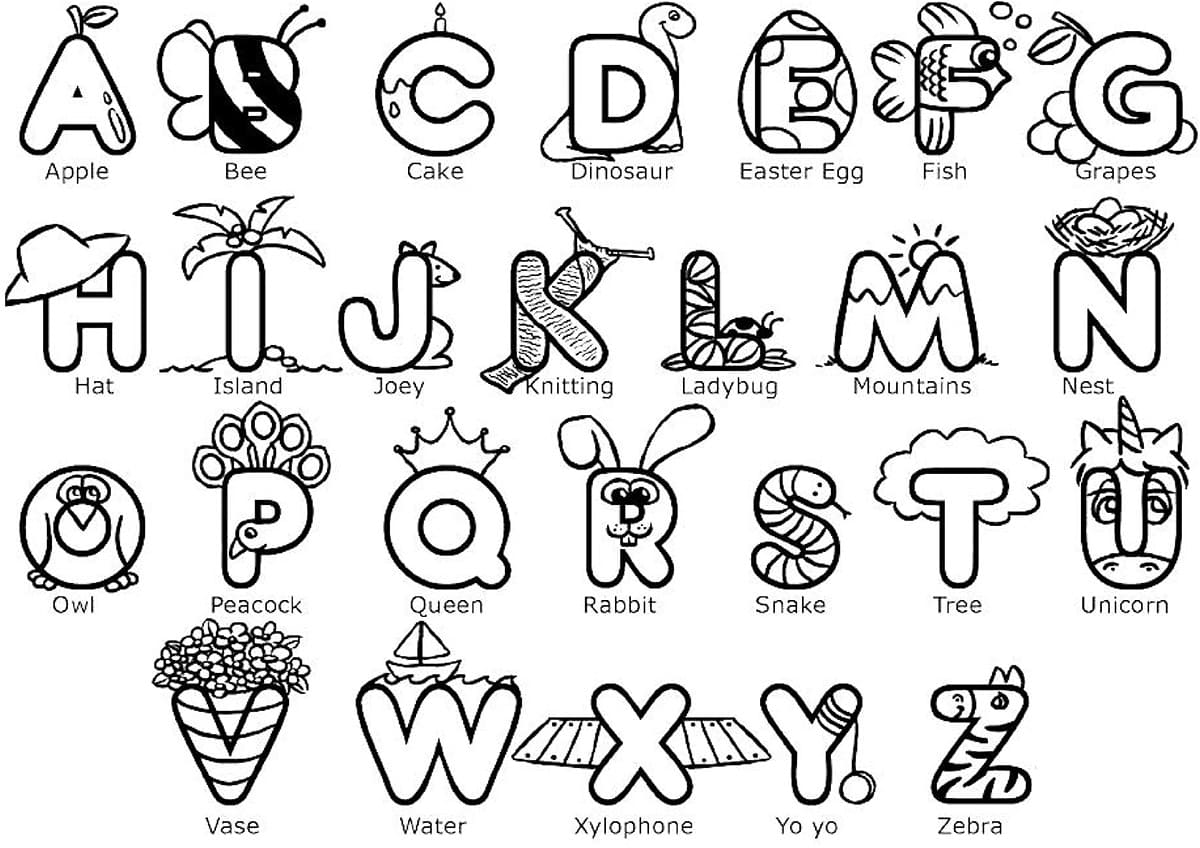
- Additional Elements: Some pages might include objects that start with each letter, reinforcing the connection between letters and words.
A simple online search for “Coloring Page Of Alphabet Letters” can yield a wealth of resources. Many educational websites and blogs offer these pages for free download, making it easy to get started.
Downloading and Printing Your Coloring Pages
Once you’ve found the perfect coloring pages, the next step is to download and print them. Here’s how to do it effectively:
- Select the Page: Choose the specific coloring page you want to use, ensuring it fits your lesson plan.
- Download the File: Click on the download link, usually in PDF or image format. PDF files are preferable as they maintain quality during printing.
- Print Settings:
- Paper Size: Use standard letter size (8.5″ x 11″) for easy printing.
- Print Quality: Set your printer to “Best” quality for clearer images.
- Orientation: Portrait orientation typically works best for coloring pages.
Before printing multiple copies, consider doing a test print to check that everything looks right.
Setting Up the Activity in the Classroom or at Home
Now that you have your coloring pages ready, it’s time to set up the activity. Here are some practical tips for effective implementation:
- Gather Supplies: Make sure you have a variety of coloring materials—crayons, colored pencils, and markers. This variety can inspire creativity.
- Create a Comfortable Space: Set up a dedicated area for coloring that is well-lit and free from distractions.
- Introduce the Activity: Explain to the children what they will be doing, emphasizing the fun of coloring while learning.
Incorporating Learning Objectives
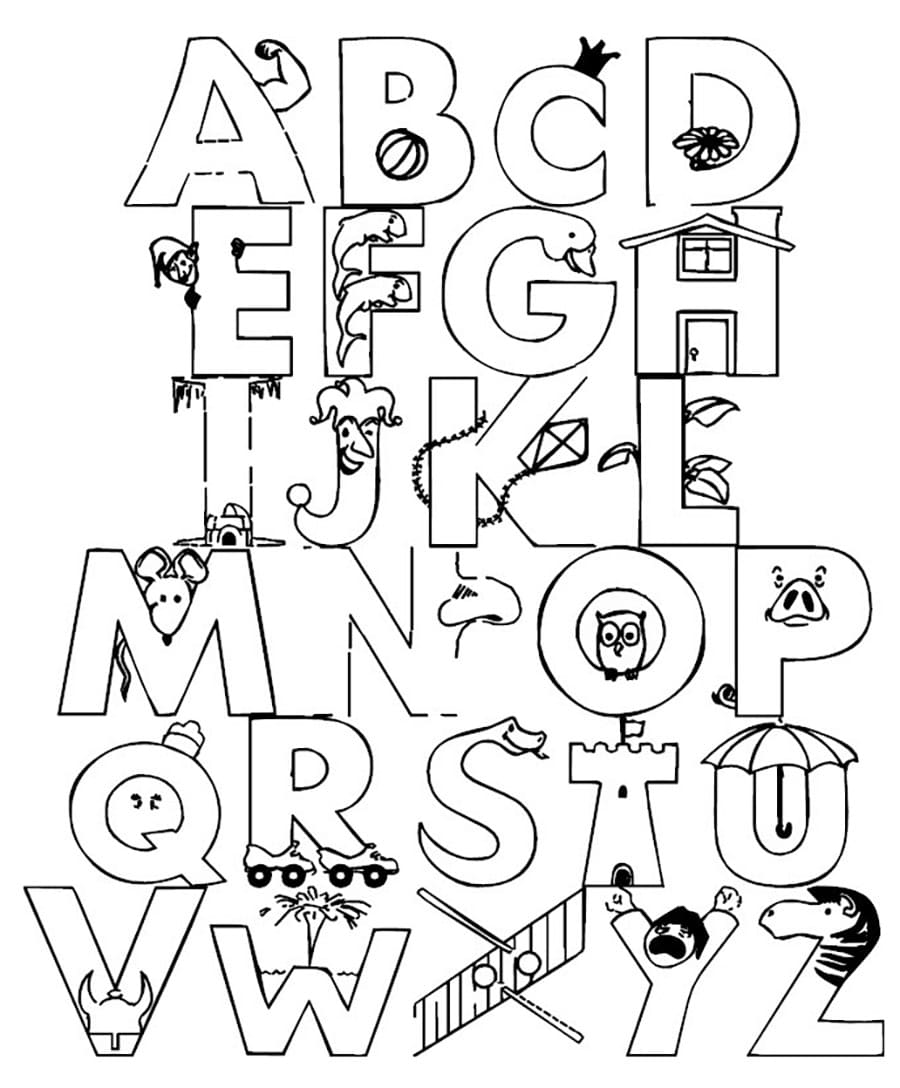
As you guide the children through the coloring activity, use it as an opportunity to reinforce learning objectives:
- Letter Sounds: As they color each letter, encourage them to say the letter and its corresponding sound. For example, while coloring “A,” they can say, “A for apple.”
- Word Associations: If the coloring page includes images related to the letters, ask the children to name those objects. This helps in building vocabulary and connecting letters to words.
Tracking Progress With Coloring Pages
One of the essential aspects of using a Coloring Page Of Alphabet Letters is tracking the children’s progress. Here’s how you can do that effectively:
- Observe Engagement: Note which letters they are excited to color and which ones they struggle with. This can indicate where they might need additional practice.
- Use Completed Pages as Assessment: After the activity, review the completed pages. Are they staying within the lines? Are they choosing colors thoughtfully? This can give you insight into their fine motor skills and understanding of the letters.
- Follow Up Activities: Based on their performance, you can design follow-up activities. For instance, if a child struggled with the letter “B,” consider additional worksheets or games focused on that letter.
Additional Resources and Activities
To enhance the learning experience further, consider these additional activities:
- Letter Crafts: After coloring, engage children in making simple crafts related to the letters they colored. For example, they could create a paper apple for the letter “A.”
- Story Time: Choose books that focus on the alphabet and read them aloud. This can reinforce the letters they’ve been working on.
- Games: Incorporate games that focus on letter recognition, such as scavenger hunts for objects that start with specific letters.
By combining coloring pages with these activities, you can create a well-rounded alphabet learning experience.
Final Tips for Success
Using a Coloring Page Of Alphabet Letters can be a delightful and educational tool. Here’s a tip to make your experience even better:
Always encourage children to express their creativity. Allow them to choose colors freely, even if it means using unconventional colors for letters. This promotes a sense of ownership and enjoyment in their learning process.
With these coloring pages, you’re not just teaching letters; you’re inspiring a love for learning that can last a lifetime.