
Coloring Letters A To Z is an excellent resource for educators and parents looking to enhance children’s literacy skills while allowing them to express their creativity. This resource provides a fun and engaging way for kids to learn the alphabet by coloring each letter from A to Z. The activity promotes letter recognition and fine motor skills, making it suitable for preschool and early elementary school students.
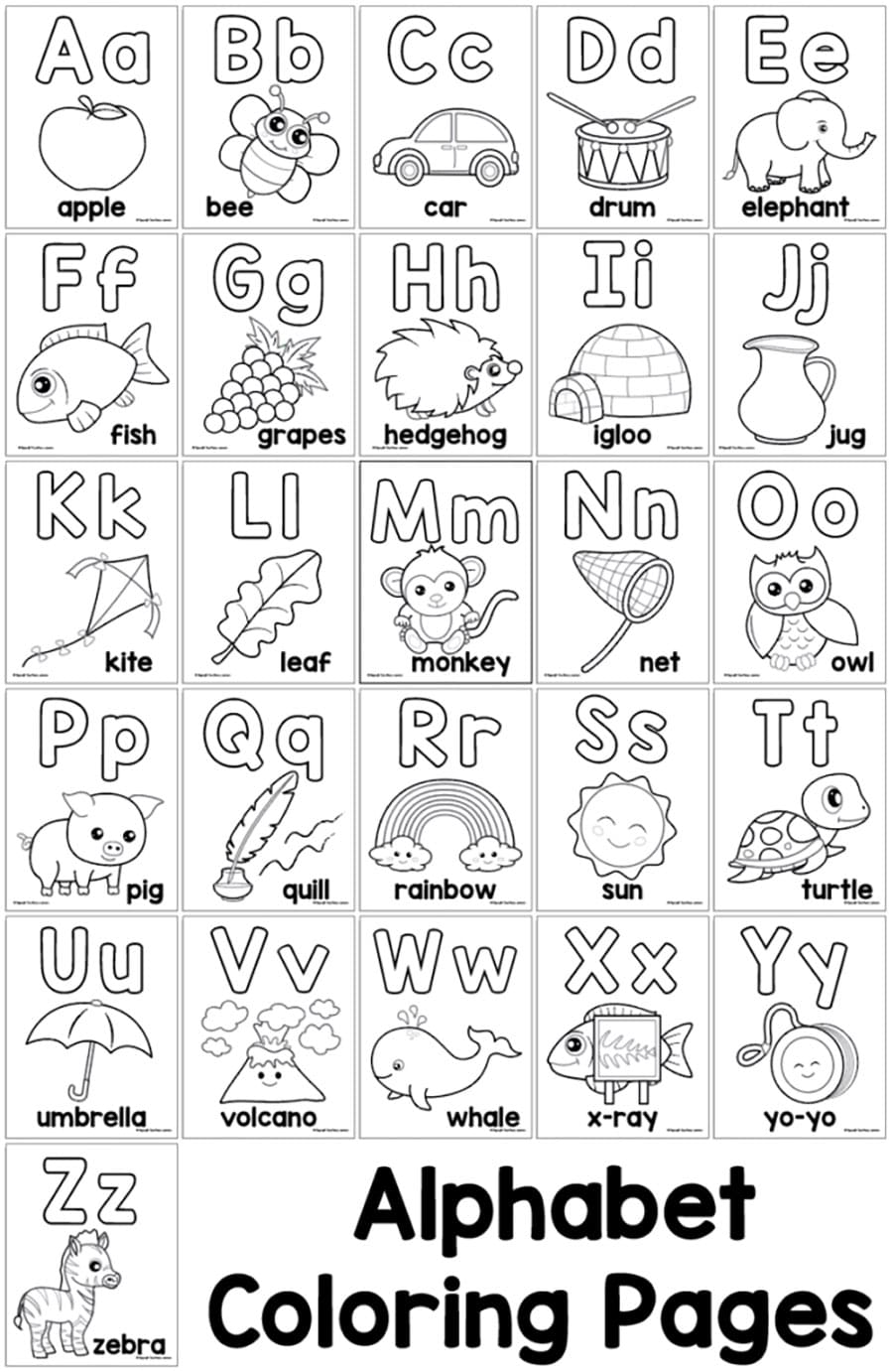
Understanding the Importance of Coloring Letters
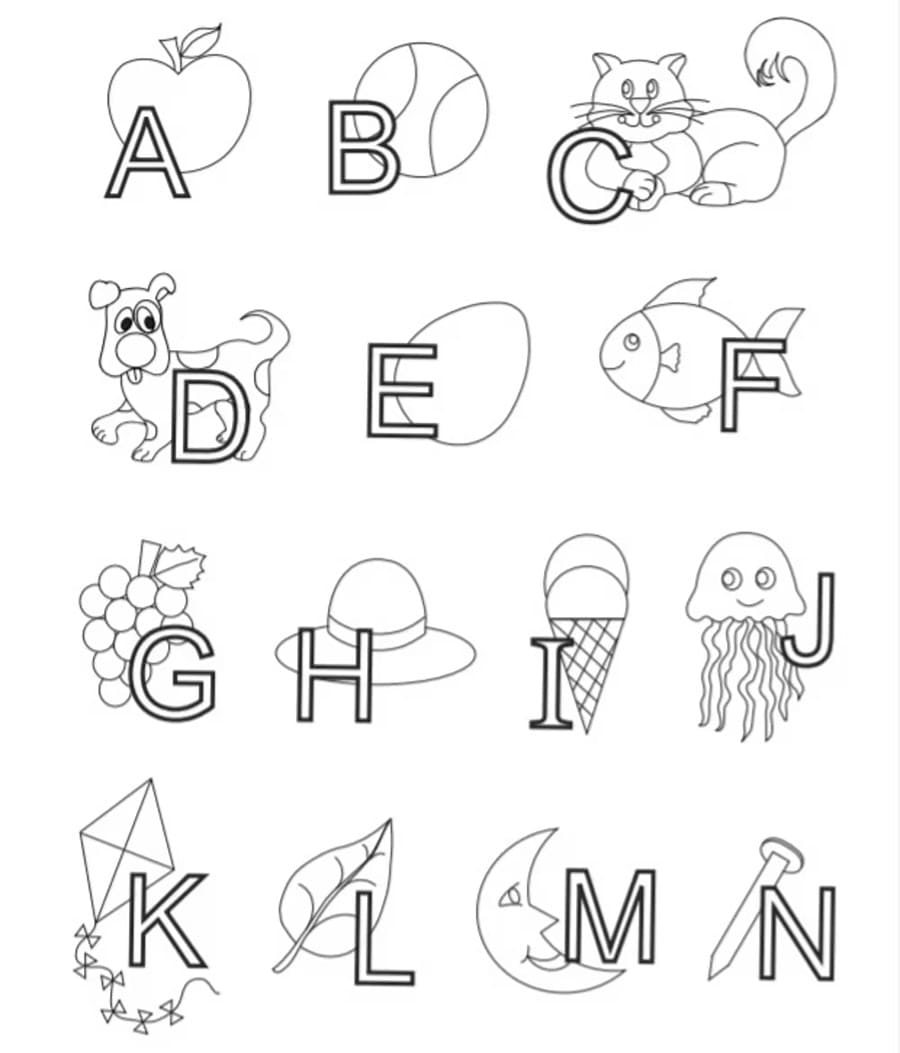
Coloring activities are not just about filling in spaces with colors; they play a crucial role in early childhood education. The act of coloring helps children develop various skills, including:
- Fine Motor Skills: Holding crayons or markers improves grip and control.
- Color Recognition: Kids learn to identify colors as they choose them for each letter.
- Creativity: There are no rules for how to color letters, allowing for personal expression.
- Focus and Concentration: Coloring requires attention to detail, helping children improve their focus over time.
How to Use Coloring Letters A To Z
When utilizing Coloring Letters A To Z, consider the following practical steps to maximize its benefits:
- Download and Print: Ensure you have a good quality printer and use standard letter-sized paper (8.5″ x 11″). You might prefer cardstock for durability if the coloring sheets will be used repeatedly.
- Set Up a Coloring Station: Create an inviting space with various coloring materials like crayons, markers, or colored pencils. This can be a designated area in the classroom or a cozy corner at home.
- Introduce the Letters: Before diving into coloring, take a moment to introduce each letter. Discuss words that start with each letter and encourage children to think of their own examples.
- Independent Practice: Allow children to color the letters independently. This promotes self-directed learning and gives them a sense of accomplishment.
- Review and Share: After coloring, encourage kids to share their artwork. This can be done in a group setting or a home environment, fostering communication skills and confidence.
Tips for Printing and Using the Coloring Pages
When you’re preparing to print the Coloring Letters A To Z pages, consider these tips:
- Print Settings: Use a portrait layout for a standard look, which works best for most home printers. If using color, ensure the printer is set to high-quality for best results.
- Paper Type: For regular coloring, standard printer paper is fine. If you want to laminate the pages for reuse, use heavier cardstock.
- Avoiding Smudging: If using markers, ensure the ink dries completely to prevent smudging. Alternatively, consider using colored pencils for less mess.
Incorporating Coloring Letters A To Z Into Lesson Plans
Coloring Letters A To Z can be integrated into various lesson plans to enhance learning. Here are some ideas:
- Alphabet Week: Dedicate a week to the alphabet, using a letter a day. Each day can include discussions, activities, and of course, coloring.
- Themed Activities: Pair coloring with themes, such as animals for the letter “A” or fruits for the letter “B.” This adds an extra layer of learning.
- Assessment Tool: Use completed coloring pages as informal assessments. Observe which letters children recognize and how they express creativity through color choices.
Additional Activities to Extend Learning
To complement Coloring Letters A To Z, consider these additional activities:
- Word Association: After coloring, ask children to come up with words that start with each letter. You can even create a simple book with their colored letters and associated words.
- Songs and Rhymes: Incorporate songs that focus on the alphabet. Singing can reinforce letter sounds and recognition.
- Craft Projects: Create crafts related to the letters, such as making a paper apple for “A” or a butterfly for “B,” allowing for hands-on engagement.
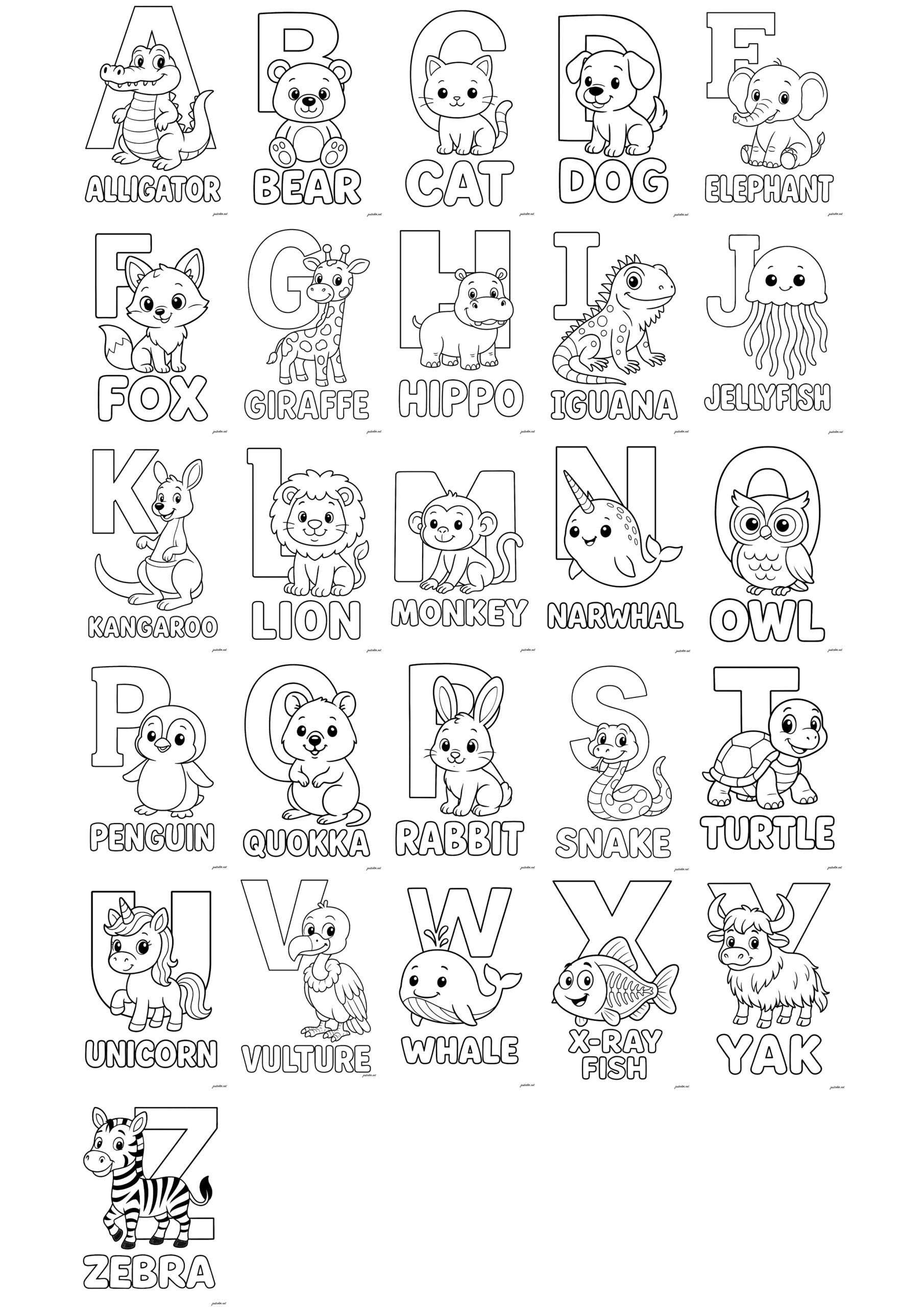
Addressing Common Challenges
While Coloring Letters A To Z is a great educational tool, some common challenges might arise:
- Difficulty with Crayons or Markers: If some children struggle to color within the lines, consider providing thicker crayons or markers. These can be easier to control for smaller hands.
- Loss of Interest: To keep engagement high, regularly change the coloring materials or introduce new techniques, like watercolors or pastels.
- Varied Skill Levels: Tailor the activity to different skill levels by providing more advanced coloring pages for older children and simpler outlines for younger ones.