
Coloring Alphabet Worksheets For Preschoolers are an essential tool for early childhood education. These worksheets not only entertain but also aid in developing fine motor skills, letter recognition, and creativity. With a typical format of 8.5 x 11 inches, these worksheets are designed to be easily printed and utilized in various settings, from classrooms to home learning environments.
Importance of Coloring in Early Education
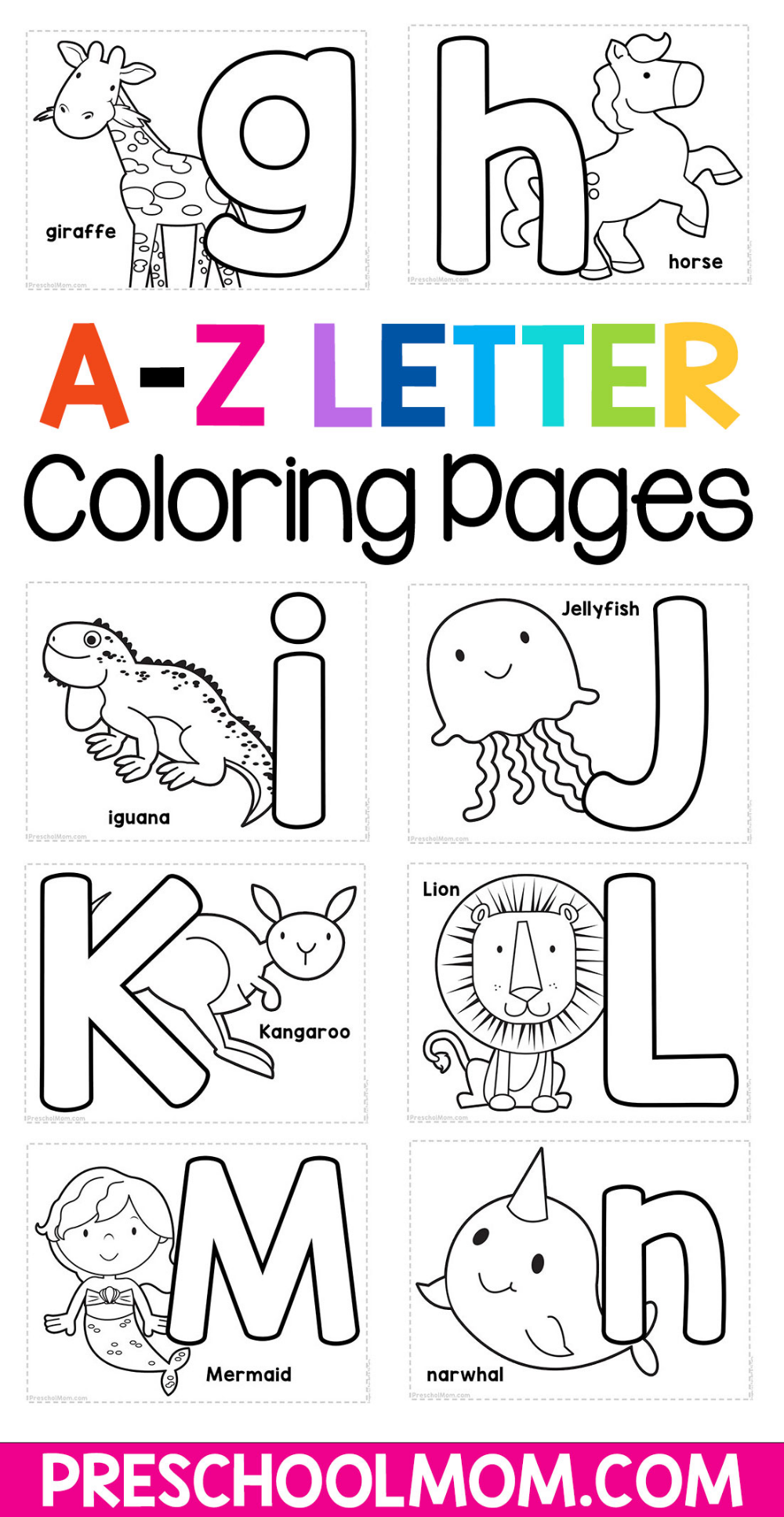
Coloring activities play a significant role in the cognitive and motor skill development of preschoolers. Engaging in coloring helps children enhance their hand-eye coordination, as they learn to control their movements while staying within the lines. Moreover, these activities foster creativity, allowing children to express themselves while learning about colors and shapes. Incorporating Coloring Alphabet Worksheets into your teaching routine can significantly boost engagement and retention of information.
Key Features of Coloring Alphabet Worksheets
When selecting Coloring Alphabet Worksheets For Preschoolers, it’s vital to recognize the specific features that make them effective. Here are some key elements to look for:
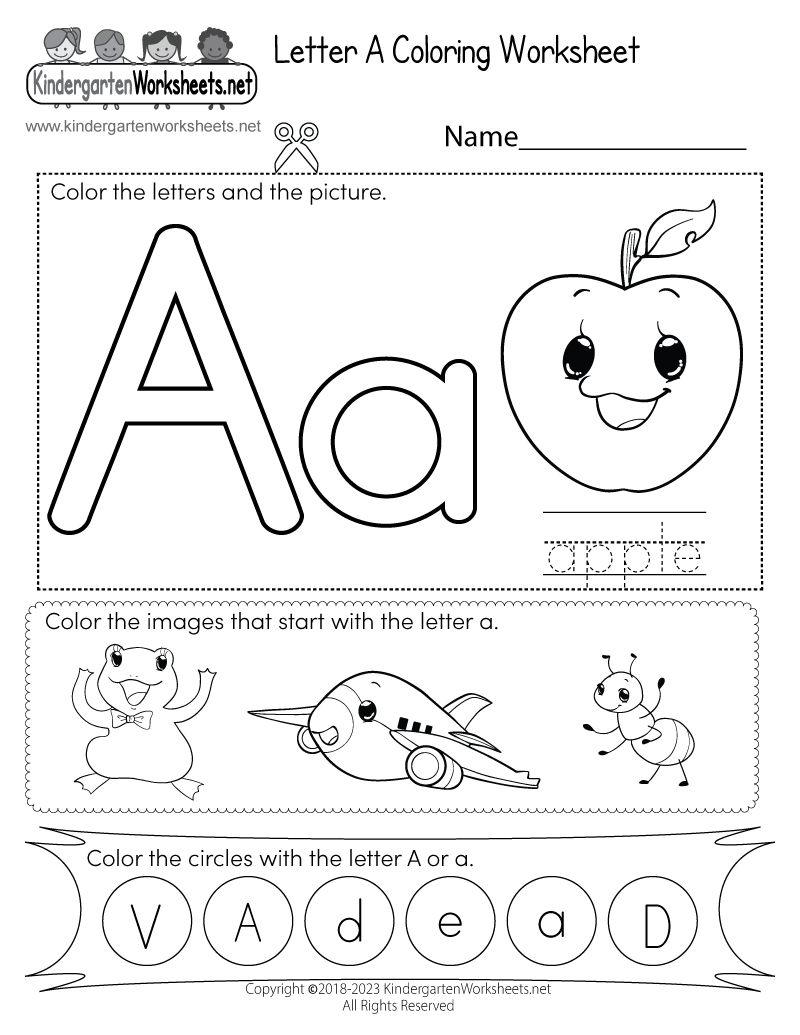
- Clear Letter Display: Each worksheet should prominently feature an uppercase and lowercase letter, giving students a clear visual reference.
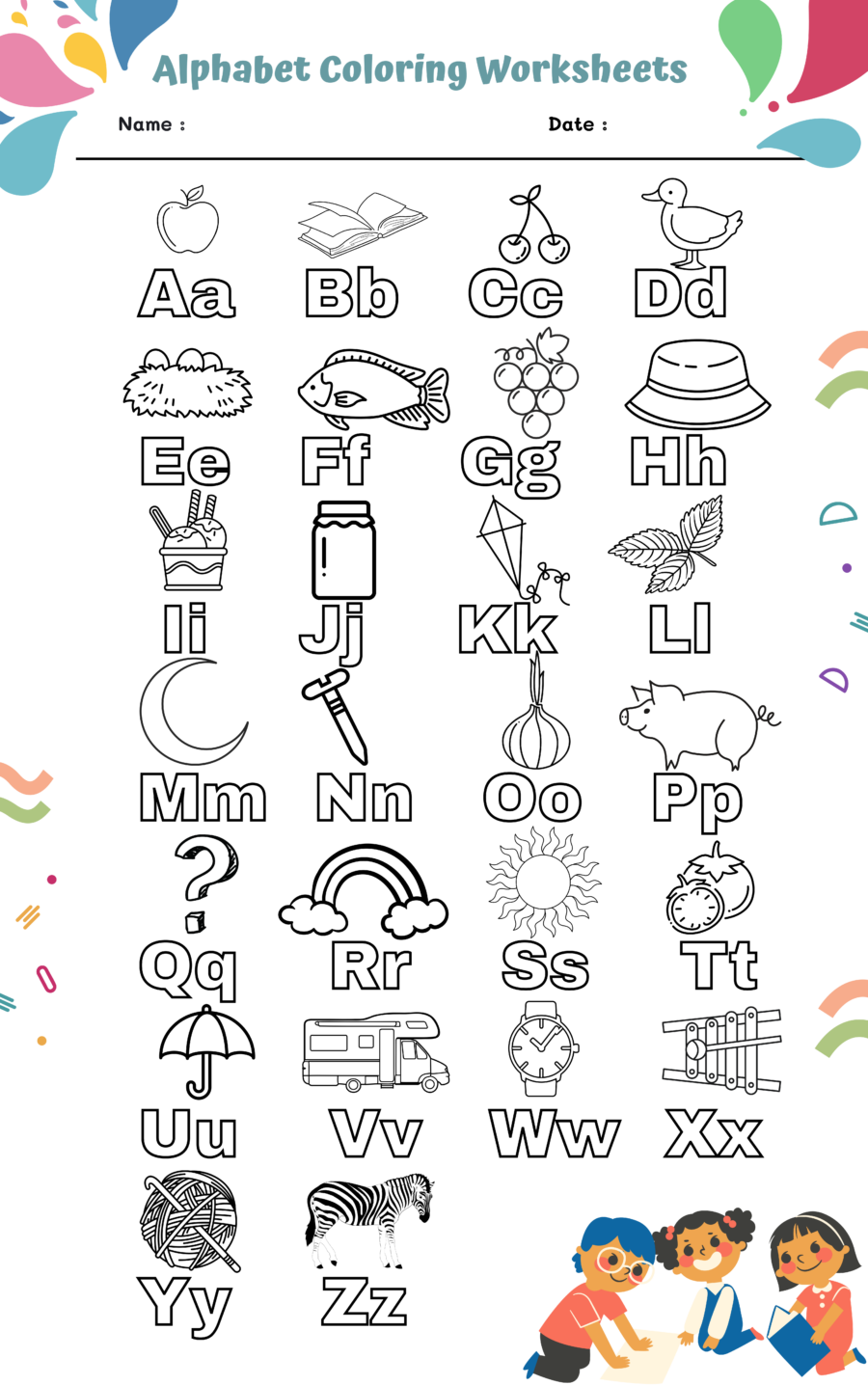
- Illustrations: Accompanying images related to each letter can help reinforce what children are learning. For instance, an ‘A’ might be paired with an apple, making the connection more memorable.
- Variety: Worksheets that offer different activities, such as tracing, coloring, and matching, keep children engaged and cater to various learning styles.
Creating a Weekly Plan With Coloring Worksheets
To maximize the benefits of Coloring Alphabet Worksheets, consider integrating them into a structured weekly plan. Spacing out practice helps reinforce learning and prevents children from feeling overwhelmed. Here’s an example of a weekly plan:
- Day 1: Introduce the letter of the week. Use the worksheet to color the letter and related images.
- Day 2: Focus on tracing the letter. Provide worksheets that allow children to trace both uppercase and lowercase forms.
- Day 3: Review the previous day’s tracing with a new worksheet that includes a fun coloring activity.
- Day 4: Engage in a matching game where children match letters to corresponding images.
- Day 5: Create a mini-project where kids can showcase their colored letters and images on a bulletin board or in a scrapbook.
This spaced repetition helps solidify their understanding of the alphabet while keeping the activities fresh and exciting.
Tips for Printing and Using Coloring Worksheets
To get the most out of your Coloring Alphabet Worksheets, consider the following practical tips:
- Paper Type: Using thicker paper or cardstock can help withstand repeated coloring and prevent tearing. If you plan to use markers, this is especially important.
- Print Settings: Ensure your printer is set to the best quality for vibrant colors. Adjust the paper settings to match the type you’re using for the best results.
- Laminating: For durability, especially if these worksheets will be reused, consider laminating them. This allows for dry-erase markers to be used, making them reusable for multiple students.
Engaging Activities Beyond Coloring
While coloring is a primary focus, integrating additional activities can enhance learning. Here are some suggestions:
- Storytime: Read a story that emphasizes the letter of the week. For example, if the letter is ‘B’, a story about a bear can complement the worksheets.
- Songs and Rhymes: Incorporating songs that emphasize letters can help reinforce learning through auditory means. Look for simple alphabet songs that emphasize the sounds and shapes of the letters.
- Hands-On Activities: Use playdough to form letters or create a letter scavenger hunt around the classroom or home. These activities encourage kinesthetic learning, appealing to children who learn best through movement.
Tracking Progress With Worksheets
Tracking progress is essential for understanding how well students are grasping the material. Here are some effective ways to monitor their development:
- Weekly Reviews: Set aside time each week to review the completed worksheets. Discuss with students what they learned and which letters they found challenging.
- Portfolio Creation: Create a portfolio for each child where you can store their completed worksheets. This allows for easy reference to track improvement over time.
- Feedback: Provide constructive feedback on their coloring and tracing. Encourage them to talk about their favorite letters and images, fostering a deeper connection to their learning.