
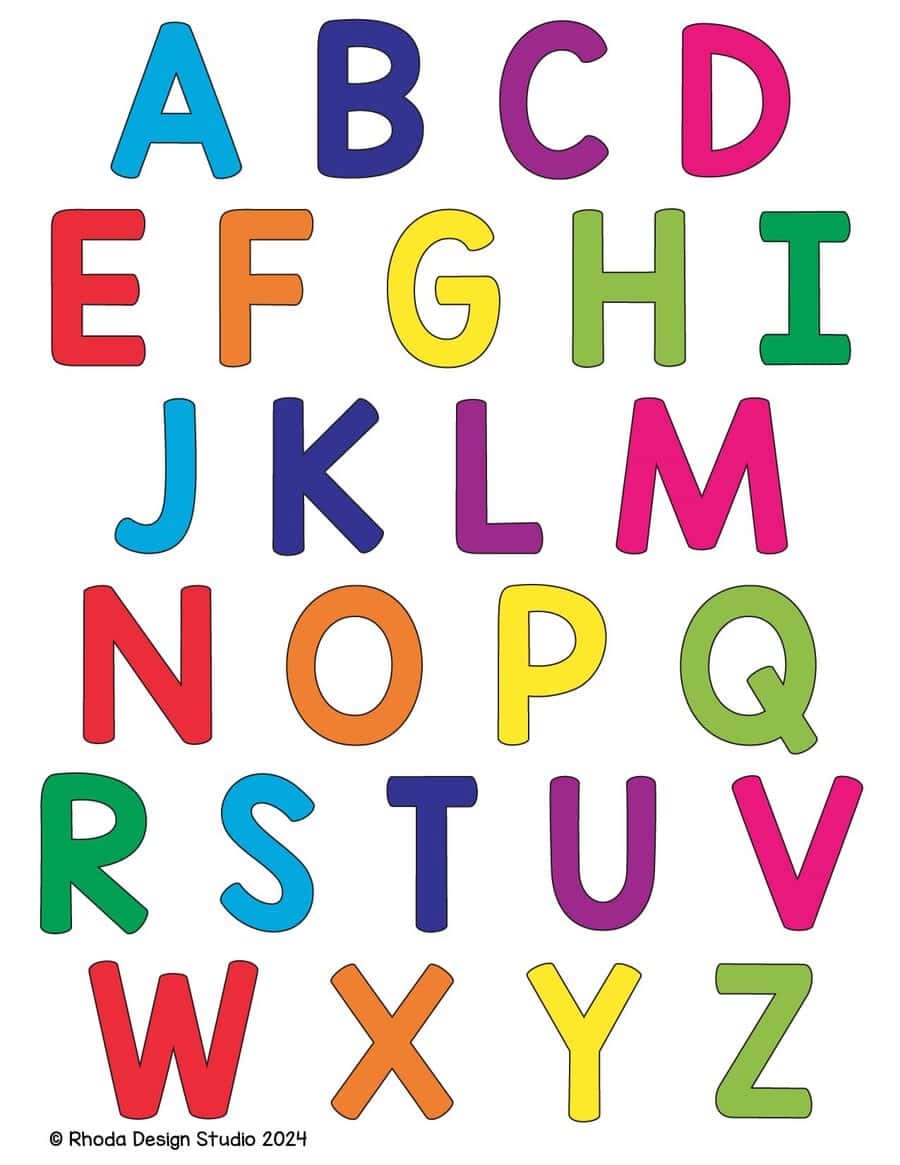
Colorful Printable Letters Of The Alphabet can be a useful option in your classroom or home learning environment. Teaching children their letters is a fundamental skill, and having vibrant, visually appealing resources can make this process enjoyable and effective. These printable letters not only capture attention but also provide a hands-on approach to learning.
Choosing the Right Printable Letters
When selecting colorful printable letters, consider the age group and learning objectives of your students. For preschoolers and kindergarteners, look for letters with bold colors and simple designs. These features help young learners focus on letter recognition without becoming overwhelmed.
You might want to choose a full alphabet set that includes both uppercase and lowercase letters. This allows for teaching letter pairs and differentiating between letter forms. Additionally, consider the font style. A sans-serif font is often easier for young children to read and recognize.
Downloading and Printing Your Resources
Once you’ve selected the ideal colorful printable letters, the next step is to download them. Ensure that the resource is in a PDF format, as this helps maintain the quality and layout when printed.
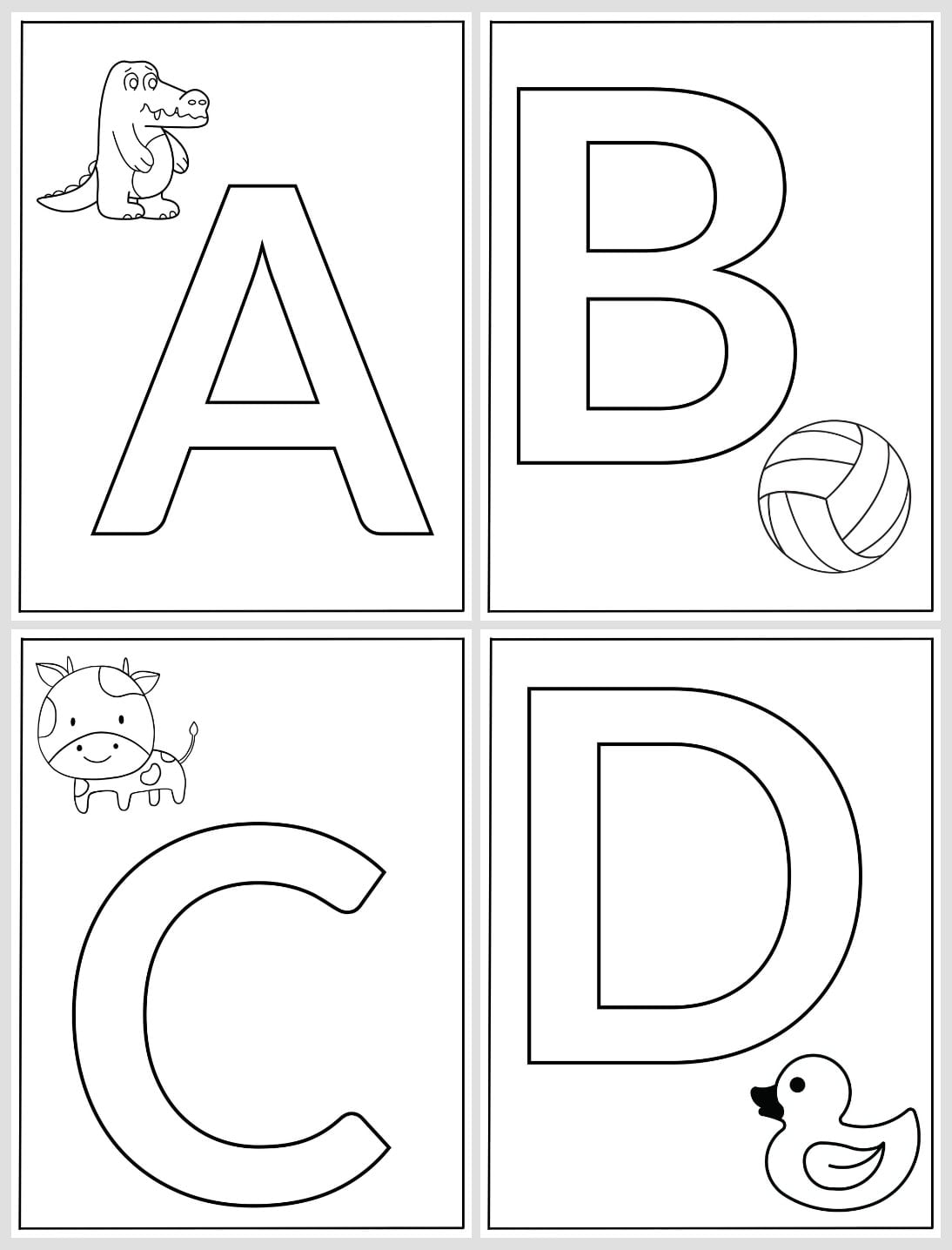
For printing, use high-quality cardstock or thick paper. Cardstock holds up better for classroom use, especially if you plan to laminate the letters for durability. Set your printer to the best quality settings, which can enhance color vibrancy. Portrait layout typically works well for letters, but check your printer settings to ensure everything aligns correctly.
Recommended Paper Sizes
- 8.5 x 11 inches: Standard letter size for easy printing.
- A4 (8.27 x 11.69 inches): Common in many countries, useful for international resources.
Setting Up Your Learning Space
Once printed, it’s time to set up your learning space. Organize the letters in a way that encourages interaction. You can create a letter wall where children can see and touch the letters. Alternatively, use them in a sensory bin filled with materials like rice or beans. This approach allows for tactile learning, which is especially beneficial for kinesthetic learners.
You could also consider displaying the letters in a way that promotes engagement. For example, hang them on a clothesline with clothespins or attach them to a bulletin board with colorful borders. This not only beautifies the space but also makes learning more inviting.
Utilizing the Letters in Activities
Now that you have your colorful printable letters set up, think about integrating them into various activities. Here are a few practical uses:
- Alphabet Games: Use the letters for matching games where children pair uppercase and lowercase letters or match letters to objects that start with those letters.
- Letter Recognition: Create flashcards for each letter. Hold up a letter and ask children to shout out its name or sound. This can be turned into a fun competition.
- Spelling Practice: Encourage children to spell simple words using the letters. This activity helps them connect sounds with letter shapes and enhances their phonemic awareness.
Assessing Progress
As you incorporate colorful printable letters into your lessons, it’s important to assess how well your students are grasping the material. Look for signs of mastery, such as:
- Fluency in recognizing letters: Children should be able to identify and name letters quickly.
- Ability to write letters: Monitor their handwriting to ensure they can replicate letter shapes correctly.
- Sound association: Check if they can associate letters with their corresponding sounds effectively.
If you notice that some children are struggling, consider additional practice or different activities that might resonate better with their learning style.
Instant Tips for Effective Use
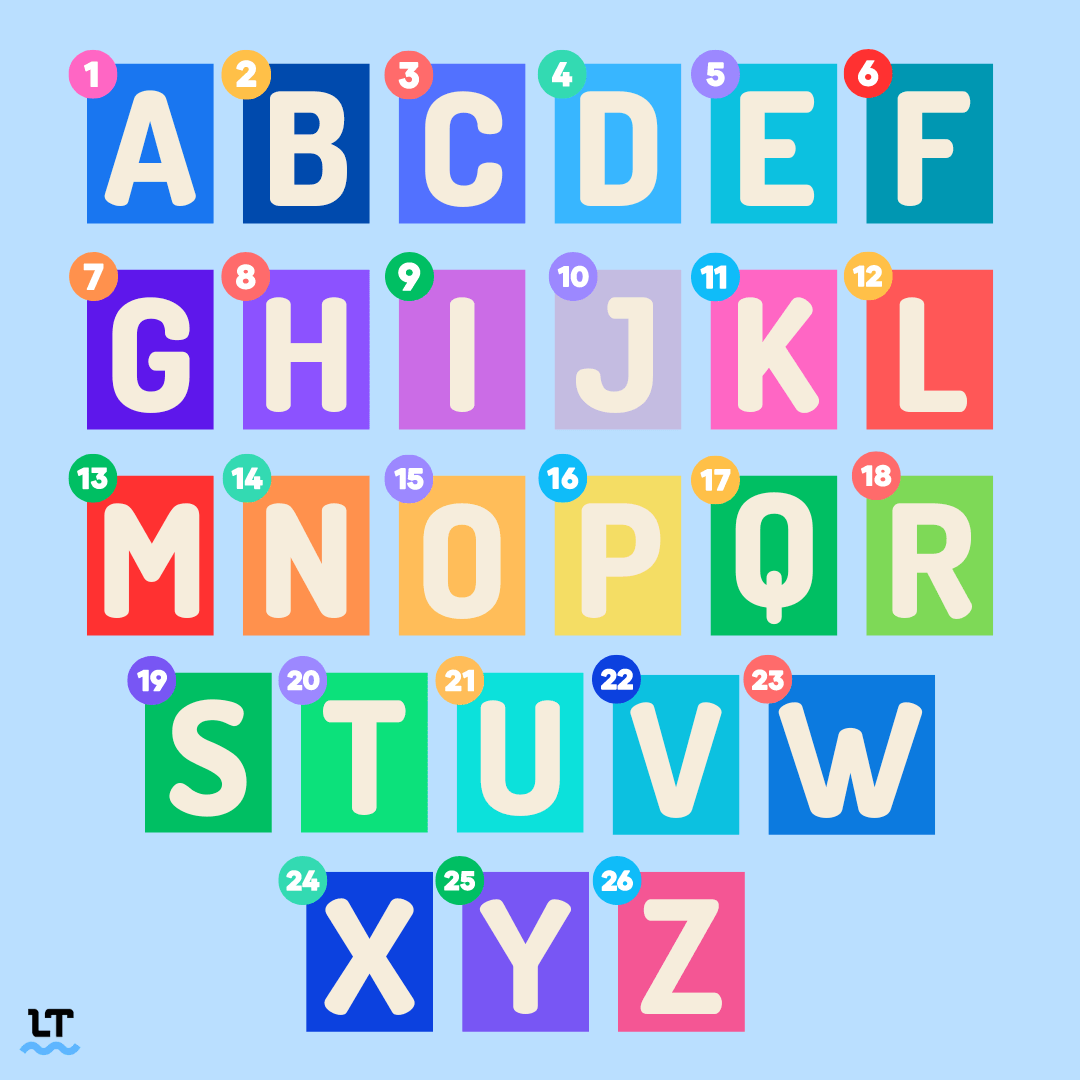
To make the most out of your colorful printable letters, here’s a specific tip: Rotate the letters frequently. Changing the letters on display or the activities you do with them keeps children engaged and reinforces their learning.
Make sure to have fun with these resources! The more enthusiastic and creative you are in presenting the letters, the more likely your students will be excited to learn. Integrate music, movement, and games into your lessons to create a dynamic learning environment.
By following these steps, you will not only provide your students with colorful printable letters but also foster a deeper understanding and appreciation for the alphabet.