
Using a Color Sheet For Letter A can significantly enhance early literacy skills in children. This resource helps children recognize the letter A, its sound, and its shape while encouraging creativity through coloring. Whether you’re a teacher looking for classroom activities or a parent seeking engaging home resources, this color sheet can be a valuable tool in your educational toolkit.
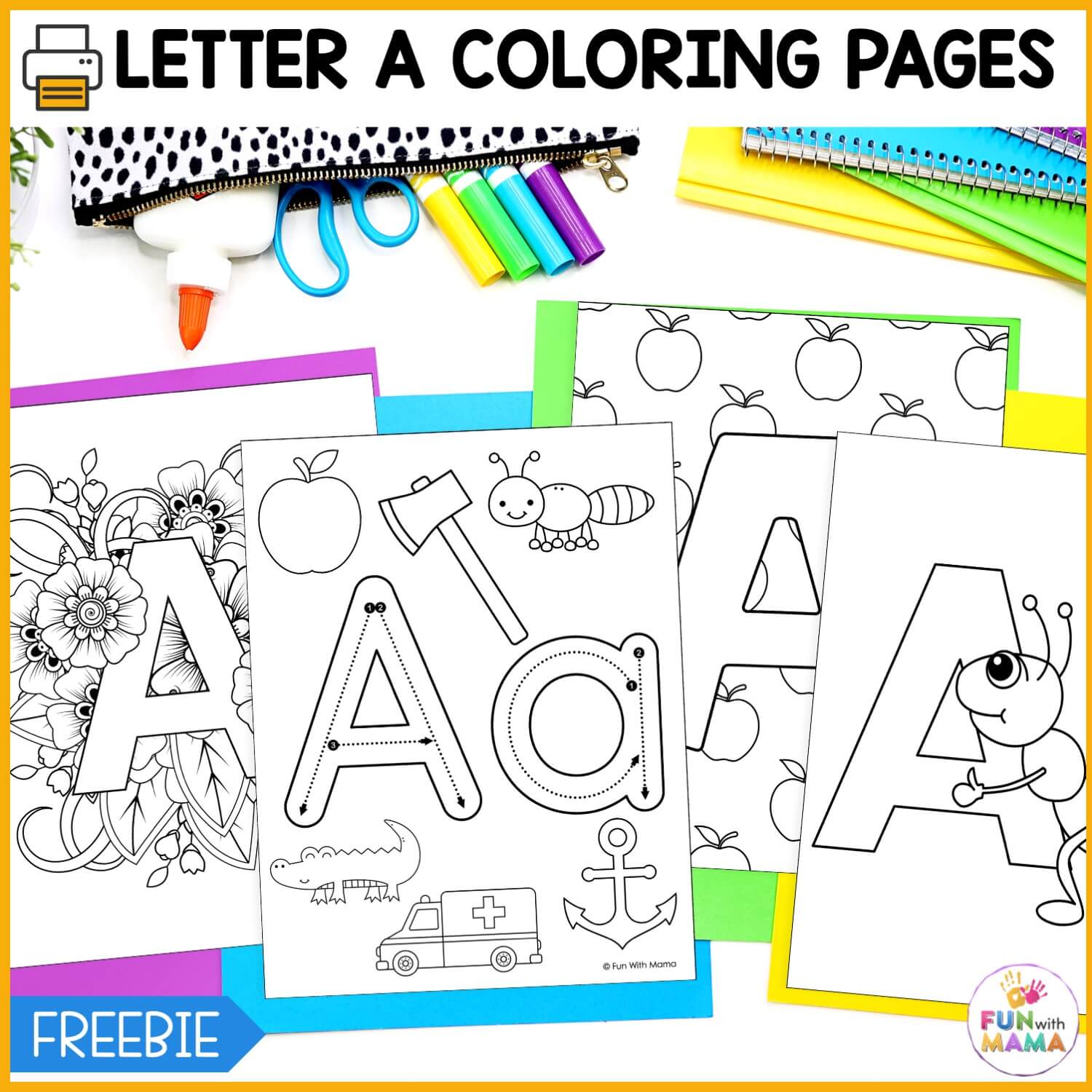
Understanding the Color Sheet For Letter A
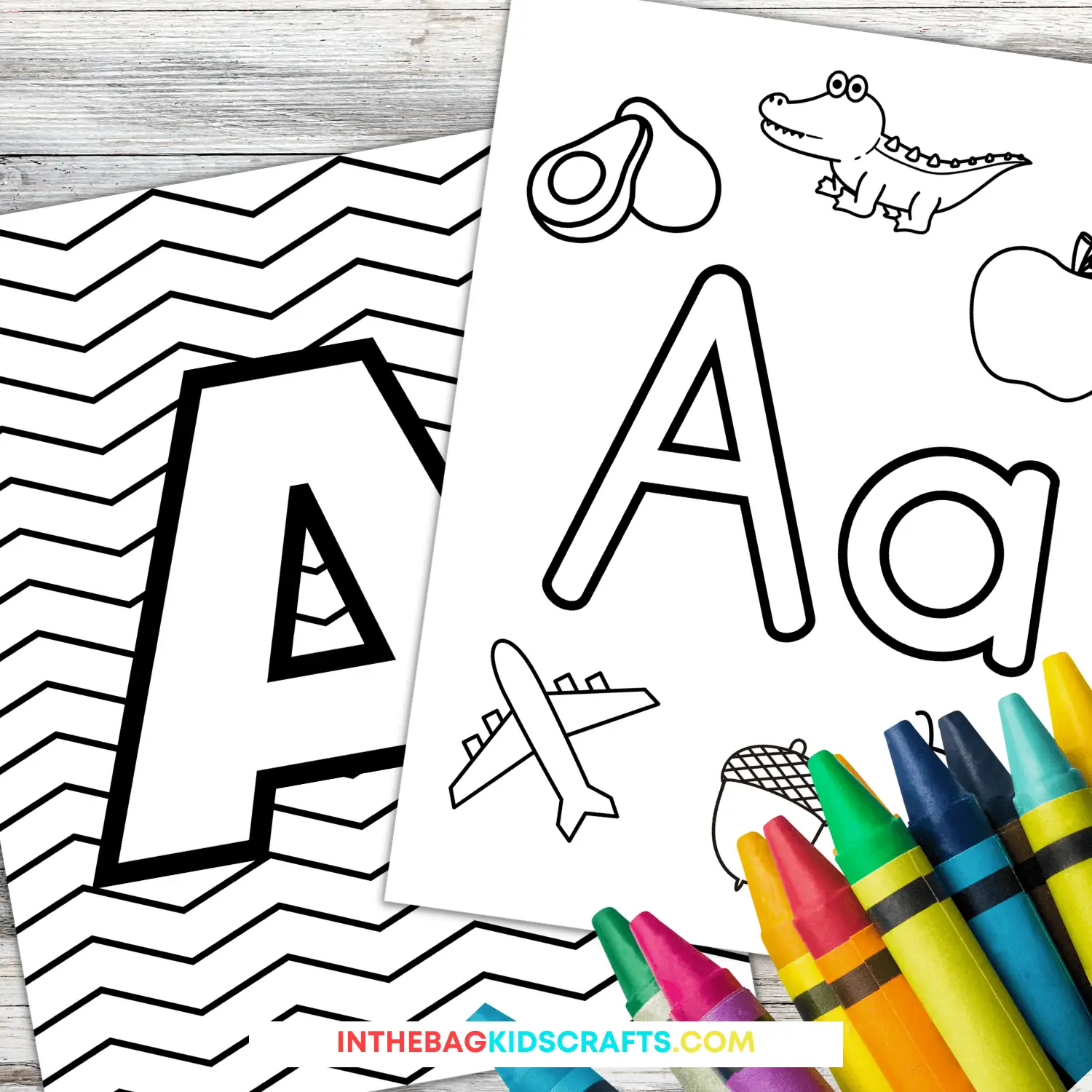
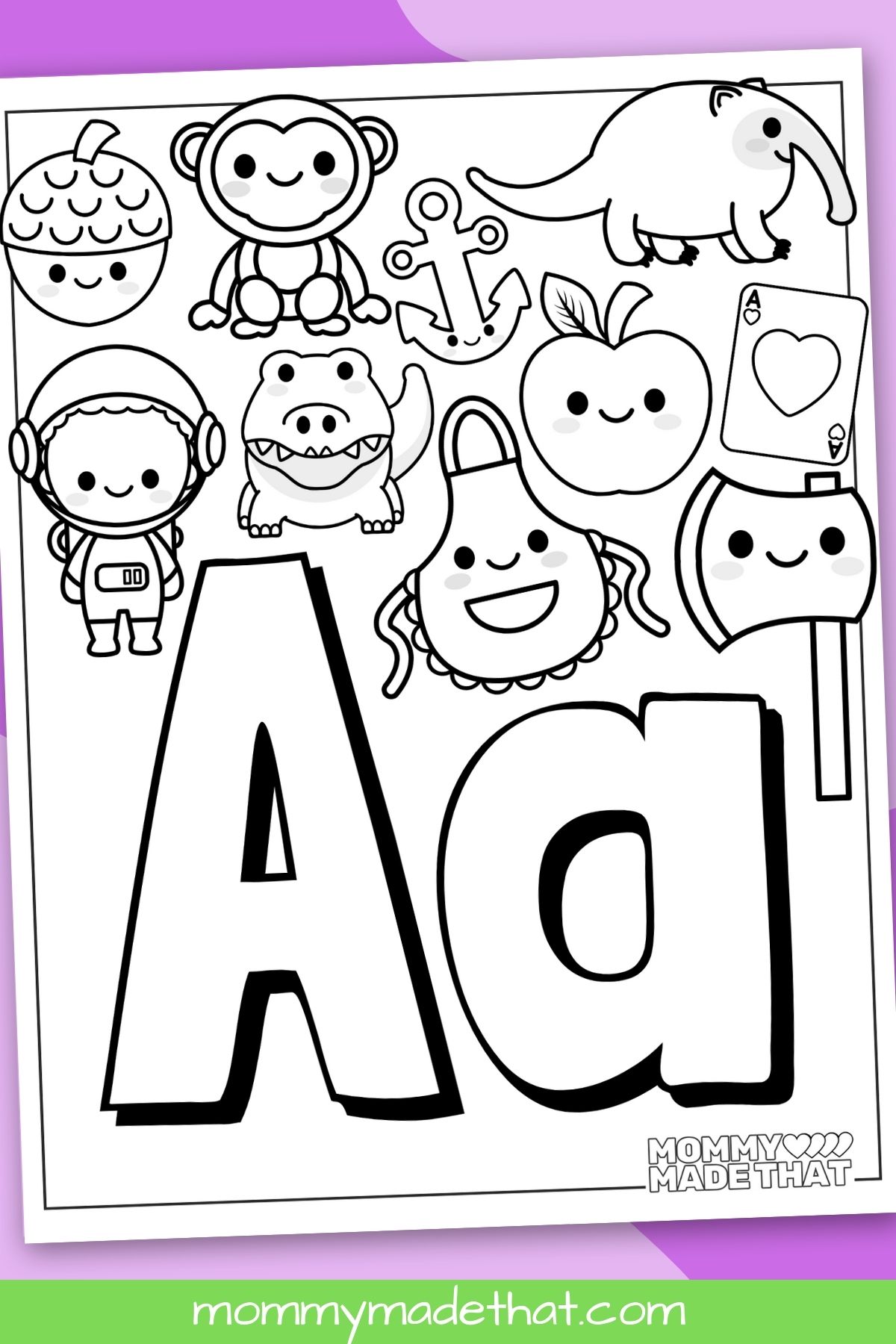
A Color Sheet For Letter A typically features the letter A in a large, bold font, often accompanied by images of objects starting with A, such as an apple or an alligator. This visual aid not only helps children with letter recognition but also introduces them to vocabulary associated with that letter.
When children color the letter and associated images, they engage in a multi-sensory learning experience. This approach reinforces their understanding of the letter A and its sound while also developing fine motor skills through the act of coloring.
How to Use the Color Sheet For Letter A in the Classroom
Implementing the Color Sheet For Letter A in your classroom can be straightforward. Here’s a step-by-step guide:
- Choose the Right Time: Decide when to introduce the color sheet during your lesson. A good time might be after introducing the letter A verbally or during a dedicated art or literacy session.
- Download and Print: Once you have selected a suitable color sheet, download it from a trusted resource. Ensure you print it on standard A4 or letter-sized paper for easy handling by young learners. Using a high-quality printer can enhance the clarity of the images.
- Introduce the Letter: Before handing out the sheets, take a moment to review the letter A with the students. Discuss its sound and show them examples of words that begin with A. This step is crucial for reinforcing their understanding.
- Coloring Session: Distribute the color sheets and provide crayons, colored pencils, or markers. Encourage students to color the letter A and the associated images. As they color, walk around the classroom to observe their progress and offer assistance where needed.
- Discussion and Sharing: After the coloring session, invite students to share their work. They can explain what they colored and name objects that start with A. This promotes verbal skills and reinforces their learning.
Incorporating Multiple Learning Styles
Using the Color Sheet For Letter A can cater to various learning styles. Here are some ways to customize the activity:
- Visual Learners: For children who learn best through visual means, emphasize the colors and shapes. Discuss how the letter A looks in different fonts and contexts.
- Kinesthetic Learners: Incorporate movement by having students form the letter A with their bodies or using clay to mold the letter. This adds a physical element to the learning process.
- Auditory Learners: Play songs or rhymes that emphasize the letter A. Encourage students to sing along while they color, which can make the activity more engaging and memorable.
Tips for Effective Use
To get the most out of the Color Sheet For Letter A, consider the following tips:
- Use Cardstock: If you plan to laminate the color sheets for repeated use, print them on cardstock. This material is thicker and more durable, allowing for long-term use in the classroom.
- Encourage Creativity: Allow children to use colors beyond traditional expectations. For instance, let them color the apple blue or the alligator pink. This encourages creativity and makes the activity more enjoyable.
- Combine with Other Activities: Pair the coloring activity with a storytelling session that includes words starting with A. This integration can help solidify their understanding of the letter in a fun, engaging way.
Assessing Progress
Monitoring children’s progress when using the Color Sheet For Letter A can be part of your teaching approach. Here’s how you can track their development:
- Observe Participation: Take note of how actively each child participates during the coloring session. Are they engaged in the activity? Do they show interest in discussing the letter A?
- Check for Understanding: After the activity, assess whether children can identify the letter A in different contexts. You can do this through informal questioning or by using flashcards.
- Create a Portfolio: Collect completed color sheets over time to create a portfolio for each child. This can help you visualize their progress in letter recognition and fine motor skills.