
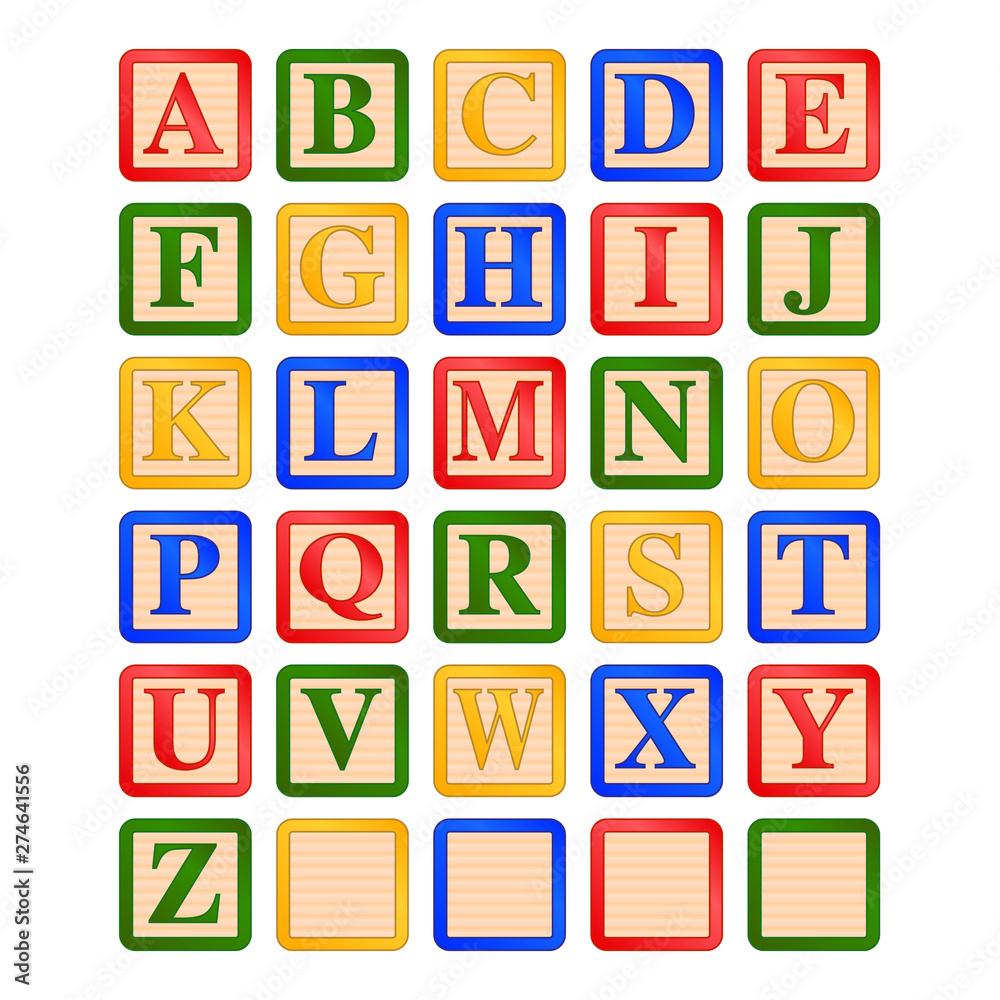
When it comes to teaching children the alphabet, nothing sparks their imagination quite like colorful and engaging resources. Childrens Alphabet Blocks To Print are versatile tools that can help make learning letters fun and interactive. These blocks can be printed at home and used in various activities, allowing for hands-on learning that keeps young minds engaged. Here’s a practical guide to using these resources effectively in your home or homeschool setting.
Choosing the Right Alphabet Blocks
Before you start, it’s essential to select the right printable alphabet blocks. You’ll want to look for designs that are visually appealing and age-appropriate. Most printable alphabet blocks come in various styles and themes, from classic block designs to vibrant and playful illustrations.
When choosing, consider the following:
- Age Appropriateness: Look for designs suitable for preschool or early elementary students. Bright colors and simple fonts work best for younger children.
- Design Elements: Some blocks may include pictures associated with letters (like “A” for apple), which can enhance vocabulary learning.
- Print Quality: High-resolution files will ensure that your printed blocks look sharp and clear.
Downloading and Printing Your Blocks
Once you’ve selected the perfect design, it’s time to download your Childrens Alphabet Blocks To Print. Most resources are available in PDF format, which is ideal for printing. Here’s how to get started:
- Download the File: Click on the download link and save the PDF to your computer. Make sure to check for any specific instructions related to the file.
- Select Your Printer Settings: It’s generally best to print in portrait orientation. If you have the option, use cardstock for durability, especially if the blocks will be handled by young children.
- Print a Test Page: Before printing all blocks, do a test print to ensure the colors and layout appear as expected. Adjust settings if necessary.
Setting Up the Blocks for Use
After printing, you’ll want to prepare the blocks for use. Here are some steps to get them ready:
- Cutting the Blocks: Use scissors or a paper cutter to carefully cut out each block. For added durability, consider laminating them after cutting.
- Creating a Storage Solution: Store the blocks in a small box or pouch to keep them organized and easily accessible. This can also help prevent loss and damage.
- Designing Activity Stations: Set up different areas in your home where children can use the blocks for various activities, such as spelling games, letter recognition, or creative building.
Engaging Activities With Alphabet Blocks
Now that you have your blocks ready, it’s time to incorporate them into your daily routine. Here are some fun and educational activities you can try:
Alphabet Recognition Games
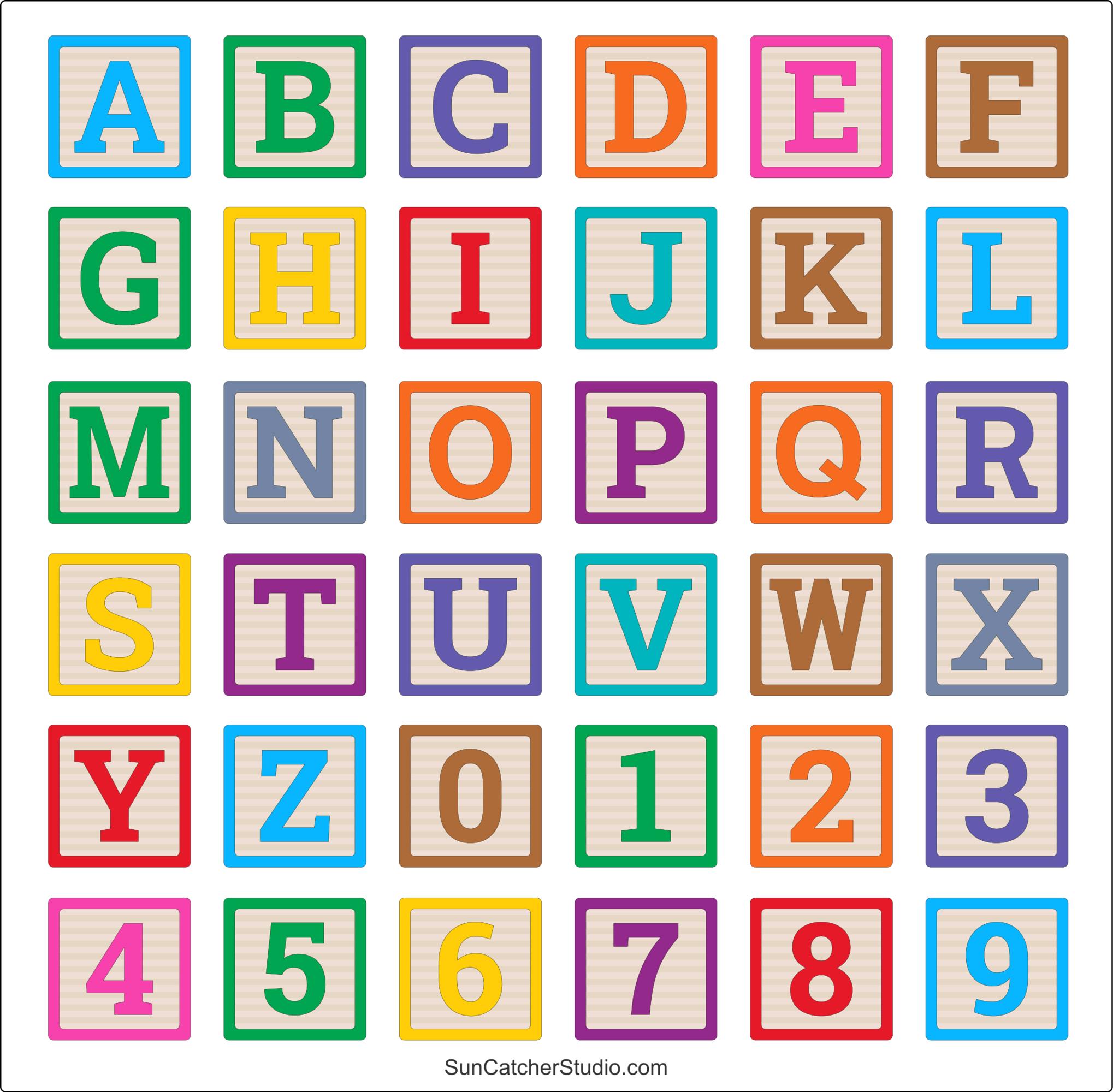
Use the blocks to help children recognize letters. You can ask them to find specific letters or spell their names using the blocks. This is not only fun but also reinforces their understanding of the alphabet.
Spelling Practice
As children progress, you can introduce simple spelling exercises. Start with short words that can be formed using the blocks. This hands-on approach makes learning to spell a more tactile experience, which is beneficial for many learners.
Creative Building
Encourage creativity by allowing children to build structures or designs with the blocks. They can create towers, patterns, or even scenes. This activity supports fine motor skills while making learning enjoyable.
Story Time Integration
Incorporate the blocks into storytime by allowing children to build scenes from their favorite books or create their own stories with the blocks as characters. This fosters imagination and narrative skills.
Tips for Maximizing Learning With Alphabet Blocks
To make the most out of your Childrens Alphabet Blocks To Print, consider these practical tips:
- Incorporate Songs: Use songs that teach the alphabet, allowing children to sing along while playing with the blocks. This auditory element can enhance memory retention.
- Use in Daily Life: Integrate the blocks into everyday activities, such as identifying letters on cereal boxes or signs during outings.
- Pair with Other Resources: Combine the blocks with other learning materials, like flashcards or coloring sheets featuring letters, to reinforce learning.
Adapting for Different Learning Styles
Every child learns differently, and your use of alphabet blocks can be adjusted to meet various learning styles:
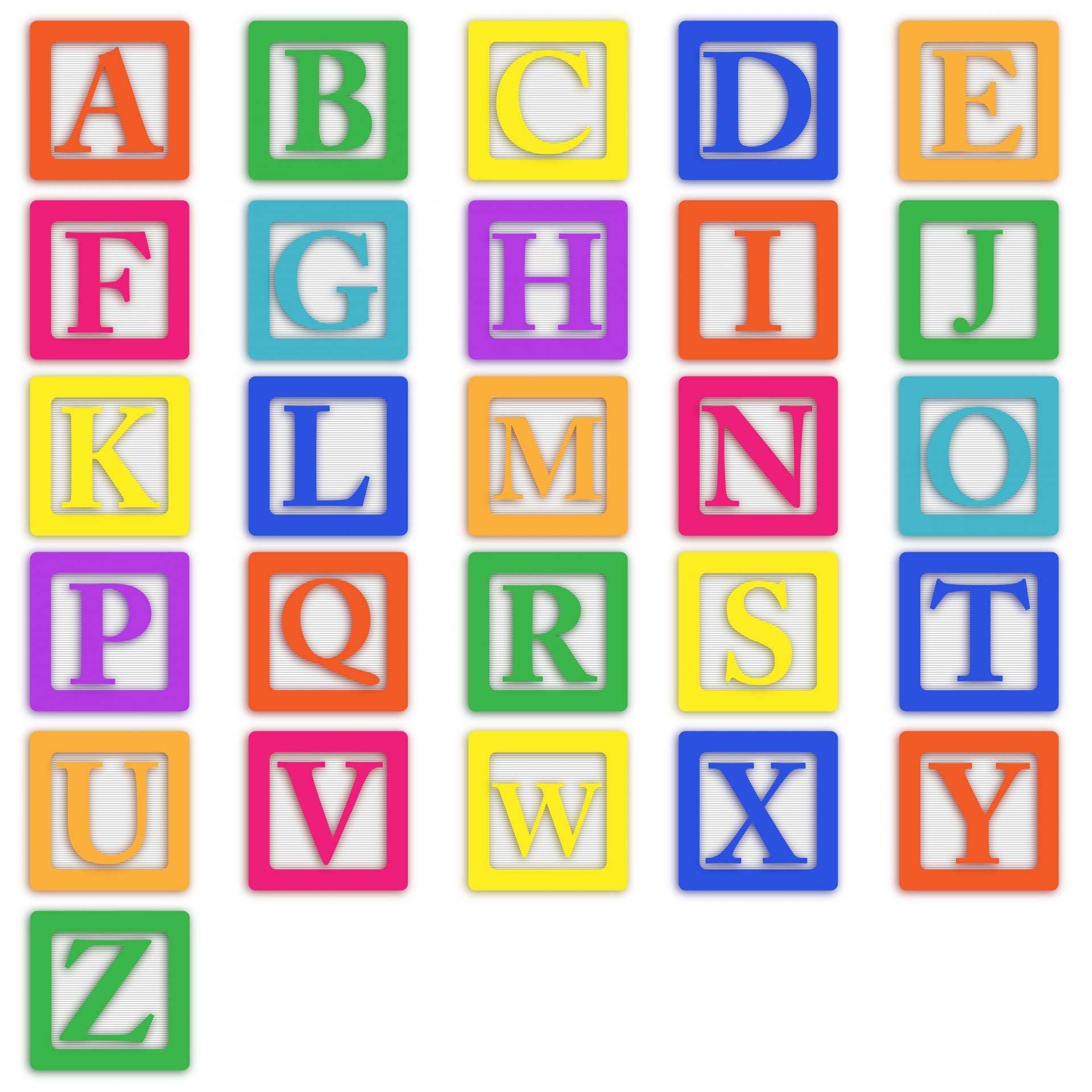
- Visual Learners: Emphasize colorful designs and pictures on the blocks to capture their attention.
- Kinesthetic Learners: Allow these children to manipulate the blocks physically, building and arranging them in various ways.
- Auditory Learners: Pair block activities with songs or rhymes to engage these learners through sound.
By adapting your approach, you can ensure that every child benefits from the learning experience.
Using Childrens Alphabet Blocks To Print can transform your teaching approach, making letter recognition fun and interactive. With a little creativity and organization, these blocks can become a staple in your home or homeschool learning environment. As you explore these activities, remember that the most important element is fostering a love for learning in your children.