
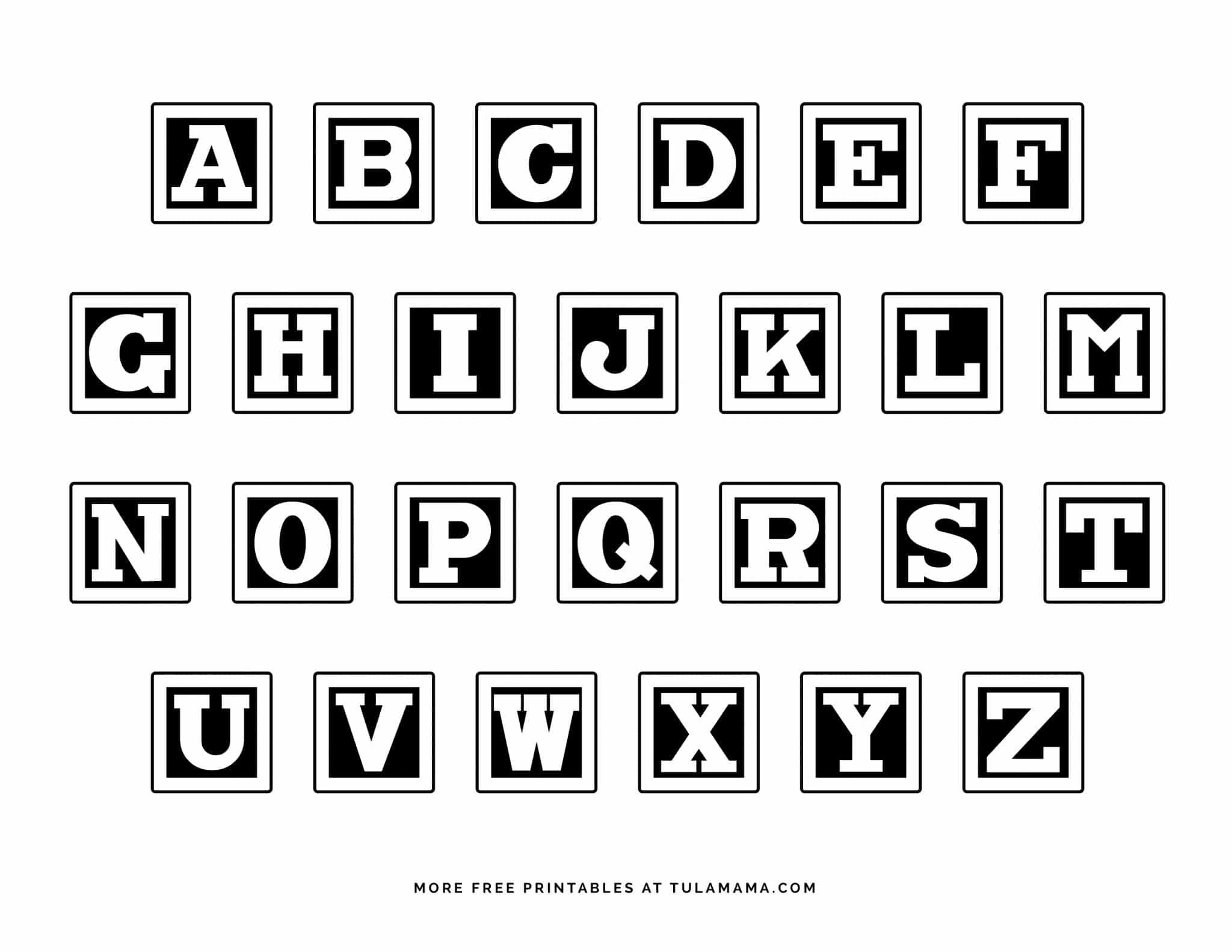
Block letters to print and color provide an excellent resource for teachers looking to enhance their students’ learning experiences. These templates can serve multiple purposes, from reinforcing letter recognition to encouraging creativity through coloring. Using block letters in the classroom or at home not only supports literacy development but also allows children to practice fine motor skills.
Understanding Block Letters
Block letters are simple, uppercase letters that are easy for young learners to recognize and reproduce. They are essential in early education, especially in teaching children how to write and read. The clarity of block letters makes them ideal for various activities, including tracing, coloring, and creating personalized projects. These letters can be used across different grade levels, especially in kindergarten and early elementary grades.
When you provide kids with printable block letters, they can engage in numerous activities that promote literacy and creativity. You can use these resources in a classroom setting, during homeschooling, or even for fun at home.
Benefits of Using Printable Block Letters
Using printable block letters to print and color has several advantages:
- Enhanced Literacy Skills: Coloring and tracing letters help children recognize letters and their sounds, which is crucial for reading development.
- Fine Motor Skill Development: The act of coloring helps develop hand-eye coordination and fine motor skills, which are vital for writing.
- Creativity and Expression: Coloring allows children to express themselves artistically. They can choose colors and designs, making the learning process enjoyable.
- Customizable Learning: Teachers can create personalized worksheets or activities tailored to their students’ needs, making education more relevant and engaging.
- Repetition and Reinforcement: Using block letters repeatedly through different activities reinforces learning and helps solidify understanding.
How to Use Block Letters in the Classroom
Incorporating block letters into your teaching can be both fun and educational. Here are some practical ways to utilize these resources effectively:
1. Tracing Activities
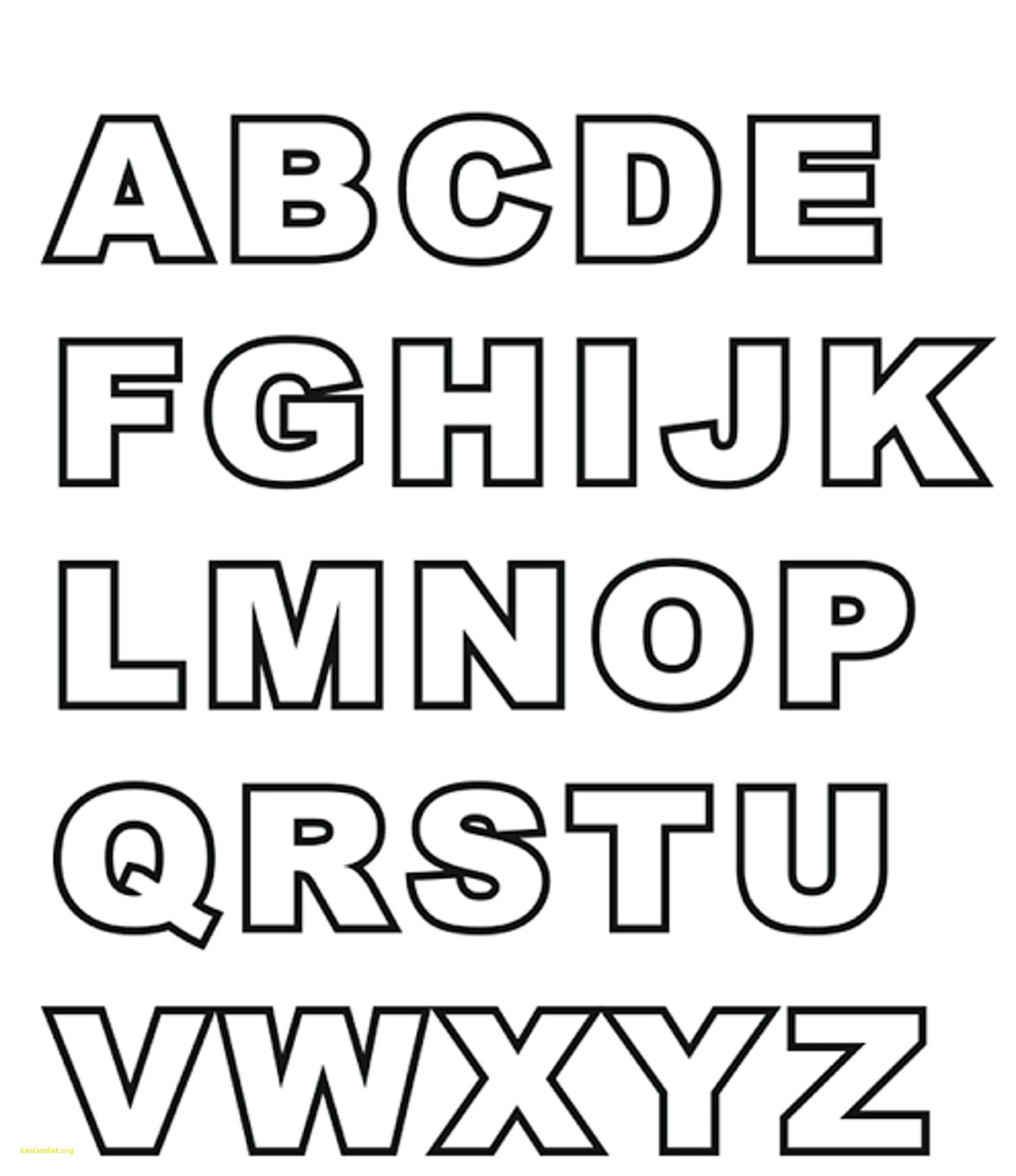
Start by providing students with block letter templates to trace. This activity helps them learn the shapes of letters while practicing their writing skills. You can create a weekly plan where students trace a few letters each day, gradually increasing the difficulty by introducing new letters or words.
2. Coloring Assignments
Once students are familiar with the letters, you can shift to coloring activities. Print out colorful block letter templates and ask students to color them in. This not only reinforces letter recognition but also allows for creative expression. You could even integrate themes, such as seasonal colors or colors representing various emotions.
3. Word Formation Games
Encourage students to use block letters to form words. Provide them with printed letters and ask them to arrange them into simple words or their names. This activity helps with spelling and reinforces their understanding of letter combinations.
4. Craft Projects
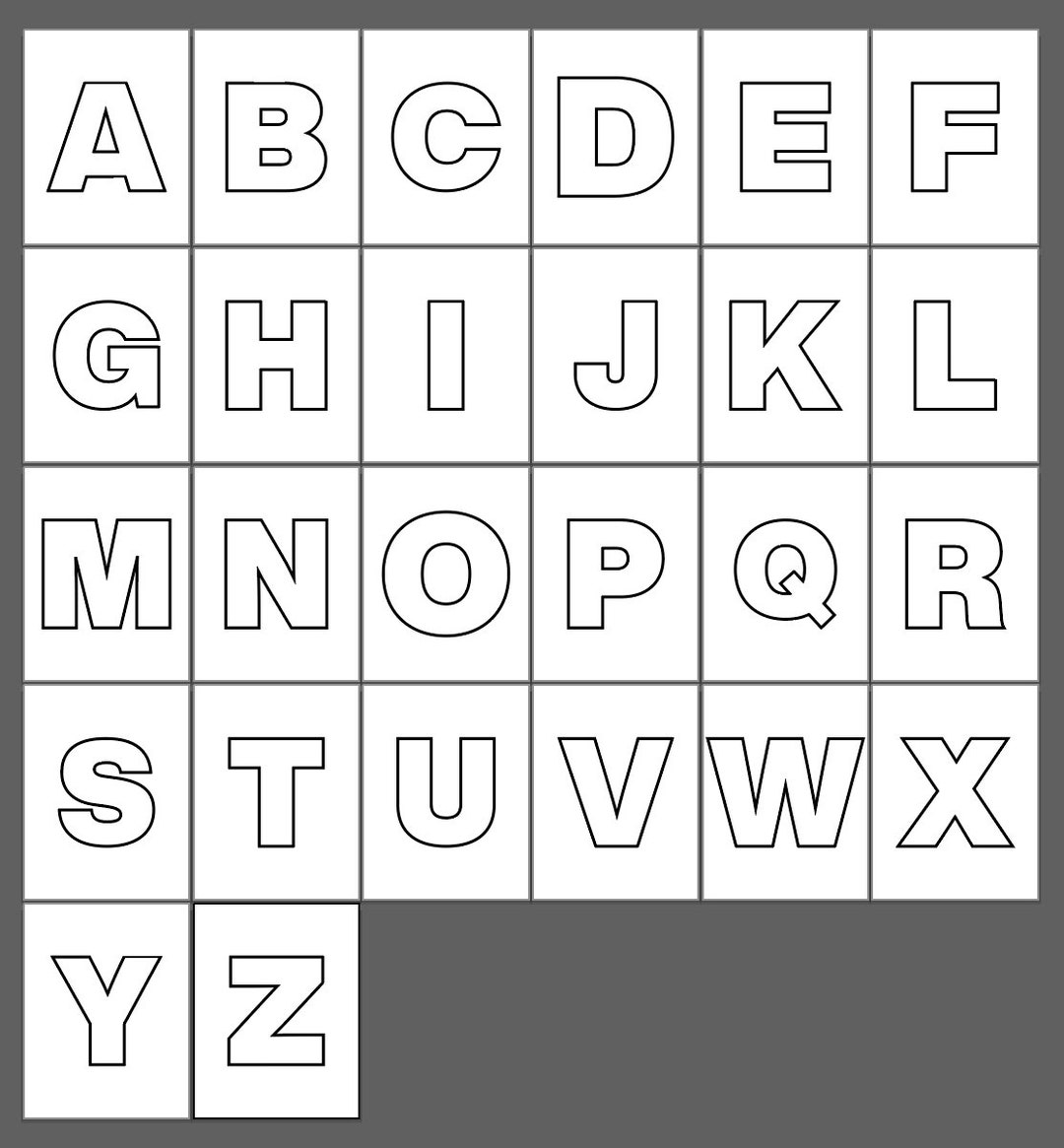
Block letters can also be used in crafting projects. Have students cut out colored block letters from the templates and use them to create posters, signs, or greeting cards. This hands-on activity enhances their creativity and allows for collaborative projects.
Where to Find Printable Block Letters
Several online resources offer free or paid printable block letters. Here are some suggestions on where to find high-quality templates:
- Educational Websites: Many educational sites provide free printable resources specifically designed for teachers. These sites often have a variety of block letter styles and sizes.
- Printable Resource Websites: Websites dedicated to printable resources usually have extensive collections of block letters, including themed or seasonal options.
- Teacher Resource Platforms: Platforms where educators share resources often include block letter templates, making it easy to find a variety of styles.
When selecting templates, consider the age and skill level of your students. Ensure the letters are large enough for young learners to color and trace comfortably.
Tips for Printing Block Letters
To get the best results when printing block letters, keep the following tips in mind:
- Paper Type: Use cardstock for durability, especially if you plan to laminate the letters for repeated use. Regular printer paper works well for one-time activities.
- Printer Settings: Adjust your printer settings to ensure the best quality. A portrait layout generally works better for most home printers.
- PDF Format: Whenever possible, download the templates in PDF format. This format minimizes reformatting issues and ensures that the letters print at the correct size.
- Color Settings: If you’re printing in color, make sure to select high-quality color settings to ensure vibrant letters that are appealing to children.
Organizing Activities With Block Letters
To maximize the effectiveness of block letter activities, consider organizing them into a weekly plan. For example:
- Monday: Introduce two new block letters; practice tracing.
- Tuesday: Color the letters and discuss their sounds.
- Wednesday: Word formation using the letters learned.
- Thursday: Craft project using block letters.
- Friday: Review through a fun quiz or game involving the letters.
This structured approach not only builds familiarity but also allows for repetition, which is crucial for mastery.