
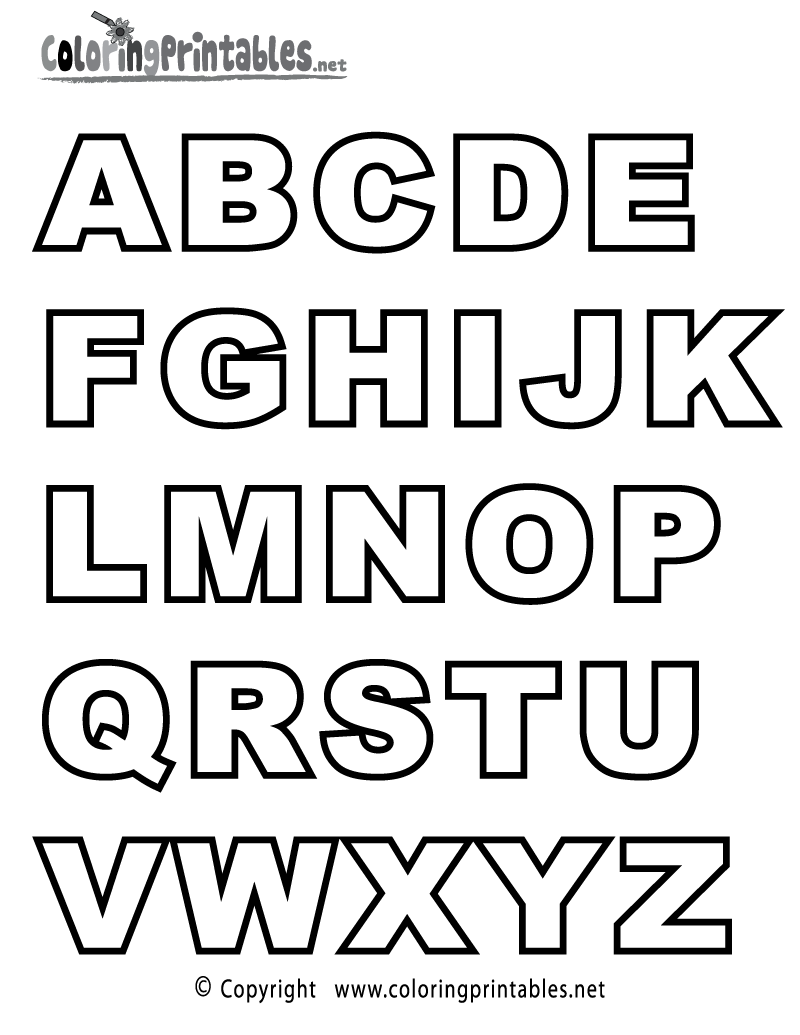
Engaging your students in creative activities is a fantastic way to enhance their learning experience. A popular resource that stands out is the Blank Alphabet Letters To Color. These templates are designed specifically for young learners, offering a fun and interactive way to reinforce letter recognition and fine motor skills. Available in various sizes and formats, these printable alphabet letters can be easily downloaded and printed for immediate classroom or homeschooling use.
Why Use Blank Alphabet Letters To Color?
Blank Alphabet Letters To Color serve multiple educational purposes. Firstly, they are excellent for helping children recognize and differentiate letters. As they color each letter, they visually and physically engage with the shapes and forms of the alphabet. This kinesthetic approach can significantly enhance their ability to remember and identify letters in both uppercase and lowercase forms.
Furthermore, these resources are versatile. You can use them for various age groups, typically suited for preschool to early elementary students (ages 3-7). They can be integrated into lessons focusing on language arts, art, or even as part of thematic units such as animals, seasons, or holidays.
Layout of the Blank Alphabet Letters
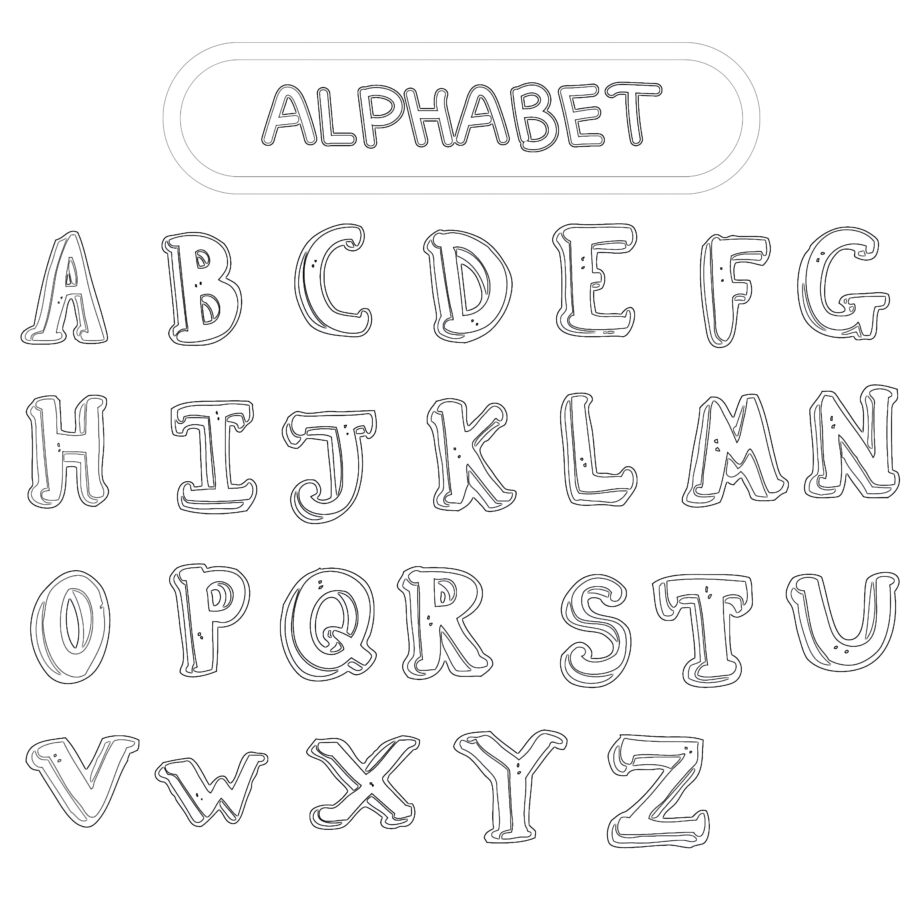
When you download the Blank Alphabet Letters To Color, you’ll notice a thoughtfully designed layout. Each letter is presented individually, allowing children to focus on one character at a time. The letters are typically outlined in bold, clear fonts, ensuring they are easy to color without causing frustration.
Size and Format Options
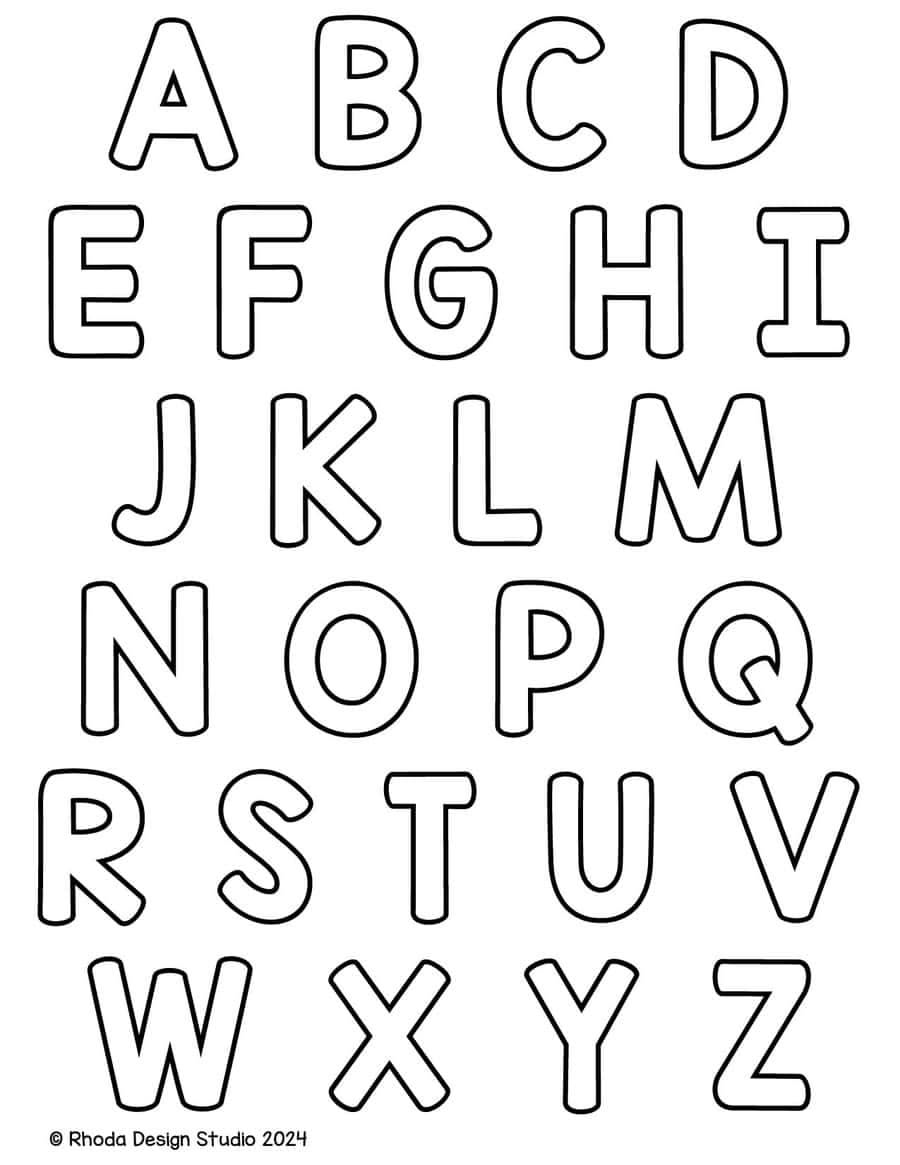
These templates generally come in standard letter sizes, such as 8.5 x 11 inches, making them compatible with most printers. They’re usually available in PDF format, ensuring that the layout remains consistent across different devices and printers. Additionally, you might find variations that include larger letters or different styles for specific activities, such as cursive or block letters.
How to Incorporate Coloring Letters Into Your Lessons
Integrating Blank Alphabet Letters To Color into your teaching can be both fun and educational. Here are some practical ideas for using them effectively:
- Letter of the Week: Choose one letter each week for your students to focus on. Have them color the letter and then create a small collage of items that start with that letter. This repetition reinforces their learning.
- Thematic Units: If you’re covering a particular theme, select letters that correspond with that topic. For example, during a unit on animals, have students color the letters A, B, and C, while discussing animals whose names start with those letters.
- Fine Motor Skills Practice: Coloring is a great way to develop fine motor skills. Encourage students to use different coloring tools such as crayons, markers, or colored pencils to enhance their grip and control.
- Personalized Projects: Allow students to take home their colored letters and create a personal project. They can create a poster or a book that showcases their artwork alongside words that begin with that letter.
Spacing and Repetition for Mastery
One of the most effective strategies in early childhood education is spaced repetition. By using Blank Alphabet Letters To Color over multiple sessions, children can reinforce their learning without overwhelming them. Rather than completing all letters in one sitting, you can spread the activity across a week or even a month.
This approach can be particularly useful for children struggling with letter recognition. Repeating the same letter in different contexts helps solidify their understanding and recall. You might also consider varying the coloring methods, such as using different colors or patterns for each session, to keep the activity fresh and engaging.
Additional Resources to Enhance Learning
To further support your students’ learning, consider pairing the Blank Alphabet Letters To Color with additional resources. Here are some suggestions:
- Alphabet Worksheets: Alongside the coloring pages, introduce worksheets that require students to trace or write the letters. This can help strengthen their handwriting skills.
- Storytime Activities: Read books that emphasize the letters they are coloring. Discuss the story and ask them to identify the letters within the text.
- Interactive Games: Incorporate letter recognition games in your classroom. Use flashcards or digital apps that focus on the letters being colored.