
Using visuals to teach the alphabet can make a significant difference in children’s learning. The Big Alphabet Picture Names A-Z Free Printables stand out because they combine letter recognition with relatable images, making it easier for young learners to grasp concepts tied to each letter. This resource is perfect for early childhood educators and parents aiming to enhance literacy through interactive and creative means.
Understanding the Layout and Design Elements
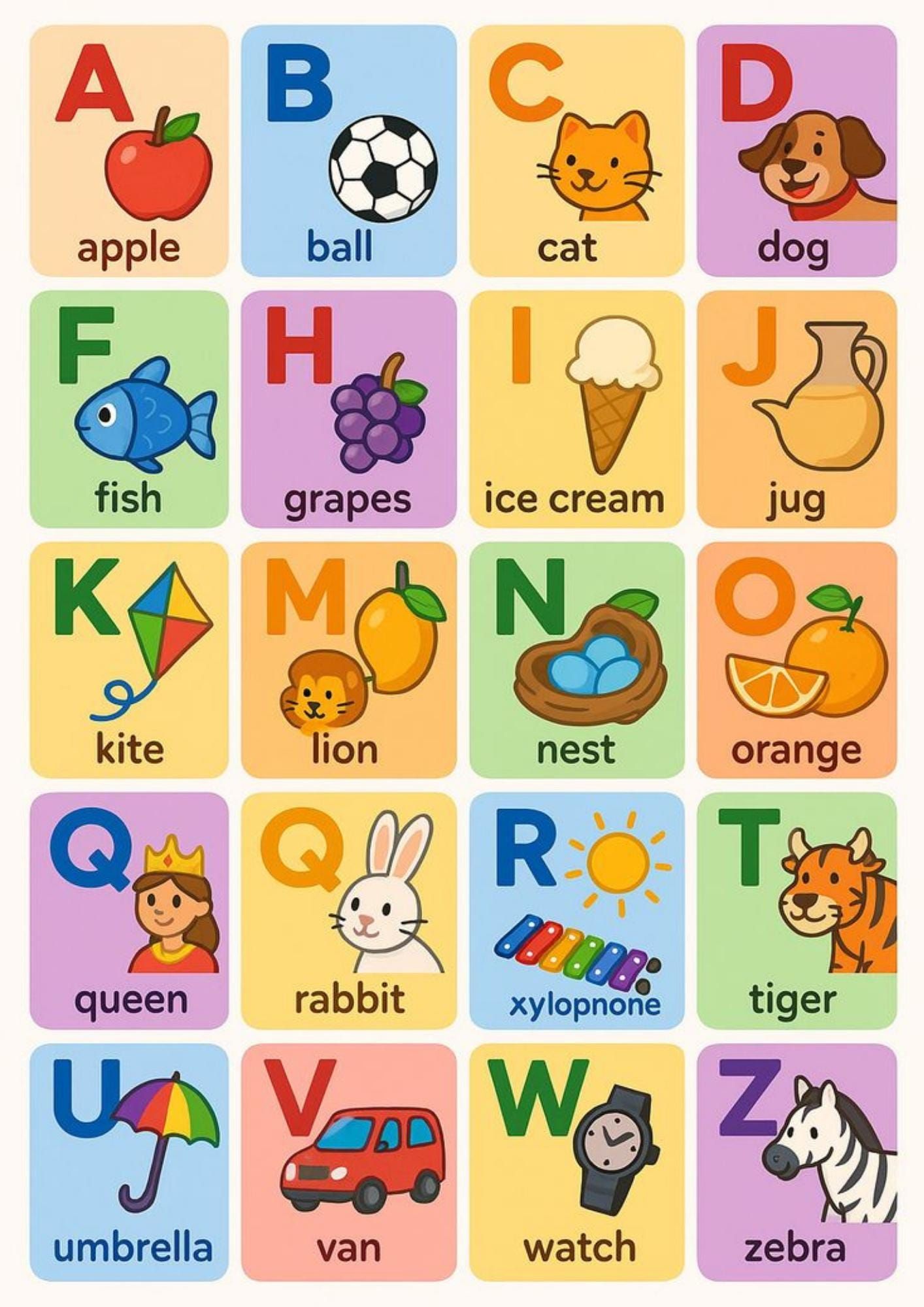
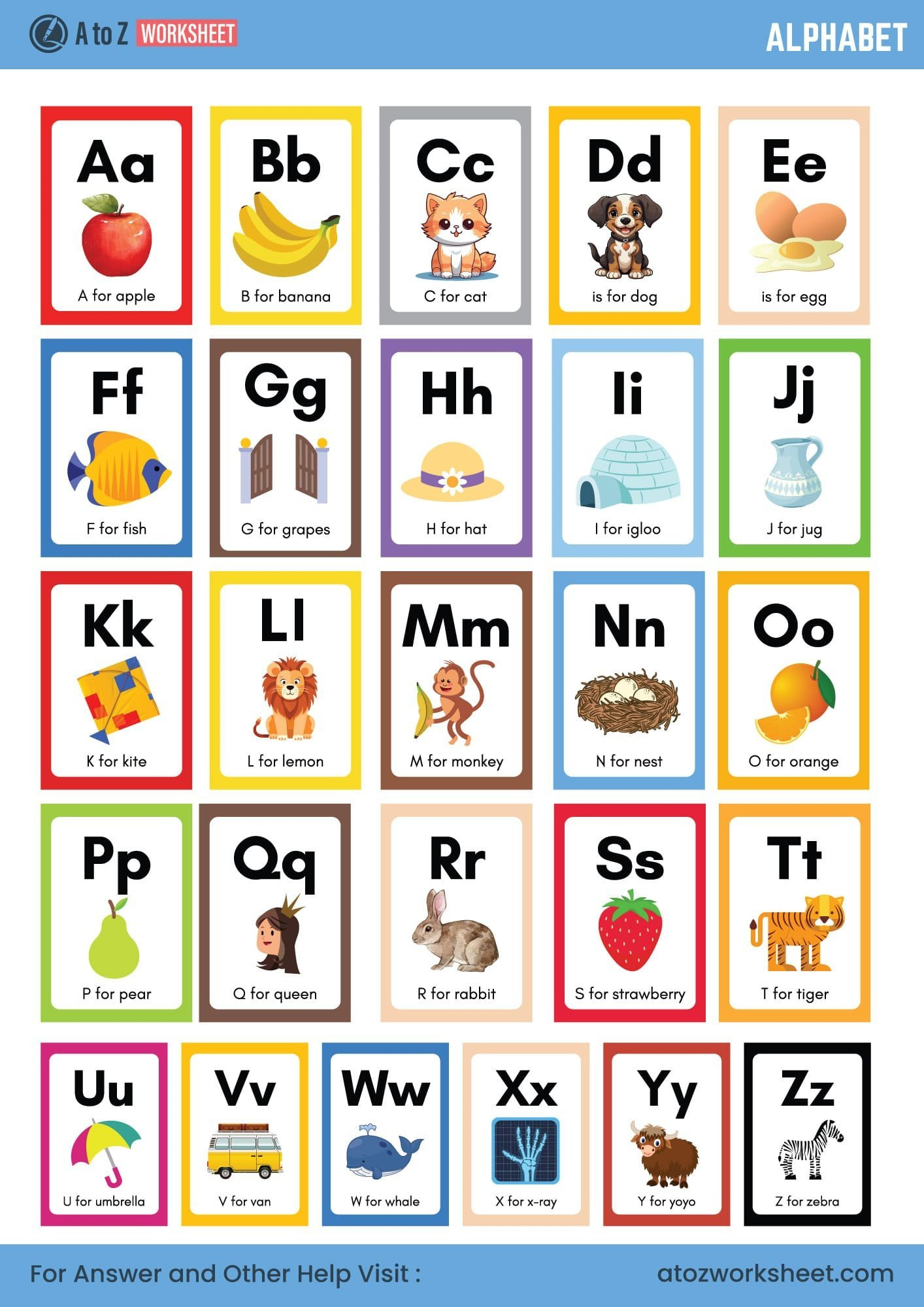
When you first look at the Big Alphabet Picture Names A-Z Free Printables, the layout is straightforward but effective. Each letter of the alphabet is displayed prominently, accompanied by a corresponding image that represents a word starting with that letter. For example, ‘A’ might feature an apple, while ‘B’ showcases a balloon. This visual association aids in memory retention.
The printables are typically designed on standard letter-sized pages (8.5 x 11 inches), which makes them easy to print at home or in a classroom. You’ll notice that the images are large and colorful, ensuring they capture children’s attention. The font used for the letters is clear and bold, making it easy for children to recognize and learn how to write each letter.
Age-Appropriate Use in Learning Environments
These printables are ideal for children aged 3 to 7, a crucial period for developing foundational literacy skills. Teachers can use them in various settings, including preschool, kindergarten, and first grade. They work well as part of a larger alphabet learning unit or as standalone activities.
In a classroom, you might display the printables around the room to create an alphabet wall. This not only beautifies the space but also serves as a constant visual reminder for children as they learn. At home, parents can use these printables during playtime, making the learning process enjoyable and relaxed.
Practical Applications for Teachers and Parents
There are numerous ways to utilize the Big Alphabet Picture Names A-Z Free Printables effectively. Here are some practical applications:
- Flashcards: Cut each letter and image out to create flashcards. These can be used for quick review sessions or games.
- Matching Games: Print two sets to play matching games, where children match letters to their corresponding pictures.
- Art Projects: Encourage children to color the images, which reinforces their connection to each letter while also fostering creativity.
- Story Time: Use the printables to inspire storytelling sessions, where children come up with stories related to the pictures.
By incorporating these activities, you’ll help children recognize letters and their sounds while also enhancing their vocabulary and comprehension skills.
Monitoring Progress and Mastery
When using the Big Alphabet Picture Names A-Z Free Printables, it’s essential to monitor children’s progress. One way to do this is through observation. As children engage with the printables, take note of their ability to identify letters and associate them with their corresponding images.
You can ask questions such as:
- “What letter does this image start with?”
- “Can you find something else that starts with the letter B?”
These questions not only gauge their understanding but also encourage critical thinking. If a child struggles with certain letters, it might indicate the need for additional practice or different instructional strategies.
Incorporating Technology for Enhanced Learning
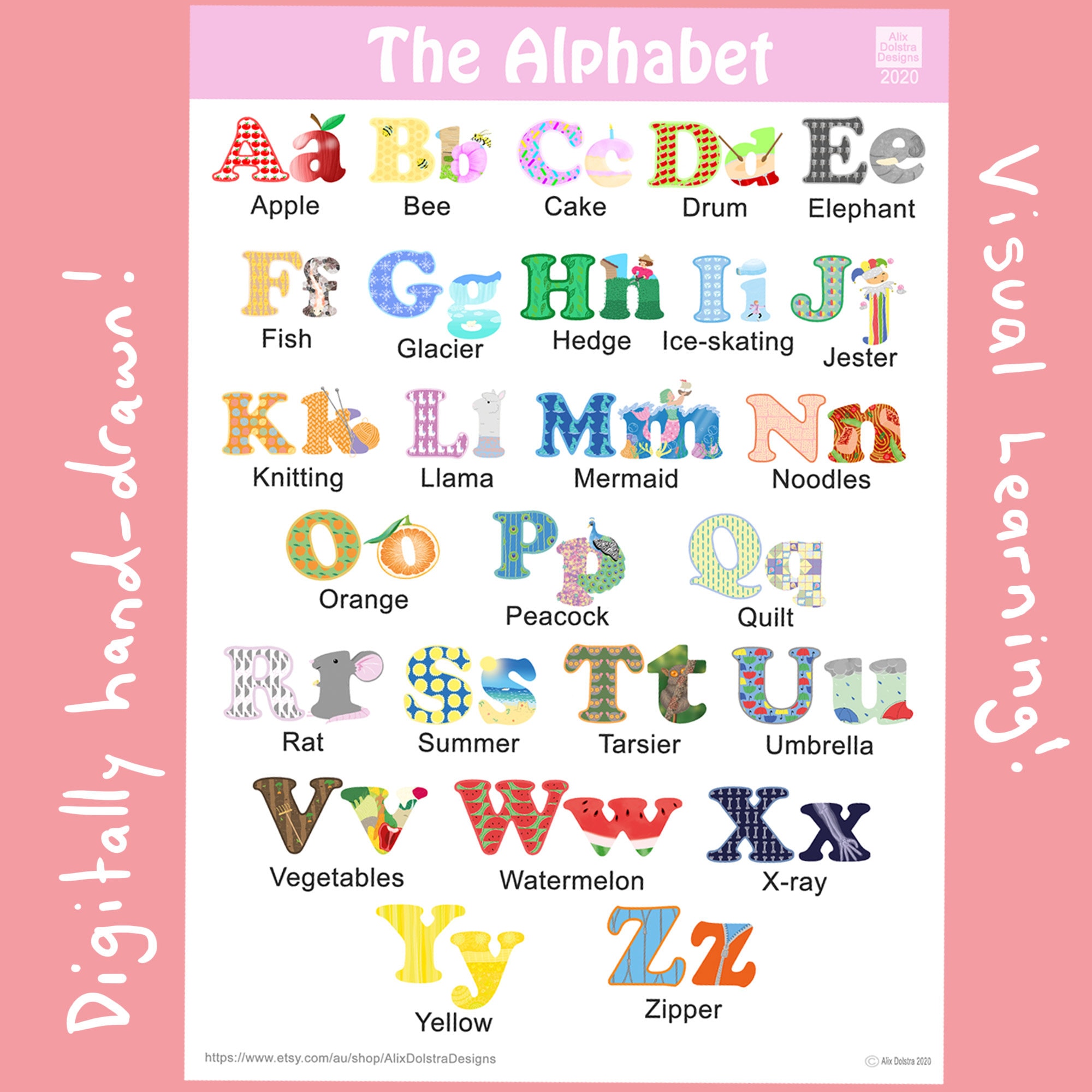
Today, consider incorporating technology alongside the Big Alphabet Picture Names A-Z Free Printables. Many educational apps allow children to practice their letters and sounds through interactive games and quizzes. You can enhance the printable experience by showing related videos or using online resources that feature songs about the alphabet.
For instance, after introducing a letter and its corresponding image, you could play a song that focuses on that letter. This multi-sensory approach can reinforce learning and keep children engaged.