
Teaching preschoolers their ABCs can be a delightful experience, especially with resources like the Baltimore Alphabet For Preschoolers Tp Print. This printable resource is designed to provide an engaging way for young learners to familiarize themselves with letters through various activities. In this article, we’ll explore how to effectively use this resource in your classroom or at home, ensuring that both teachers and parents can facilitate independent practice.
Understanding the Baltimore Alphabet For Preschoolers Tp Print
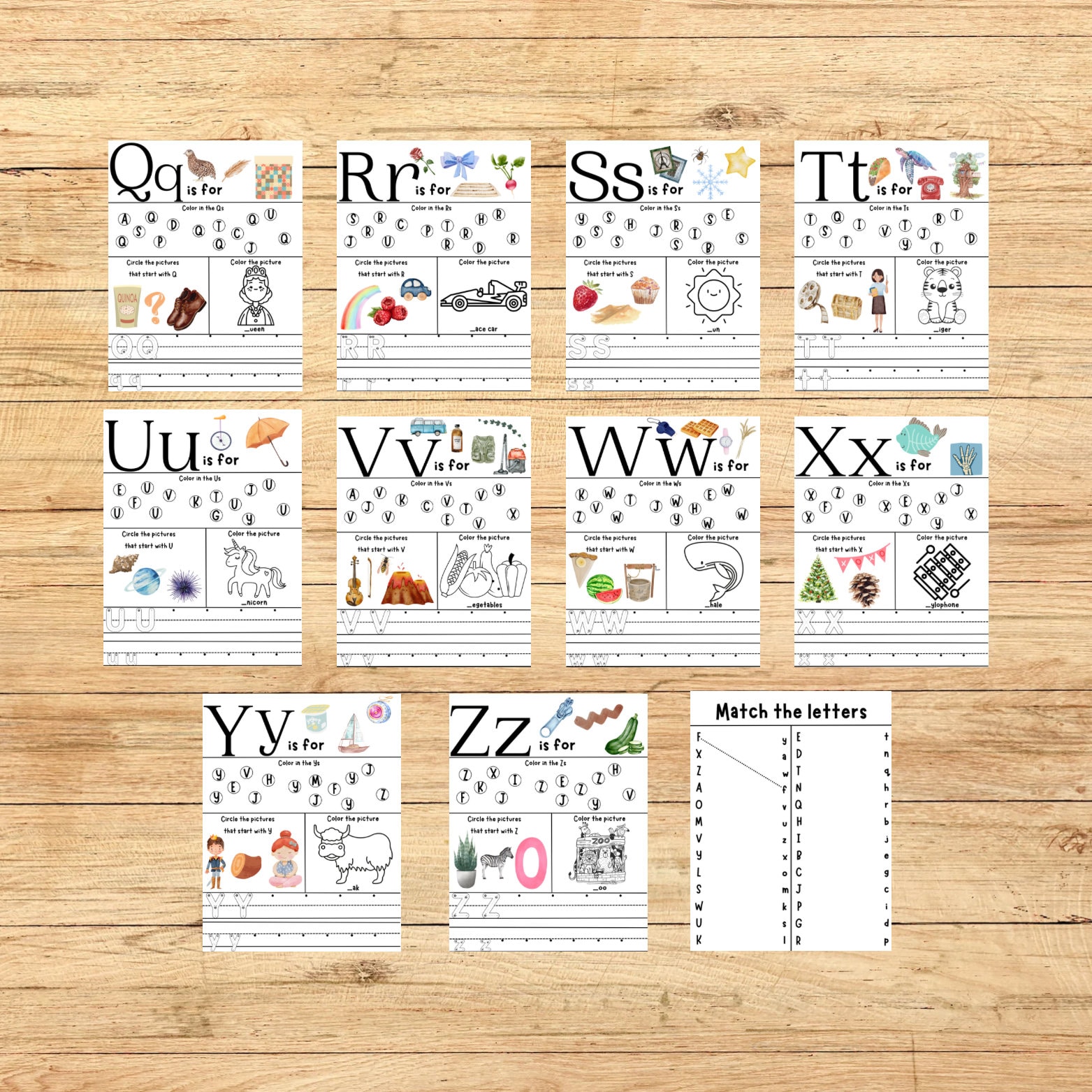
The Baltimore Alphabet For Preschoolers Tp Print is a comprehensive teaching tool designed specifically for preschool-age children. This resource typically includes a range of printable activities that focus on letter recognition, phonetic sounds, and basic vocabulary building. The activities are designed to be engaging and age-appropriate, making them ideal for classrooms, homeschooling, or even playtime at home.
Key Features of the Resource
When you download the Baltimore Alphabet For Preschoolers Tp Print, you can expect to find:
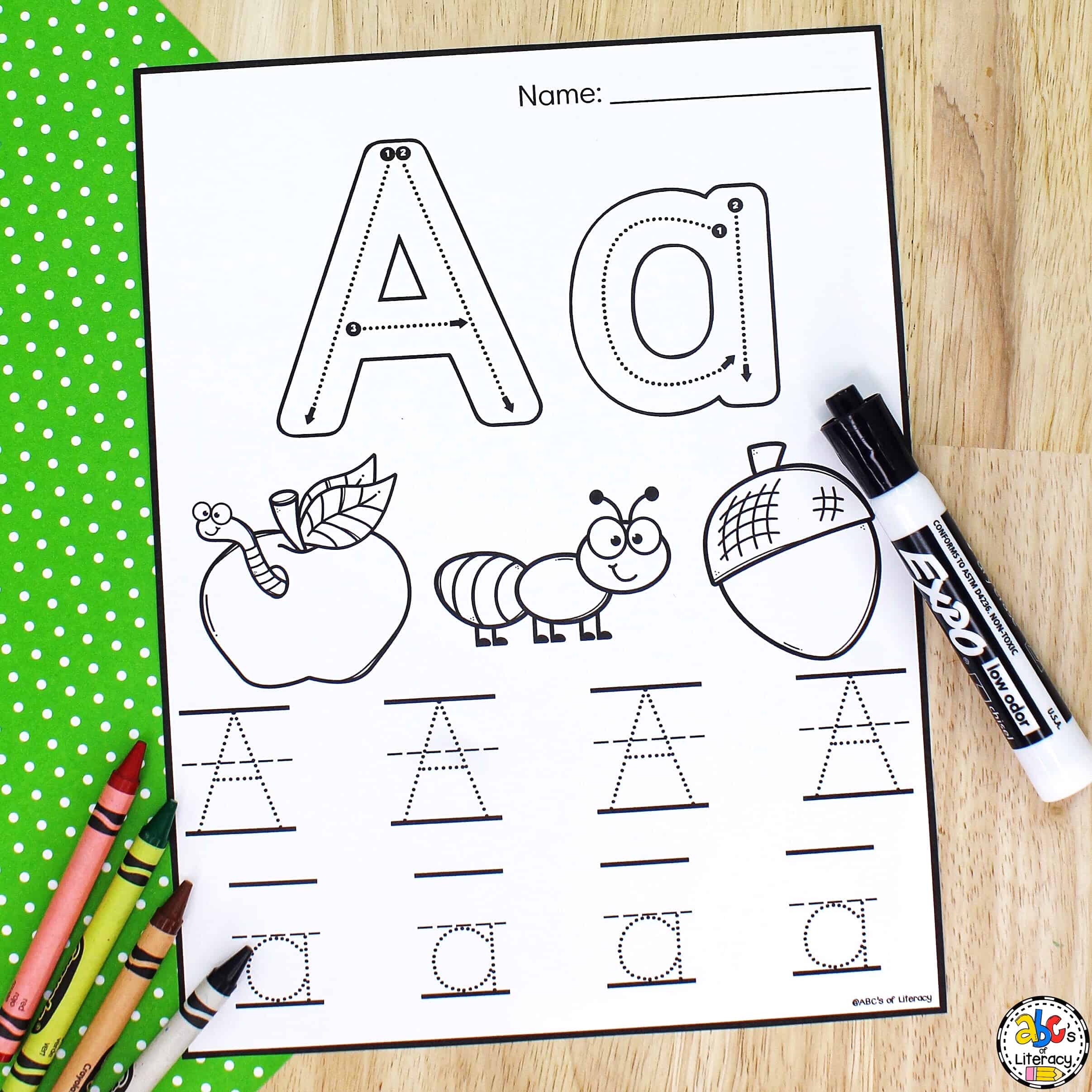
- Letter Worksheets: Each letter of the alphabet is represented with engaging worksheets that encourage children to trace, color, and practice writing.
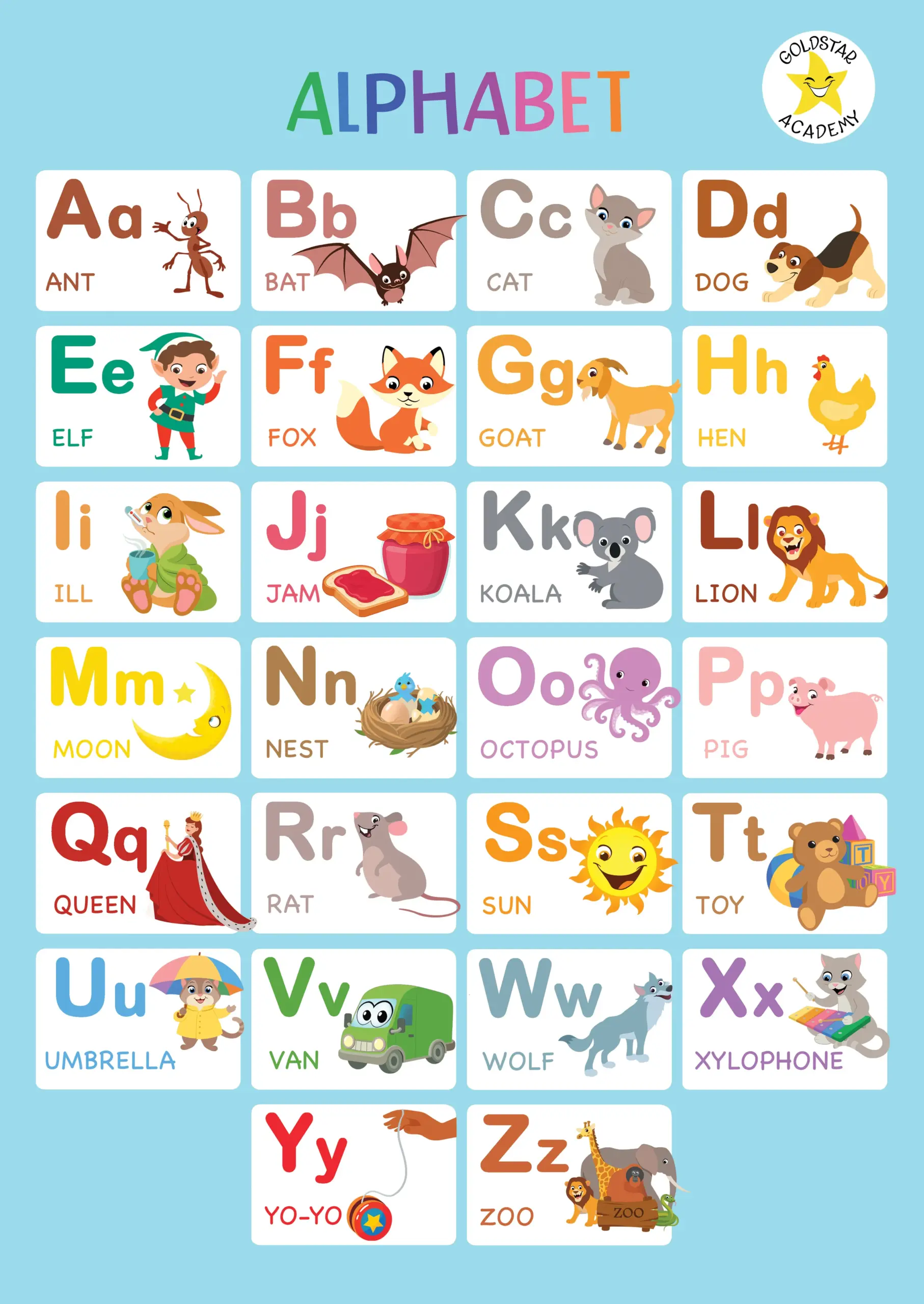
- Coloring Pages: These pages often feature images that start with each letter, helping children associate the letter with a corresponding word.
- Interactive Activities: Many of the resources include games and activities that can be printed out for hands-on learning experiences.
These features not only make learning fun but also cater to different learning styles, ensuring that all children can benefit from the resource.
How to Use the Baltimore Alphabet For Preschoolers Tp Print
Using the Baltimore Alphabet For Preschoolers Tp Print effectively involves a few straightforward steps. Here’s how you can maximize this resource in your teaching or at home.
Step 1: Download and Print
First, locate the download link for the Baltimore Alphabet For Preschoolers Tp Print. Ensure that you have a reliable printer, as the quality of the print will enhance the children’s engagement. Here are some tips for printing:
- Use High-Quality Paper: For worksheets, standard printer paper works well, but using cardstock can make the sheets more durable, especially for coloring pages.
- Adjust Settings: Set your printer to the recommended paper size, typically 8.5” x 11” for standard printing. Choose a portrait orientation for most worksheets to ensure the layout appears as intended.
Step 2: Organize the Materials
Once printed, organize the worksheets and activities in a way that’s accessible for children. You can use:
- Binders: A binder can keep everything organized, allowing children to choose activities independently.
- Folders: Use separate folders for each letter or type of activity to simplify selection.
Step 3: Introduce the Activities
Begin by introducing the letters in a structured manner. You might want to focus on one letter per session. Here’s a suggested approach:
- Letter Recognition: Start with the letter of the day, showing children how to recognize it.
- Worksheet Activities: Use the tracing and writing worksheets to reinforce letter formation.
- Coloring Pages: Allow children to color pictures that correspond to the letter, helping them connect the visual with the sound.
Encouraging Independent Practice
One of the key benefits of the Baltimore Alphabet For Preschoolers Tp Print is its ability to promote independent practice. Here are some strategies to help children engage with the material on their own:
Create a Learning Station
Set up a dedicated area where children can work on their alphabet activities freely. Include the following:
- Worksheets: Place a variety of worksheets at their level.
- Art Supplies: Provide crayons, markers, and scissors for creativity.
- Guided Instructions: Use simple, clear instructions that children can follow without needing constant supervision.
Use Positive Reinforcement
Encourage children to complete activities by providing positive feedback. You might consider:
- Sticker Charts: Create a chart where children can place stickers for each completed activity.
- Small Rewards: Consider offering small rewards for completing a certain number of worksheets, which can motivate them to continue practicing.
Assessment and Progress Tracking
Tracking progress is essential when teaching preschoolers. The Baltimore Alphabet For Preschoolers Tp Print can help you assess their understanding and skills. Here’s how to do it effectively:
Regular Check-Ins
Schedule regular check-ins to evaluate how children are grasping the material. You can do this by:
- Observing Completed Worksheets: Look at the worksheets to see how well they are tracing and writing letters.
- Informal Assessments: Ask questions about the letters and sounds during activities to gauge understanding.
Document Progress
Maintain a simple record of each child’s progress. You can create a checklist for each letter that indicates whether they can recognize, trace, and write it effectively. This documentation will help you identify areas that may need further reinforcement.
Adapting the Resource for Diverse Learners
Every child learns differently, and the Baltimore Alphabet For Preschoolers Tp Print can be adapted to meet the needs of various learners. Here’s how:
For Visual Learners
Incorporate more coloring and visual activities. Use bright colors and images to help them connect letters with words visually.
For Kinesthetic Learners
Engage these learners with hands-on activities. Consider incorporating letter-building games using blocks or playdough to reinforce letter shapes and sounds.
For Advanced Learners
For children who grasp concepts quickly, provide additional challenges. You might include:
- Advanced Worksheets: Create or find worksheets that incorporate simple words or sentences using the letters.
- Story Creation: Encourage them to create short stories that include words starting with the letters they’ve learned.