
Teaching the alphabet to young learners can be a joyful yet challenging experience. That’s where Alphetbet Printables Teachers Pay Teachers comes into play. These resources offer a variety of engaging worksheets, templates, and activities designed to help kids master their letters in a fun and interactive way. Let’s look at how you can seamlessly incorporate these printables into your classroom or homeschooling routine.
Understanding the Importance of Alphabet Mastery
Learning the alphabet is a foundational skill for early literacy. Children typically start recognizing letters around preschool age (3-5 years) and begin to write them by kindergarten (5-6 years). Mastering the alphabet not only helps in reading and writing but also in developing fine motor skills and cognitive abilities. Using Alphetbet Printables from Teachers Pay Teachers can significantly enhance this learning process by providing structured and visually appealing activities.
Types of Alphabet Printables Available
When searching for Alphetbet Printables on Teachers Pay Teachers, you’ll discover a wide variety of resources tailored to different learning styles and needs. Here are some common types:
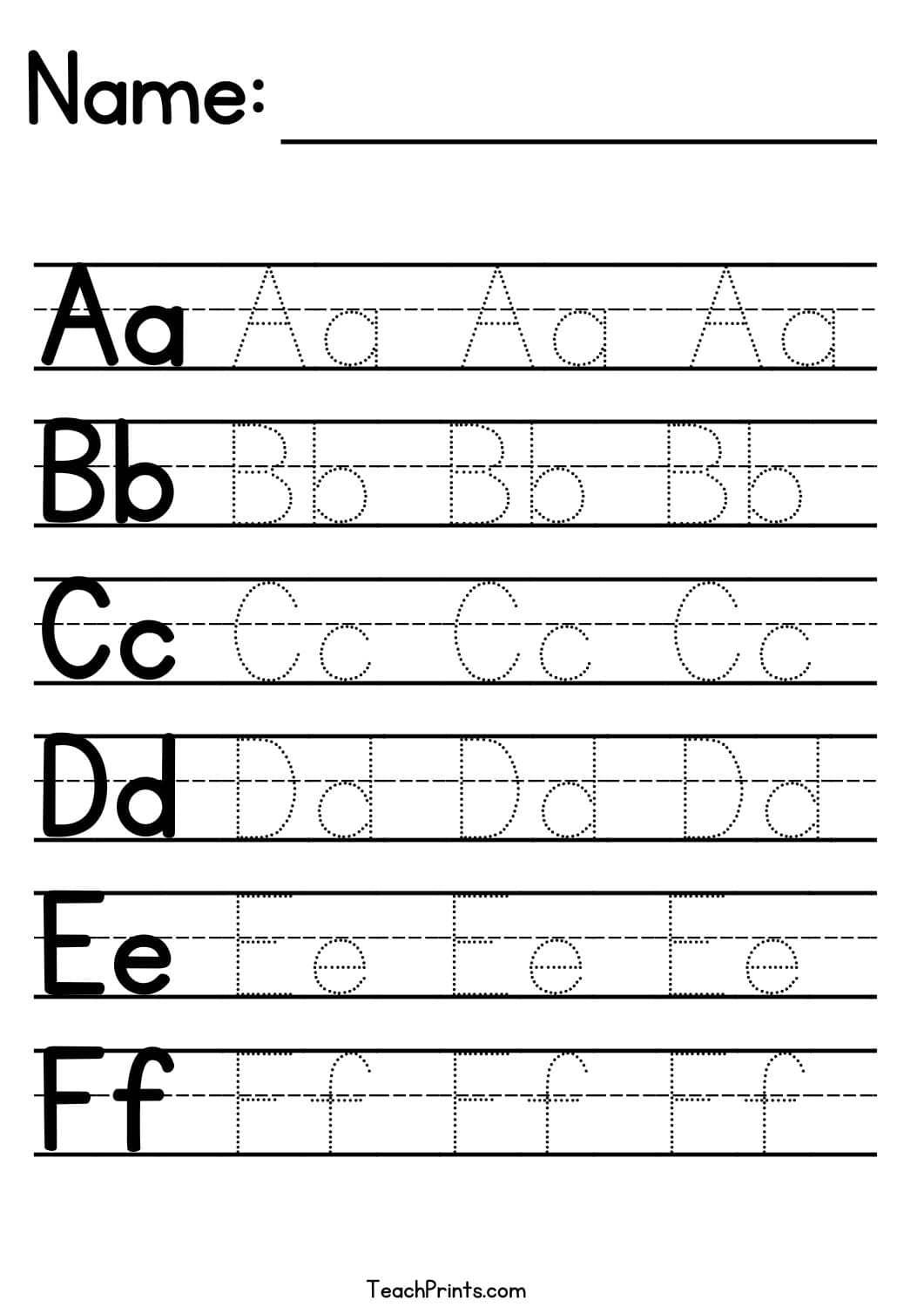
- Worksheets: These can range from tracing letters to matching uppercase and lowercase letters. Worksheets are great for individual practice or group activities.
- Flashcards: Ideal for visual learners, flashcards can help reinforce letter recognition and phonetics through repetition.
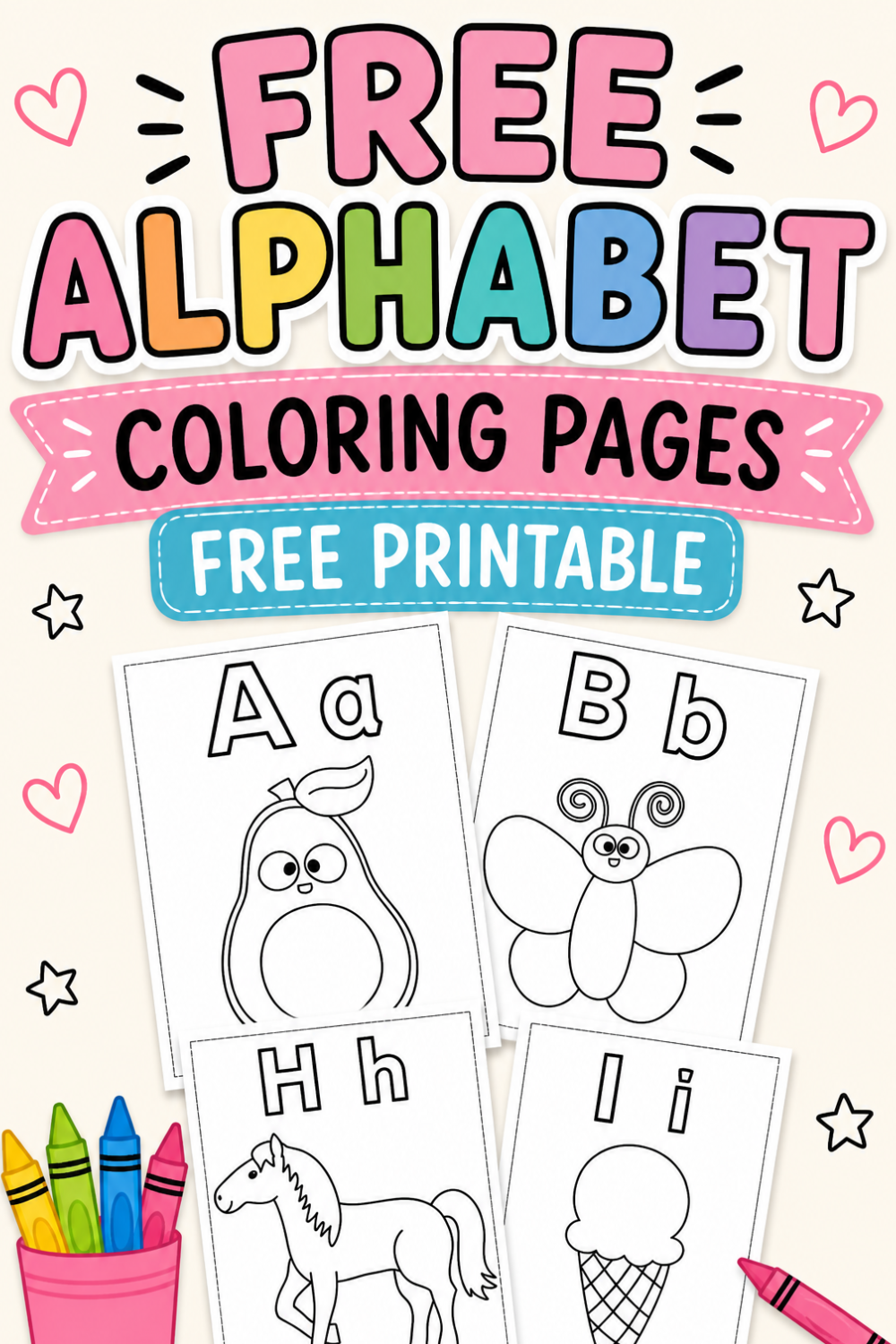
- Coloring Pages: Combining art with learning, these pages allow children to color letters while associating them with words and images.
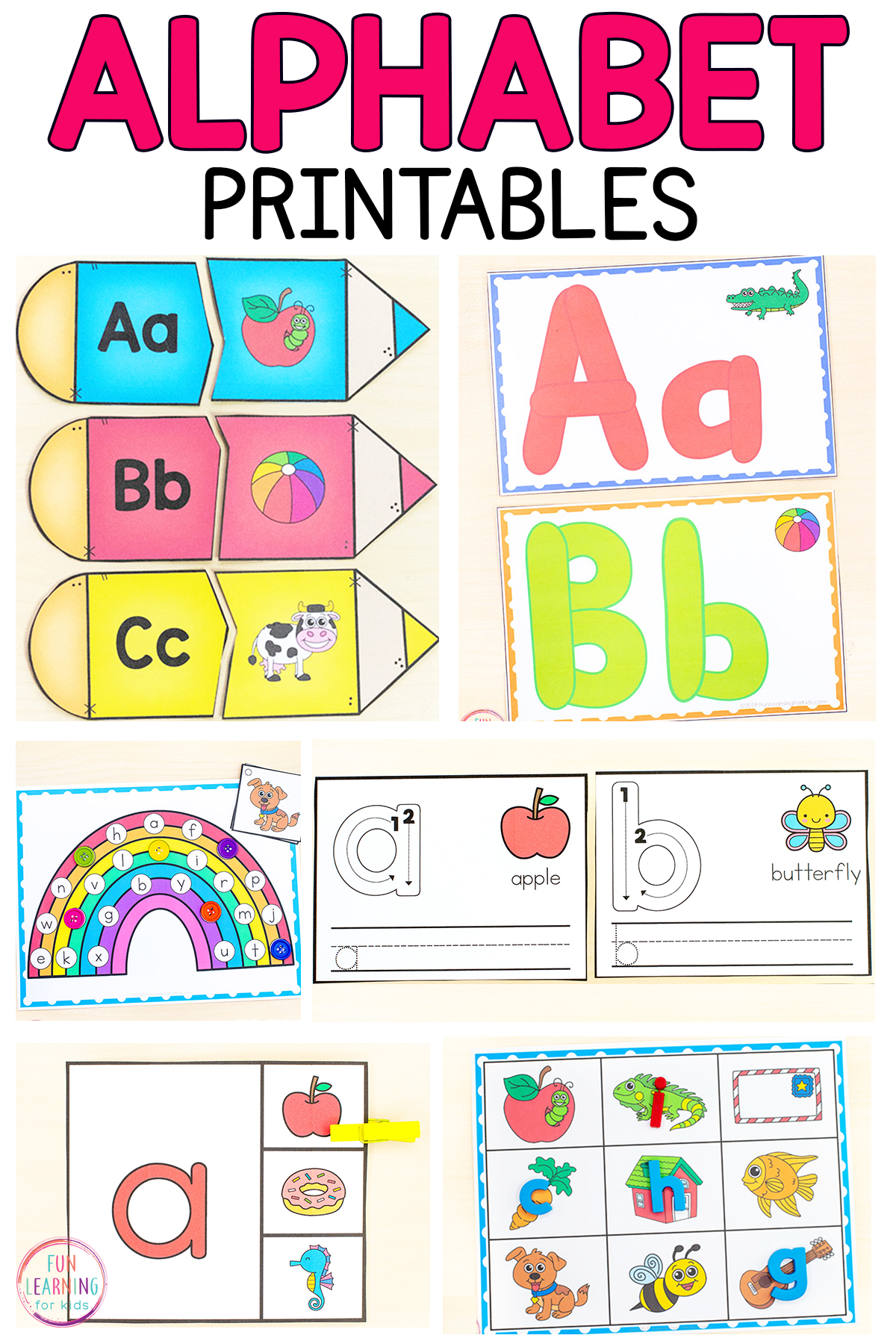
- Games and Activities: Interactive printables often include games like bingo or letter hunts, perfect for classroom activities that encourage teamwork and engagement.
How to Effectively Use Alphetbet Printables
Incorporating these printables into your lesson plans doesn’t have to be time-consuming. Here are practical steps you can follow:
1. Assess Your Students’ Needs
Before selecting printables, assess the skill levels of your students. For example, preschoolers might benefit from simple tracing sheets, while kindergartners could handle more complex activities such as matching or letter sorting.
2. Plan Your Lessons
Integrate printables into your lesson plans by aligning them with your curriculum. For example:
- Letter of the Week: Focus on one letter each week. Use worksheets for writing practice, flashcards for recognition, and coloring pages for creativity.
- Themed Units: If you’re teaching a unit on animals, use printables that incorporate animal names starting with the letters of the alphabet.
3. Create a Print Station
Set up a dedicated space where students can easily access printables. This could be a corner of your classroom or a binder in your home school setup. Organize materials by letter or theme for easy retrieval.
4. Encourage Collaboration
Use printables for group activities. For instance, have students work in pairs to complete a worksheet or play a letter recognition game. This not only reinforces learning but also builds social skills.
5. Provide Feedback
After the students complete their printables, take time to review their work. Offer positive feedback and gentle corrections where needed. It’s essential for children to feel supported as they learn.
Tips for Printing and Materials
To ensure your printables are effective and durable, consider the following tips:
- Paper Quality: Use cardstock for worksheets that will be handled frequently. This will help them withstand wear and tear.
- Printer Settings: If you’re printing color materials, set your printer to high quality to ensure vibrant images. Portrait layout works best for most worksheets.
- Laminating: For activities that will be reused, such as flashcards or game pieces, consider laminating them. This will allow you to use dry-erase markers for writing practice.
Finding the Right Resources on Teachers Pay Teachers
To find the best Alphetbet Printables on Teachers Pay Teachers, utilize the search feature effectively:
- Keywords: Use specific phrases like “alphabet tracing worksheets” or “letter recognition games” to narrow your results.
- Filters: Take advantage of filters for grade levels, price range, and ratings. This will help you find resources that are both age-appropriate and well-reviewed by other educators.
- Bundles: Many sellers offer bundles that include multiple resources at a discounted price, which can save you money while providing comprehensive coverage of the alphabet.
Engaging Activities Beyond Worksheets
While worksheets are a great tool, integrating other activities can enrich the learning experience. Here are a few ideas:
- Alphabet Scavenger Hunt: Create a scavenger hunt where students find items around the classroom or home that start with each letter of the alphabet.
- Sensory Play: Use materials like sand, rice, or playdough for children to form letters. This can be particularly engaging for kinesthetic learners.
- Story Time: Incorporate stories that emphasize the alphabet. After reading, have students identify letters from the book and discuss words that start with those letters.