
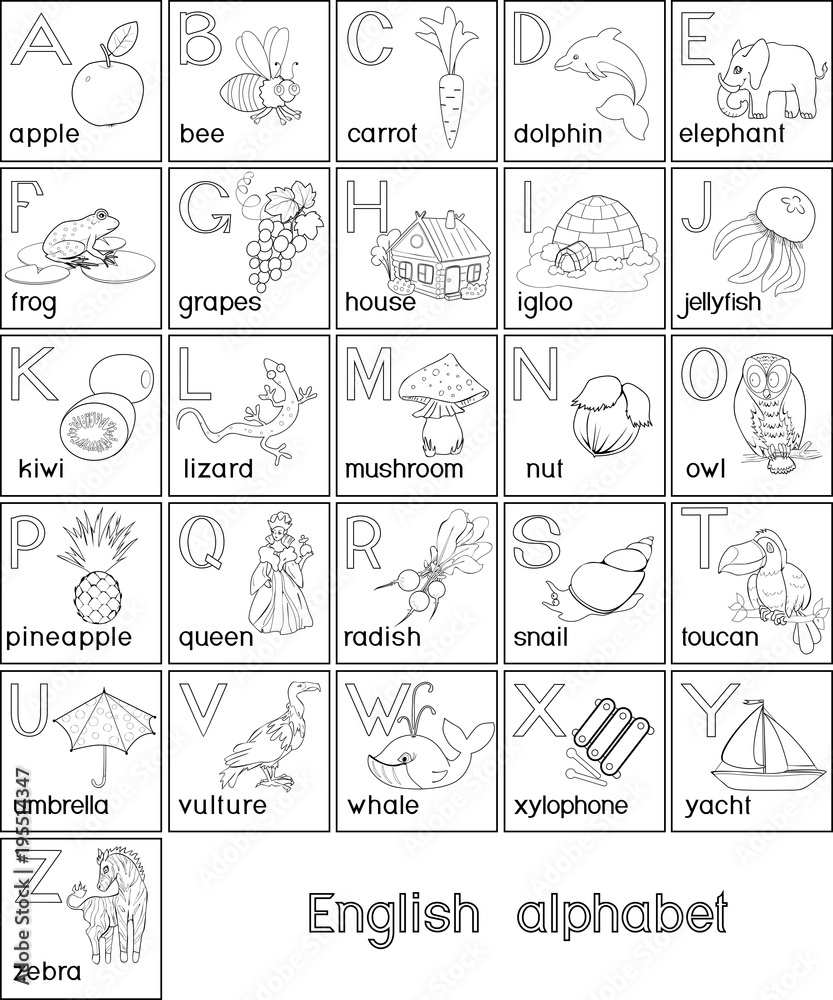
Using Alphabets in English for colouring is a fantastic way to engage young learners while reinforcing their understanding of letters. This method not only helps children learn the alphabet but also encourages creativity through art. Whether you’re a teacher in a classroom or a parent homeschooling at home, incorporating these colouring worksheets can make learning letters a fun and interactive experience.
The Importance of Colouring in Learning the Alphabet
Colouring can significantly enhance the learning experience for young children. It helps with fine motor skills, hand-eye coordination, and cognitive development. When children colour, they also express their creativity, which is vital for their emotional development. By using Alphabets in English for colouring, you can make the alphabet more memorable and enjoyable for your students or children.
For instance, when children colour different letters, they can also associate them with objects that start with those letters. For example, colouring the letter ‘A’ alongside an apple can help reinforce the connection between the letter and its sound. This multi-sensory approach caters to different learning styles, making it an effective teaching tool.
Setting Up Your Colouring Activity
Before introducing the colouring pages, it’s essential to prepare your workspace. Here’s a simple checklist to help you set up:
- Materials Needed: Gather crayons, markers, or coloured pencils. Ensure that you have plenty of options available for children to choose from.
- Paper Choice: Standard A4 or letter-sized paper works best for most printers. If you’re using cardstock, it’s more durable and can withstand repeated use.
- Print Settings: Use the portrait layout for the best results, and ensure your printer is set to print in high quality to capture the details of the letters clearly.
Once your materials are ready, you can introduce the activity in a way that excites the children. You might say, “Today, we’re going to bring the letters to life with colours!”
Engaging Activities With Colouring Pages
To maximize the learning experience, you can incorporate various activities alongside the colouring pages. Here are a few ideas:
Alphabet Games

You can turn the colouring activity into a game. For example, after completing a letter, ask the children to find objects around the classroom or home that start with that letter. This reinforces their learning and makes it more interactive.
Letter Sounds
As children colour, encourage them to say the sound of the letter they are working on. This will help them connect the visual representation of the letter with its phonetic sound. For instance, while colouring ‘B’, they can say, “Buh, buh, banana!”
Group Sharing
Once everyone has completed their colouring, have a sharing session where children can present their coloured letters. They can explain what they coloured and share any words they associate with that letter. This not only boosts their confidence but also enhances their speaking skills.
Tips for Using Alphabets in English for Colouring
To make the most of these colouring pages, consider the following tips:
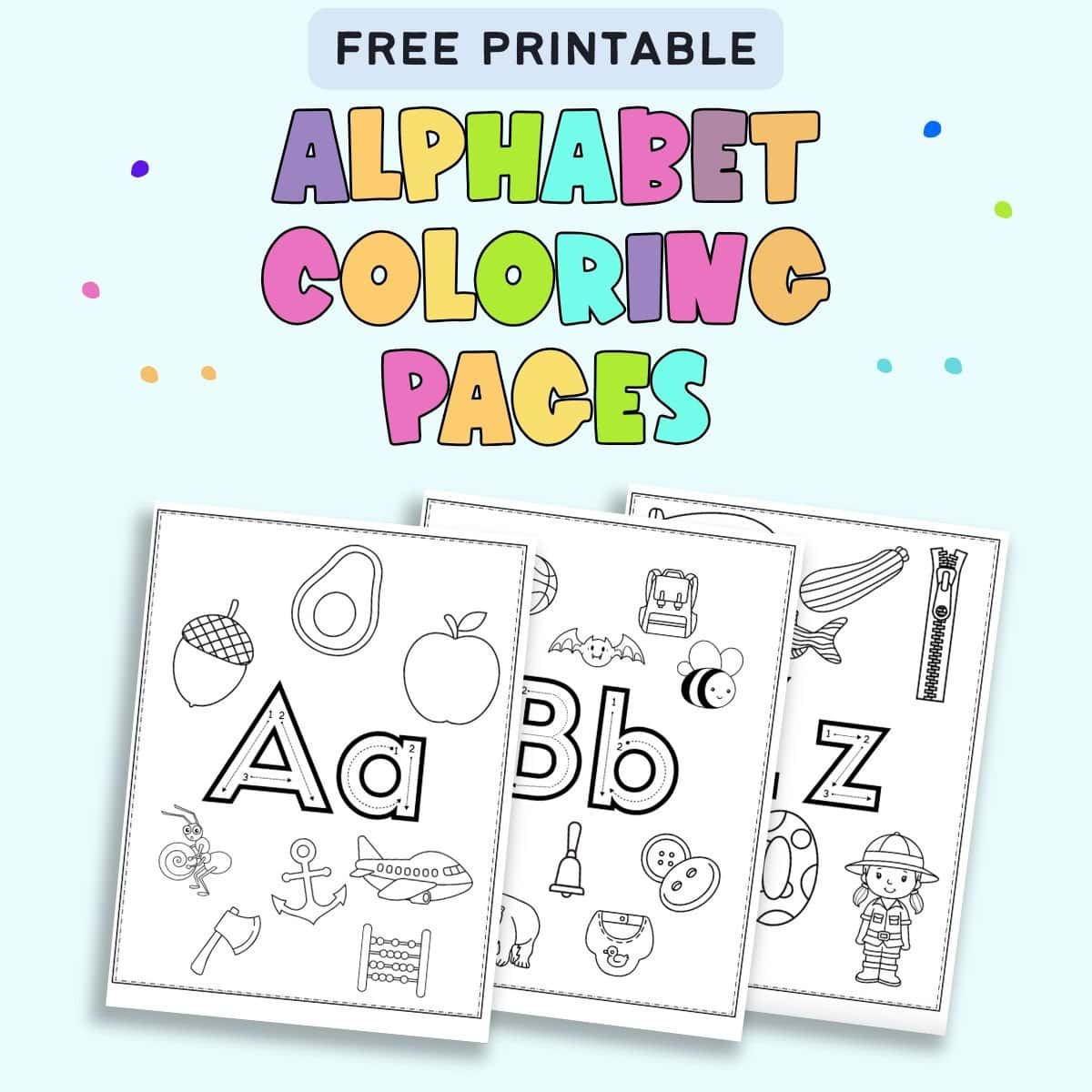
- Varied Difficulty Levels: Choose colouring pages that cater to different skill levels. Some children may be ready for more intricate designs, while others may benefit from simpler outlines.
- Themed Colouring Pages: Introduce themed colouring pages around holidays or seasons to keep the activity fresh and engaging. For instance, during Halloween, you can have letters decorated with pumpkins or ghosts.
- Laminating for Durability: If you plan to reuse the colouring pages, consider laminating them. This way, children can use dry-erase markers to colour them multiple times, saving paper and resources.
Incorporating Technology
In today’s digital age, integrating technology can also enhance the learning experience. There are several apps and online resources that offer interactive alphabet colouring pages. These can be printed out or used on tablets. This flexibility allows children to engage with the material in different formats, catering to varying preferences.