
To foster early literacy skills, engaging children with alphabets is crucial. Printable resources can offer a delightful way to introduce letters, enabling kids to learn through various activities. The resource “Alphabets For Kids For Printout” contains an assortment of worksheets, coloring pages, and games designed to reinforce letter recognition and phonetic skills. With easy accessibility, these printouts can be seamlessly integrated into home or homeschool routines.
Understanding the Layout of Alphabet Printouts
When selecting alphabet printouts, pay close attention to their layout. Generally, these resources include:
- Large, clear letters: Ideal for young learners, ensuring they can easily recognize and trace them.
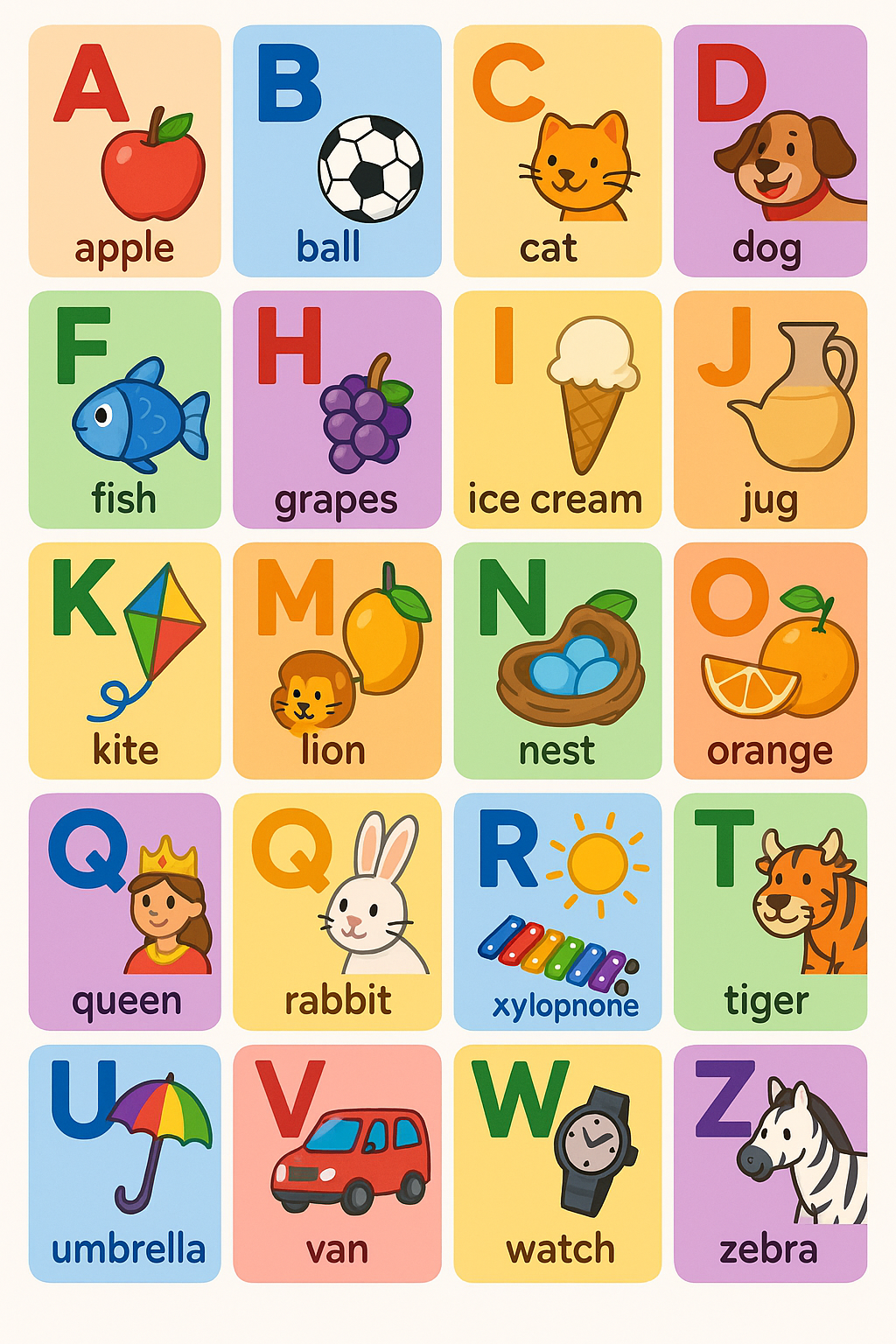
- Colorful illustrations: Engaging visuals can help connect letters to words, enhancing memory retention.
- Guidelines for tracing: Many printouts feature dotted lines, allowing children to practice writing letters correctly.
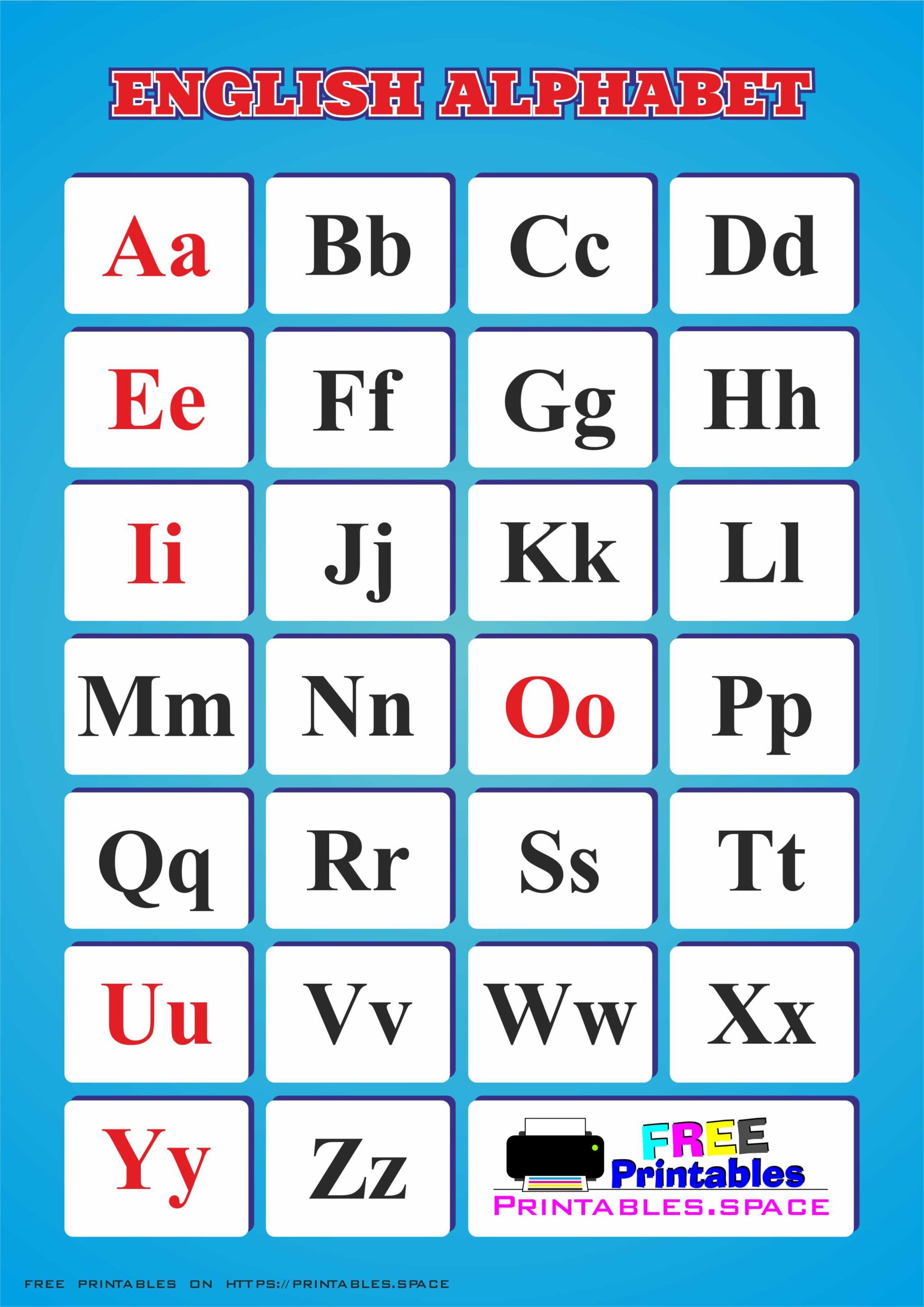
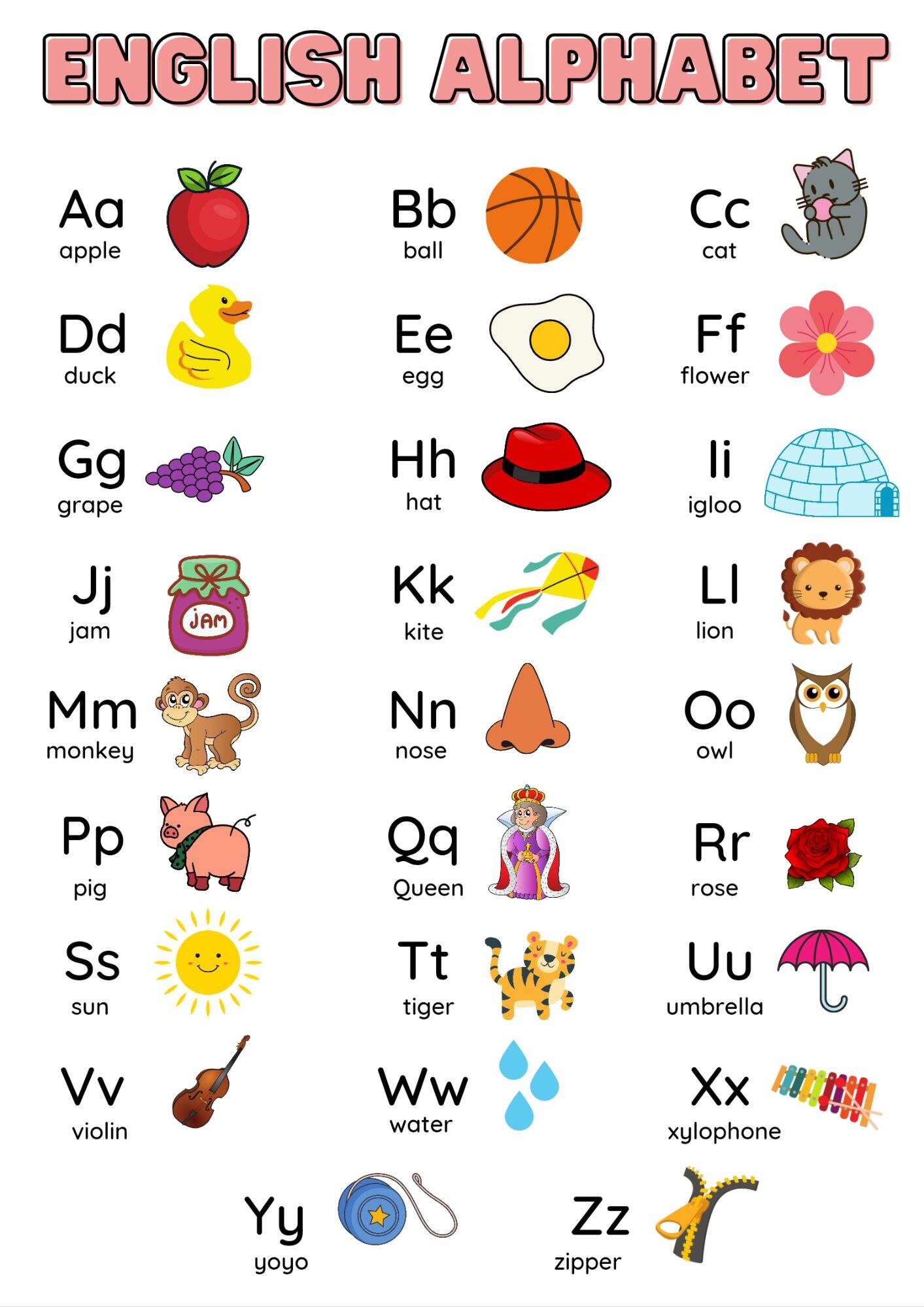
- Various formats: You might find single-letter sheets, full alphabet charts, or themed pages that connect letters with relevant images (like “A” for apple).
This thoughtful design caters to the developmental stages of children, typically aged 3 to 7, making the resources suitable for preschool and early elementary grades.
Activities to Reinforce Learning With Printouts
Using alphabets for kids for printout can open a treasure trove of interactive learning opportunities. Here are some practical activities to enhance your child’s learning experience:
Tracing Letters
One of the simplest yet effective activities involves tracing letters. You can encourage kids to use pencils or crayons to follow the dotted lines. This not only helps with letter formation but also develops fine motor skills. To make it more engaging, you can ask them to trace letters in different colors or use glitter pens for a sparkly effect.
Alphabet Coloring Pages
Coloring pages are a fantastic way to combine creativity with learning. Kids can color letters and associated objects, such as “B” for ball. This reinforces their understanding of the letter’s sound while allowing for artistic expression. Encourage them to say the letter and the word as they color, reinforcing phonetic awareness.
Letter Games
Incorporating games can make learning letters feel like play. You can create a matching game where children pair uppercase and lowercase letters. Alternatively, hide printouts around your home and have a scavenger hunt, where kids must find and identify each letter. This active approach can be particularly engaging for energetic learners.
Practical Tips for Using Alphabet Printouts at Home
Integrating printouts into your daily routine can be seamless with a few practical tips. Here’s how to effectively use alphabet resources:
- Daily Routine Integration: Set aside a specific time each day for alphabet activities. This could be during a morning routine or as a winding-down activity before bedtime. Consistency is key to reinforcing learning.
- Customize for Your Child: Adjust the difficulty of printouts based on your child’s skill level. For beginners, focus on tracing and recognition. As they progress, introduce more complex activities such as writing words or sentences.
- Use in Different Settings: These printouts can be utilized in various environments, from a dedicated homeschool area to a cozy reading nook. Keep a folder of printouts handy for car rides or waiting rooms.
Selecting the Right Format for Your Printer
When printing alphabet resources, format choice can significantly impact usability. Most printouts are available in PDF format, which is often the most reliable for maintaining layout integrity. Here are some practical considerations:
- Paper Size: Standard letter size (8.5 x 11 inches) is commonly used, but make sure your printer settings match this to avoid cut-off letters.
- Color vs. Black and White: While color printouts are visually appealing, you can also print in black and white to save ink. Encourage kids to color them later.
- Cardstock vs. Regular Paper: For worksheets that require durability (like tracing), consider printing on cardstock. It’s sturdier and can handle more erasing and handling.
Engaging With Parents and Caregivers
For parents and caregivers, the “Alphabets For Kids For Printout” resource offers an excellent opportunity to engage with children. Here’s how to make the most of these printouts:
- Collaborate on Activities: Join in the tracing or coloring activities. This not only provides support but allows for bonding time. You can share stories about the letters or objects they represent.
- Encourage Sharing: If your child completes a worksheet or coloring page, encourage them to share their work with family members. This boosts confidence and reinforces what they’ve learned.
- Incorporate Technology: If appropriate, use digital platforms to showcase completed printouts or create a digital scrapbook. This modern twist can make the learning experience more exciting.
The practical use of alphabet printouts not only enhances literacy skills but also fosters creativity and engagement in learning. By integrating these resources into everyday activities, you create a supportive and stimulating environment for your child’s education. One useful detail to remember: always have extra printouts available for spontaneous learning moments, whether it’s a rainy day or an unexpected guest.