
Introducing your child to the alphabet can be an exciting journey filled with colorful letters, creative activities, and engaging worksheets. Alphabet worksheets for age 3 are designed to help young learners recognize, trace, and utilize letters in a playful manner. These worksheets not only introduce children to the letters of the alphabet but also incorporate shapes, colors, and even basic phonetics, making learning enjoyable and effective.
Understanding the Importance of Alphabet Worksheets
Alphabet worksheets serve as crucial tools for early childhood education. At age 3, children are typically ready to start recognizing letters, which lays the foundation for reading and writing skills. These worksheets can help in several ways:
- Letter Recognition: Children learn to identify both uppercase and lowercase letters.
- Fine Motor Skills: Tracing and coloring help develop the small muscles in the hands, preparing them for writing.
- Phonemic Awareness: Many worksheets include pictures that correspond to letters, reinforcing the sounds letters make.
- Engagement: Fun designs and interactive elements keep children interested and motivated to learn.
Using alphabet worksheets at home can easily fit into your daily routine, making it a natural part of your child’s learning experience.
Types of Alphabet Worksheets for Age 3
When looking for alphabet worksheets for age 3, you’ll find a variety of formats and activities. Here are some common types:
Tracing Worksheets
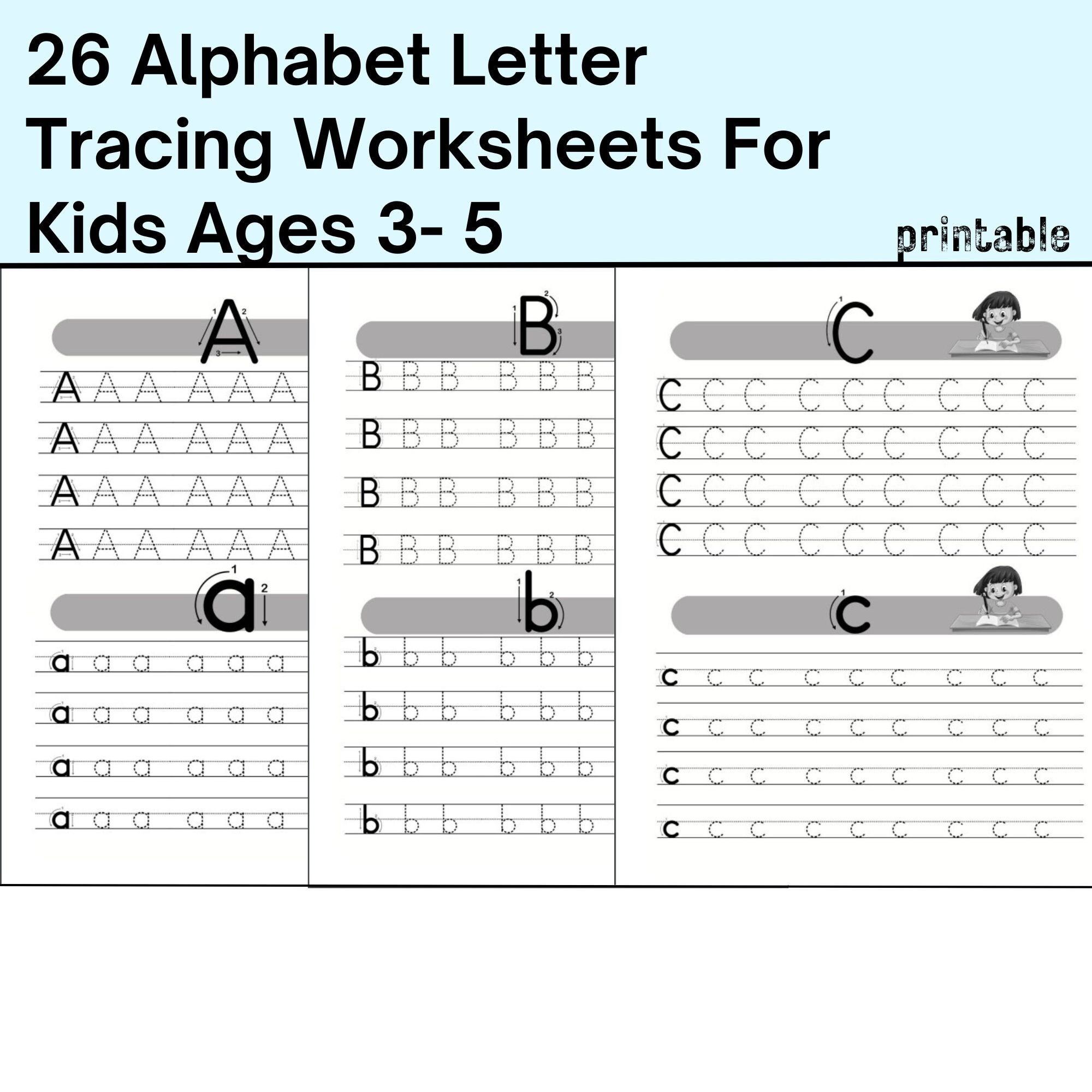
Tracing worksheets are excellent for developing fine motor skills. They typically feature dotted letters that children can trace over with a pencil or crayon. This activity helps children learn the correct formation of letters.
Coloring Pages
Coloring worksheets often include letters alongside fun illustrations. For example, a worksheet might display the letter “A” with an apple to color. This not only reinforces letter recognition but also enhances creativity and color awareness.
Matching Activities
Matching worksheets can help children connect letters with corresponding images. For instance, they might match the letter “B” with a picture of a ball. This activity promotes cognitive skills and reinforces learning through visual aids.
Letter Games
Some worksheets include simple games like dot-to-dot or mazes that incorporate letters. These games make learning interactive and fun, encouraging children to engage actively with the material.
How to Use Alphabet Worksheets at Home
Integrating alphabet worksheets into your home routine can be simple and effective. Here are some practical tips:
- Set a Regular Schedule: Dedicate a specific time each day for worksheet activities, like after lunch or during quiet time. Keeping a consistent schedule helps establish a routine.
- Create a Learning Space: Designate a comfortable area in your home with all necessary supplies, such as crayons, pencils, and paper. A consistent space can help your child focus and associate it with learning.
- Encourage Participation: Engage your child by asking them to say the letters aloud as they trace or color. This reinforces their learning and builds confidence.
- Mix Activities: Don’t limit your child to just worksheets. Incorporate other fun activities, like singing the alphabet song or playing letter recognition games, to keep their interest alive.
Where to Find Quality Alphabet Worksheets for Age 3
When searching for quality alphabet worksheets, consider the following sources:
- Printable Resource Websites: Many sites offer free or low-cost downloadable worksheets specifically designed for young learners. Look for sites that provide a variety of formats to cater to different learning styles.
- Educational Publishers: Some publishers specialize in educational material and may have comprehensive packs that include worksheets, games, and activities.
- Teacher Blogs: Many educators share free resources on their blogs. These can provide unique and creative worksheets that might not be found elsewhere.
Before downloading, check the reviews or ratings for the worksheets to ensure they are age-appropriate and engaging.
Tips for Printing and Using Worksheets
To get the most out of your alphabet worksheets, consider these practical printing and usage tips:
- Paper Quality: Use cardstock for durability, especially if your child will be using markers or wet media. Cardstock holds up better against wear and tear.
- Print Settings: If you have the option, print in portrait layout to fit standard letter-size paper. This is generally the best setting for most home printers.
- Lamination: If you plan to reuse the worksheets, consider laminating them. This allows for dry-erase markers to be used for tracing and drawing, making the worksheets last longer.
- Organize Your Materials: Keep your worksheets organized in a binder or folder. This makes it easy for your child to pick out activities they want to do, fostering independence in their learning.
By following these tips, you can create a fun and effective learning environment that encourages your child to explore the world of letters.
Additional Activities to Supplement Worksheets
While alphabet worksheets for age 3 are a fantastic resource, supplementing them with additional activities can enhance your child’s learning experience:
- Storytime: Read books that focus on the alphabet. Choose books that have colorful illustrations and interactive elements to keep your child engaged.
- Alphabet Crafts: Create simple crafts using letters. For example, cut out the letter “C” and decorate it with cotton balls to represent a cloud.
- Outdoor Letter Hunt: Go on a letter hunt in your backyard or at the park. Ask your child to find objects that start with specific letters to reinforce their learning.
- Use Technology: Educational apps that focus on letter recognition can provide interactive learning experiences. Choose apps that are age-appropriate and reinforce the skills learned through worksheets.
By combining these activities with alphabet worksheets, you create a well-rounded approach to early literacy that caters to different learning styles and keeps your child motivated.
Selecting the right alphabet worksheets for age 3 can significantly impact your child’s early literacy development. With engaging activities and creative approaches, you can foster a love for learning and set the stage for future educational success.