
When it comes to teaching first graders, one of the most essential skills to develop is their understanding of the alphabet. An effective tool in this journey is the Alphabet Worksheet For First Grade. Using this worksheet can help reinforce letter recognition, phonemic awareness, and writing skills. But how can you best utilize this resource in your classroom or at home? Let’s explore practical ways to integrate this worksheet into your teaching strategy.
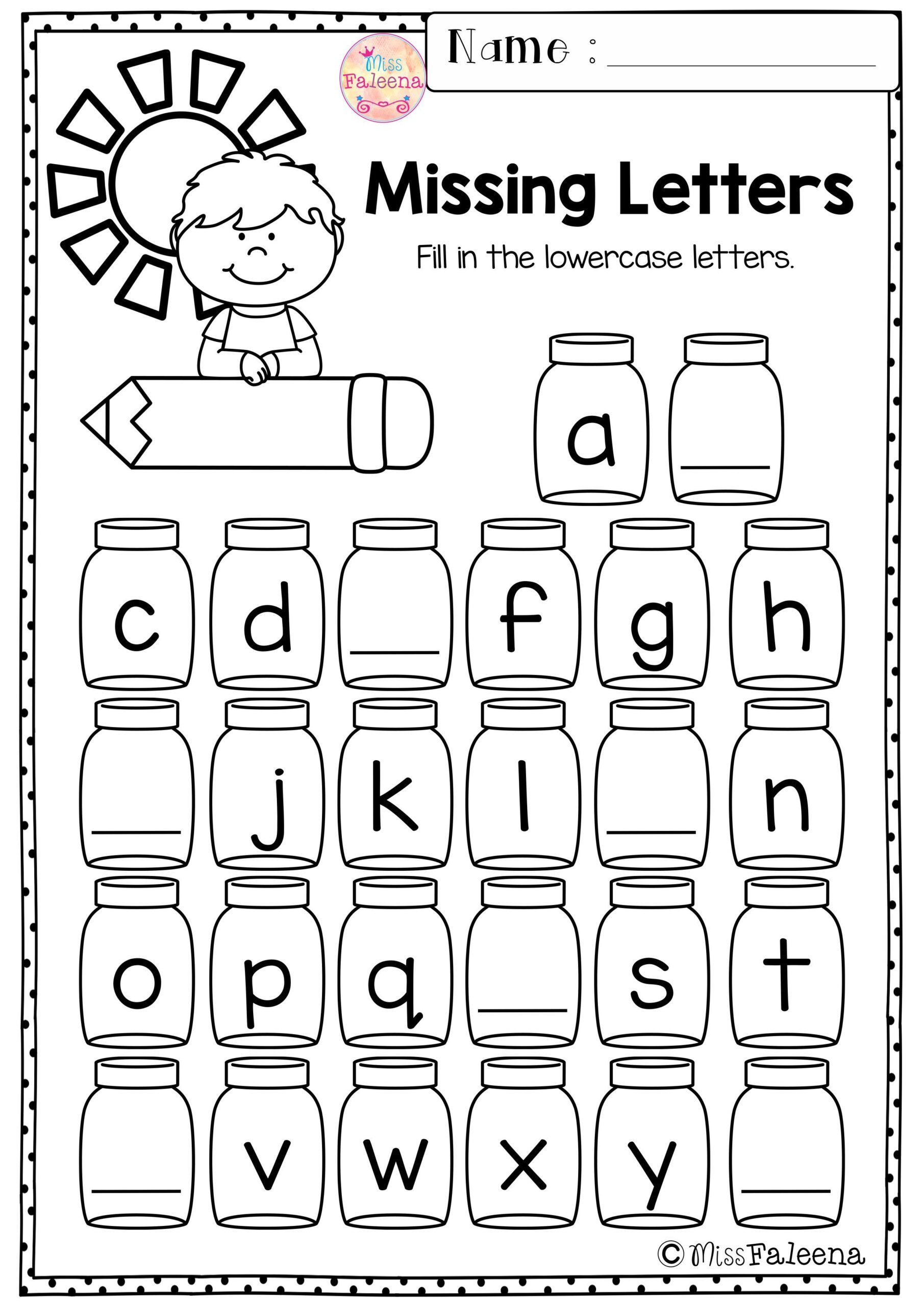
Understanding the Importance of Alphabet Worksheets
Alphabet worksheets serve as a foundational resource for first graders. They not only help with letter recognition but also assist in developing fine motor skills through writing practice. When children engage with these worksheets, they begin to associate letters with sounds, which is crucial for their reading development.
You might find that some students need extra support, while others may breeze through the material. The variety of activities typically included in an alphabet worksheet—such as tracing letters, identifying letters in words, and coloring—allows for differentiation in the classroom. This means you can cater to various learning speeds and styles seamlessly.
Key Features of an Effective Alphabet Worksheet
When selecting or creating an Alphabet Worksheet For First Grade, look for specific features that enhance its educational value:
- Clear Letter Representation: Each letter should be showcased in both uppercase and lowercase forms.
- Engaging Activities: Activities like tracing, matching, and filling in the blanks keep students engaged.
- Visual Aids: Including images that correspond to each letter can help reinforce learning. For instance, an “A” could be accompanied by an apple image.
- Space for Writing: Ensure there’s adequate space for students to practice writing each letter, both in isolation and in context (like writing simple words).
These features not only make the worksheet more interactive but also facilitate a better understanding of the alphabet.
How to Implement the Alphabet Worksheet in Class
Using the Alphabet Worksheet effectively requires planning. Here are a couple of practical strategies:
Small Group Activities
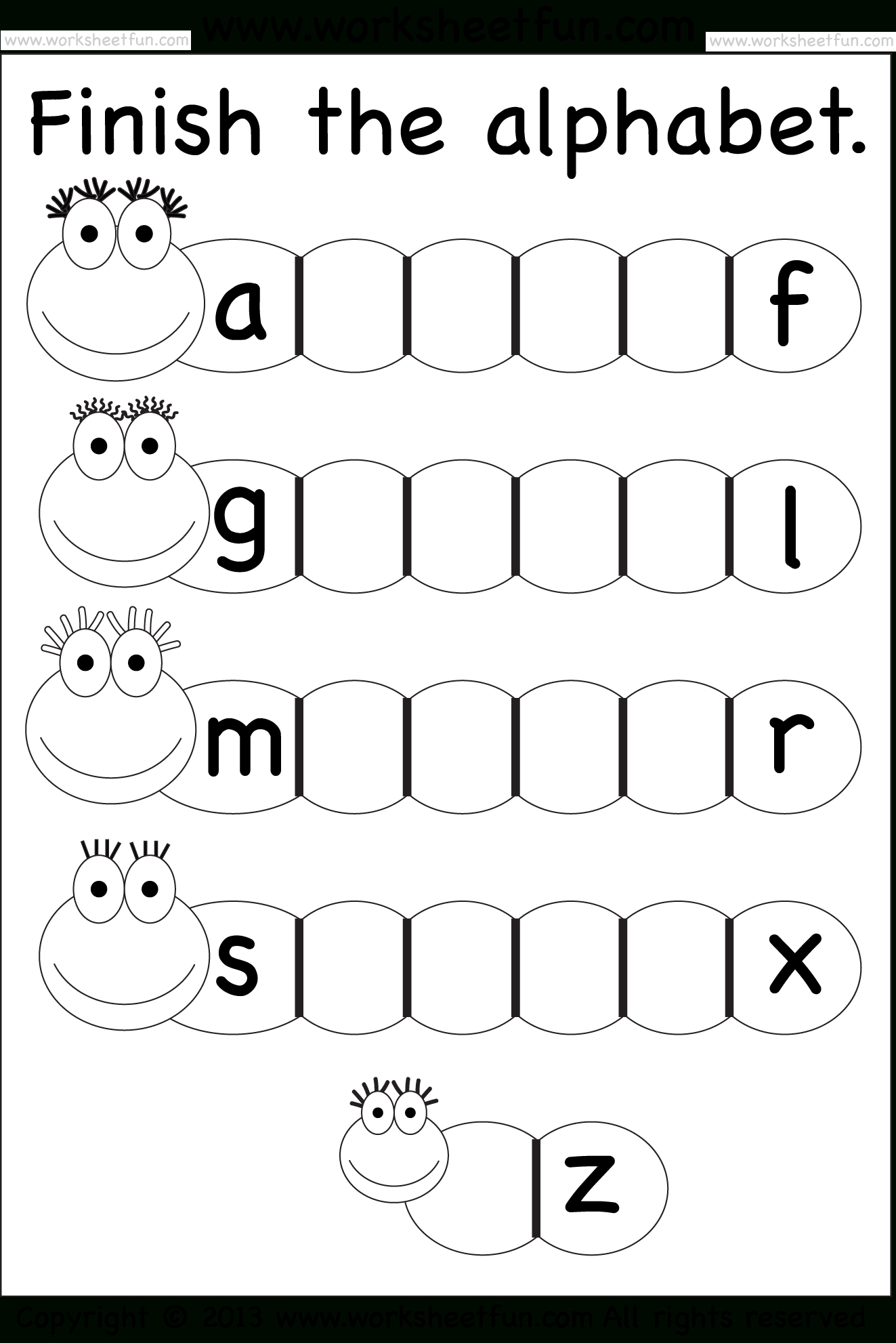
Divide your class into small groups and assign different sections of the worksheet to each group. For instance, one group could work on tracing letters, while another focuses on identifying letters within a word. This approach allows for targeted instruction and ensures students receive the attention they need.
Homework Assignments
You can also send the Alphabet Worksheet home as a homework assignment. This encourages parents to engage with their child’s learning. Provide simple instructions for parents on how they can assist their child with the worksheet. For example, they can emphasize the sounds of the letters as their child traces them.
Checking Progress: What Mastery Looks Like
Assessing students’ progress with the Alphabet Worksheet For First Grade can take various forms. Here’s how to gauge mastery:
- Letter Recognition: After students complete the worksheet, you can have a quick assessment where they identify letters out loud. This can be done one-on-one or in small groups.
- Writing Skills: Look for consistency in letter formation. Proper formation indicates that students are developing their fine motor skills and are understanding how to write letters correctly.
- Phonemic Awareness: You can ask students to say a letter and then provide a word that starts with that letter. This helps in ensuring they are making connections between letters and sounds.
If a student struggles with any of these assessments, you can tailor additional practice based on their specific needs, ensuring they have a solid grasp of the material.
Creative Extensions for Learning
Beyond the worksheet, there are several creative ways you can extend learning:
Alphabet Games
Incorporating games into your lesson plan can make learning more enjoyable. For example, you can play “Alphabet Bingo,” where students mark off letters as you call them out. This not only reinforces their recognition skills but also adds an element of fun to learning.
Interactive Storytime
Choose books that emphasize letter sounds and invite students to identify letters within the story. This cross-curricular approach not only emphasizes literacy skills but also fosters a love for reading.
Art Projects
Create an art project where students illustrate items that start with each letter of the alphabet. This hands-on activity reinforces their learning while allowing for creativity.
Adapting the Worksheet for Different Learning Styles
Every child learns differently, and it’s important to adapt the Alphabet Worksheet For First Grade accordingly. Here are ways to cater to various learning styles:
- Visual Learners: Include colorful images and allow students to use colored pencils or markers when tracing letters.
- Kinesthetic Learners: Pair the worksheet with activities that involve movement, like jumping to letters on a large floor mat.
- Auditory Learners: Incorporate songs or rhymes that emphasize the alphabet, allowing students to sing along while they work on the worksheet.
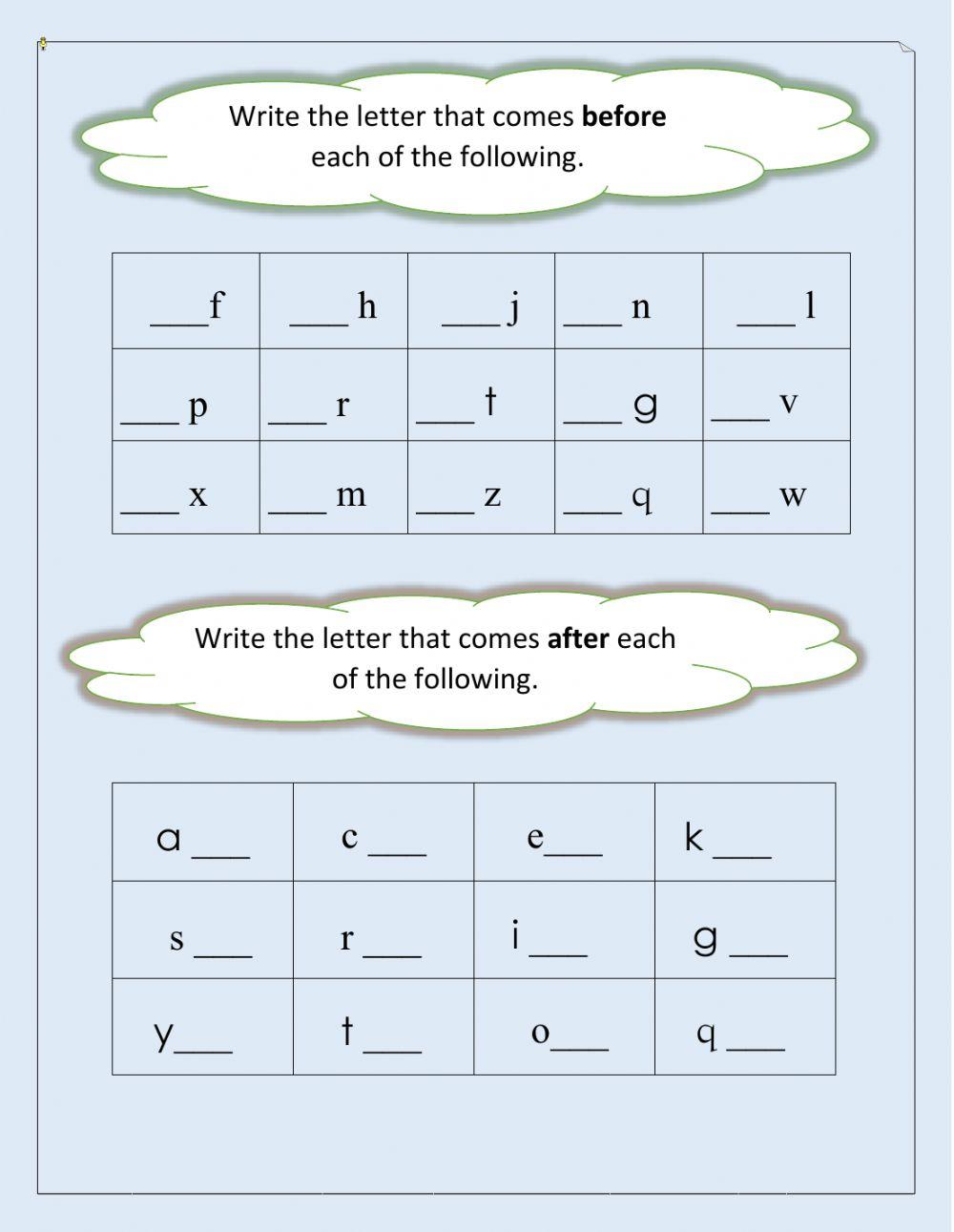
Practical Tips for Using the Worksheet at Home
If you’re a parent or caregiver using the Alphabet Worksheet at home, here are some tips to ensure effective learning:
- Set Up a Routine: Dedicate a specific time each day for alphabet practice. This can help instill a sense of discipline and consistency.
- Create a Reward System: Small rewards for completed worksheets can motivate children. Stickers or a little extra playtime can go a long way.
- Use Everyday Opportunities: Encourage children to find letters in their environment—on signs, packaging, or books. This reinforces learning outside of structured activities.
Incorporating the Alphabet Worksheet For First Grade into your teaching or home learning environment can be a game-changer for literacy development. By checking progress and adapting activities to meet individual needs, you can foster a love for learning in your students. So whether you opt for creative extensions or interactive assessments, each approach will help solidify their understanding of the alphabet.