
In a cozy corner of the classroom, a little girl named Emma excitedly flips through the pages of her new printable resources. Today, she’s diving into an Alphabet Worksheet For 3 Years Old, a tool designed to make learning letters both fun and interactive. As she traces the letters, her eyes light up with each new sound she discovers. This scene captures the essence of what an effective alphabet worksheet can bring to early education.
Understanding the Purpose of Alphabet Worksheets
Alphabet worksheets serve as valuable educational tools that help children recognize letters, associate them with sounds, and develop early writing skills. For a 3-year-old, these worksheets are not just about letters; they are about engaging the mind and fostering a love for learning.
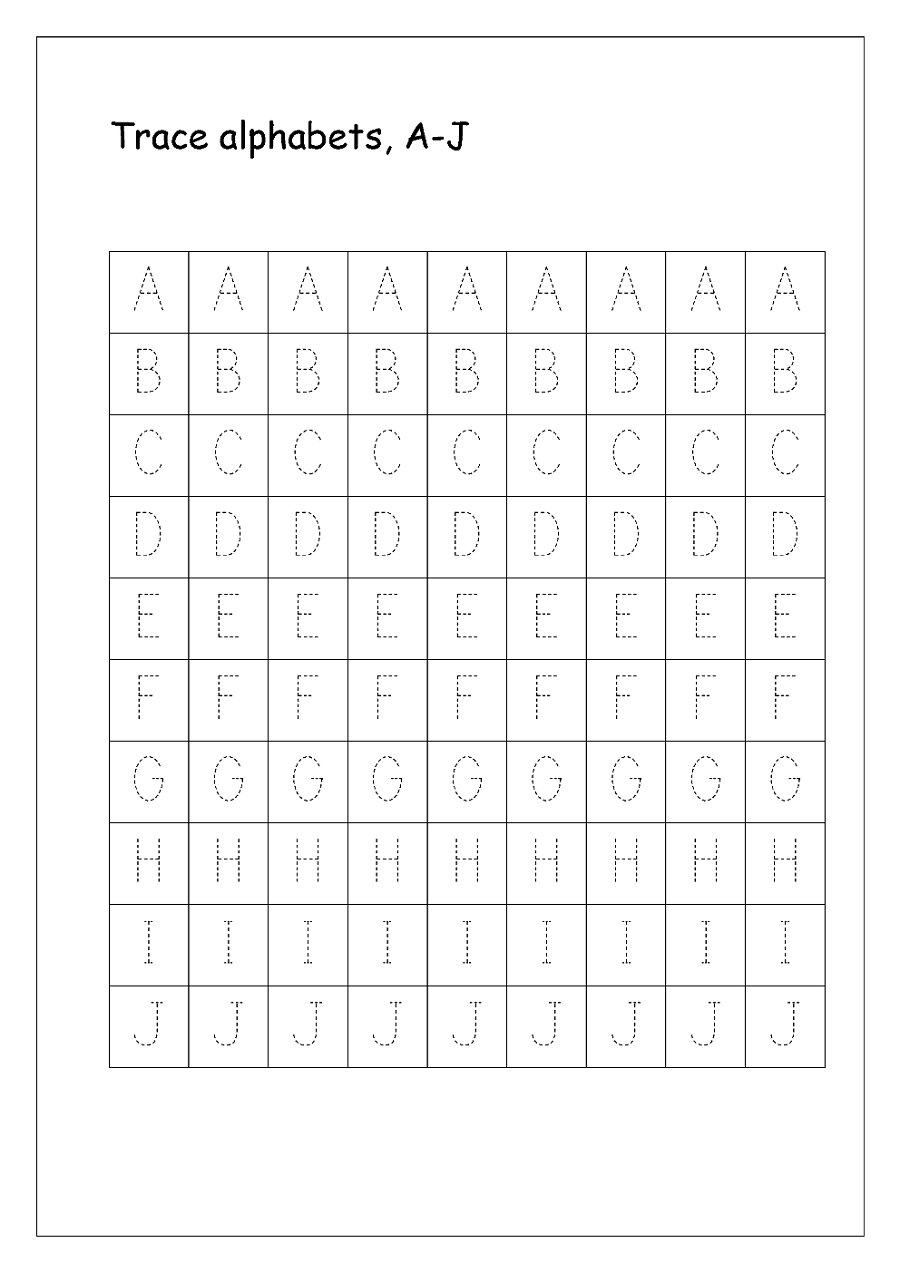
When using an Alphabet Worksheet For 3 Years Old, you’ll find various activities such as tracing, coloring, and matching letters to pictures. These tasks not only help with letter recognition but also enhance fine motor skills, which are vital for writing later on.
How to Use Alphabet Worksheets Effectively
To maximize the benefits of an Alphabet Worksheet, consider the following tips:
- Set Up a Learning Space: Create a dedicated area at home or in the classroom where children can focus on their worksheets. A small table with good lighting can make a big difference in their engagement.
- Use a Variety of Activities: Incorporate different types of tasks within the worksheet. For example, mixing tracing letters with coloring pictures of objects that start with the corresponding letter helps reinforce learning.
- Encourage Independence: While supervision is important, aim for your child to work independently on the sheet. Make sure the instructions are clear and straightforward so they can follow along without constant guidance.
- Provide Positive Reinforcement: Celebrate small achievements. If your child successfully traces a letter or identifies it correctly, give them praise. This encouragement can motivate them to continue their learning journey.
Engaging Activities to Include in Your Worksheets
When designing or selecting an Alphabet Worksheet For 3 Years Old, consider including the following activities:
Tracing Letters
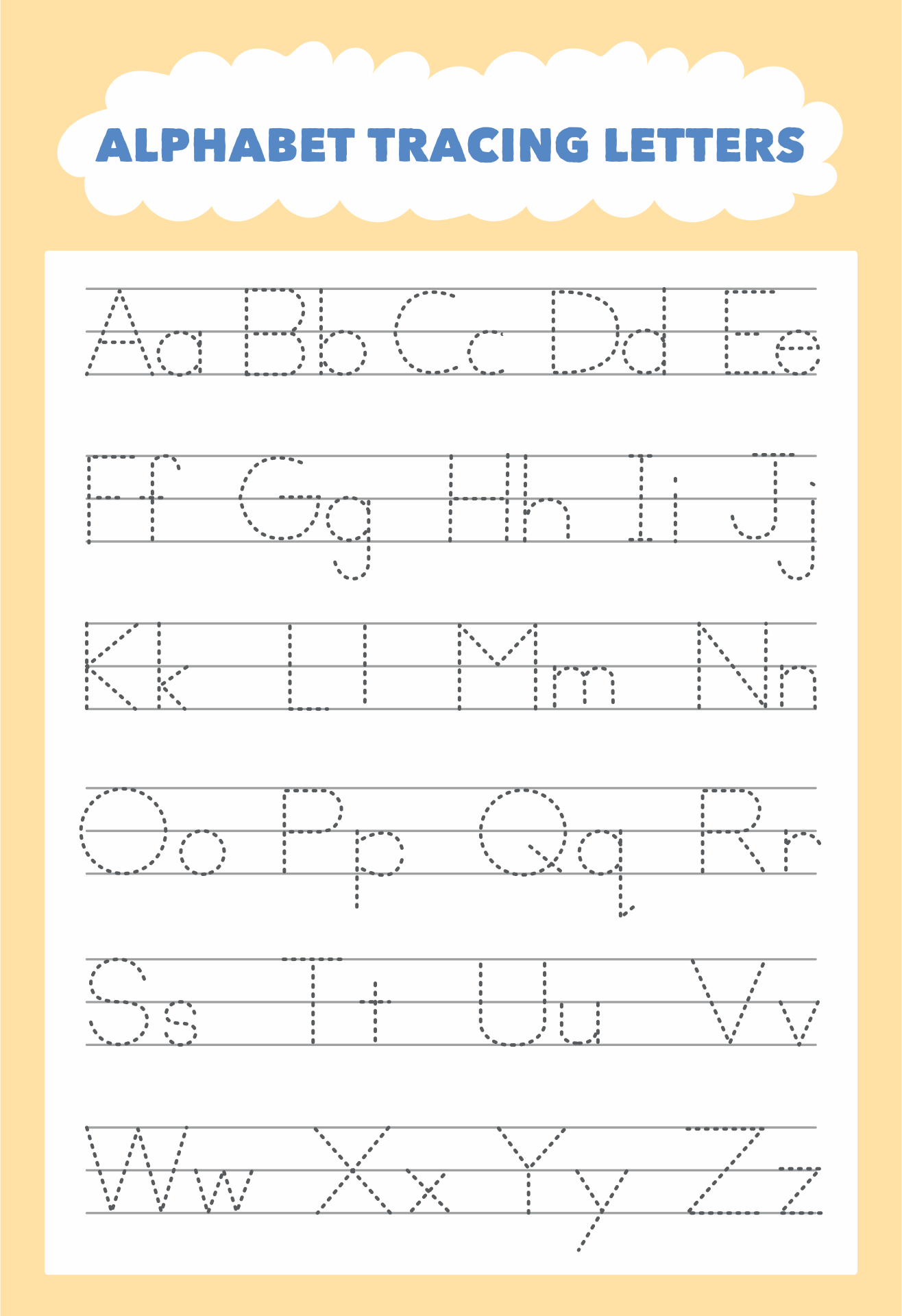
Tracing is a fundamental skill for young learners. Provide uppercase and lowercase letters for children to trace. Use dotted lines or light outlines to guide them. This activity not only helps them learn the shapes of the letters but also improves their hand-eye coordination.
Coloring Pages
Integrate coloring activities that correspond with each letter. For instance, a worksheet featuring the letter “A” could have an apple to color. This visual connection makes learning more memorable and enjoyable.
Letter Matching
Incorporate games where children match letters to pictures. For example, they can draw a line from the letter “B” to a picture of a ball. This reinforces letter sounds and helps kids make connections between letters and words.
Simple Word Formation
For those who are ready, introduce simple words using the letters they’ve learned. You can have them cut and paste letters to form words like “cat” or “dog.” This will enhance their understanding of how letters form words.
Tips for Printing and Preparing Worksheets
Getting the most out of your Alphabet Worksheet For 3 Years Old starts with proper preparation. Here are some practical tips:
- Choose the Right Paper: Use thicker paper, like cardstock, for durability, especially if you plan to reuse the worksheets. This prevents tear and wear from repeated use.
- Print Settings: Set your printer to high quality for clearer images and text. If your printer has an option for borderless printing, it may enhance the overall appearance of the worksheet.
- Lamination: Consider laminating the worksheets if you plan to use them multiple times. This allows kids to use dry-erase markers for tracing, making cleanup easy and promoting repetitive practice.
- Accessibility: Make sure the worksheets are easily accessible. Organize them in a folder or binder so that children can choose which letters they want to work on next.
Incorporating Technology
In today’s digital age, consider blending traditional worksheets with technology. There are many educational apps that complement the learning experience of an Alphabet Worksheet For 3 Years Old. These apps often include interactive games that reinforce letter recognition and phonics, making learning even more engaging.
However, balance screen time with hands-on activities. Worksheets provide tactile experiences that are crucial for young children’s development.
Monitoring Progress
As children work through their Alphabet Worksheets, keep track of their progress. This can be as simple as checking off letters they’ve mastered or noting which areas need more practice. Regular assessments help ensure that children are not only recognizing letters but are also developing confidence in their abilities.
By observing their progress, you can tailor future worksheets to address their specific needs, creating a more personalized learning experience.