
When it comes to teaching young children their letters, an effective tool is the Alphabet Worksheet 5 Year Olds. This resource is designed to make learning fun and interactive, allowing children to practice their letters through various activities. Worksheets can enhance literacy skills, making them a staple in both classroom and home settings. Here, we’ll explore how to effectively use these worksheets, what types of activities they might include, and tips for maximizing their impact.
Understanding the Importance of Alphabet Worksheets
Alphabet worksheets play a vital role in early literacy education. For 5-year-olds, these worksheets can help develop essential skills such as letter recognition, phonemic awareness, and fine motor skills. By using engaging activities, children are more likely to retain the information and enjoy the learning process.
Worksheets can include a variety of exercises such as tracing letters, matching uppercase and lowercase letters, and coloring activities that reinforce letter recognition. When children actively engage with the material, they are more likely to remember the letters and their sounds.
Types of Activities Found in Alphabet Worksheets
Alphabet worksheets can feature a range of activities tailored to different learning styles. Here are some common types:
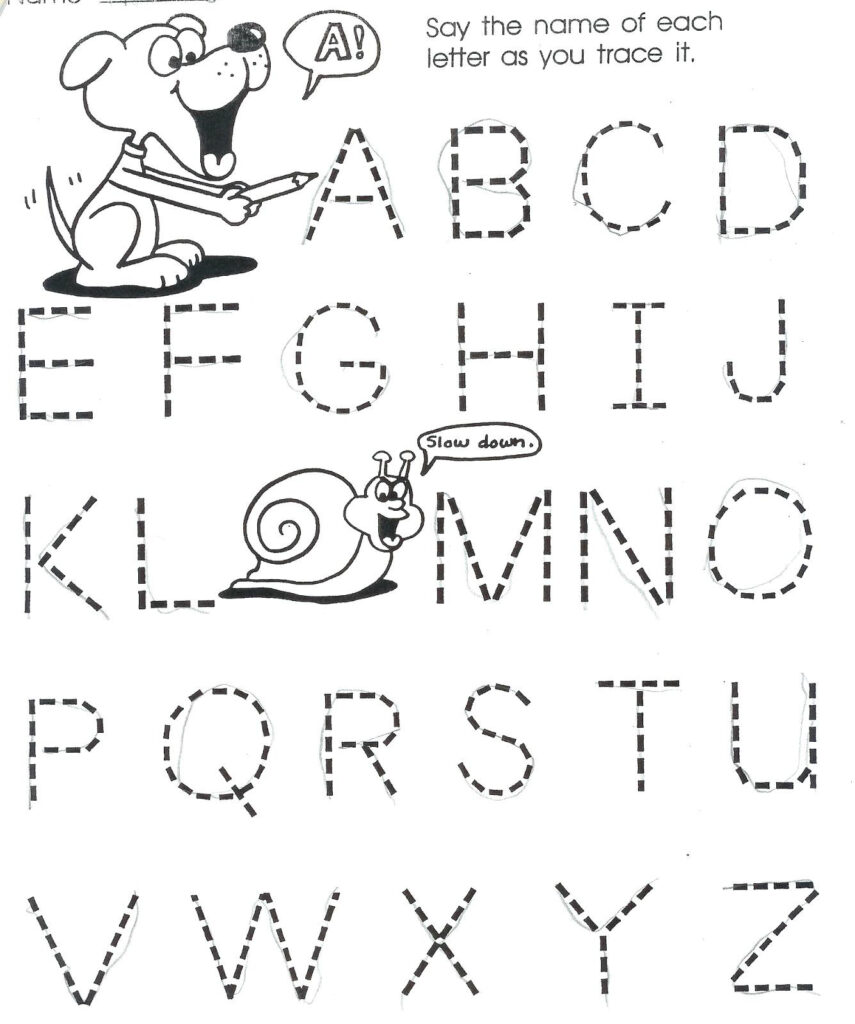
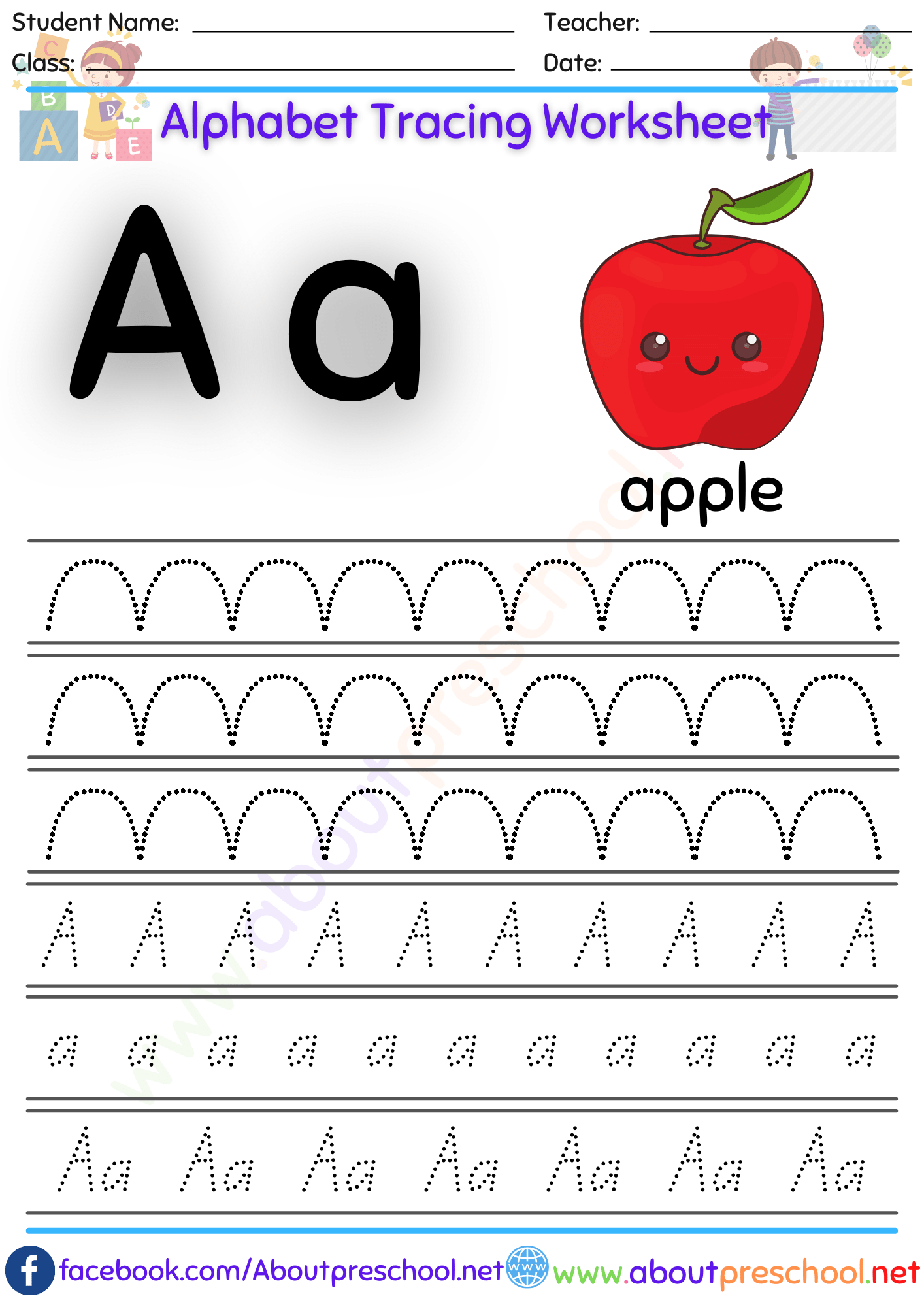
- Tracing Letters: Worksheets may include dotted lines for children to trace both uppercase and lowercase letters. This activity helps improve fine motor skills while reinforcing letter shapes.
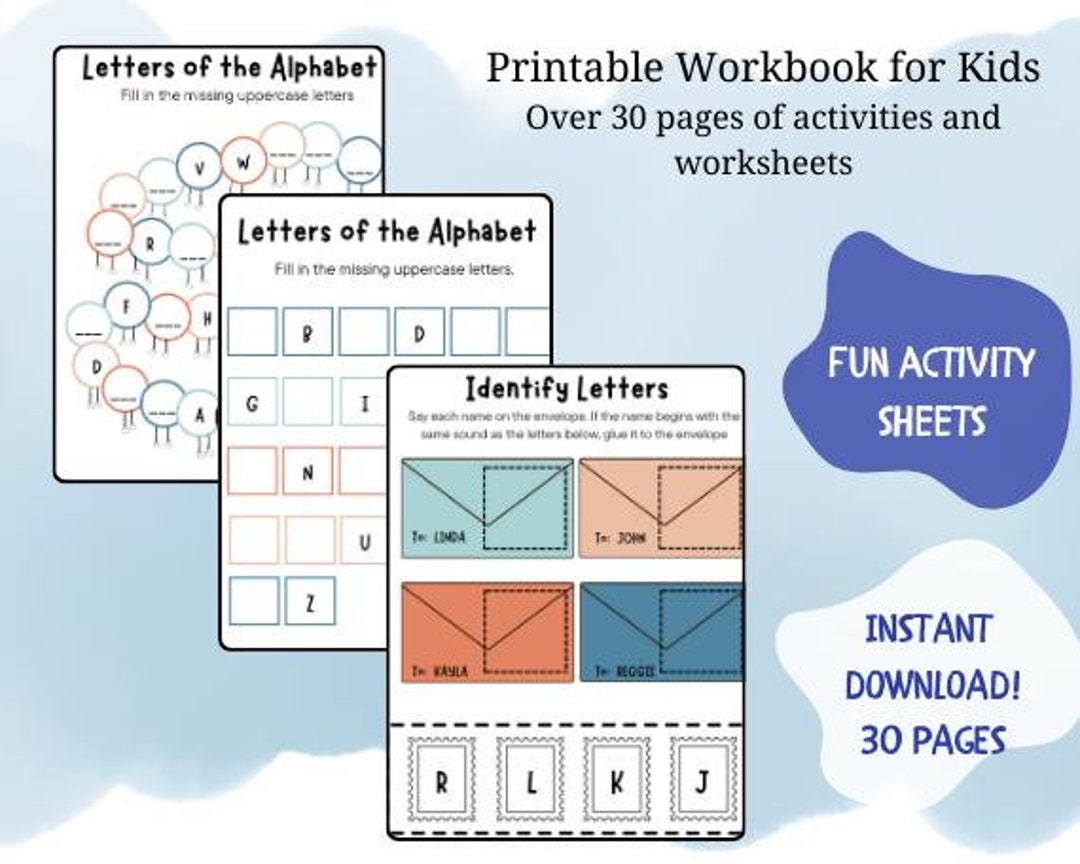
- Letter Matching: Some worksheets require children to match uppercase letters with their lowercase counterparts. This activity aids in letter recognition and understanding the alphabet’s structure.
- Coloring Activities: Coloring pictures that start with a specific letter can make learning more enjoyable. For example, an “A” worksheet might include an image of an apple for coloring.
- Fill-in-the-Blanks: These worksheets may have missing letters in words, encouraging children to think critically about letter placement and phonics.
- Letter Sounds: Worksheets that include images and ask children to identify the beginning sound can help reinforce phonemic awareness.
How to Use Alphabet Worksheets Effectively
To maximize the benefits of Alphabet Worksheet 5 Year Olds, consider the following practical tips:
- Create a Routine: Incorporate worksheet activities into a daily or weekly routine. Consistency helps reinforce learning.
- Use a Variety of Worksheets: Rotate different types of worksheets to keep children engaged. This prevents boredom and caters to various learning preferences.
- Encourage Independence: Allow children to work on worksheets independently, but be available to assist if needed. This builds confidence and self-reliance.
- Incorporate Play: Use interactive games alongside worksheets. For instance, create a scavenger hunt for items that start with specific letters to make learning dynamic and fun.
- Monitor Progress: Keep track of children’s progress through their worksheets. This will help identify areas where they excel or need additional support.
Choosing the Right Printable Alphabet Worksheets
When selecting worksheets, look for resources that are age-appropriate and aligned with educational standards. Here are some factors to consider:
- Quality of Design: Worksheets should be visually appealing and easy to understand. Simple layouts with clear instructions work best for young learners.
- Variety of Activities: Choose worksheets that offer a mix of activities to cater to different learning styles and keep children engaged.
- Download and Print Options: Opt for resources that can be easily downloaded and printed at home. Ensure the format is compatible with your printer to avoid issues.
You might also consider the age recommendations or skill levels indicated on the worksheets. Alphabet worksheets designed specifically for 5-year-olds will typically focus on foundational skills and be less complex than those intended for older children.
Tips for Successful Implementation in the Classroom or Home
Implementing these worksheets in a classroom or homeschool setting can be straightforward. Here are some tailored strategies:
- Group Activities: In a classroom, use worksheets as part of group activities. Children can work in pairs or small groups, promoting collaboration and communication.
- Parental Involvement: Encourage parents to engage with their children when using worksheets at home. This can enhance learning and strengthen the parent-child bond.
- Incorporate Technology: If available, use tablets or computers to access digital versions of worksheets. Some children may respond better to interactive, digital formats.
- Feedback and Adjustment: Be open to feedback from children. If a particular activity isn’t resonating, be willing to adjust the worksheets or incorporate different methods of teaching.