
Young learners can greatly benefit from a well-structured Alphabet Work Sheet For Kids. These worksheets are not only printable but also designed to be engaging and educational, promoting letter recognition and phonetic awareness. With the right approach, you can easily integrate these worksheets into your teaching or homeschooling routine, helping children develop foundational literacy skills.
Understanding the Importance of Alphabet Worksheets
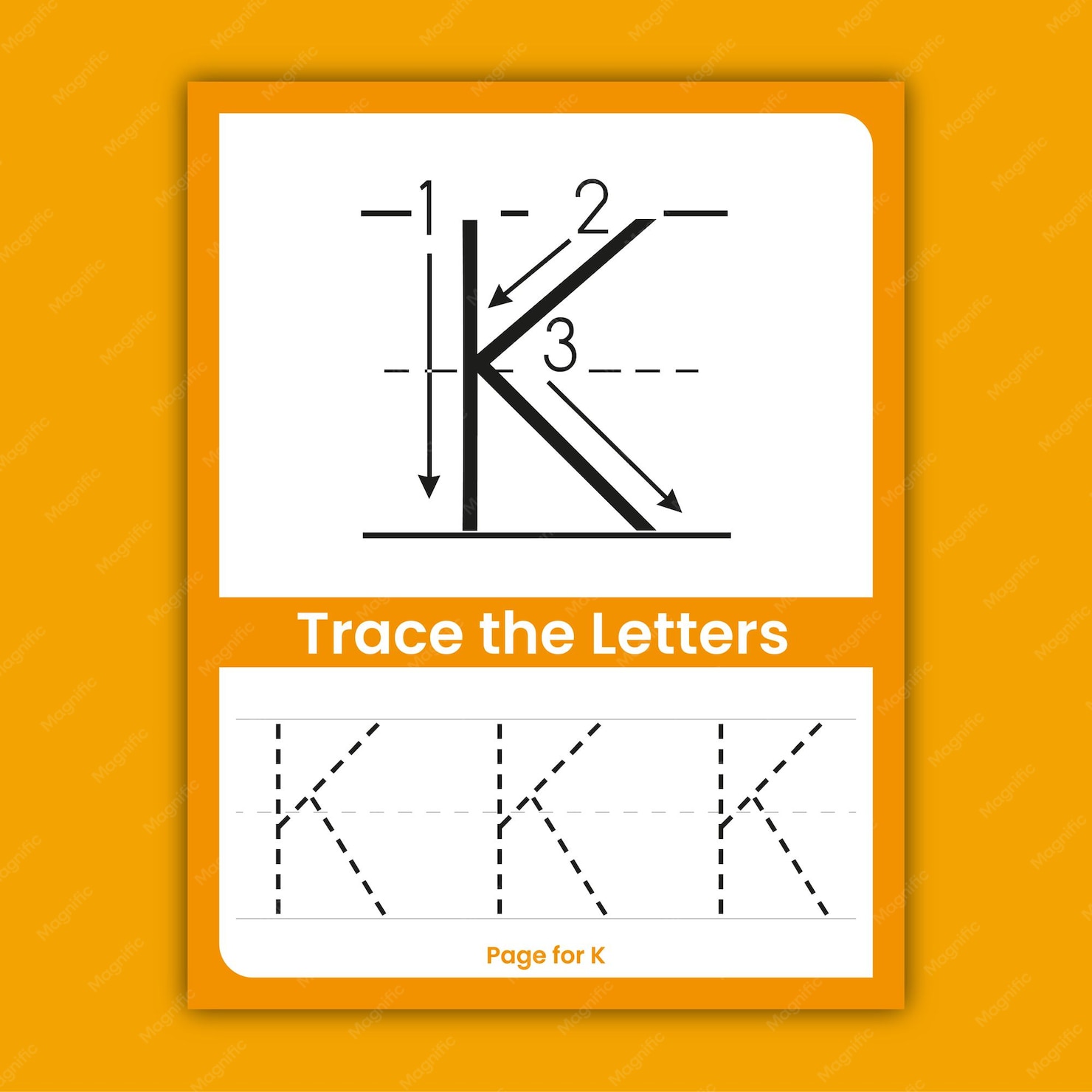
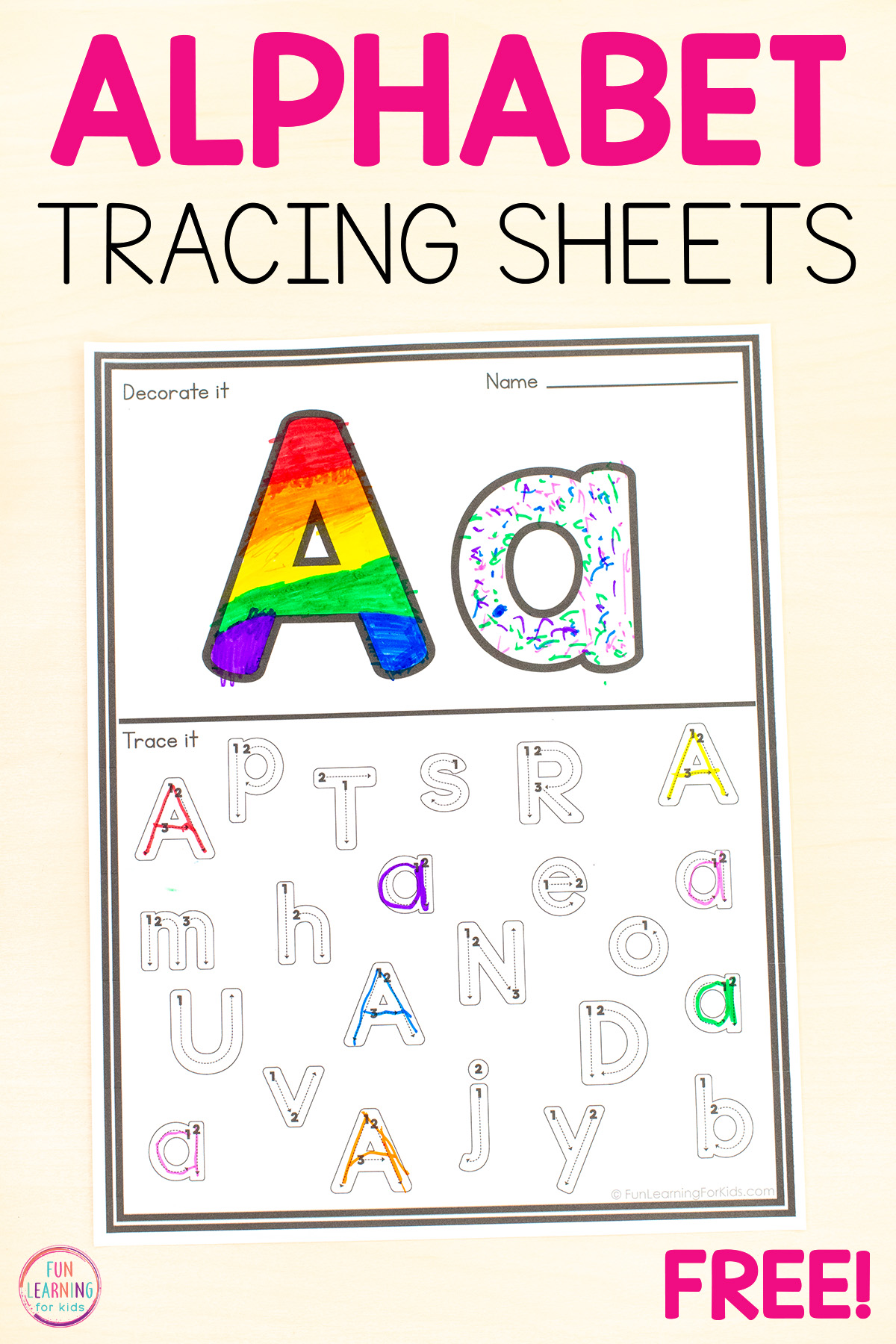
Alphabet worksheets serve as a vital tool in early childhood education. They provide children with the opportunity to practice letter recognition, improve fine motor skills through writing, and enhance their phonetic awareness. By incorporating these worksheets into your lessons, you can foster a love for learning and help children build confidence in their reading abilities.
Choosing the Right Alphabet Work Sheet For Kids
Selecting the appropriate worksheet is crucial. Here are some key factors to consider:
- Age Appropriateness: Ensure that the worksheet matches the developmental level of your students. Most worksheets are suitable for preschool and kindergarten children aged 3-6 years.
- Engagement Level: Look for worksheets that incorporate fun graphics, colors, and activities that capture children’s attention. This helps maintain their interest and makes learning enjoyable.
- Skill Focus: Decide whether you want the worksheet to focus on uppercase letters, lowercase letters, or both. This will help tailor your lessons to meet specific learning objectives.
How to Download and Print the Worksheets
Once you have chosen the right Alphabet Work Sheet For Kids, follow these simple steps to download and print:
- Find a Reliable Source: Use a trustworthy printable-resource website that offers a variety of worksheets. Look for sites that provide high-quality PDFs to avoid formatting issues.
- Download the Worksheet: Click the download button for the worksheet you selected. Ensure you are downloading in PDF format for easy printing.
- Print Settings: Set your printer to print in portrait layout, which is generally best for worksheets. Use standard letter size (8.5 x 11 inches) for optimal results.
- Paper Quality: For durability, consider printing on cardstock, especially if the worksheet will be used multiple times or laminated for reuse.
Setting Up the Worksheets for Use
After printing, it’s time to prepare the worksheets for your students. Here are some effective strategies to set them up:
- Lamination: If you want to use the worksheets multiple times, laminating them allows you to use dry erase markers, making them reusable.
- Organizing Materials: Provide children with crayons, markers, or colored pencils to make the activity interactive. Organize these materials in a way that is easily accessible for the students.
- Creating a Learning Environment: Set up a dedicated space for the children to work on the worksheets. Ensure it’s quiet and free from distractions, allowing them to focus on their tasks.
Engaging Children With the Worksheets
To maximize the effectiveness of the Alphabet Work Sheet For Kids, consider these engaging activities:
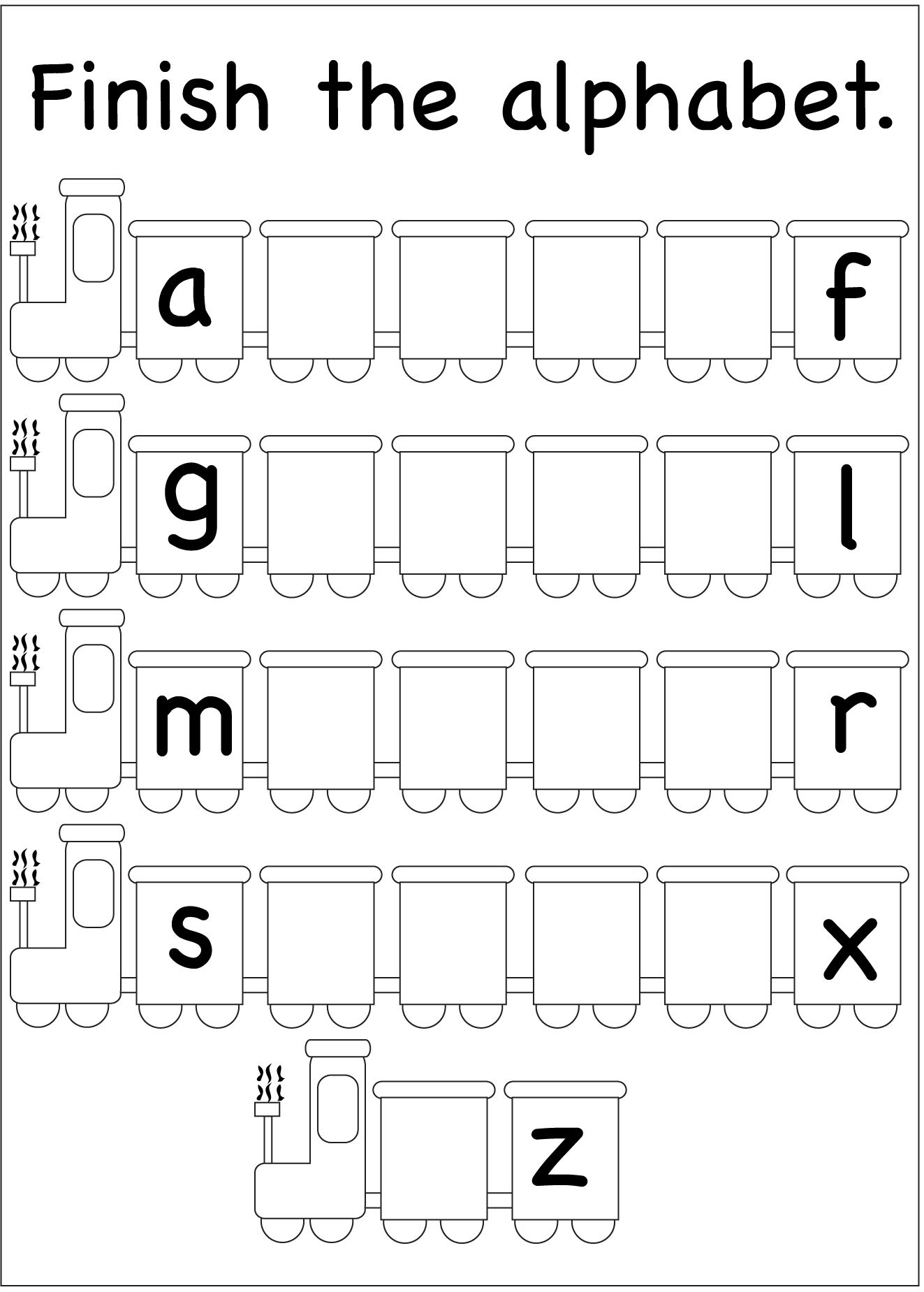
- Letter Recognition Games: Incorporate games where children must find and circle letters on the worksheet. This reinforces their recognition skills in a fun way.
- Phonics Practice: Encourage kids to say the sound of each letter as they write it. This helps them connect letters with their phonetic sounds.
- Coloring Activities: Use the coloring pages included with the worksheets to make learning more enjoyable. Children can color pictures that correspond with the letters they are learning.
Assessing Progress and Encouragement
As children work through the worksheets, it’s essential to monitor their progress and provide encouragement. Here are a few strategies:
- Regular Check-Ins: Walk around and observe how each child is progressing. Offer assistance as needed and provide positive reinforcement for their efforts.
- Celebrate Achievements: Acknowledge when children complete a worksheet or master a letter. This could be as simple as a sticker or verbal praise, which boosts their motivation.
- Adaptation: If a child struggles with certain letters, consider creating targeted worksheets that focus specifically on those letters to reinforce learning.
By integrating these Alphabet Work Sheets For Kids into your teaching practices, you’ll be providing an essential resource that supports literacy development in a fun and engaging way.
Expanding Learning Beyond Worksheets
While worksheets are valuable, consider incorporating other resources to enhance learning:
- Storybooks: Use books that emphasize letters and sounds to complement the worksheets. This integrates literacy skills into storytelling.
- Interactive Apps: Introduce educational apps that promote letter recognition and phonics in a playful environment, giving children a variety of learning experiences.
- Hands-On Activities: Create activities involving physical objects, such as letter blocks or magnets, allowing children to build words and letters in a tactile way.
Utilizing an Alphabet Work Sheet For Kids can significantly impact early literacy development. Remember, the key is to create an engaging, supportive environment that fosters a love for learning. Keeping lessons dynamic and varied will ensure children stay excited about their progress and the world of letters.