
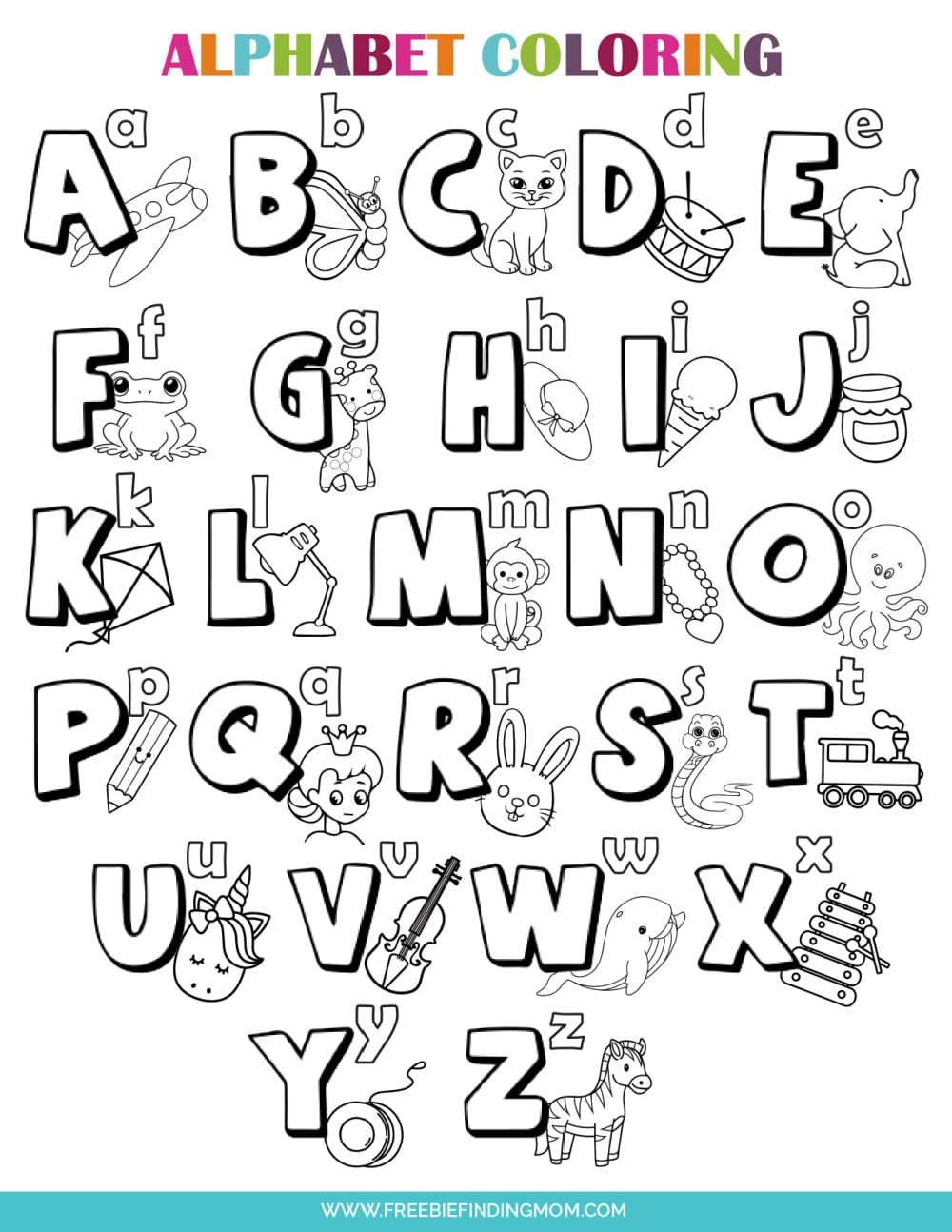
In a bustling classroom, Ms. Johnson watches as her kindergarteners eagerly gather around the table, crayons in hand. Today is special; they’re diving into an activity that combines learning and creativity: coloring the alphabet! The resource she’s using, Alphabet To Color For Kids, is designed to help children recognize letters while expressing their artistic flair. This engaging activity not only reinforces letter recognition but also allows kids to explore their creativity in a structured way.
The Importance of Coloring in Early Education
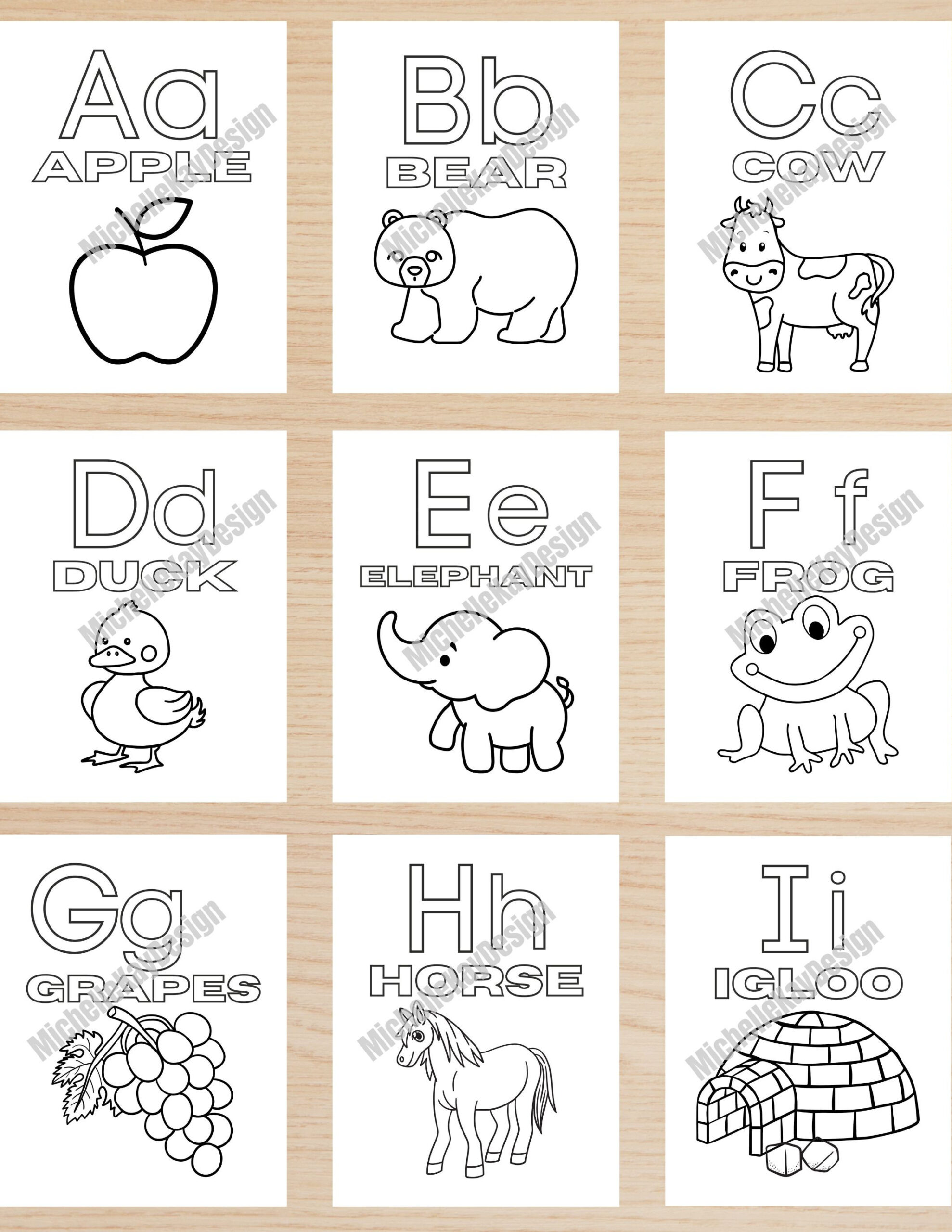
Coloring is more than just a fun pastime; it plays a vital role in early childhood education. For young learners, the act of coloring helps develop fine motor skills, enhances hand-eye coordination, and fosters creativity. Additionally, when children color letters, they engage in a multisensory experience that reinforces their learning. The Alphabet To Color For Kids resource is particularly effective because it combines visual, tactile, and cognitive learning styles.
By integrating coloring into your lesson plans, you can create a more dynamic learning environment. Children who struggle with traditional learning methods often find coloring to be a more approachable way to learn. It also encourages focus and patience, qualities that are essential for academic success.
How to Use Alphabet To Color For Kids Effectively
To maximize the benefits of Alphabet To Color For Kids, consider the following practical tips:
- Set Up a Dedicated Space: Designate a specific area in your classroom or home for coloring activities. A quiet, well-lit space with ample supplies will enhance the experience.
- Gather Supplies: Ensure you have a variety of coloring materials accessible, such as crayons, markers, colored pencils, and even watercolor paints. Providing different tools can make the activity more engaging.
- Integrate with Other Lessons: Use the alphabet coloring pages to complement other subjects. For example, after learning about animals, allow children to color the letter ‘A’ while discussing ‘A for Alligator.’
- Encourage Discussion: While children color, engage them in conversation about the letters and words they are coloring. This reinforces vocabulary and promotes language skills.
Spacing Practice Across the Week
Introducing the Alphabet To Color For Kids resource doesn’t have to be a one-off activity. Instead, consider spreading it over the week for maximum retention. Here’s how you can structure it:
- Monday: Introduce the letters A, B, and C. Provide corresponding coloring pages. Discuss each letter’s sound and a word that starts with it.
- Tuesday: Review the letters from Monday and introduce D, E, and F. Encourage kids to share the words they colored.
- Wednesday: Have a coloring day where students can freely choose any letter they want to color from the previous days. This fosters independence and choice.
- Thursday: Create a mini alphabet book. Each child can select their favorite letter from the week, color it, and add a picture or word that represents it.
- Friday: Host a gallery walk. Display the completed alphabet pages around the classroom, allowing children to appreciate each other’s work.
By spacing the practice out, children can reinforce their learning without feeling overwhelmed.
Tracking Progress With Coloring Activities
As a teacher or parent, tracking progress is crucial to understanding a child’s development. Here are some ways to monitor their learning while using Alphabet To Color For Kids:
- Create a Progress Chart: Keep a chart that marks each letter as your child completes it. This gives a visual representation of their accomplishments.
- Reflective Discussions: After each coloring session, have a brief discussion about what they learned. Ask questions like, “What sound does the letter make?” or “Can you think of another word that starts with this letter?”
- Portfolio of Work: Collect the colored pages in a folder or binder. This not only serves as a keepsake but also allows you to track improvement in coloring skills and letter recognition over time.
Additional Activities to Enhance Learning
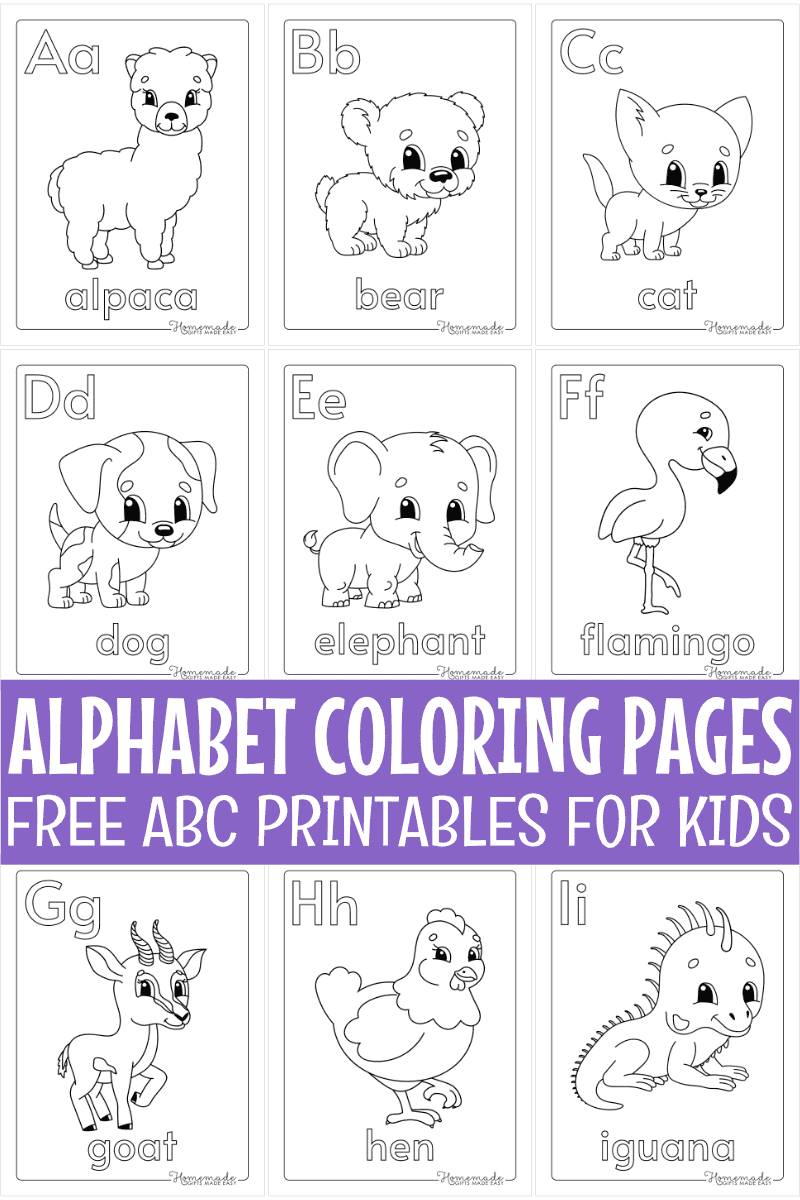
To further enrich the learning experience with Alphabet To Color For Kids, consider incorporating these additional activities:
- Letter Crafts: Create crafts that correspond with each letter. For instance, after coloring the letter ‘B,’ you might make a paper bag puppet of a bear.
- Story Time: Choose books that focus on letters or words that begin with the letters they are coloring. This reinforces their learning in a different context.
- Interactive Games: Incorporate games that involve letter recognition, such as an alphabet scavenger hunt, where children find items around the room that start with the letters they’ve learned.