
Learning to write the alphabet is a crucial step in early childhood education. However, many young learners struggle with proper letter formation. This is where Alphabet Printing Practice Worksheets Free come into play. These worksheets provide structured opportunities for children to practice their handwriting, ensuring they develop confidence and competence in their writing skills.
Understanding Alphabet Printing Practice Worksheets
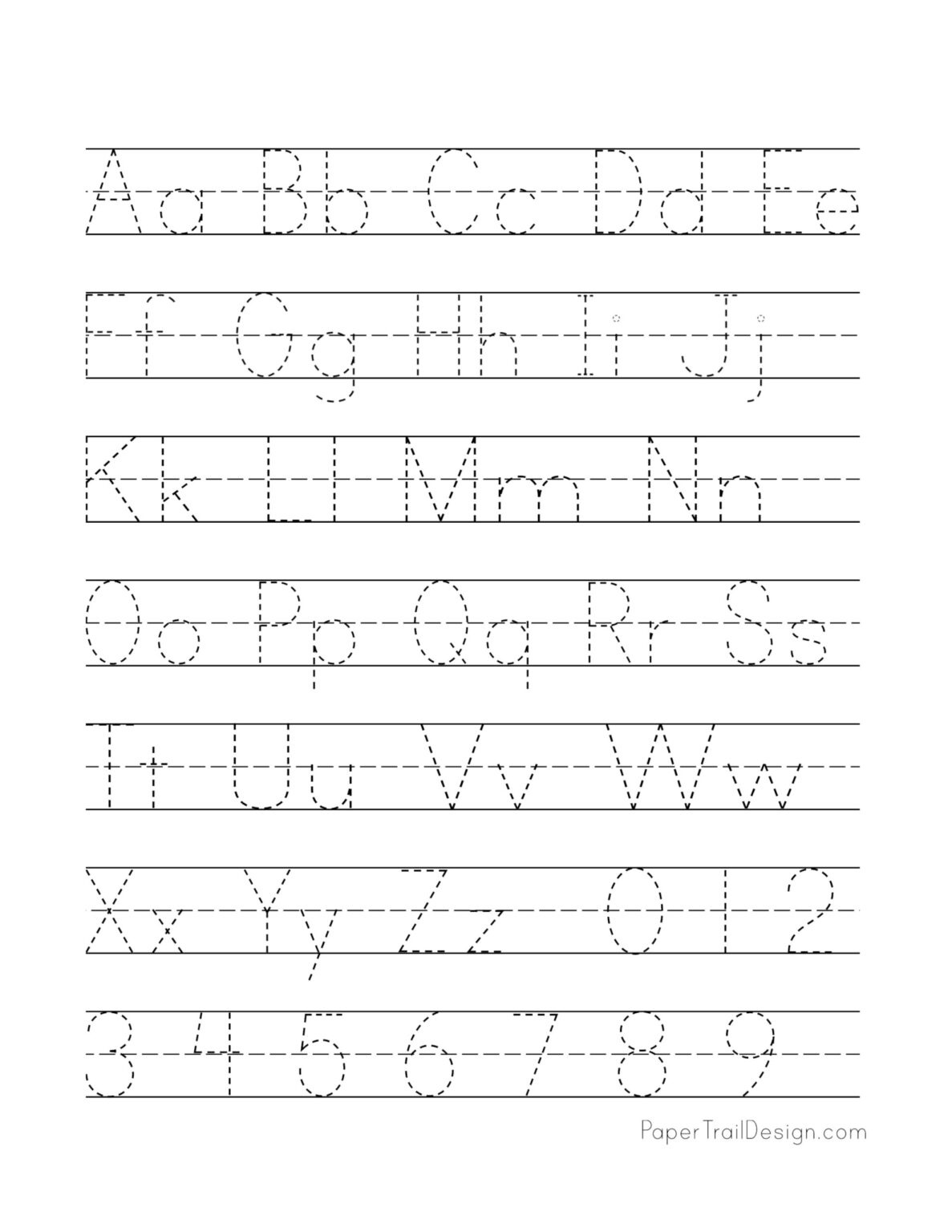
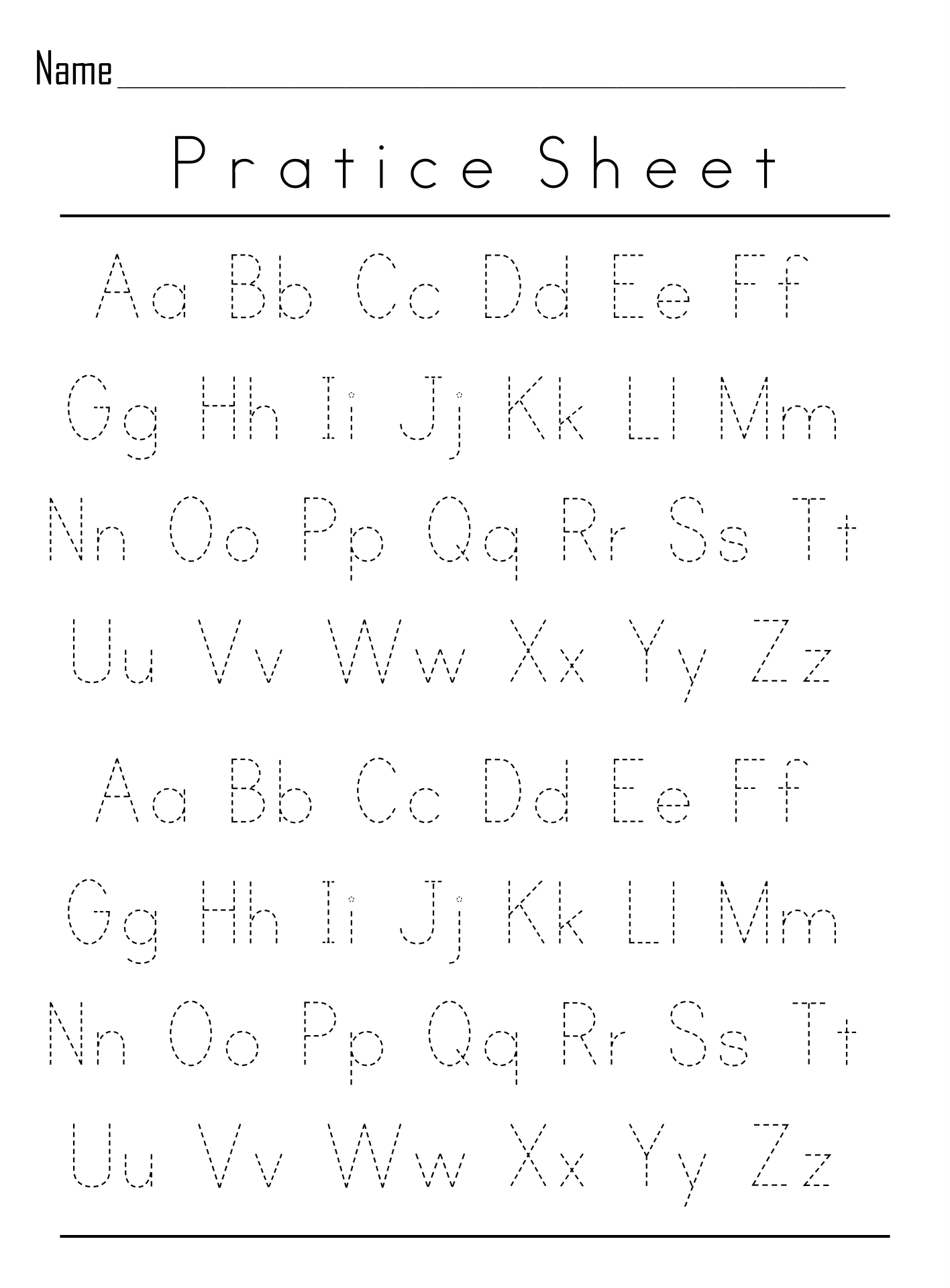
Alphabet printing practice worksheets are designed to help children practice writing letters in both uppercase and lowercase forms. They often include traceable letters, blank lines for freehand writing, and sometimes even fun illustrations to engage students. Typically suitable for preschool and kindergarten-aged children, these worksheets serve as an excellent tool for reinforcing letter recognition and formation.
Why Use These Worksheets?
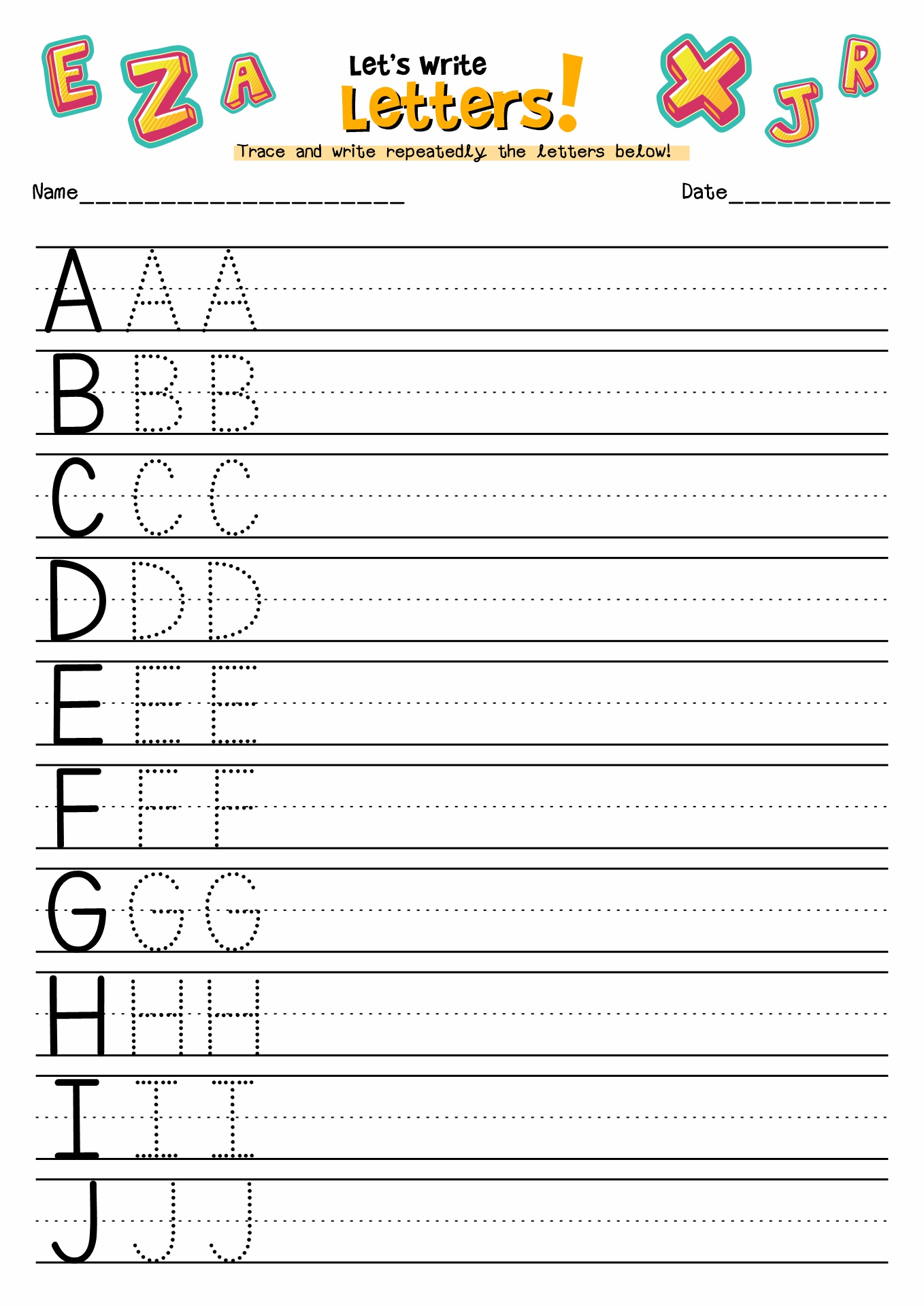
Using Alphabet Printing Practice Worksheets Free allows teachers and parents to track a child’s progress. By observing how neatly and accurately a child can write each letter, you can gauge their understanding and comfort level with the alphabet. These worksheets not only help with writing skills but also promote fine motor development, which is essential for young learners.
How to Access and Download Worksheets
Finding free alphabet printing practice worksheets is straightforward. Here’s a simple step-by-step guide:
- Search for Reliable Resources: Use search engines like Bing to find websites that specialize in educational resources. Look for sites that offer free downloads.
- Select the Worksheets: Choose worksheets that are appropriate for your child’s age and skill level. Some websites allow you to filter results by grade level or skill.
- Download the Files: Most resources will be in PDF format, which is ideal for printing. Ensure your device can handle PDF files.
- Print the Worksheets: Use a standard home printer. For best results, set your printer to print in portrait orientation and use high-quality paper or cardstock to withstand repeated use.
Tips for Printing
- If you’re using a home printer, check the ink levels before printing to avoid faded letters.
- Consider printing on cardstock if you plan to laminate the worksheets for durability. This is especially useful for repeated practice.
Setting Up for Successful Use
Once you have your worksheets printed, it’s time to set up a conducive learning environment. Here are some practical steps to ensure success:
- Create a Comfortable Workspace: Find a quiet area with good lighting. Make sure your child has a comfortable chair and table at the right height.
- Gather Necessary Supplies: Have pencils, erasers, and possibly some colored pencils or markers handy. These tools can make the practice more engaging.
- Establish a Routine: Consistency is key. Set aside a specific time each day for practice to help your child establish a writing routine.
Monitoring Progress
As your child works through the worksheets, keep an eye on their progress. Here are a few things to note:
- Letter Formation: Are they forming letters correctly? Look for consistent mistakes that might indicate a need for additional practice.
- Speed and Fluidity: Is your child able to write letters quickly without losing accuracy? This is a good indicator of their comfort with the material.
- Confidence Levels: Encourage your child and celebrate their successes, no matter how small. Building confidence is crucial at this stage.
Engaging Activities With Worksheets
To keep the practice fun and engaging, consider integrating additional activities alongside the worksheets. Here are some ideas:
- Coloring Activities: After practicing writing letters, have your child color pictures that begin with that letter. For example, after practicing ‘A’, they could color an apple.
- Letter Hunts: Create a scavenger hunt where your child finds items around the house that begin with specific letters.
- Games: Incorporate letter-themed games that reinforce their learning. Flashcards, bingo, or online games can provide a break from traditional worksheets while still being educational.
Using Worksheets for Assessment
Alphabet printing practice worksheets can also serve as informal assessments. By reviewing completed worksheets, you can:
- Identify which letters your child struggles with.
- Determine if they need more practice with uppercase versus lowercase letters.
- Assess their overall progress over time, which can be useful for reporting to teachers if your child is in a formal educational setting.
Making the Most of Your Worksheets
To maximize the effectiveness of the Alphabet Printing Practice Worksheets Free, consider these additional strategies:
- Provide Immediate Feedback: As your child completes each worksheet, give them constructive feedback. Point out what they did well and where they can improve.
- Incorporate Technology: If your child enjoys technology, consider using apps that reinforce letter writing skills. Many educational apps offer interactive handwriting practice that complements the worksheets.
- Create a Portfolio: Keep a record of your child’s completed worksheets. This not only tracks their progress but also serves as a confidence booster as they see how far they’ve come.
Adapting for Different Learning Styles
Every child learns differently. If you notice your child struggling, try adapting the worksheets to better suit their learning style:
- Visual Learners: Use colorful worksheets with pictures to make learning more engaging.
- Kinesthetic Learners: Incorporate physical activities, like writing letters in sand or using playdough to form letters.
- Auditory Learners: Consider reading the letters out loud together or singing alphabet songs to reinforce learning.
By tailoring your approach, you can help your child master their alphabet skills in a way that resonates with them.
Encouraging a Love for Writing
Ultimately, the goal is to foster a love for writing. Here are some final tips to inspire your child:
- Read Together: Reading books aloud can help your child see letters in context and understand their sounds and shapes.
- Celebrate Achievements: Create a reward system for completed worksheets or milestones reached in their writing journey.
- Connect Writing to Real Life: Involve your child in writing tasks around the house, like making a shopping list or writing a letter to a family member.
With consistent practice using Alphabet Printing Practice Worksheets Free, along with engaging activities and tailored approaches, your child will develop strong writing skills that will serve them well throughout their educational journey.
Encourage them to write a short note or a story using the letters they’ve practiced. This immediate application can solidify their learning and make writing enjoyable.