
Alphabet Printing Practice Sheets Free are essential tools for developing young learners’ handwriting skills. These resources are designed to help children practice writing the alphabet in both uppercase and lowercase letters, making it easier for them to gain confidence and proficiency in their writing abilities. With various layouts and formats, these sheets allow for repetition, which is crucial for mastering letter formation.
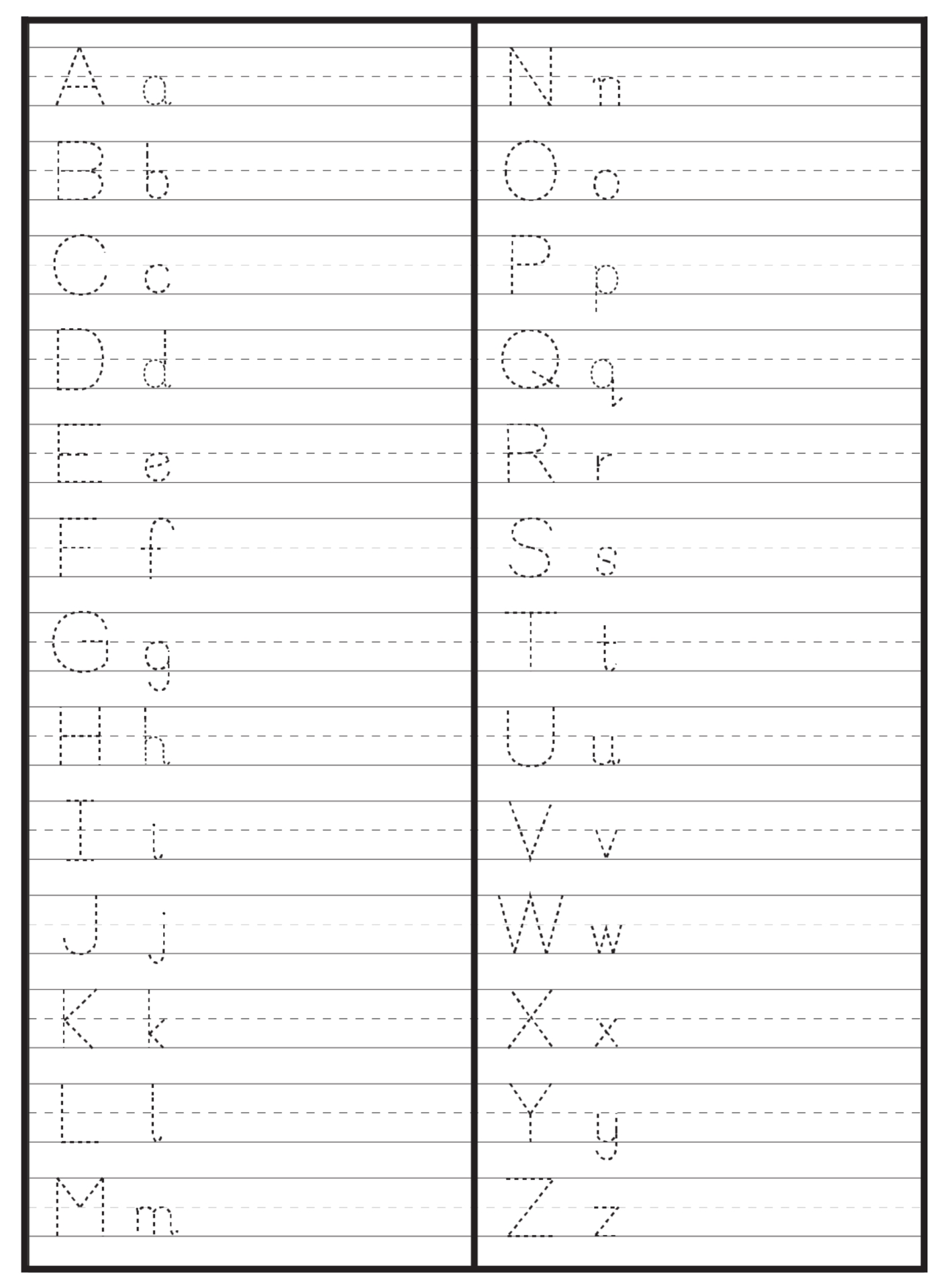
Understanding the Layout of Alphabet Printing Practice Sheets
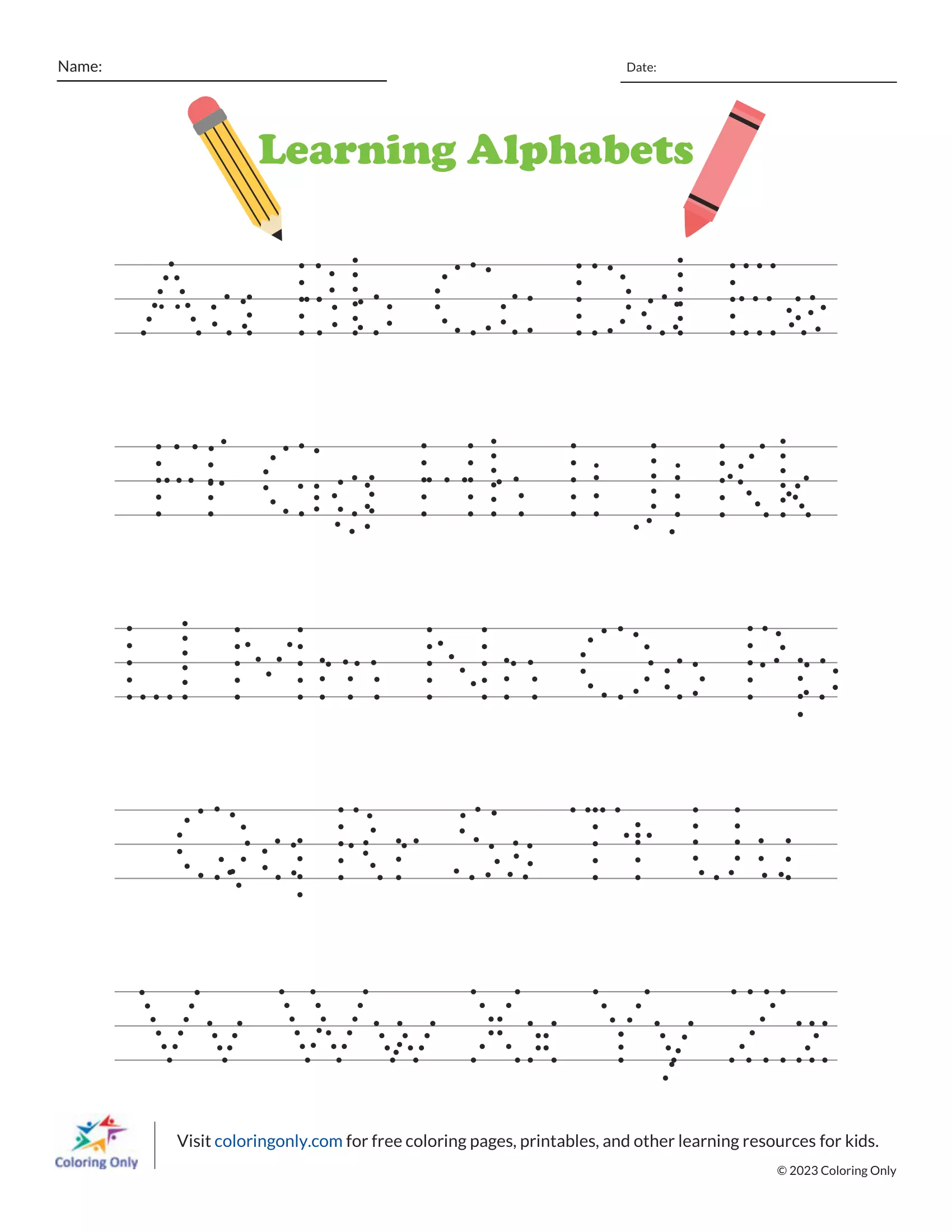
The layout of Alphabet Printing Practice Sheets is thoughtfully designed to facilitate easy usage for both teachers and students. Typically, these sheets feature:
- Large, clear letters: Each letter is displayed prominently to ensure that children can easily see and replicate the shapes.
- Guidelines: Most sheets include dotted lines or grid patterns to guide students in writing the letters correctly. This visual aid is vital for developing fine motor skills.
- Space for practice: Ample space is provided for students to practice each letter multiple times, reinforcing muscle memory and letter recognition.
This structured approach makes it simple for educators to incorporate these sheets into daily lessons or homework assignments, helping to promote consistent practice.
Best Practices for Using Alphabet Printing Practice Sheets
To maximize the effectiveness of Alphabet Printing Practice Sheets Free, consider these best practices:
- Daily Practice: Encourage students to practice a few letters each day. Spacing out the practice helps reinforce learning without overwhelming them.
- Incorporate Fun Activities: Turn the practice into a fun game. For instance, you could have students race against the clock to write a letter as many times as possible within a minute.
- Use Different Materials: Allow students to practice writing with various tools, such as colored pencils, markers, or even finger paints. This variety can keep them engaged and make learning more enjoyable.
These strategies can help students develop a strong foundation in writing skills while also making the learning process enjoyable.
Age Appropriateness and Skill Level
Alphabet Printing Practice Sheets are typically suitable for preschool and early elementary students, usually ranging from ages 4 to 7. At this age, children are developing their fine motor skills and beginning to understand the basics of writing. Here’s how these sheets align with their developmental stages:
- Preschool (Ages 4-5): Focus on letter recognition and simple strokes. Sheets can include tracing letters to help with grip and control.
- Kindergarten (Ages 5-6): Introduce both uppercase and lowercase letters. Students can practice writing letters independently after tracing.
- First Grade (Ages 6-7): Reinforce letter formation and begin introducing simple words. Practice sheets can incorporate beginning sight words to enhance learning.
By tailoring the use of these sheets to the students’ ages and skill levels, teachers can effectively support their writing journey.
Organizing Weekly Practice With Alphabet Printing Sheets
To ensure consistent practice, consider organizing a weekly schedule that incorporates the Alphabet Printing Practice Sheets. Here’s a simple framework:
- Monday: Introduce two new letters. Use tracing sheets for initial practice.
- Tuesday: Review the letters from Monday. Have students write them independently.
- Wednesday: Focus on a related activity, like coloring pictures that start with the letters being practiced.
- Thursday: Reinforce learning by having students write simple words that include the letters.
- Friday: Assess progress through a fun quiz where students can showcase what they’ve learned.
This organized approach not only promotes repetition but also allows for varied activities that keep students engaged throughout the week.
Downloading and Printing Alphabet Practice Sheets
When it comes to accessing Alphabet Printing Practice Sheets Free, ensure you know the best practices for downloading and printing. Here are some tips:
- File Format: Most printable sheets are available in PDF format, which is ideal for maintaining layout integrity when printing.
- Paper Size: Standard letter size (8.5 x 11 inches) works best for most home printers. Make sure to check your printer settings to avoid any scaling issues.
- Quality of Print: For best results, use a good quality printer and consider using cardstock if the sheets will be used repeatedly. This sturdiness is especially helpful if you plan on laminating the sheets for long-term use.
By following these tips, you can easily access and utilize the practice sheets for effective learning.
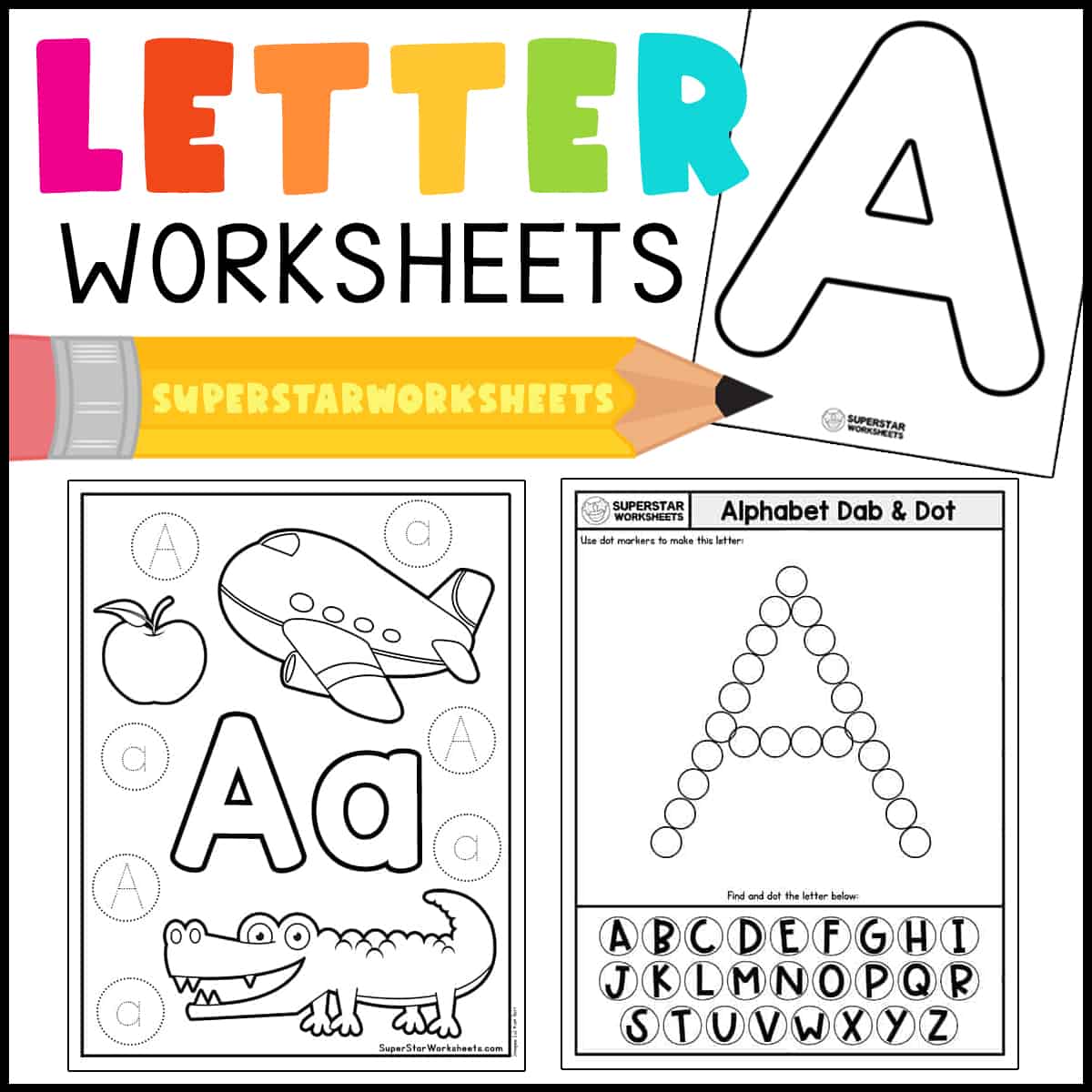
The Importance of Repetition in Learning Handwriting
One of the key advantages of using Alphabet Printing Practice Sheets Free is the emphasis on repetition. Children learn best when they have the opportunity to practice a skill multiple times. Here’s why this is especially important for handwriting:
- Muscle Memory: Repeated writing helps develop muscle memory, allowing children to write letters more fluidly over time.
- Confidence Building: As students practice and improve their writing skills, their confidence grows. This positive reinforcement encourages them to continue practicing.
- Error Correction: With multiple opportunities to write each letter, children can identify and correct their mistakes, leading to mastery.
Incorporating a structured repetition strategy using these sheets can significantly enhance children’s handwriting abilities.
In summary, Alphabet Printing Practice Sheets Free are invaluable resources for educators and parents looking to support young learners in developing their handwriting skills. With a structured layout, age-appropriate content, and emphasis on practice, these sheets can make a significant difference in children’s writing proficiency.