
Using Alphabet Printables Just The Alphabet can significantly enhance early literacy skills for children. These resources are specifically designed to help young learners recognize, trace, and practice the letters of the alphabet. Teachers and parents alike can benefit from incorporating these printables into their educational routines, whether in a classroom or a homeschooling environment.
Understanding Alphabet Printables
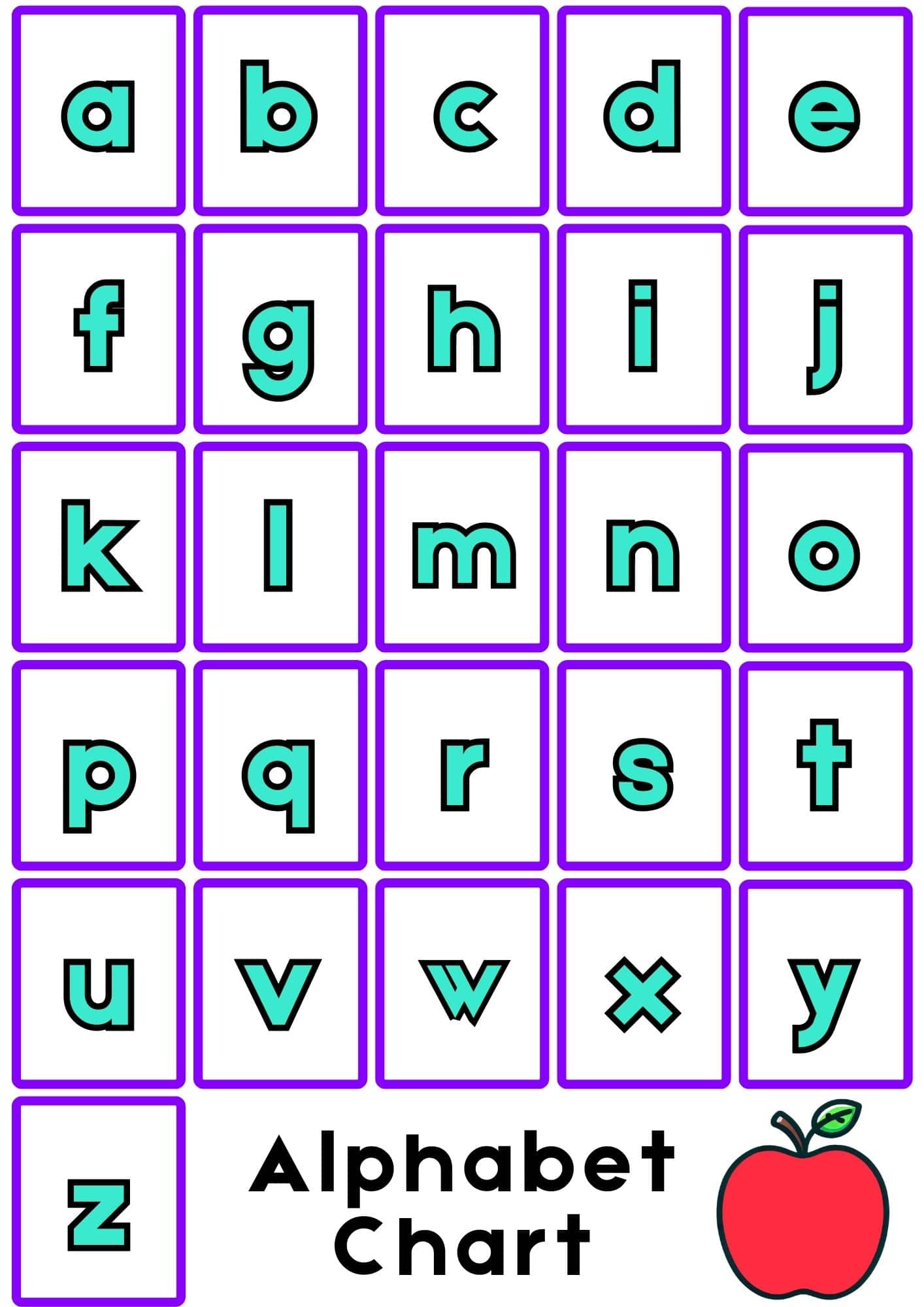
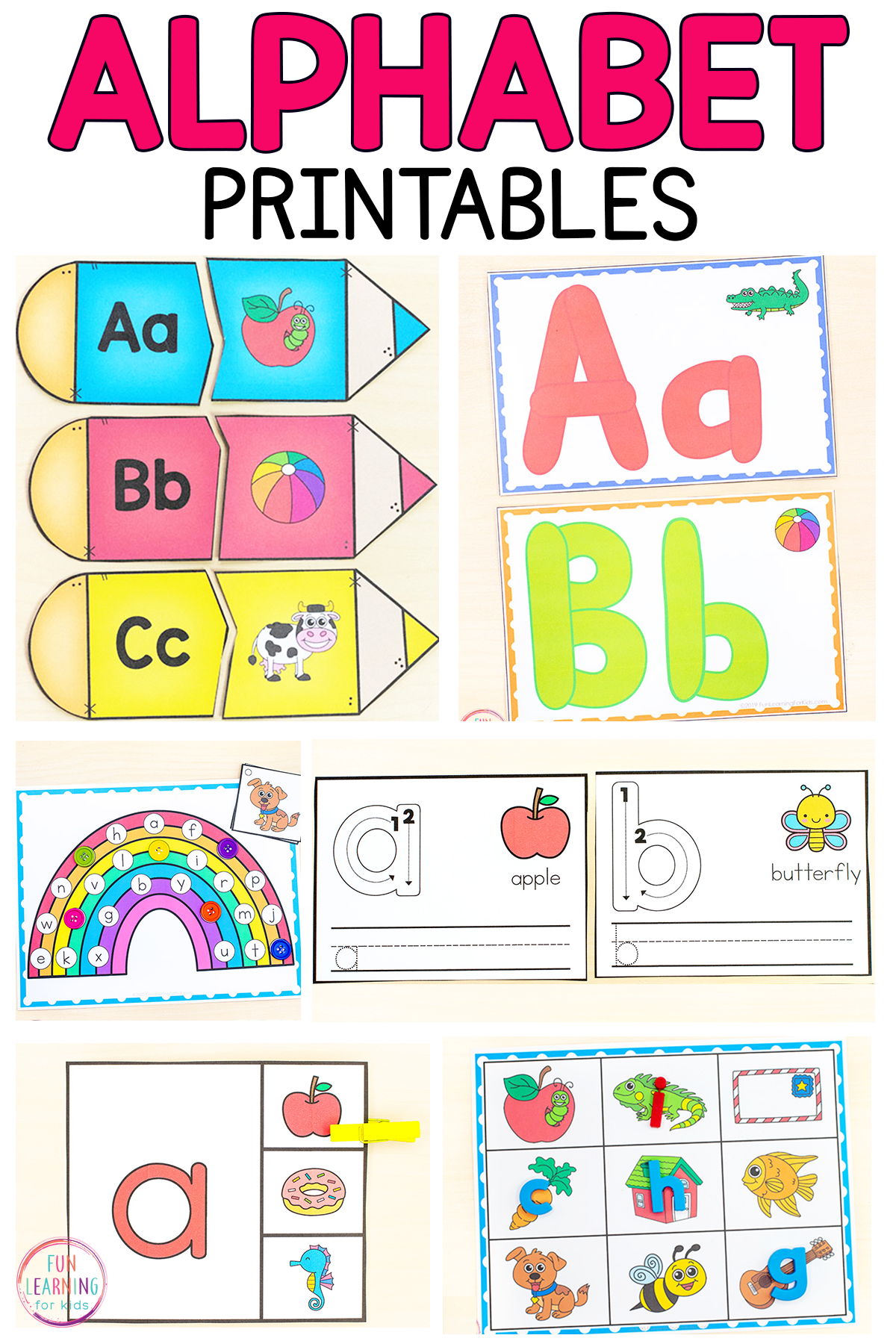
Alphabet printables are versatile tools that facilitate letter recognition and writing skills. They often include various activities such as tracing letters, identifying uppercase and lowercase forms, and engaging children in fun exercises like coloring or matching letters to pictures. These printables are suitable for preschool and kindergarten levels, where foundational literacy skills are developed.
Types of Alphabet Printables
Different types of alphabet printables cater to various learning styles and preferences. Here are some common formats:
- Tracing Worksheets: These worksheets allow children to trace letters, helping them practice both letter formation and fine motor skills. They are particularly effective for younger children who are just starting to learn to write.
- Coloring Pages: Alphabet coloring pages combine artistic expression with learning. Children can color in letters and associated images, reinforcing their connection to the alphabet.
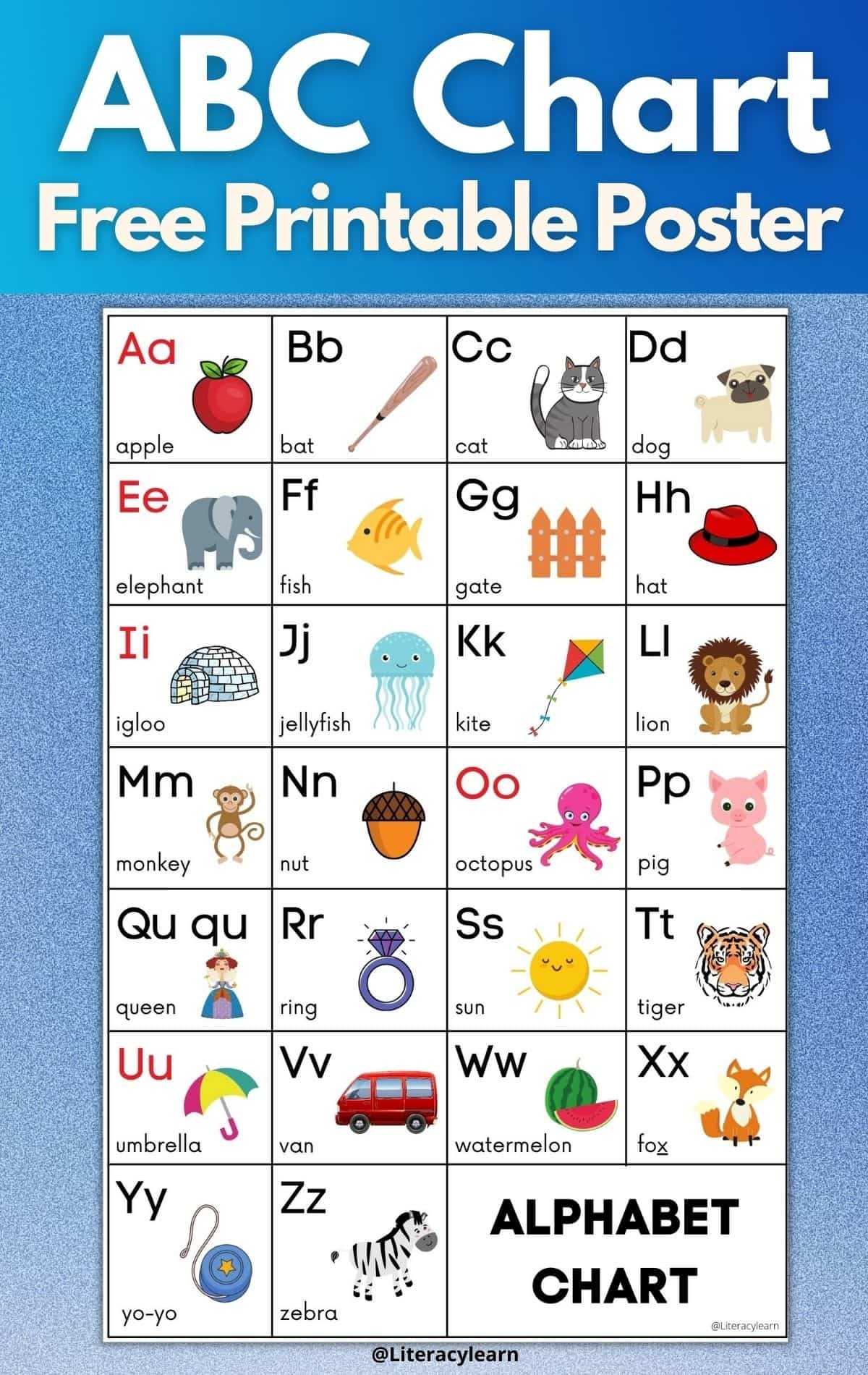
- Flashcards: Flashcards featuring letters and corresponding images can be used for interactive learning. They are great for games and quick recall exercises.
- Letter Matching Worksheets: These worksheets encourage children to match uppercase letters with their lowercase counterparts, promoting recognition and understanding of letter pairs.
- Alphabet Bingo: A fun, interactive game that combines learning with play, allowing children to recognize letters in a group setting.
Choosing the Right Printables
When selecting alphabet printables, consider the following factors to ensure they meet educational goals:
- Age Appropriateness: Ensure the printables are suitable for the child’s developmental stage. Preschoolers might benefit more from coloring and tracing activities, while older children can handle more complex tasks like matching and writing exercises.
- Design and Layout: Look for clear, engaging designs that will capture children’s attention. Printables with colorful visuals can enhance interest and motivation.
- Instructional Guidance: Some printables come with instructions or suggestions for use, which can be beneficial for parents and teachers unfamiliar with certain activities.
- Repetition and Progression: Choose resources that encourage repeated practice over time. Spacing out activities throughout the week allows for better retention and mastery of the alphabet.
Effective Use in the Classroom or Home
To maximize the benefits of alphabet printables, consider the following strategies for implementation:
- Daily Practice: Incorporate a short session each day focused on a specific letter. This could involve tracing, coloring, or using flashcards to reinforce recognition.
- Themed Weeks: Organize printables around specific themes (e.g., animals, colors) that align with the letters being taught. This contextual learning can make the alphabet more relevant and engaging.
- Interactive Learning: Use printables in group settings, such as during circle time, where children can share their work and learn from one another. This collaboration fosters a sense of community and support.
- Parent Involvement: Encourage parents to participate by sending home printables for extra practice. Providing guidance on how to use the materials can help parents feel more equipped to support their child’s learning.
Downloading and Printing Considerations
When downloading alphabet printables, pay attention to the format and quality:
- File Formats: Look for PDFs, as they maintain formatting across different devices. Image files may not print as clearly and can lead to issues with layout.
- Paper Quality: Using cardstock for printables can enhance durability, especially for worksheets intended for tracing or repeated use. If laminating, ensure that the printables are printed on high-quality paper to prevent warping.
- Printer Settings: Adjust printer settings to ensure the best output. Portrait layout is typically more suitable for worksheets, while landscape may work better for larger printables like flashcards.
- Color vs. Black and White: Decide whether to print in color or black and white based on the purpose of the activity. Colorful printables can be more engaging for young learners, while black and white may be more cost-effective for repeated use.
Activities to Enhance Learning
Incorporating activities that complement alphabet printables can deepen understanding and engagement:
- Alphabet Scavenger Hunt: Create a scavenger hunt where children find objects around the house or classroom that start with each letter. This activity promotes letter-sound association.
- Story Time Connections: Read books that focus on the alphabet. After reading, use the printables to reinforce the letters and sounds from the story.
- Create a Letter Book: Have children compile their printed worksheets into a personalized alphabet book. This not only reinforces learning but also provides a sense of accomplishment.
- Letters in Nature: Take a nature walk and encourage children to find letters in the environment. They can then draw or write about their findings using the printables.
By utilizing Alphabet Printables Just The Alphabet effectively, educators and parents can create an engaging and productive learning environment that fosters early literacy skills. These resources not only support letter recognition and writing but also promote creativity and fun in learning.