
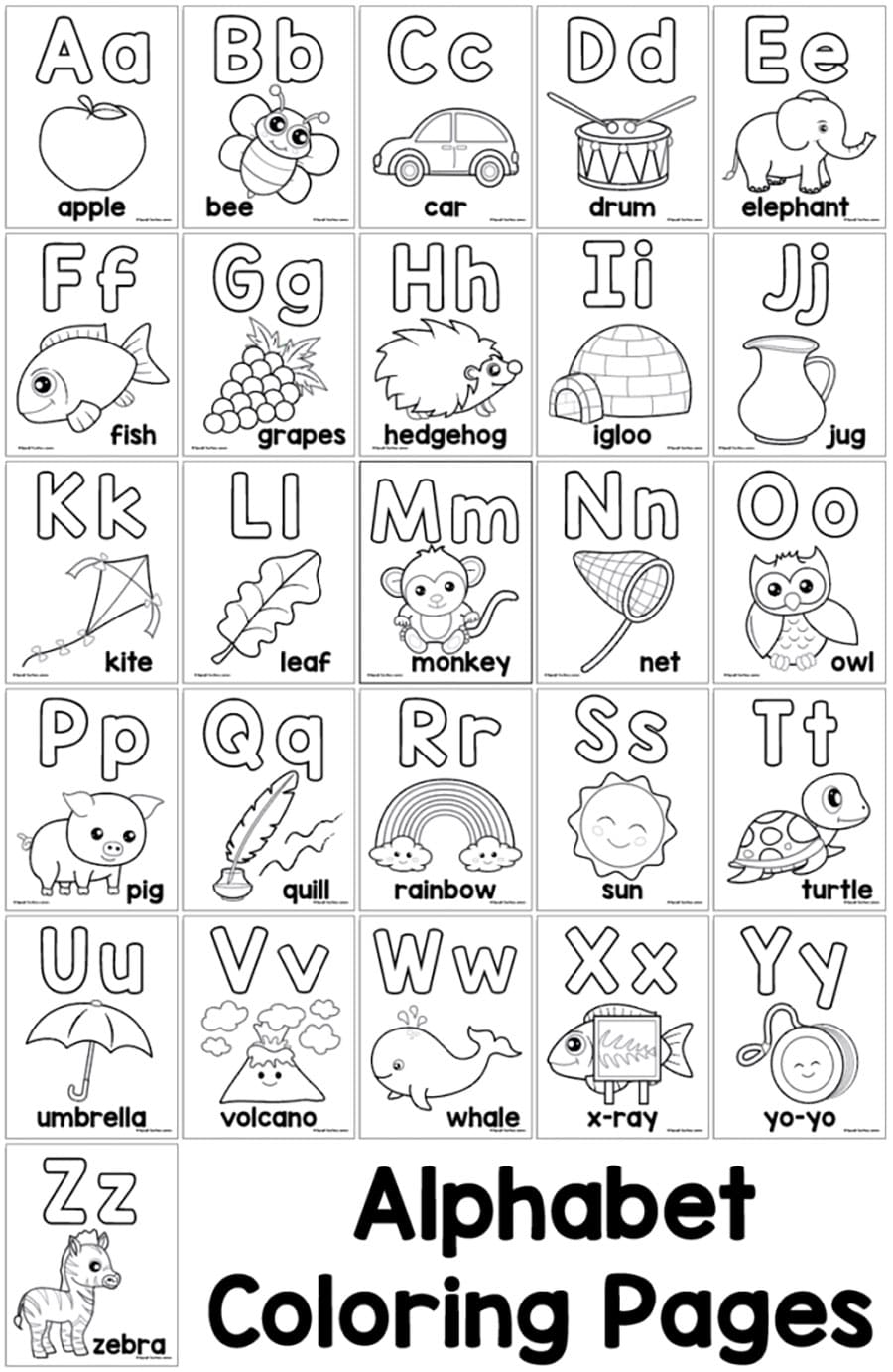
Learning the alphabet is a crucial step in a child’s education. One effective way to help children recognize letters is through Alphabet Letters With Pictures Coloring resources. These printable worksheets combine the fun of coloring with educational content, allowing young learners to engage with letters while expressing their creativity. Typically designed for preschool and early elementary students, these worksheets often feature a letter on one side and corresponding images to color on the other, reinforcing letter recognition in a playful way.
Understanding the Layout of Alphabet Letters With Pictures Coloring Worksheets
The layout of these coloring worksheets is generally straightforward, which is beneficial for both teachers and students. Each page typically presents a single letter in a large, bold font, accompanied by several images that begin with that letter. For instance, the letter “A” may be paired with an apple, an alligator, and an airplane. This structure not only helps children associate the letter with its phonetic sound but also allows for visual learning.
Key Features of the Worksheets
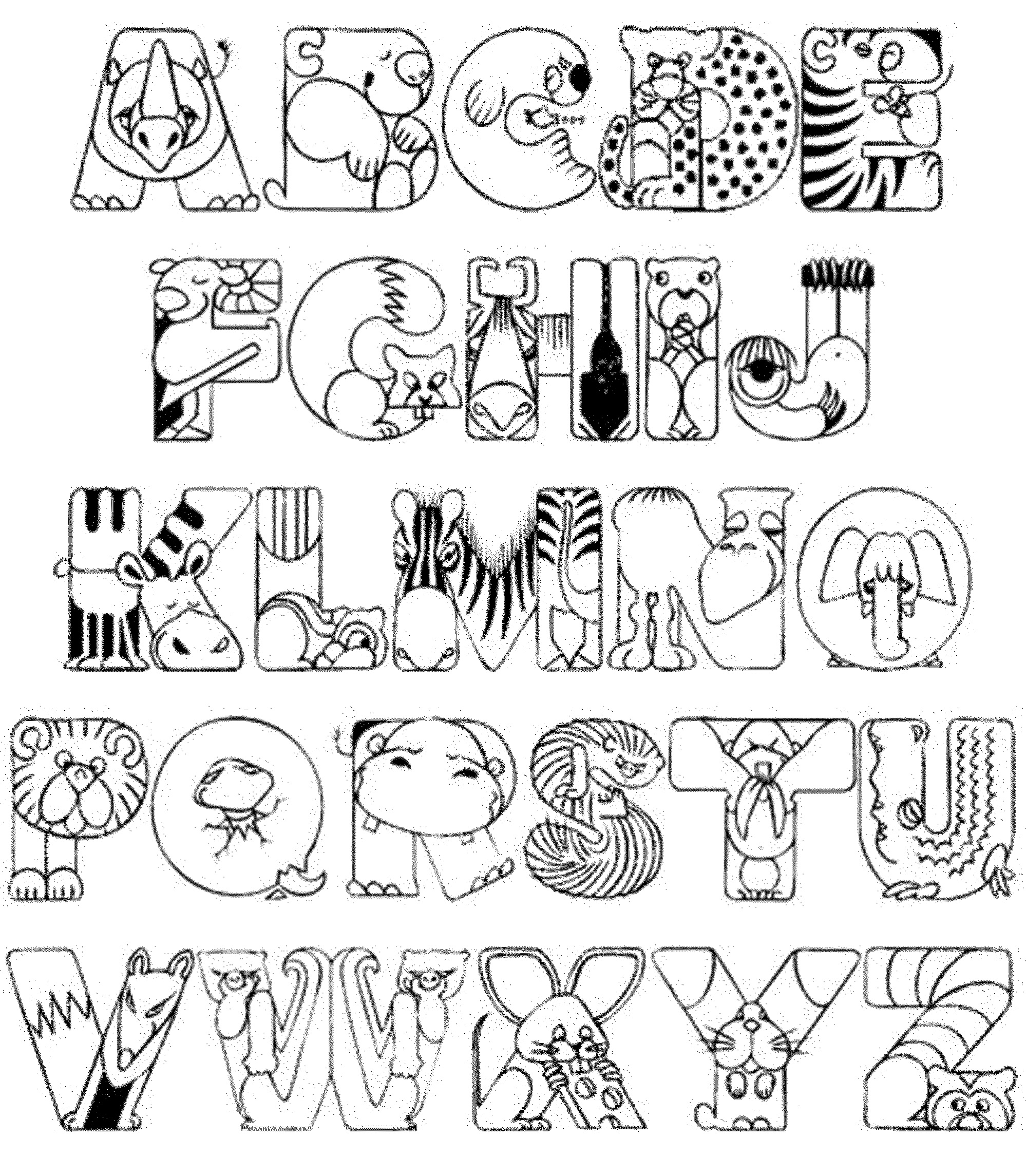
- Bold Letter Display: The letter is usually presented in uppercase and lowercase, making it easy for children to learn both forms.
- Illustrative Images: Each image is designed to be simple yet engaging, ensuring that children can easily color them without feeling overwhelmed.
- Ample Space for Coloring: The layout often includes large, outlined images, giving young learners plenty of space to practice their coloring skills.
Each worksheet can be printed on standard letter-sized paper (8.5 x 11 inches), making them easy to distribute in a classroom or homeschool setting. This size is also compatible with most printers, ensuring that you can quickly print multiple copies for your students.
How to Use Alphabet Letters With Pictures Coloring Worksheets
Integrating these worksheets into your lesson plans can be a seamless process. Here’s how you might effectively use them:
Daily Practice
Consider incorporating a new letter each day. By spacing out the worksheets, children have the opportunity to focus on one letter at a time, reinforcing their learning through repetition. For example, you could dedicate Monday to the letter “A,” Tuesday to “B,” and so forth. This repetition is essential for solidifying letter recognition.
Group Activities
These worksheets can also be used in group settings. Divide students into small groups and assign each group a different letter. After they complete their worksheets, have them present their letters and images to the class. This not only promotes collaboration but also allows children to learn from one another.
Home Use for Parents
For parents looking to supplement their child’s learning at home, these worksheets serve as an excellent resource. Encourage parents to set aside time for coloring activities, which can be both educational and relaxing. This can be particularly useful on weekends or during school breaks, keeping the learning momentum going.
Benefits of Coloring for Learning
Coloring isn’t just a fun activity; it offers various educational benefits, especially for young children. Here are some key advantages of using Alphabet Letters With Pictures Coloring worksheets:
Enhances Fine Motor Skills
As children color the images associated with each letter, they practice their fine motor skills. Holding crayons or colored pencils helps improve their grip and coordination, which are vital for writing later on.
Boosts Creativity
Coloring allows children to express themselves creatively. They can choose colors freely, which encourages them to take ownership of their work. This creative freedom can make learning more enjoyable and engaging.
Supports Cognitive Development
Coloring activities require children to focus and concentrate, promoting cognitive development. Associating letters with images helps reinforce memory and recognition, essential skills for reading and writing.
Tips for Printing and Using the Worksheets
When printing these worksheets, consider the following tips to ensure the best results:
- Use Cardstock: If possible, print on cardstock instead of regular paper. This will provide a sturdier surface for coloring and can hold up better if children want to display their work.
- Adjust Printer Settings: Make sure your printer settings are adjusted for quality printing. This may involve selecting the highest quality option and ensuring the correct paper size is set.
- Laminating for Reusability: If you want to use the worksheets multiple times, consider laminating them. This way, children can use dry-erase markers to color and then wipe them clean for reuse.
Incorporating Technology
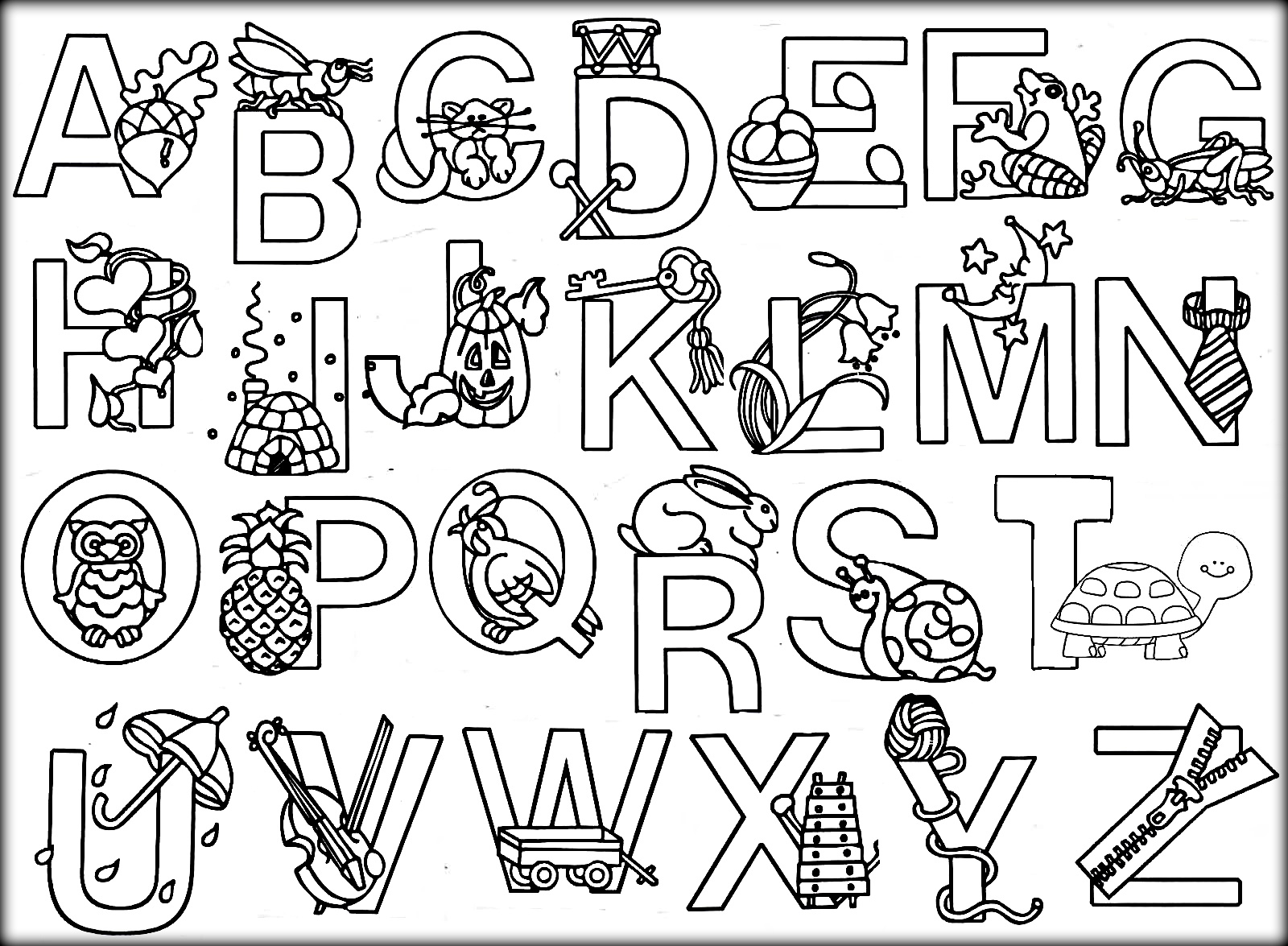
In today’s digital age, many educators are looking for ways to integrate technology into their teaching methods. While Alphabet Letters With Pictures Coloring worksheets are primarily physical resources, you can also find digital versions that allow for interactive learning. These can include coloring apps or online platforms where children can color the letters and images on-screen, providing a modern twist to traditional worksheets.