
When teaching young children the alphabet, using visual aids can significantly enhance their learning experience. Alphabet letters to print with pictures provide an effective way to engage students and help them associate letters with words and images. This resource can be used in various settings, If you are a teacher in a classroom or a parent homeschooling your child. Here’s how to effectively utilize these printable alphabet letters in your educational routine.
Understanding the Resource: Alphabet Letters to Print With Pictures
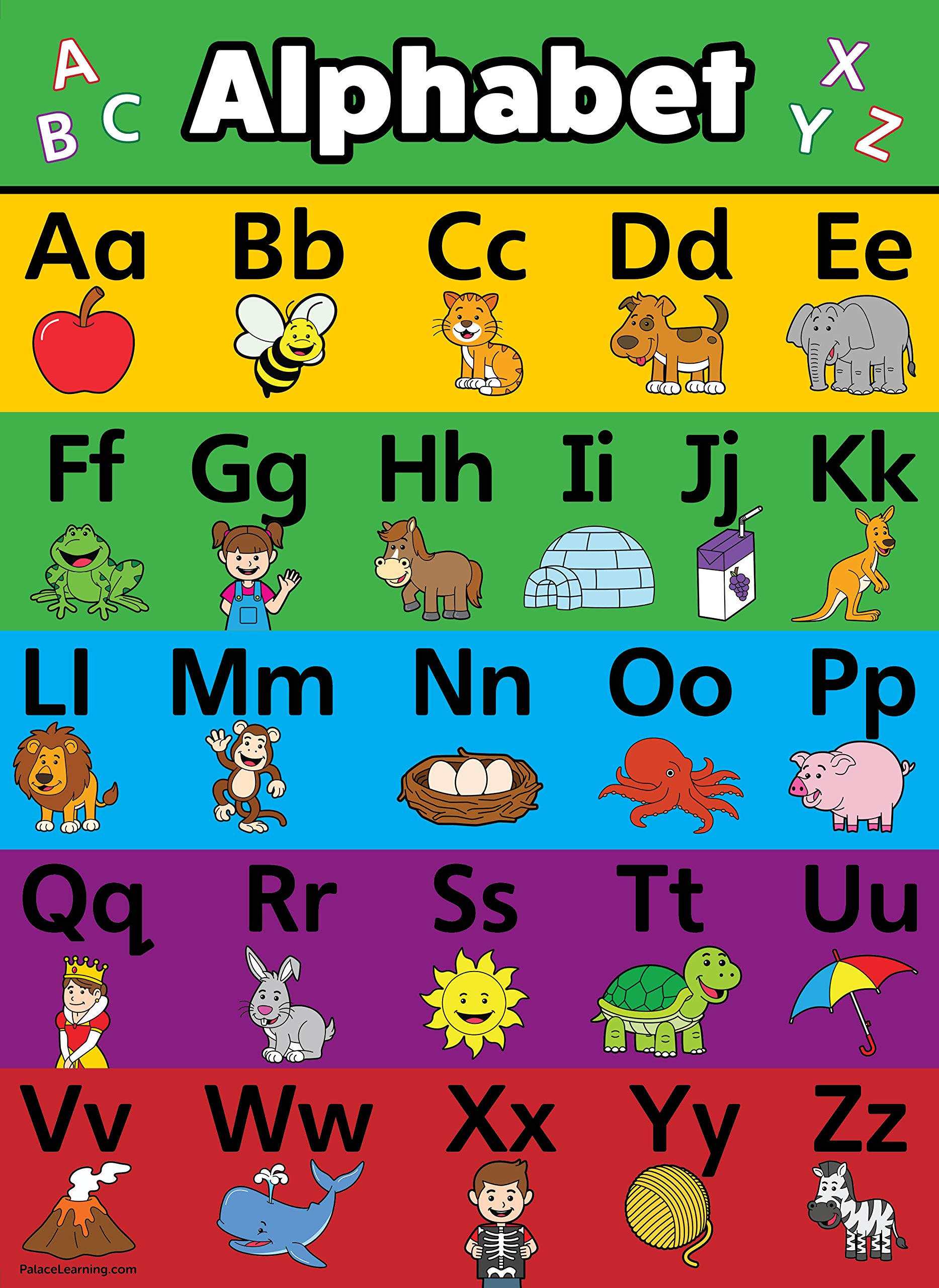
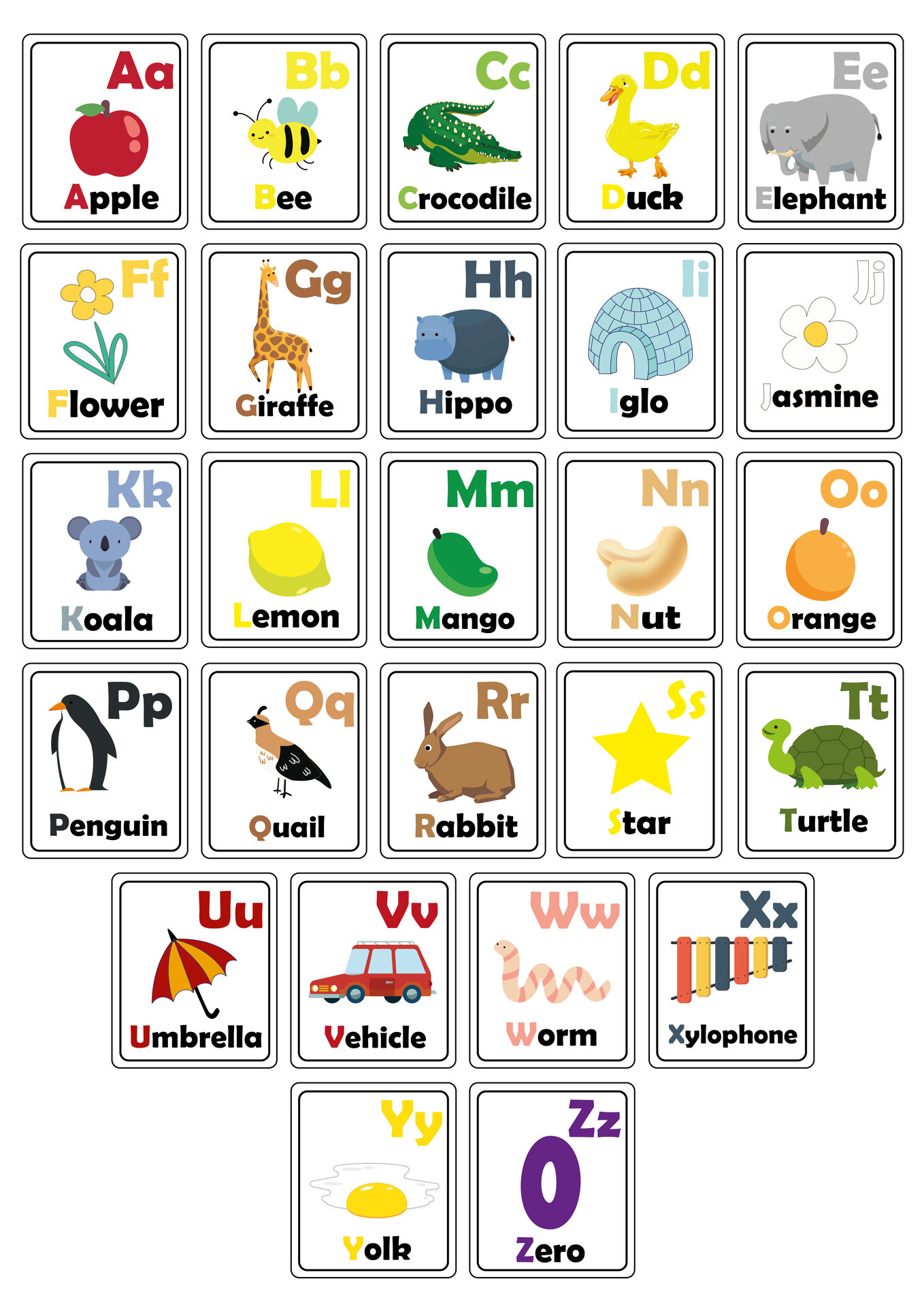
Printable alphabet letters with pictures typically come in PDF format, which makes them easy to download and print. Each letter is often accompanied by an image that starts with that letter, making it visually appealing and reinforcing the connection between letters and sounds. For example, the letter “A” might be paired with an image of an apple, while “B” could feature a picture of a ball.
Using these resources can help children in preschool and early elementary grades (ages 3-8) develop their literacy skills. They can also be beneficial for English language learners who are just beginning to familiarize themselves with the alphabet.
How to Download and Print Alphabet Letters
To get started, follow these simple steps:
- Choose Your Resource: Look for a reputable website that offers printable alphabet letters with pictures. Make sure the resource is designed for educational use and is age-appropriate.
- Download the PDF: Click on the download button to save the PDF file to your computer. This format ensures that the letters maintain their quality when printed.
- Select Your Print Settings: Open the PDF file and select your print settings. For most home printers, portrait layout is recommended. Choose the paper size you have on hand (usually A4 or letter size).
- Print the Pages: Print the pages on standard printer paper or cardstock for durability. If you plan to use these letters frequently, cardstock is advisable as it can withstand more handling.
- Cut Out the Letters: After printing, carefully cut out each letter along with its corresponding picture. This step can also be a fun activity for your child, helping them develop fine motor skills.
Creative Ways to Use Alphabet Letters in Learning
Now that you have your alphabet letters printed, it’s time to put them to good use. Here are some engaging activities you can do with your child:
Alphabet Wall or Bulletin Board
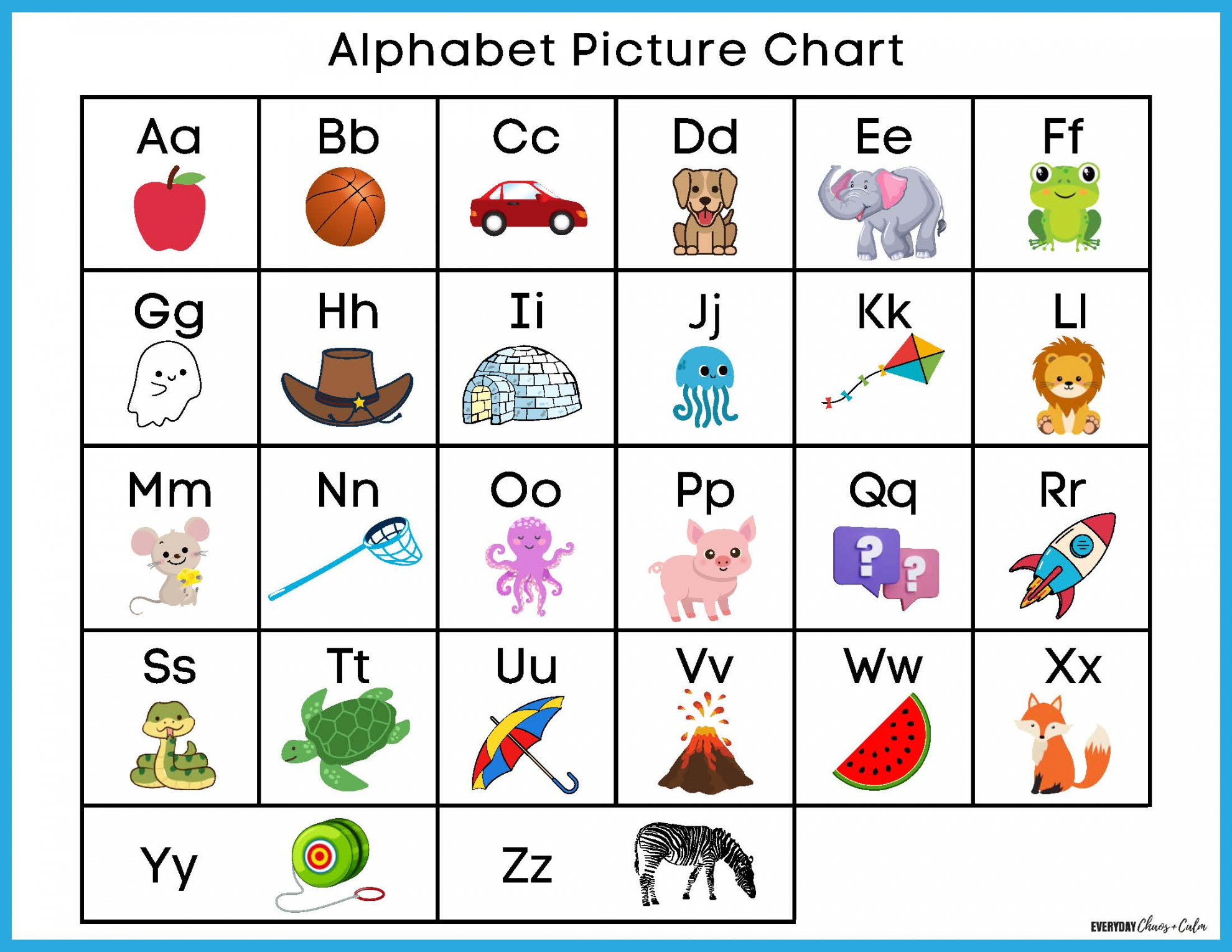
Create an alphabet wall or bulletin board in your home or classroom. Arrange the letters with their corresponding pictures in alphabetical order. This visual display can serve as a constant reminder of the letters and their sounds, reinforcing learning daily.
Flashcards for Letter Recognition
Turn the printed letters into flashcards. On one side, place the letter, and on the other, the picture. Use these flashcards for quick review sessions. You can quiz your child by showing them a letter and asking them to identify the picture that corresponds to it.
Interactive Letter Games
Incorporate the letters into fun games. For example, you can play a matching game where you place all the letters face down and have your child turn them over to find pairs of letters and pictures. This can enhance both memory and recognition skills.
Letter Craft Projects
Encourage creativity by using the printed letters in craft projects. For instance, your child could create a scrapbook page for each letter, using the picture as a theme for their art project. This not only reinforces letter recognition but also allows for artistic expression.
Incorporating Alphabet Letters Into Daily Routines
To make learning even more effective, try to incorporate the use of alphabet letters into your daily routines:
- Storytime: When reading books together, point out the letters and pictures that match those in your printed resources. This can help create real-world associations.
- Labeling Objects: Use the printed letters to label common objects around your home. For example, label the fridge with “F” for fridge and an image of a fridge to reinforce learning through everyday items.
- Cooking Together: While cooking, discuss the ingredients and their initial letters. For instance, while making a salad, you can talk about “L” for lettuce or “C” for carrot.
Ensuring Effective Use of Alphabet Letters
As you implement these resources, keep in mind the following tips to maximize their effectiveness:
- Repetition is Key: Regularly review the letters and pictures to help reinforce memory. Children often need repeated exposure to new concepts to internalize them.
- Be Patient and Encouraging: Celebrate your child’s progress, no matter how small. Positive reinforcement can motivate them to keep learning.
- Mix Learning Styles: Different children learn in different ways. Incorporate auditory, visual, and kinesthetic activities to cater to your child’s preferred learning style.
- Adapt to Your Child’s Pace: Every child learns at their own pace. If your child is struggling with a particular letter, spend more time on that letter before moving on.
Using alphabet letters to print with pictures can transform the learning process into a fun and engaging experience. By following these practical steps and incorporating these resources into your routine, you can help your child build a strong foundation in literacy while enjoying the journey together. One final tip: consider laminating the letters after cutting them out for added durability, especially if they will be used frequently or by multiple children.