
When Sarah, a kindergarten teacher, arrived in her classroom one sunny Monday morning, she noticed her students buzzing with excitement. They had just finished a unit on letters, and she wanted to reinforce that learning with hands-on activities. That’s when she remembered the importance of having Alphabet Letters Templates To Print. These templates can add a fun, interactive element to lessons, making learning the alphabet not just educational but enjoyable as well.
Why Use Alphabet Letters Templates?
Alphabet letters templates are versatile resources that can be used in various educational settings. They can help students practice letter recognition, improve handwriting, and even explore creativity through arts and crafts. These templates are particularly useful for young learners, typically in preschool through first grade, who are just beginning their writing journey.
Using these templates allows children to engage in independent practice. You can provide them with clear instructions, enabling them to work without direct supervision. For instance, a simple activity might involve tracing the letters or coloring them in. This hands-on approach not only solidifies their understanding of letters but also builds their fine motor skills.
Types of Alphabet Letters Templates
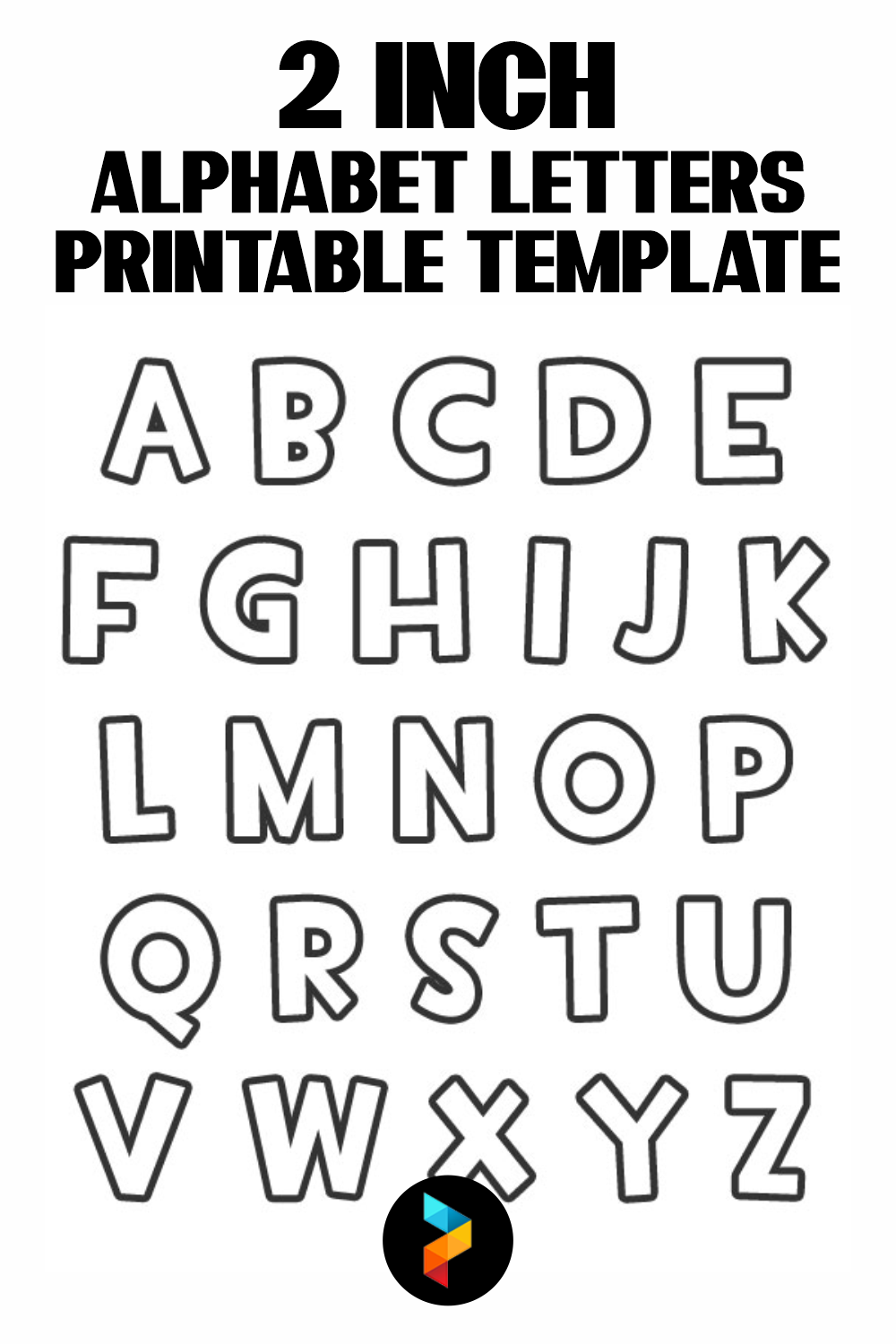
When you’re searching for Alphabet Letters Templates To Print, you’ll find various formats to suit different activities. Here are some popular types:
- Printable Letter Tracing Worksheets: These worksheets feature dotted letters that children can trace, helping them learn proper letter formation.
- Coloring Pages: These templates often include fun images alongside letters, making it enjoyable for kids to color while also learning.
- Flashcards: Great for quick reviews or games, flashcards can reinforce letter recognition in a fun, interactive way.
- Craft Templates: Some templates are specifically designed for crafts, allowing children to cut out letters and use them in unique ways, such as creating a banner or a collage.
Each type serves a distinct purpose, so you can choose based on your lesson plans or the specific needs of your students.
How to Use Alphabet Letters Templates in the Classroom
Implementing Alphabet Letters Templates in your classroom can be straightforward. Here’s a practical guide on how to effectively incorporate these resources into your lessons:
Setup
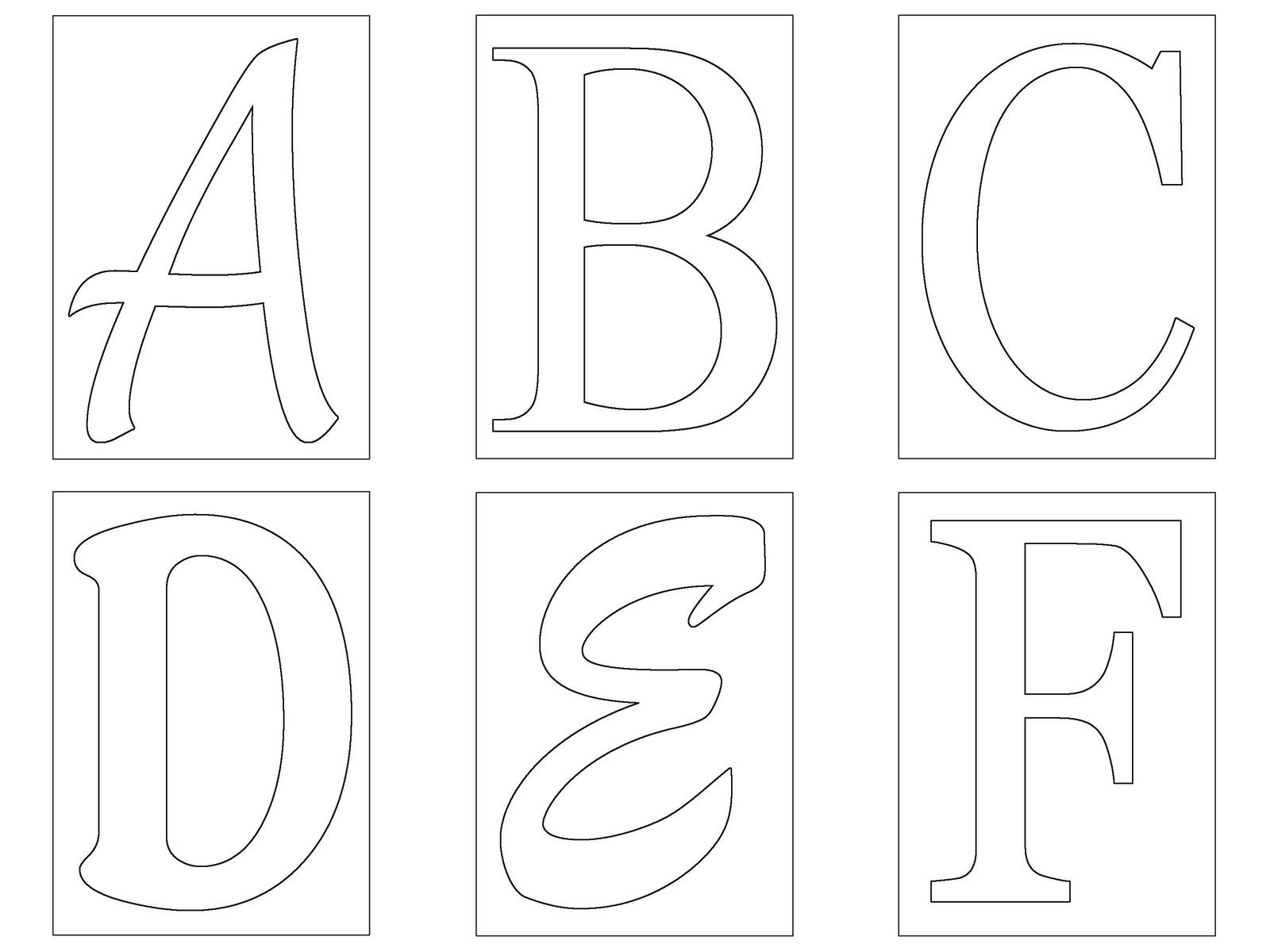
- Print and Prepare: Choose the templates that best fit your current lesson. Consider using cardstock for durability, especially if you plan to reuse them. Print them in a standard size, like A4 or letter size, which are common for classroom use.
- Organize Supplies: Gather necessary supplies such as crayons, markers, scissors, and glue. If you plan on laminating the templates for repeated use, make sure you have access to a laminator.
Activity Ideas
- Tracing and Coloring: Distribute tracing worksheets and let children trace the letters using colored pencils or markers. After tracing, they can color the letters, making them visually appealing.
- Letter Recognition Games: Use flashcards in a matching game format. Lay the cards face down, and let students take turns flipping two at a time to find matching letters.
- Creative Crafts: For craft templates, instruct students on how to cut out the letters and decorate them. They can create a personalized name banner or an alphabet poster for the classroom.
Independent Practice
For independent practice, provide clear instructions written on the board or on a handout. This allows students to work at their own pace. Encourage them to ask questions if they’re unsure but try to let them solve problems independently first. This fosters confidence and reinforces their learning.
Incorporating Technology
In today’s digital age, many printable resources are available online. You can find Alphabet Letters Templates To Print in various formats, including PDF files, which are easy to download and print. Using a PDF ensures that the formatting remains consistent, regardless of the printer settings.
Digital Versions
Consider using digital templates for remote learning or tech-savvy classrooms. Programs like Google Slides or PowerPoint allow you to create interactive letters that students can manipulate on-screen. This could be a fun way to engage students who are accustomed to technology.
Accessibility and Differentiation
Every classroom is unique, and it’s essential to consider the diverse needs of your students. Some may require templates that are more visually stimulating, while others might benefit from simplified designs.
Modifications
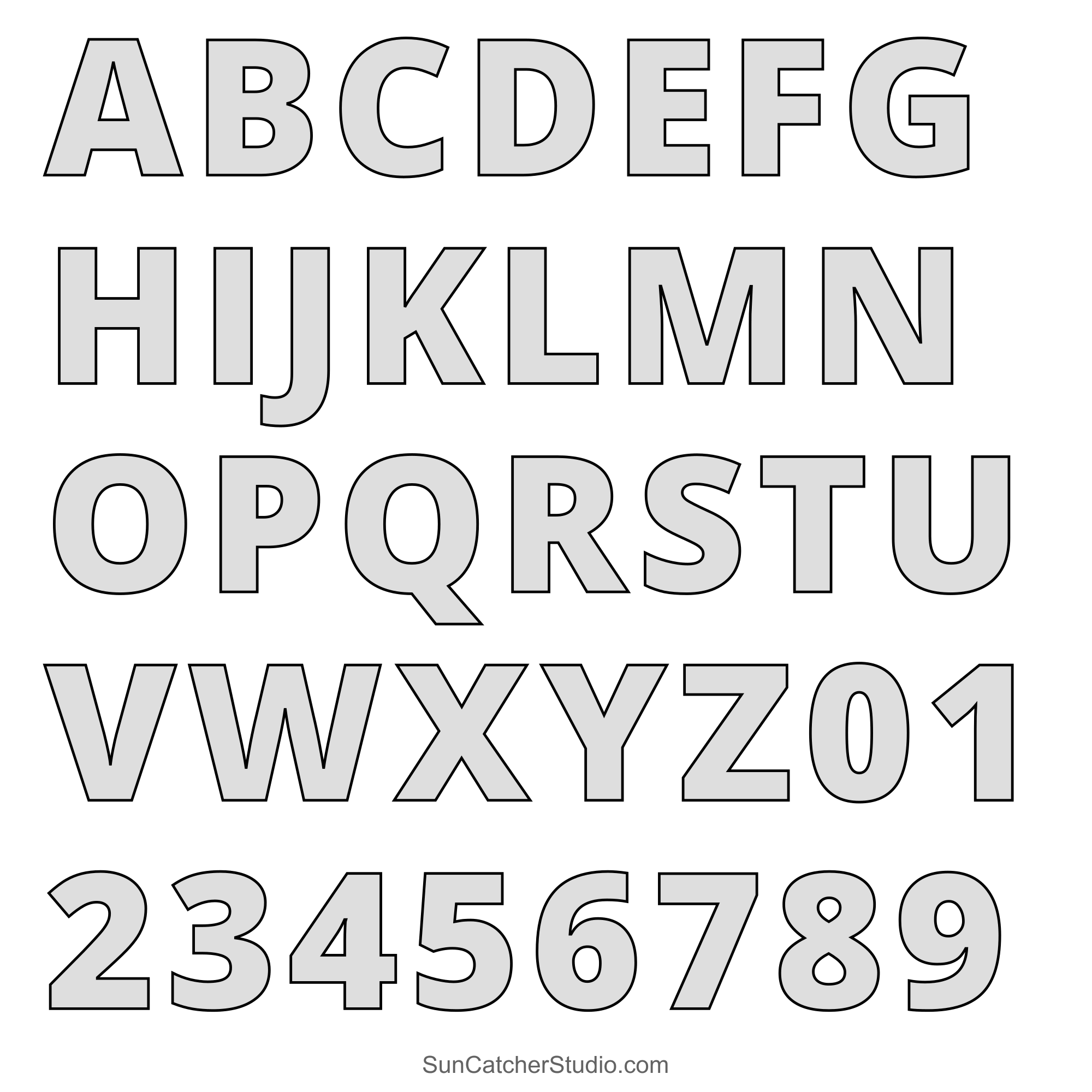
- Larger Fonts: For students who struggle with fine motor skills, larger letters may be easier to trace and color.
- Color-Coded Letters: Using different colors for vowels and consonants can help students differentiate between them more easily.
- Multi-Sensory Approaches: Combine templates with tactile activities, like using sandpaper letters for tracing, to cater to various learning styles.