
In a bustling classroom, Ms. Johnson notices a few of her kindergarten students struggling with letter recognition. To help them practice, she decides to print out the alphabet letters one per page. This simple resource allows each child to focus on a single letter at a time, making it easier for them to recognize and remember the shapes and sounds associated with each letter. Using Alphabet Letters One Per Page can significantly enhance letter learning, especially for young learners who benefit from visual aids.
Understanding the Importance of Letter Recognition
Letter recognition is a fundamental skill for early literacy development. Children need to identify letters before they can connect them to sounds and words. This skill is essential for reading and writing, making it crucial for teachers and parents to find effective ways to reinforce it. Printable resources, like having each letter on its own page, cater to different learning styles and allow for focused practice.
Benefits of Using Alphabet Letters One Per Page
Using printable alphabet letters one per page has several advantages:
- Focused Practice: Children can concentrate on one letter at a time without distractions.
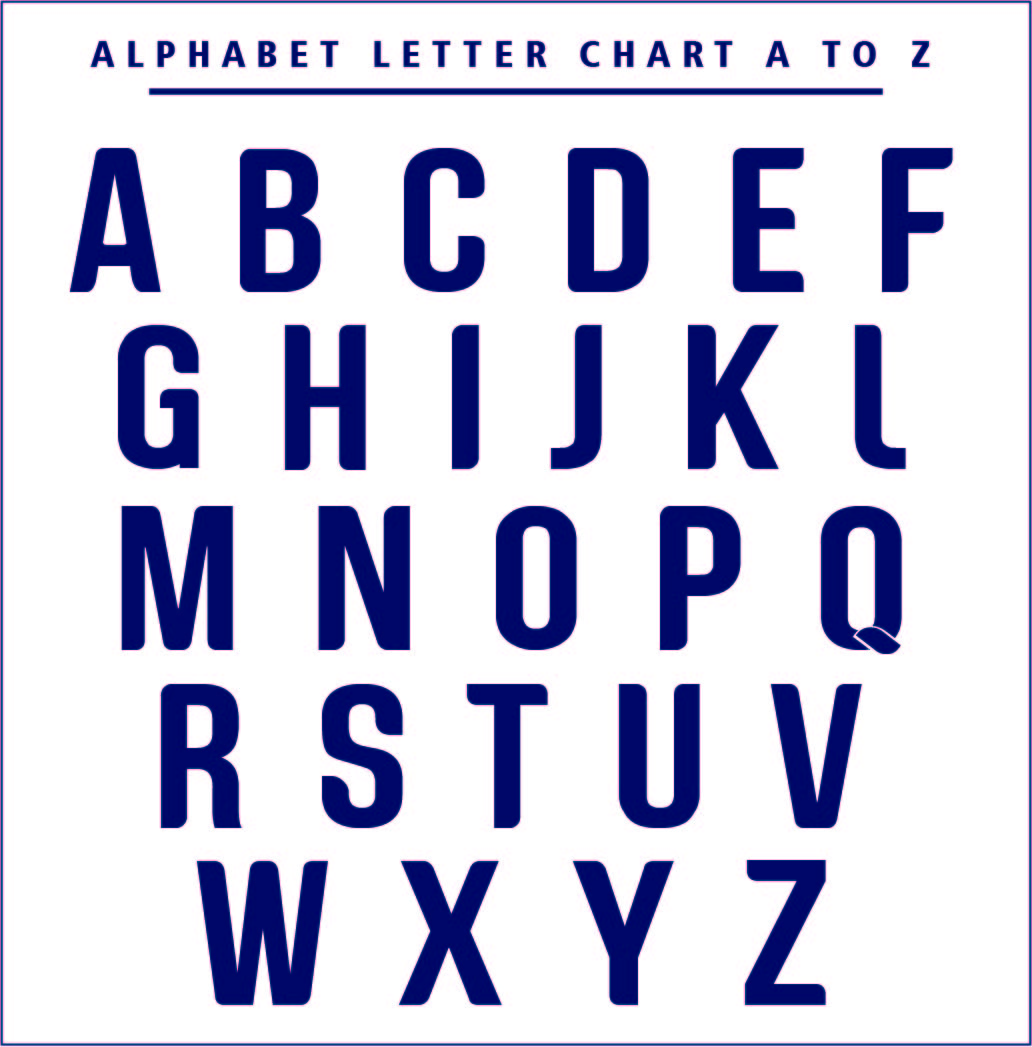
- Visual Reinforcement: Large, clear letters help students recognize the shape and form of each letter.
- Versatility: These printables can be used in various activities, such as matching games, tracing exercises, or as part of a word wall.
Practical Activities With Alphabet Letters
There are numerous ways to incorporate alphabet letters one per page into your teaching or home learning routine. Here are a few practical activities that can be done with these printables:
Tracing and Writing
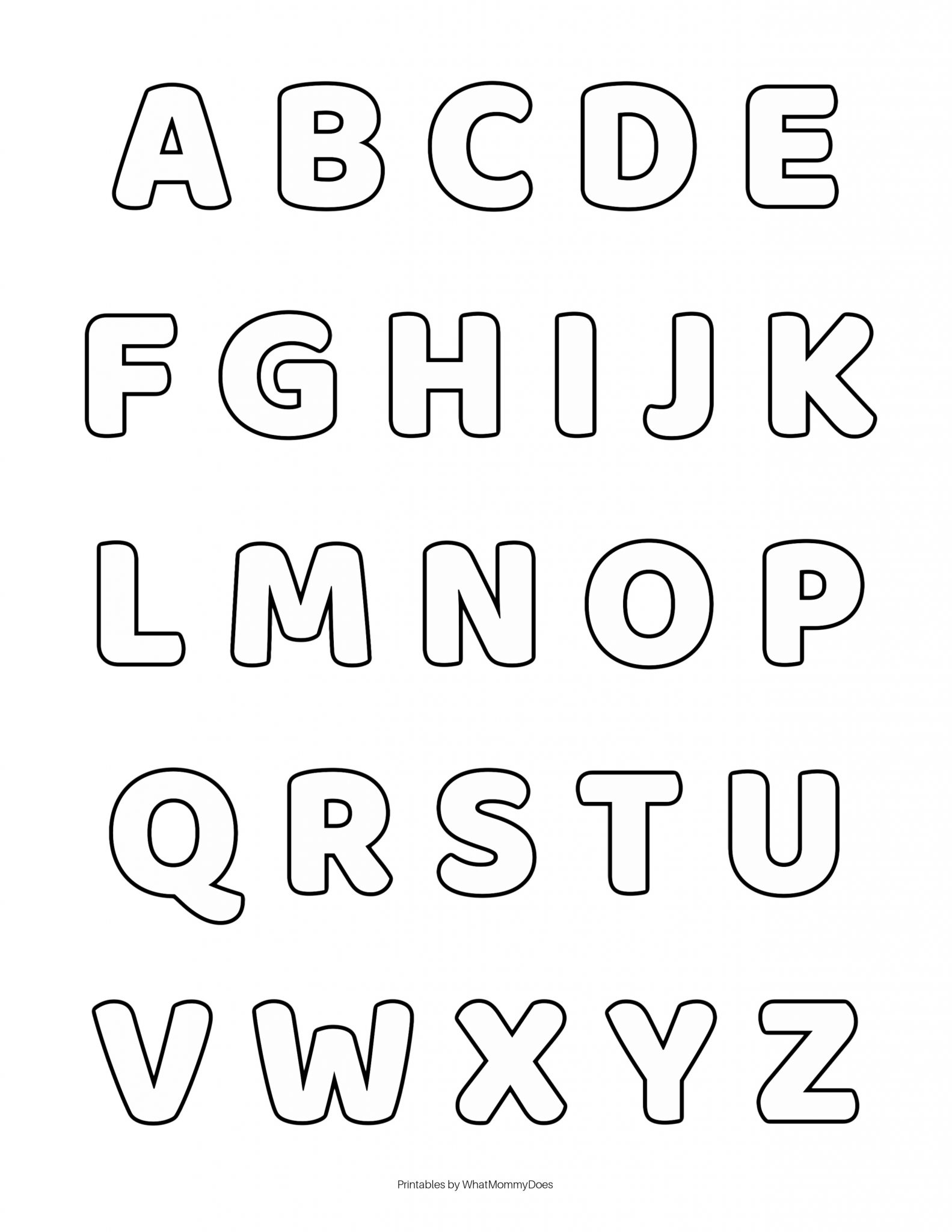
One effective method is to use the letters for tracing and writing practice. You can print the letters in a large font so children can trace over them with crayons or markers. This tactile experience reinforces their memory of the letter shapes.
- How to Set Up: Print the letters on standard A4 or letter-sized paper. Provide children with pencils, crayons, or markers.
- Tip: Use cardstock if you plan to laminate the pages for repeated use.
Matching Games
Matching games can also be a fun way to engage students. By printing the letters and creating multiple copies, you can turn this into a memory game where children need to find pairs of the same letter.
- How to Set Up: Print two sets of each letter on separate sheets. Cut them out and mix them up.
- Tip: Encourage children to say the sound of the letter when they find a match to reinforce phonetic learning.
Alphabet Art
Encouraging creativity, you can use the letters for an art project. Children can decorate the letters with stickers, colors, or even cut them out and glue them onto a collage.
- How to Set Up: Provide various art supplies alongside the printed letters.
- Tip: Display their finished artwork on a bulletin board to celebrate their efforts and creativity.
Integrating Alphabet Letters Into Daily Learning
Incorporating alphabet letters into everyday activities can enhance learning without requiring extensive planning. Here are a few suggestions for making letters a part of daily life:
Morning Routine
Start each day by reviewing a letter. You can hang the letter of the day on the wall and discuss its sound, shape, and words that start with it.
- How to Set Up: Choose a letter each morning and display it prominently.
- Tip: Use the letter in sentences or stories to help children understand its usage in context.
Reading Time
During reading time, point out the letters in books. Whenever a child sees a letter on a page, they can shout it out or trace it in the air.
- How to Set Up: Keep a printed letter handy while reading together.
- Tip: Encourage children to find the letter in their favorite stories, reinforcing recognition through context.
Customizing Your Alphabet Letters
While many printable resources offer standard letters, customizing them can enhance the learning experience. Here are a few ways to personalize your alphabet letters:
Font Selection
Choose different fonts when printing the alphabet letters. Some children may respond better to certain styles. For instance, using a cursive font can help prepare them for handwriting.
Color Coding
Color coding the letters can help in categorizing them. For example, you could use different colors for vowels and consonants to reinforce their unique roles in words.
Size Variations
Consider printing letters in various sizes. Larger letters can be used for wall displays, while smaller ones can be utilized for worksheets or flashcards.
Tips for Effective Use of Alphabet Letters One Per Page
To maximize the effectiveness of your printable alphabet letters, consider the following tips:
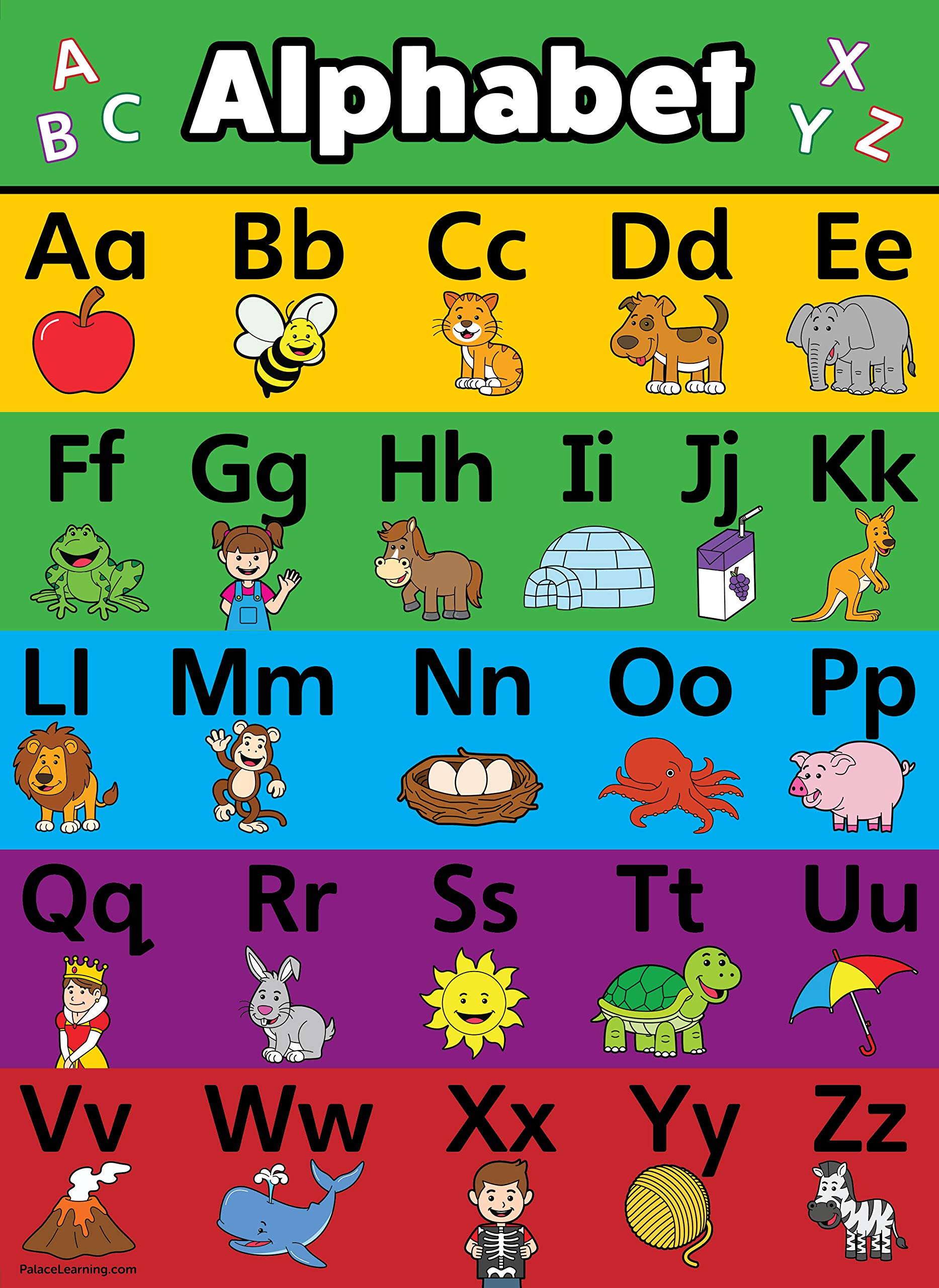
- Print Quality: Ensure your printer settings are optimized for high-quality prints. Use a color printer for vibrant letters that capture children’s attention.
- Material Choices: If you plan to use the letters repeatedly, consider laminating them for durability.
- Accessibility: Make sure the letters are easily accessible to children. A dedicated folder or binder can keep them organized and ready for use.
Using Alphabet Letters One Per Page is a practical and effective way to enhance letter recognition in young learners. By integrating these resources into everyday activities and providing engaging exercises, teachers and parents can create a supportive learning environment that fosters literacy development.
Encourage your students or children to explore the letters creatively, and watch as their confidence and skills grow. Start by printing out a set of letters today, and see how easy it is to make learning fun and interactive!