
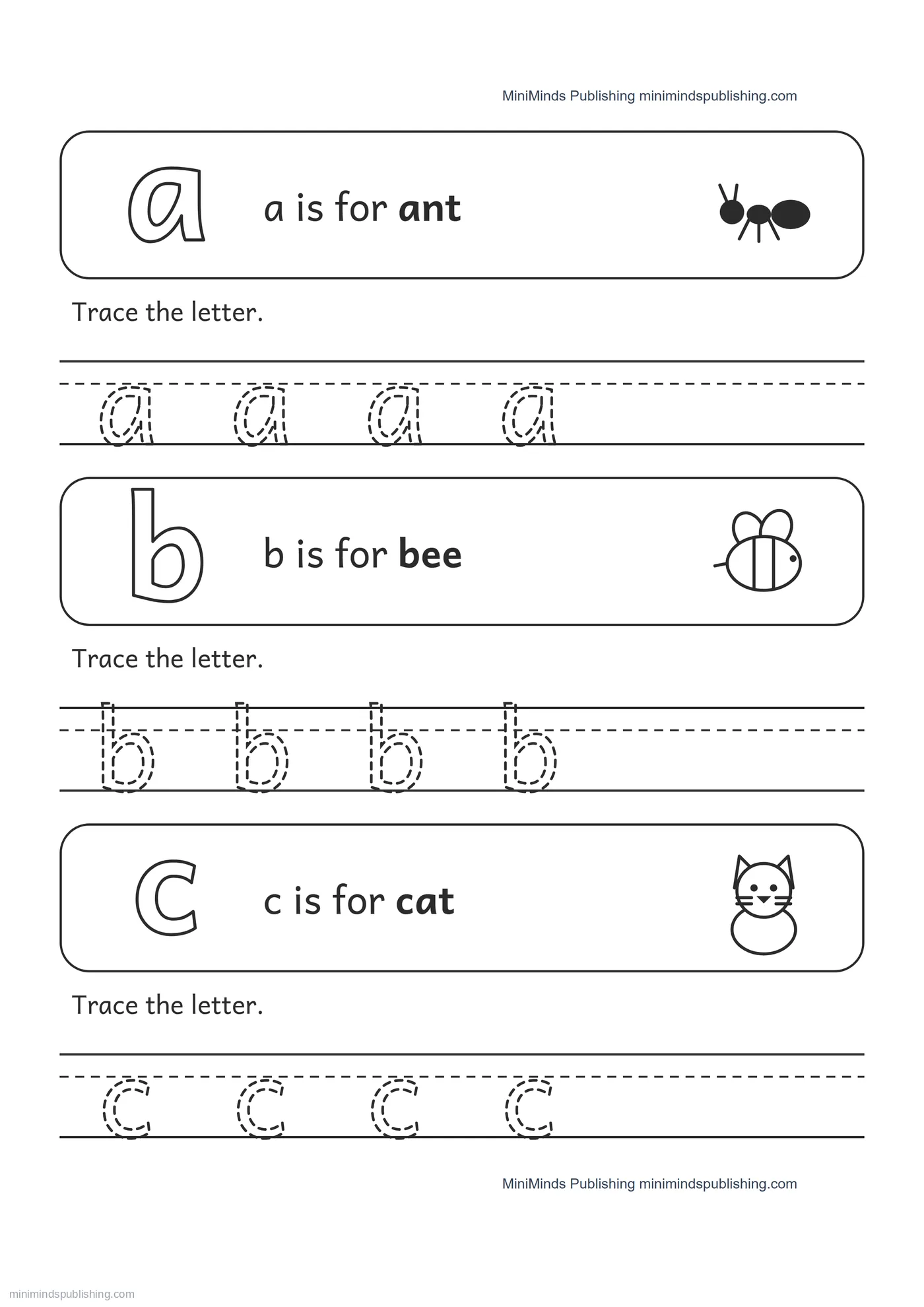
In the world of early childhood education, engaging children in active learning is key. One effective way to do this is through coloring activities that focus on foundational skills such as letter recognition. Alphabet Letters For Pre K Coloring worksheets provide an enjoyable method for preschoolers to familiarize themselves with the alphabet. These resources typically feature large, clear letters accompanied by fun illustrations, making the learning process both educational and entertaining.
Understanding the Importance of Coloring in Early Literacy
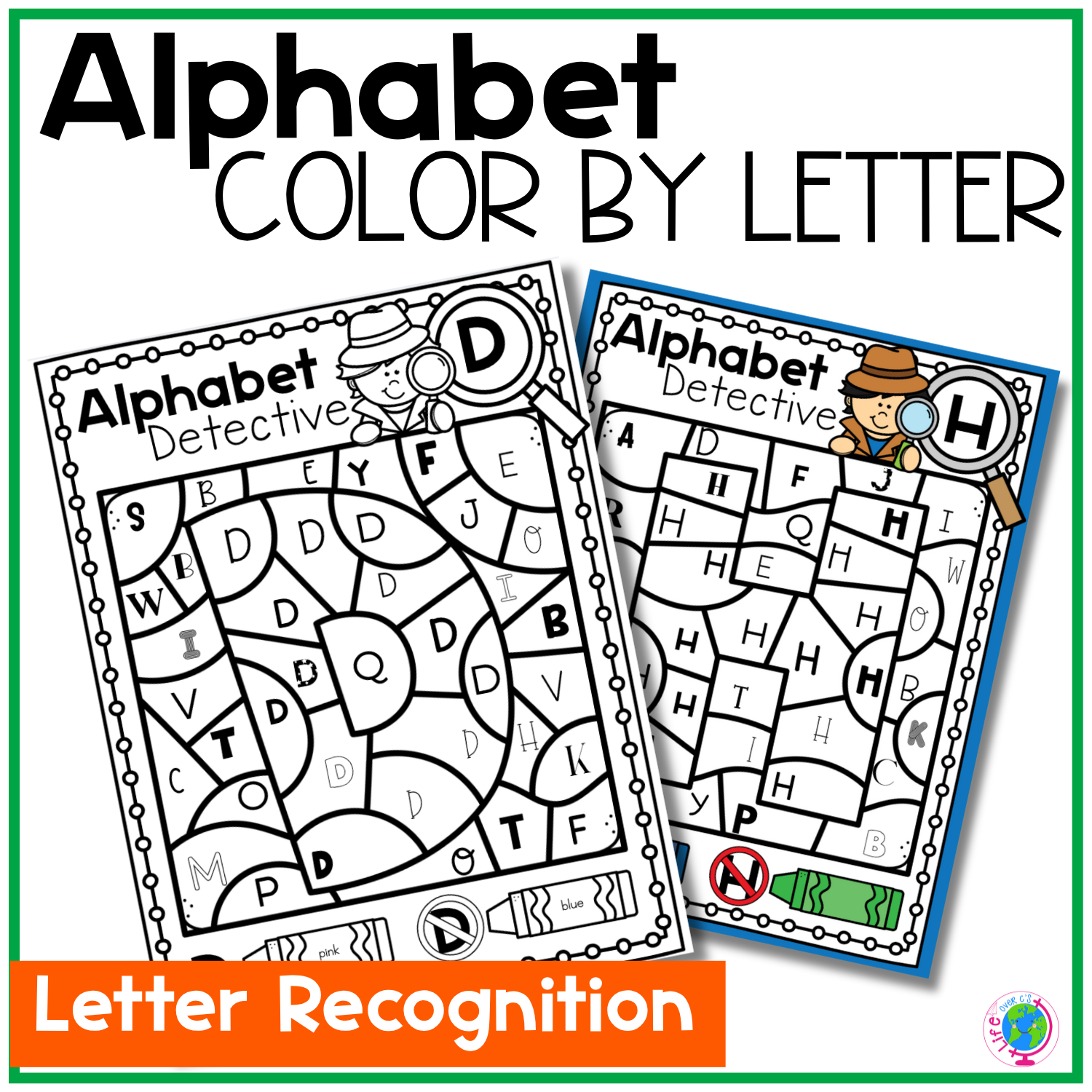
Coloring isn’t just a fun activity; it’s an essential part of early literacy development. When children engage in coloring alphabet letters, they are practicing fine motor skills, hand-eye coordination, and creativity. These skills are particularly important for pre-K children, who are still developing their writing and drawing abilities.
Moreover, coloring helps reinforce letter recognition. As children color in the letters, they become more familiar with their shapes and sounds. This repetition aids in memory retention, making it easier for them to recall each letter later on.
Choosing the Right Alphabet Coloring Resources
When selecting Alphabet Letters For Pre K Coloring pages, consider the following:
- Age Appropriateness: Ensure the designs are suitable for pre-K children, featuring simple shapes and large letters.
- Variety of Styles: Look for resources that offer a mix of uppercase and lowercase letters, as well as different fonts. This variety can help children recognize letters in various contexts.
- Illustrations: Choose coloring pages that include fun images related to each letter (e.g., “A” for apple), as these connections can enhance learning.
Downloading and Printing Your Coloring Pages
Once you’ve chosen your Alphabet Letters For Pre K Coloring worksheets, the next step is to download and print them. Here’s a straightforward process to follow:
- Select the Resource: Visit a reputable printable resource website that offers the specific alphabet coloring pages you need.
- Download the Files: Look for a download button, usually in PDF format, to ensure that the pages maintain their layout.
- Choose Your Print Settings: When printing, use portrait orientation for most coloring pages. If you’re using cardstock, make sure your printer settings are adjusted accordingly.
- Print: Print the pages on standard 8.5” x 11” paper or cardstock for durability, especially if you plan to laminate them for repeated use.
Setting Up a Weekly Coloring Schedule
To maximize the learning benefits of Alphabet Letters For Pre K Coloring, consider spacing the activities throughout the week. Here’s a simple schedule you might find helpful:
- Day 1: Focus on letters A and B. Introduce the letters, discuss their sounds, and color the corresponding pages.
- Day 2: Move to letters C and D. Encourage children to think of words that start with these letters as they color.
- Day 3: Review letters A through D with a fun game or song, then color E and F.
- Day 4: Continue with letters G and H, incorporating storytelling that features these letters.
- Day 5: Review all letters covered during the week through a group activity, then color I and J.
This approach not only reinforces letter recognition but also allows for repetition, which is crucial for young learners. Repeating activities helps solidify their understanding and retention of new information.
Enhancing the Coloring Experience
To make the coloring sessions more engaging, consider incorporating some of the following ideas:
- Themed Coloring Days: Create themes around each letter. For instance, have “Animal Day” for the letter “A” where children can color an alligator and discuss animal names.
- Interactive Learning: Use real objects as teaching tools. For example, have an apple during the “A” day to reinforce the letter’s sound.
- Collaboration: Encourage group coloring sessions where children can work together. This not only makes the activity more social but also allows for peer learning.
Maintaining Engagement and Progress Tracking
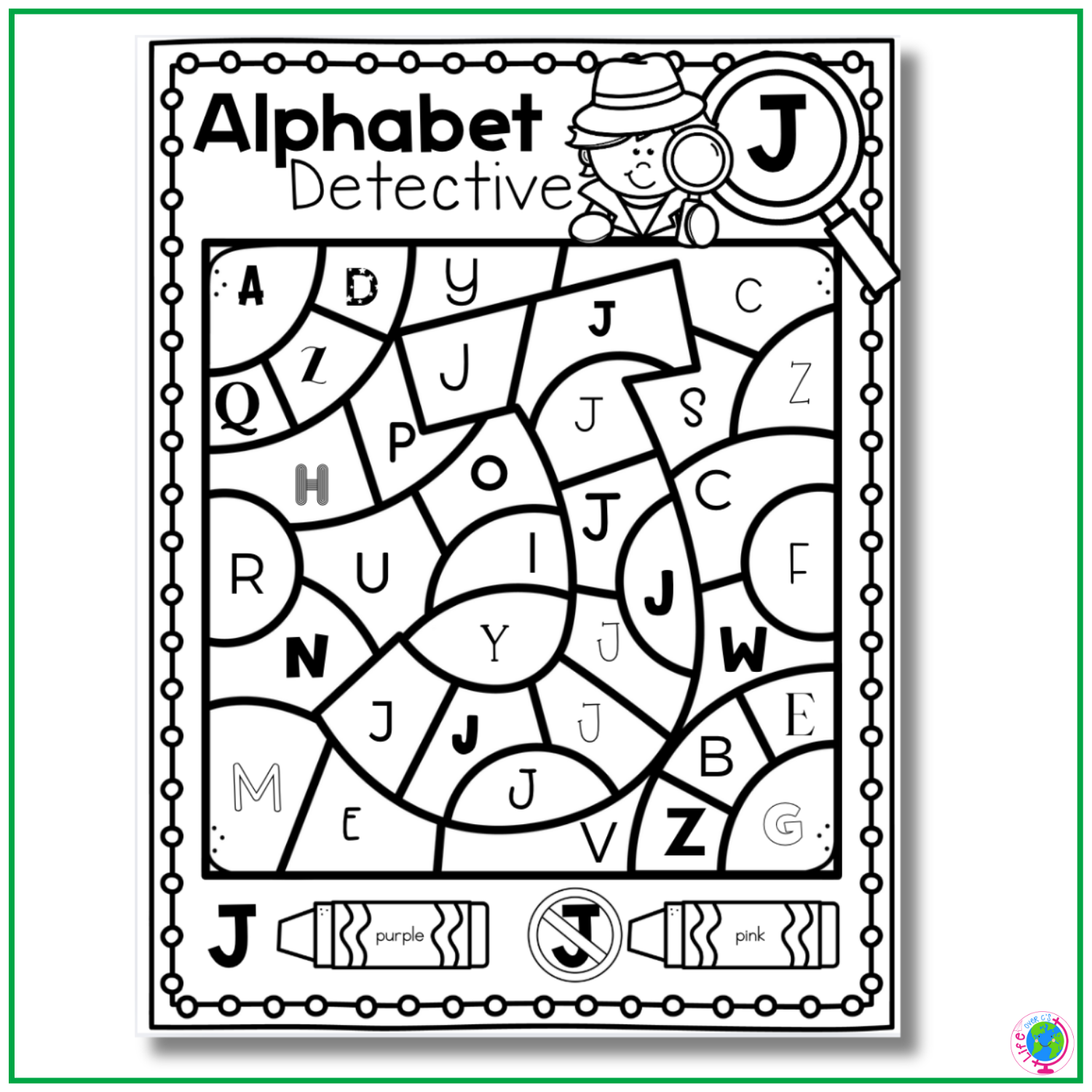
As your students color their way through the alphabet, keeping track of their progress can be beneficial. Here are some strategies to consider:
- Progress Charts: Create a simple chart where children can mark off each letter they’ve colored. This visual representation can motivate them to continue.
- Feedback and Praise: Regularly provide feedback on their coloring efforts. Acknowledge their creativity and improvements in letter recognition.
- Parental Involvement: Encourage parents to engage with their children by coloring at home. This can foster a supportive learning environment outside of school.
By embedding these coloring activities into your weekly lessons, you’re not just teaching letters; you’re creating a fun, engaging atmosphere that promotes early literacy.
Incorporating these practical tips and strategies into your teaching will enhance your students’ learning experience while ensuring that they develop a strong foundation in letter recognition. The most useful detail to remember is that integrating themed activities can significantly boost engagement and deepen learning, making each coloring session a delightful educational experience.