
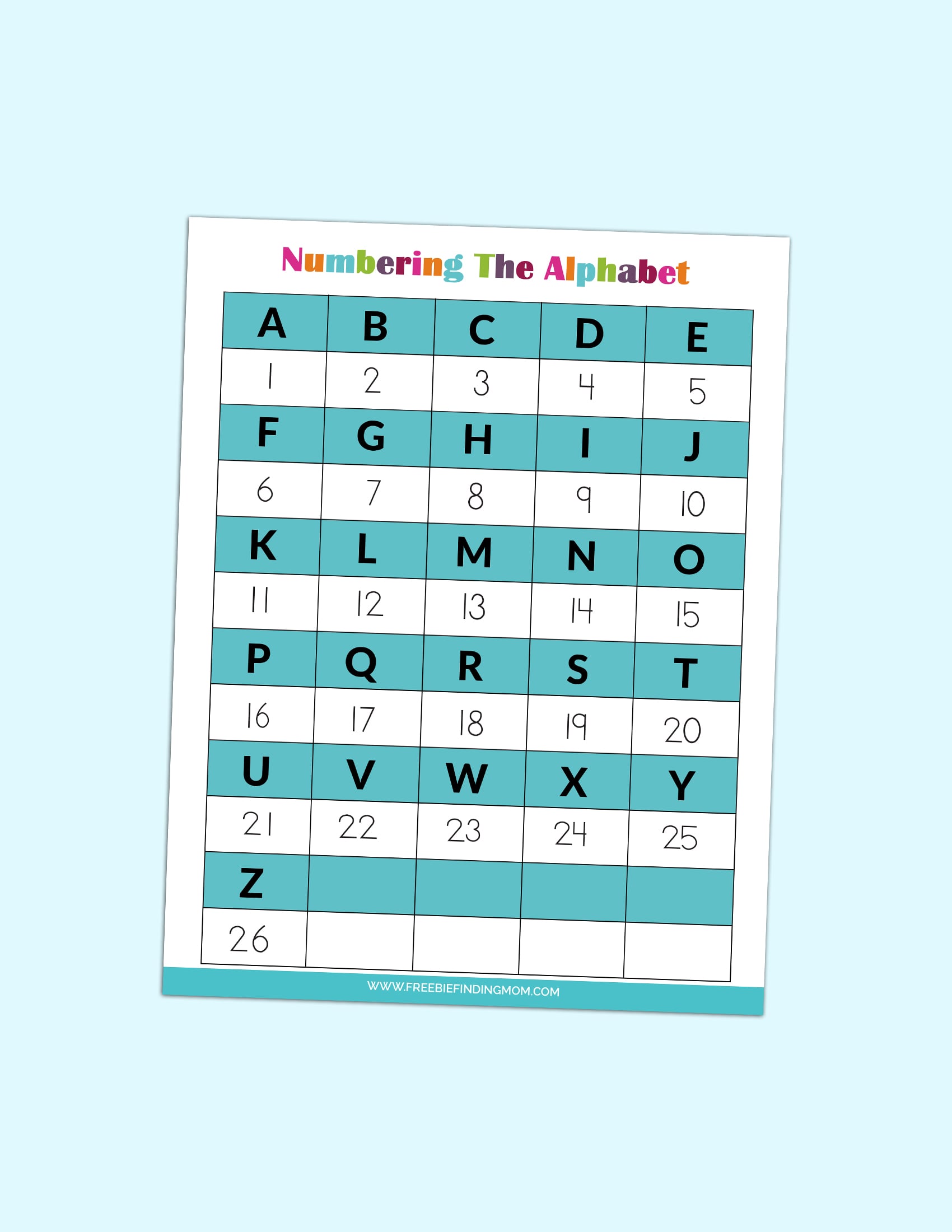
Many teachers and parents face the challenge of finding engaging and accessible resources for teaching young children the alphabet and numbers. Alphabet Letters And Numbers To Print provides an effective solution by offering a range of printable templates designed to enhance learning and assist with early literacy and numeracy skills. This guide will walk you through how to effectively utilize these resources in your classroom or home, ensuring a smooth transition from download to practical use.
Understanding the Importance of Alphabet and Number Recognition
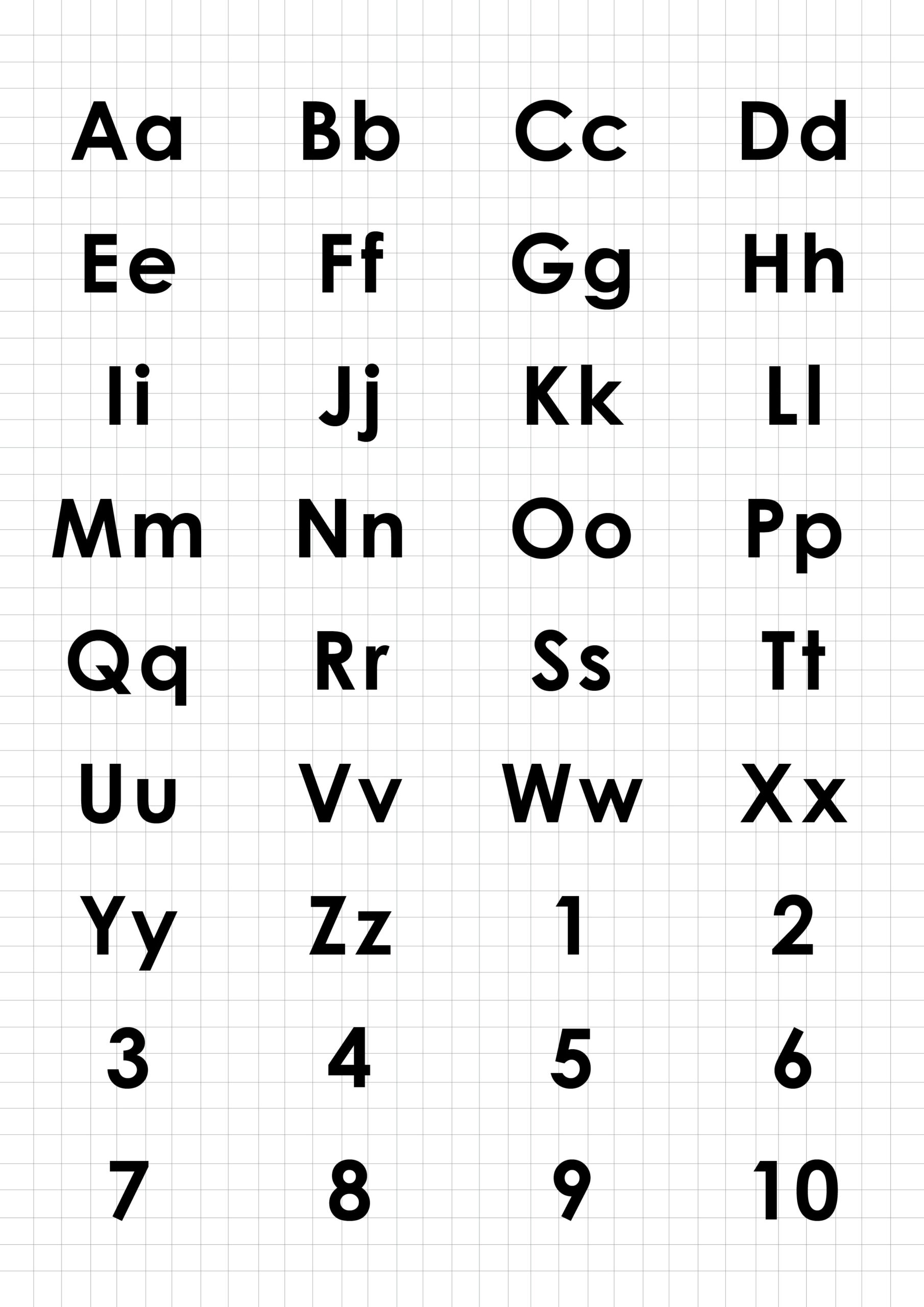
Before diving into the specifics of printable resources, it’s essential to understand why teaching alphabet letters and numbers is so critical. Young children typically develop these skills between ages 3 to 6. Mastery of letters and numbers lays the foundation for reading, writing, and basic mathematics. By using printable resources, you can create a visually appealing and interactive learning environment.
Types of Printable Resources Available
When searching for Alphabet Letters And Numbers To Print, you’ll find a variety of formats tailored to different educational needs. Here are some common types:
- Flashcards: Great for quick recognition and memory games.
- Worksheets: Structured activities for practicing writing and number formation.
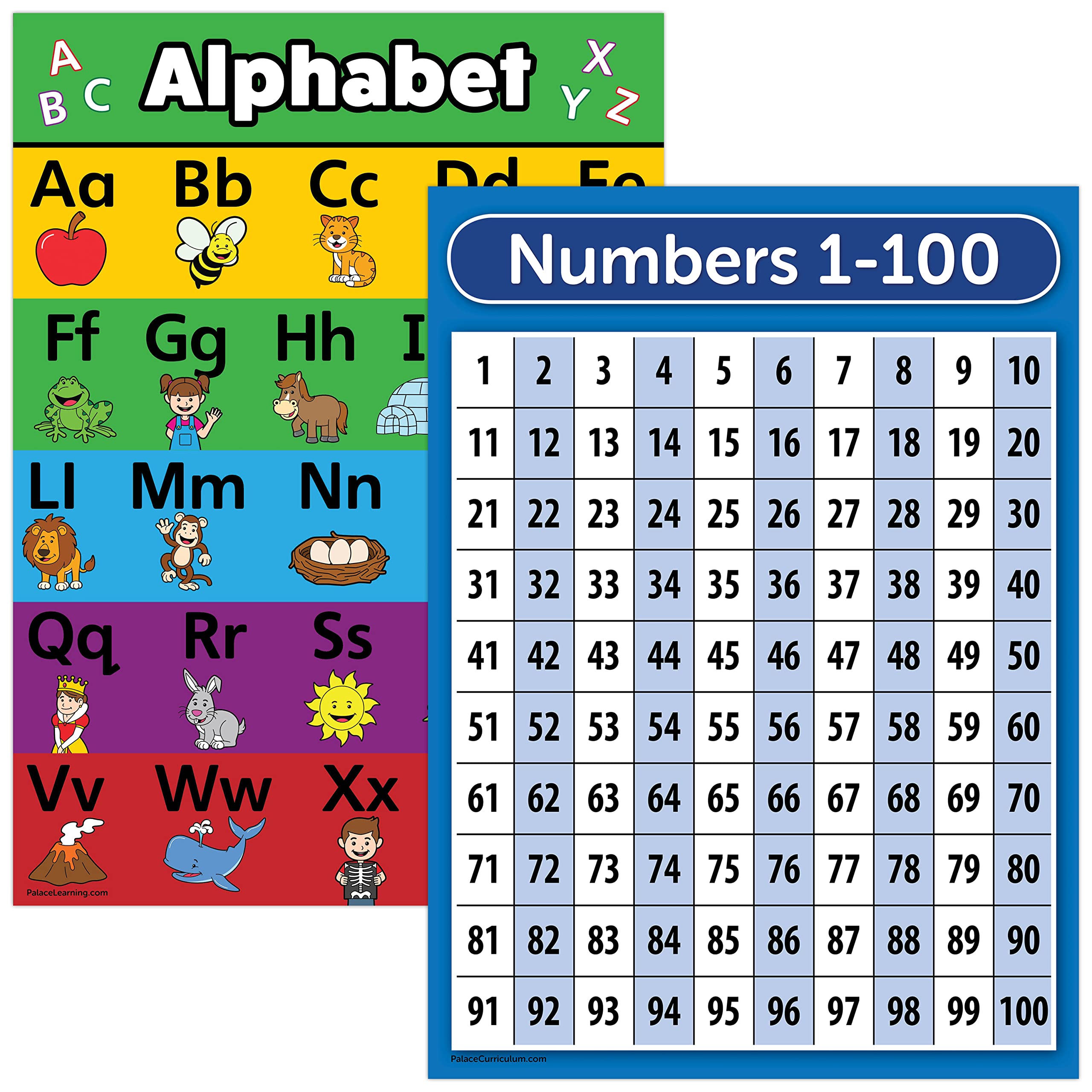
- Posters: Visual aids that can decorate a classroom and reinforce learning.
- Coloring Pages: Fun activities that engage children while they learn.
- Tracing Sheets: Ideal for developing fine motor skills alongside letter and number recognition.
Each type serves a specific educational purpose and can be adapted to fit various learning styles.
How to Choose the Right Resources
Selecting the appropriate resources for your classroom or home depends on several factors, including the child’s age, learning style, and specific needs. Here’s a simple guide to help you decide:
- Age Appropriateness: Ensure that the resources match the developmental stage of the child. For instance, preschoolers might benefit more from colorful flashcards and coloring pages, while kindergarteners can handle worksheets that involve tracing and writing.
- Learning Objectives: Determine what skills you want to reinforce. Are you focusing on letter recognition, phonetics, or number concepts? Choose materials that align with these goals.
- Engagement Level: Look for resources that are visually appealing and interactive. Children are more likely to engage with materials that capture their interest.
- Print Quality: Always check the resolution of the printables. High-quality images ensure that the materials are clear and professional-looking when printed.
Downloading and Printing Your Resources
Once you’ve selected the materials you need, here’s how to download and print them effectively:
- Visit a Reliable Resource Website: Look for sites that specialize in educational printables. Many offer free downloads, while others may require a subscription.
- Select Your Printables: Browse through the available options and add your chosen resources to your cart or download them directly.
- File Format: Most printables come in PDF format. This format preserves the layout and quality, regardless of the printer. Ensure you have a PDF reader installed.
- Print Settings:
- Choose the correct paper size, typically letter (8.5″ x 11″) or A4, depending on your location.
- If possible, use cardstock for durability, especially for flashcards and posters.
- Adjust your printer settings to ensure high-quality output. For color printouts, select “Best” quality in your printer properties.
- Laminating for Longevity: If you plan to reuse materials, consider laminating them. This step is particularly useful for flashcards and posters, allowing you to wipe them clean and use them multiple times.
Setting Up Your Learning Environment
Once printed, it’s time to set up your learning space. Here are some tips:
- Create a Dedicated Area: Designate a specific spot for learning activities. This could be a table or a corner of a room with minimal distractions.
- Organize Materials: Use bins or folders to keep your printables organized. This makes it easy to find what you need during lessons.
- Display Visual Aids: Hang posters or charts on walls where children can easily see them. This ongoing exposure reinforces learning.
Incorporating Activities With Printables
Using the printables effectively involves incorporating them into engaging activities. Here are some ideas:
- Flashcard Games: Use flashcards to play matching games or memory games. This encourages recognition and recall in a playful way.
- Worksheets: After completing worksheets, review the answers together. Discuss any mistakes to reinforce learning.
- Coloring Pages: As children color letters or numbers, encourage them to say the letter or number aloud. This ties visual recognition to verbal skills.
- Tracing Sheets: Guide children as they trace letters and numbers. Offer praise to boost their confidence as they improve their fine motor skills.
Assessing Progress and Adjusting Activities
Regularly assess how well children are grasping the concepts. Here are a few strategies:
- Observation: Watch how quickly they recognize letters and numbers during activities. Are they making connections?
- Informal Quizzes: Use flashcards for quick quizzes. How many can they identify in a minute?
- Feedback: Ask for their input. What activities do they enjoy? This can guide you in choosing future resources.
If you notice that certain activities are not resonating, don’t hesitate to switch things up. Flexibility is key to keeping learning fun and effective.
Final Tips for Effective Use of Printables
- Incorporate Technology: If possible, use tablets or computers to supplement printables. Many educational apps reinforce similar skills.
- Encourage Family Involvement: Invite parents to participate in activities at home. Providing parents with resources can help reinforce learning outside the classroom.
- Stay Organized: Regularly review and refresh your materials. Keep an eye on what works and what doesn’t and make adjustments accordingly.
By utilizing Alphabet Letters And Numbers To Print effectively, you can create a rich and engaging learning environment that fosters essential skills in young learners. Start downloading and printing today, and watch as their literacy and numeracy skills flourish!