
As the sun streams through the window, Sarah sits at the kitchen table, excitedly preparing for her afternoon with her kindergartner, Jake. Today’s focus: letters. Alphabet Letter Worksheets For Kindergarten are the perfect way to keep Jake engaged while helping him grasp the fundamentals of reading and writing. With a variety of activities available, these worksheets can easily fit into any home or homeschool routine.
Understanding the Importance of Alphabet Letter Worksheets
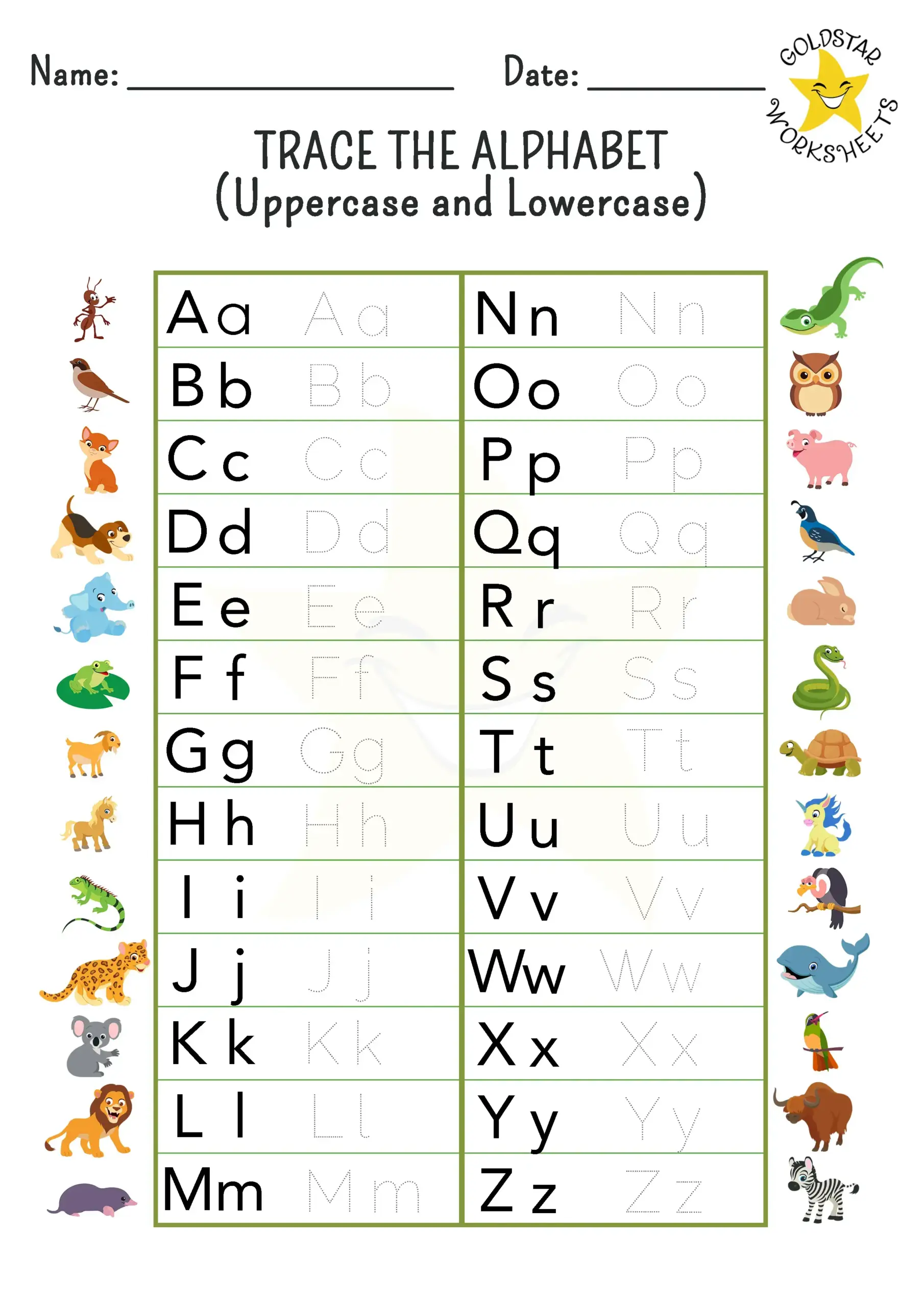
Alphabet worksheets are essential tools for young learners. They not only provide practice in recognizing letters but also help develop fine motor skills through activities like tracing and coloring. When your child engages with these worksheets, they’re building the foundation for future reading and writing success.
At this stage, children are typically around 5 to 6 years old. It’s crucial to choose worksheets that are age-appropriate and designed to cater to their developmental levels. This ensures that they remain engaged and motivated.
Engaging Activities in Alphabet Letter Worksheets
Alphabet Letter Worksheets For Kindergarten often include a variety of activities that can be tailored to your child’s learning style. Here are some popular activities to look for:
Tracing Letters
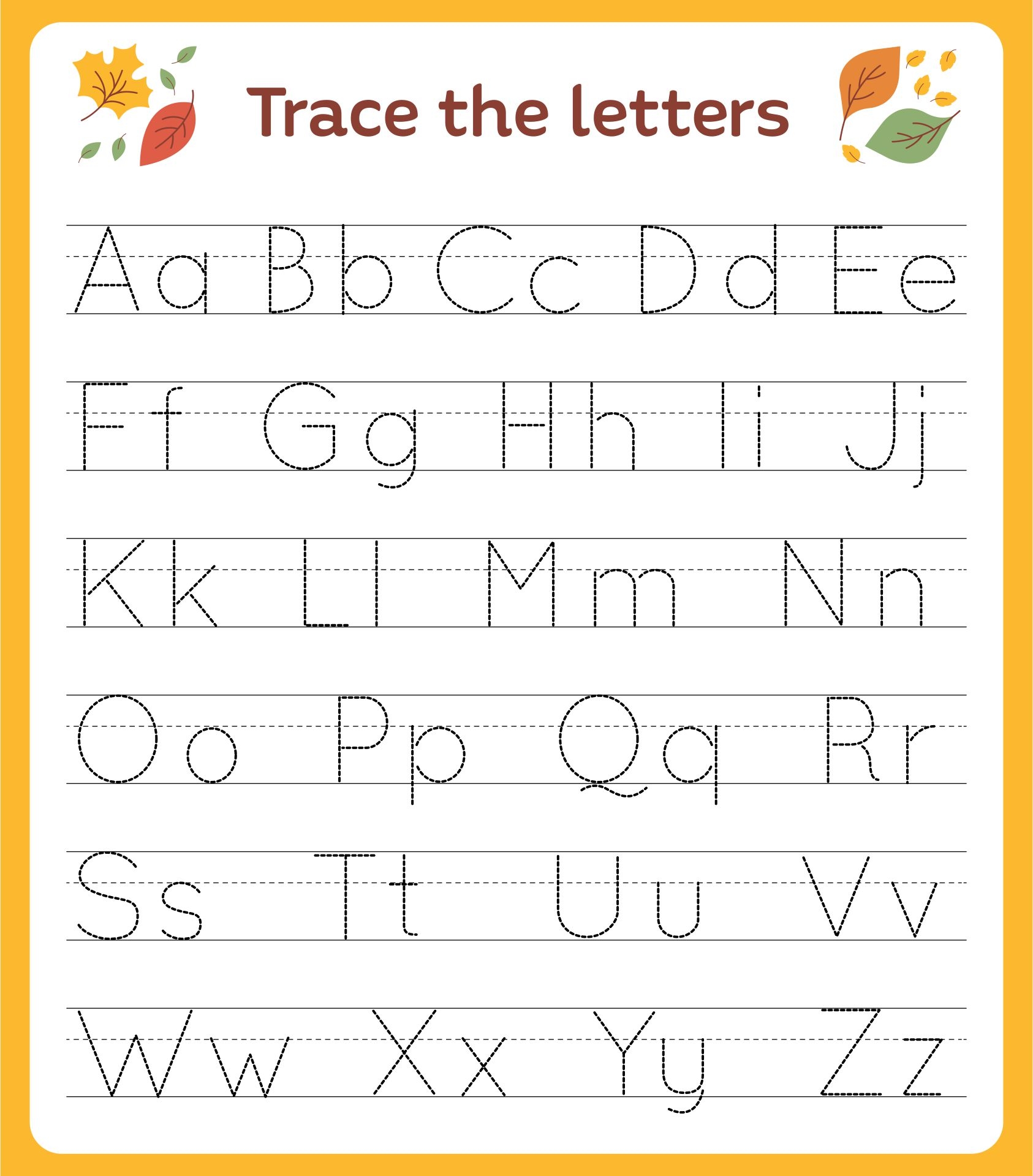
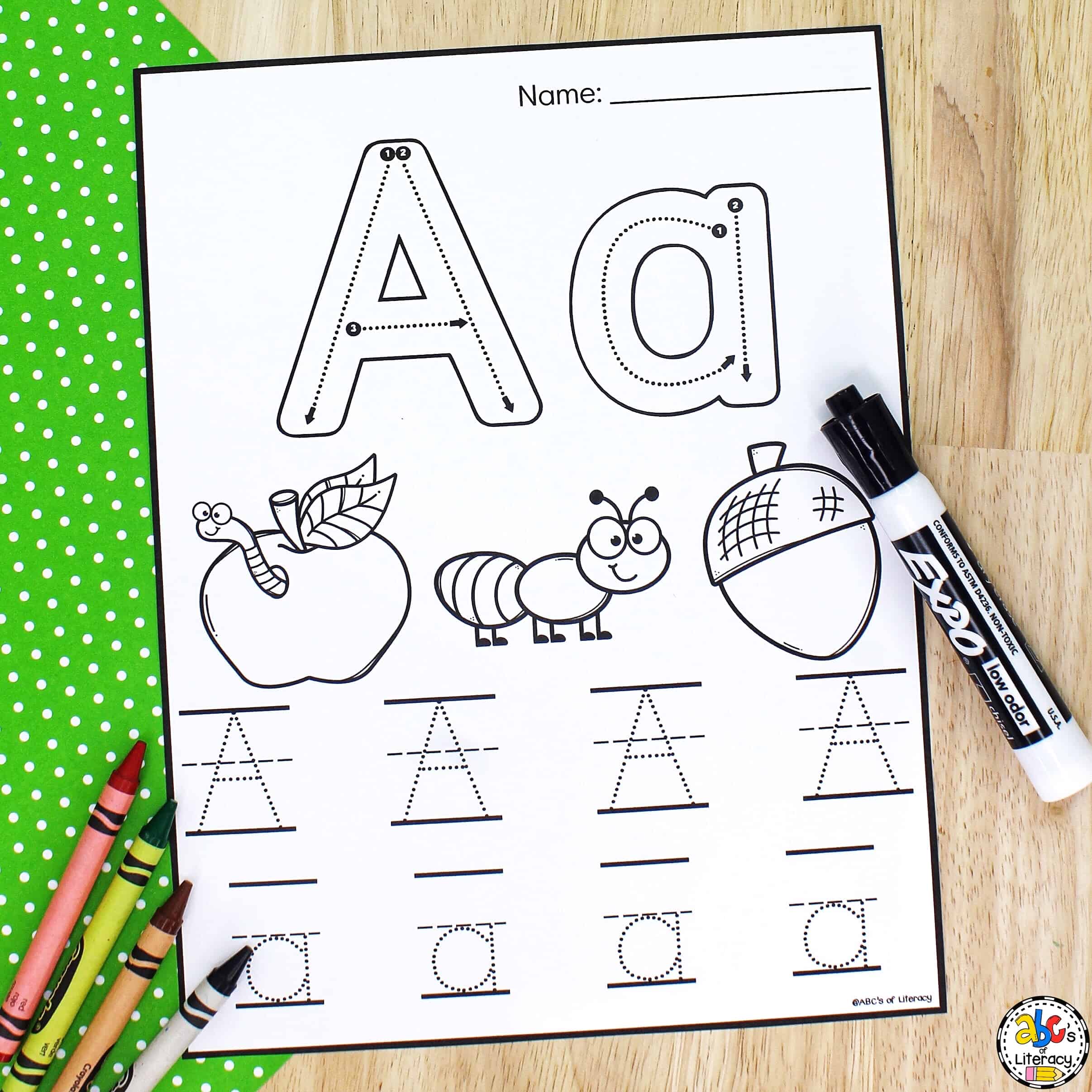
One of the most effective ways to teach letter formation is through tracing. Worksheets that feature dotted letters allow children to practice writing the letters correctly. This not only helps them learn how to write but also reinforces their memory of the letter shapes.
Coloring Activities
Coloring is a fun way to keep children engaged. Worksheets that incorporate coloring can help reinforce letter recognition. For example, a worksheet might feature a letter alongside images of objects that start with that letter. Jake loves coloring, so he gets to color an “A” with apples and an “B” with balloons, making the learning process enjoyable.
Matching Letters
Some worksheets include matching activities where children connect uppercase letters with their lowercase counterparts. This helps them understand the relationship between different letter forms. It’s a simple yet effective way to teach recognition and pairing skills.
Letter Sounds
Incorporating phonics into your worksheets can be incredibly beneficial. Look for activities that ask children to identify the first sound of a word. For instance, a worksheet might ask Jake to circle pictures of objects that start with the letter “C” like cat, car, and cookie.
How to Use Alphabet Worksheets Effectively
Integrating these worksheets into your daily routine can be simple and effective. Here are some practical tips for making the most of Alphabet Letter Worksheets For Kindergarten:
Set a Regular Schedule
Consistency is key. Try to set aside a specific time each day for worksheet activities. This could be during Jake’s quiet time after lunch or as part of his evening routine. Regular practice helps reinforce what he learns.
Create a Learning Space
Designate a specific area in your home for learning activities. This could be a small corner of the dining room or a cozy nook in the living room. Having a dedicated space helps signal to your child that it’s time to focus on learning.
Use Rewards and Praise
Encouragement goes a long way in keeping children motivated. Celebrate small achievements, whether it’s completing a worksheet or mastering a letter. Stickers or a simple “Great job!” can boost their confidence and enthusiasm.
Incorporate Technology
If your child enjoys screens, consider integrating digital worksheets as well. Many websites offer interactive alphabet worksheets that can be printed or completed online. This variety can keep learning fresh and exciting.
Choosing the Right Worksheets
When selecting Alphabet Letter Worksheets For Kindergarten, keep a few things in mind:
Age Appropriateness
Make sure the worksheets are suitable for Jake’s age group. Look for resources specifically designed for kindergarteners, as these will cater to their developmental needs.
Variety of Activities
Choose worksheets that offer a mix of activities. This ensures that your child remains engaged and can practice different skills, from writing to phonics.
Visual Appeal
Colorful and visually engaging worksheets can capture a child’s attention better than plain ones. Look for worksheets with fun illustrations and themes that interest your child.
Tracking Progress With Worksheets
Keeping track of Jake’s progress is essential. Here are some easy ways to monitor his development:
Create a Portfolio
Gather completed worksheets and store them in a folder. This portfolio will not only show his progress but also provide a sense of accomplishment as he sees how far he has come.
Regular Check-Ins
Set aside time each week to review the worksheets with your child. Discuss what he enjoyed, what he found challenging, and what he learned. This reflection can reinforce the skills he’s acquiring.
Celebrate Milestones
Recognize significant achievements, such as mastering all the letters or completing a particularly challenging worksheet. Celebrating milestones can motivate Jake to continue his learning journey.
Additional Resources for Alphabet Learning
While Alphabet Letter Worksheets For Kindergarten are a fantastic resource, consider supplementing them with other materials. Here are some ideas:
Alphabet Books
Incorporate books that focus on the alphabet. Reading together not only enhances letter recognition but also fosters a love for reading.
Educational Apps
Explore educational apps that focus on letter learning. Many apps offer interactive games and activities, making learning fun and engaging.
Hands-On Activities
Integrate hands-on activities like letter crafts, where Jake can create letters using playdough or cut-out shapes. This tactile experience can deepen his understanding and retention of letters.
Final Tip for Using Worksheets
When using Alphabet Letter Worksheets For Kindergarten, remember to keep the atmosphere light and fun. Learning should never feel like a chore. By incorporating a variety of activities, celebrating progress, and maintaining a positive environment, you can create a rich learning experience that lays the groundwork for Jake’s future success in reading and writing. Consider starting with a mix of tracing and coloring activities today to see how engaged he becomes!