
Teaching young children their letters can be a delightful experience, especially when you have the right resources at hand. The Alphabet Letter Printable Age 4 is specifically designed to captivate young learners and make the process of learning letters engaging and effective. This resource stands out from other printables by blending colorful visuals with interactive activities that cater to various learning styles.
Understanding the Resource
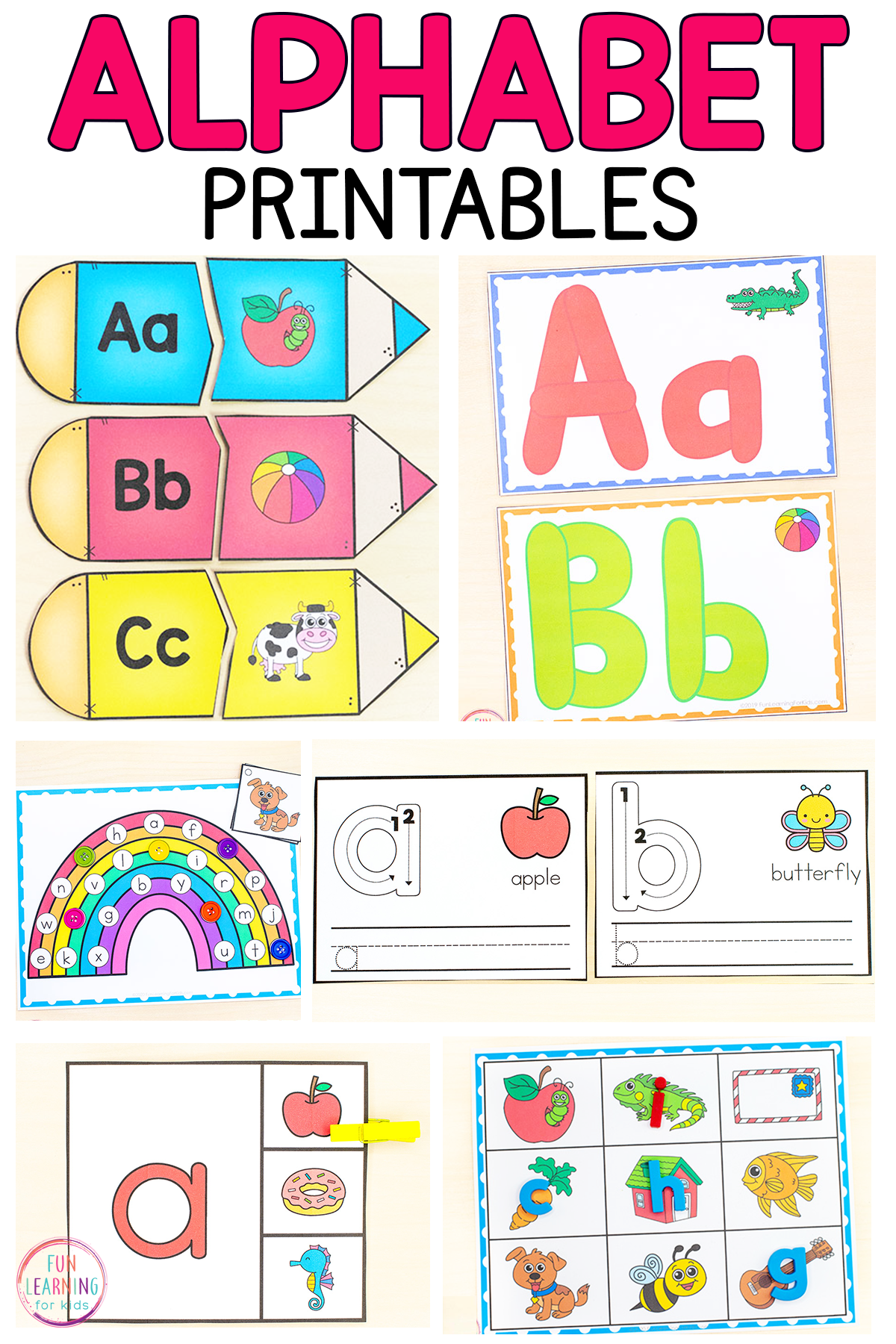
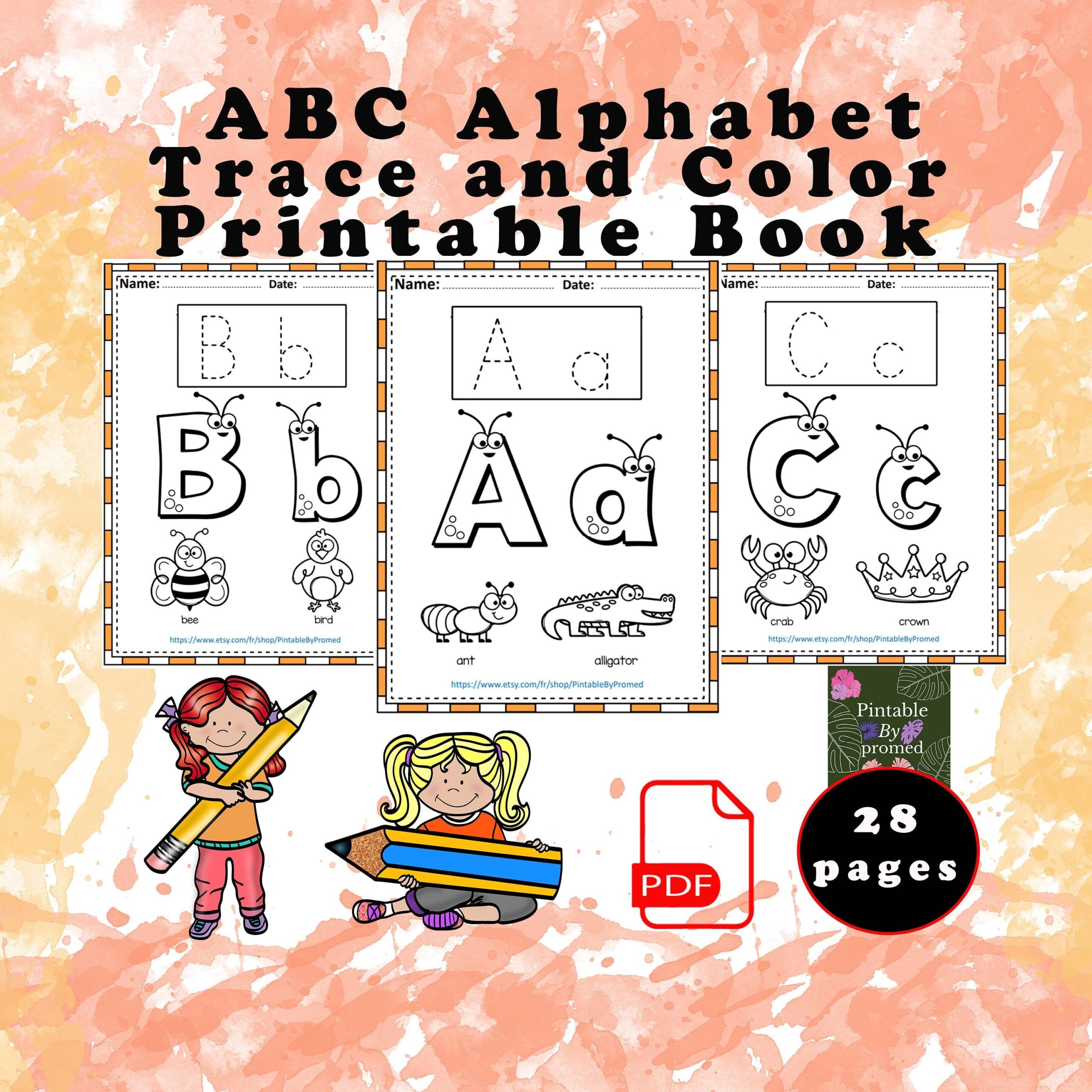
The Alphabet Letter Printable Age 4 includes a variety of worksheets that focus on each letter of the alphabet. Each page typically features a large letter, accompanied by images of items that start with that letter. For instance, the letter “A” might showcase an apple, while “B” could highlight a balloon. This direct association helps children make connections between letters and sounds, which is crucial for early literacy development.
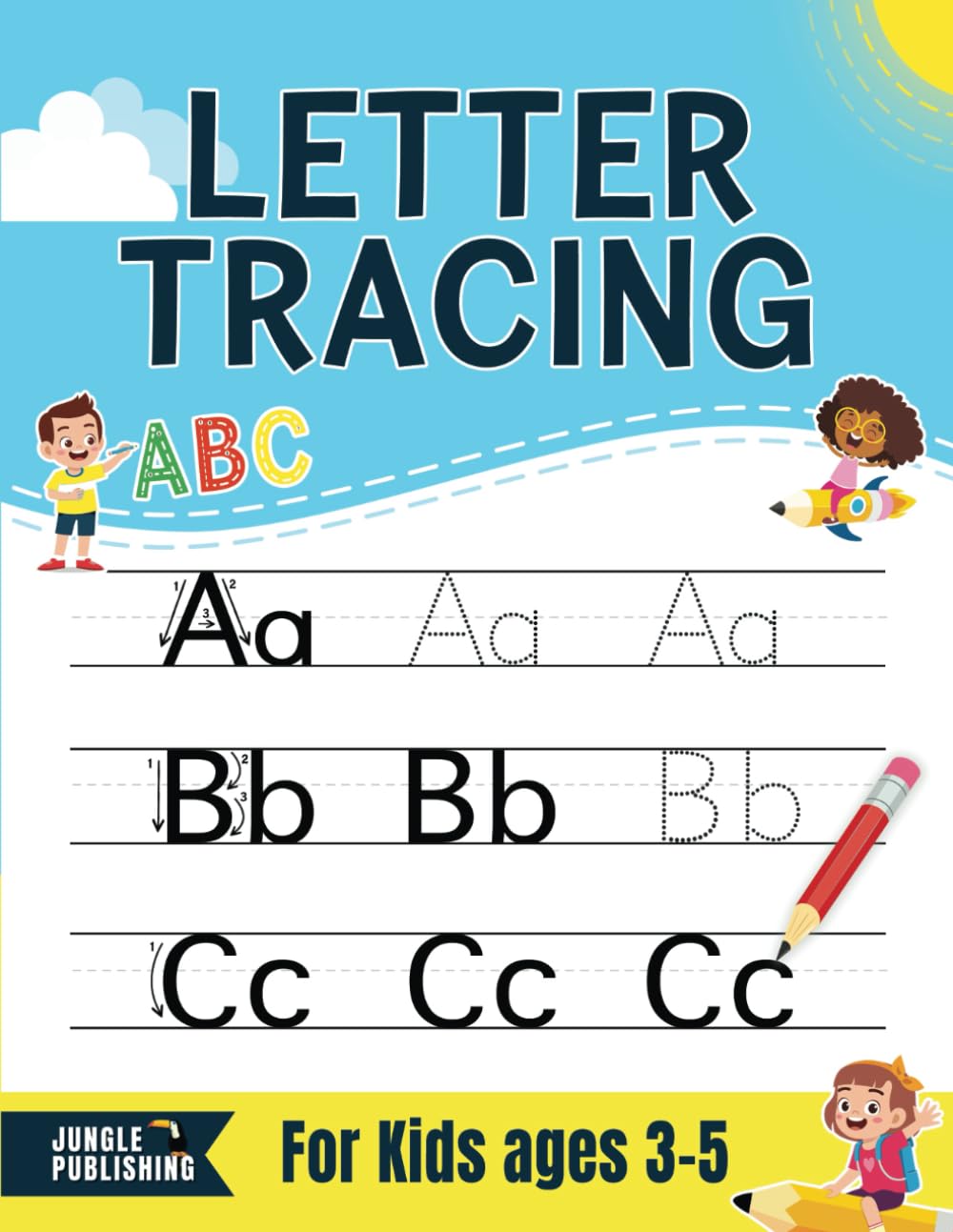
These printables can also include tracing activities, where children can practice writing the letters. This combination of visual aids and hands-on practice is essential for reinforcing their learning. The layout is typically designed for easy printing, ensuring that teachers or parents can quickly produce multiple copies for classroom or home use.
Practical Classroom Use
When using the Alphabet Letter Printable Age 4 in a classroom setting, consider the layout and bulk printing options. Most of these printables are formatted for standard paper sizes like A4 or letter size, making them compatible with most printers. If you’re preparing for a full class, printing multiple copies on cardstock is a great idea. Cardstock holds up better, especially if you plan to laminate the sheets for repeated use.
Once printed, you can organize the worksheets by letter or activity type. This way, your students can easily access the materials they need during class activities. You might also consider creating a dedicated learning center where kids can explore different letters through these printables, enhancing their understanding in a fun, interactive way.
Engaging Activities With Printables
The beauty of the Alphabet Letter Printable Age 4 is that it allows for a variety of activities beyond simple tracing. Here are a few engaging ideas to incorporate these printables into your lessons:
- Letter Scavenger Hunt: Give students a worksheet where they need to find items in the classroom that start with the letters they’re learning. For instance, they could look for a “C” item, like a cup or a cat toy.
- Art Integration: Encourage students to color the letters and the corresponding images. This not only reinforces the letter recognition but also allows for creativity. You can even turn the coloring pages into a classroom display.
- Letter Matching Games: Use the printables to create matching cards. One card can have the letter, and another can have an image of an item that starts with that letter. Kids can play memory games or match the pairs in small groups.
Supporting Different Learning Styles
Every child learns differently, and the Alphabet Letter Printable Age 4 accommodates various learning styles. Visual learners benefit from the colorful illustrations, while kinesthetic learners engage through tracing and writing. Auditory learners can be included by encouraging discussions about what words start with each letter, enhancing their understanding through conversation.
These printables can also be easily adapted for children who may need additional support. For example, you can modify the tracing pages by providing dotted lines for children who are still developing their fine motor skills. This flexibility makes the resource suitable for diverse classroom needs.
Review and Grading Considerations
When it comes to reviewing the activities using the Alphabet Letter Printable Age 4, you might find that grading can be straightforward. Because the worksheets often include clear visuals and simple tasks, assessing students’ understanding is easier. You can create a simple rubric based on letter recognition, sound association, and the neatness of their writing.
Keep in mind that some worksheets might come with answer keys, which can help streamline your review process. It’s also beneficial to provide feedback that encourages growth rather than just marking errors. For instance, if a child struggles with a letter, you can suggest additional practice activities tailored to that specific letter.