
The Alphabet Learning Pages For 4 Year Olds are designed to make learning fun and engaging for young children. These printable resources typically come in a standard letter size (8.5 x 11 inches), making them easy to print at home or in the classroom. The layout is crafted to support independent practice, allowing children to explore letters and their sounds with minimal supervision.
Understanding the Structure of Alphabet Learning Pages
Each page is thoughtfully designed with vibrant illustrations and clear instructions that encourage exploration. The layout generally includes:
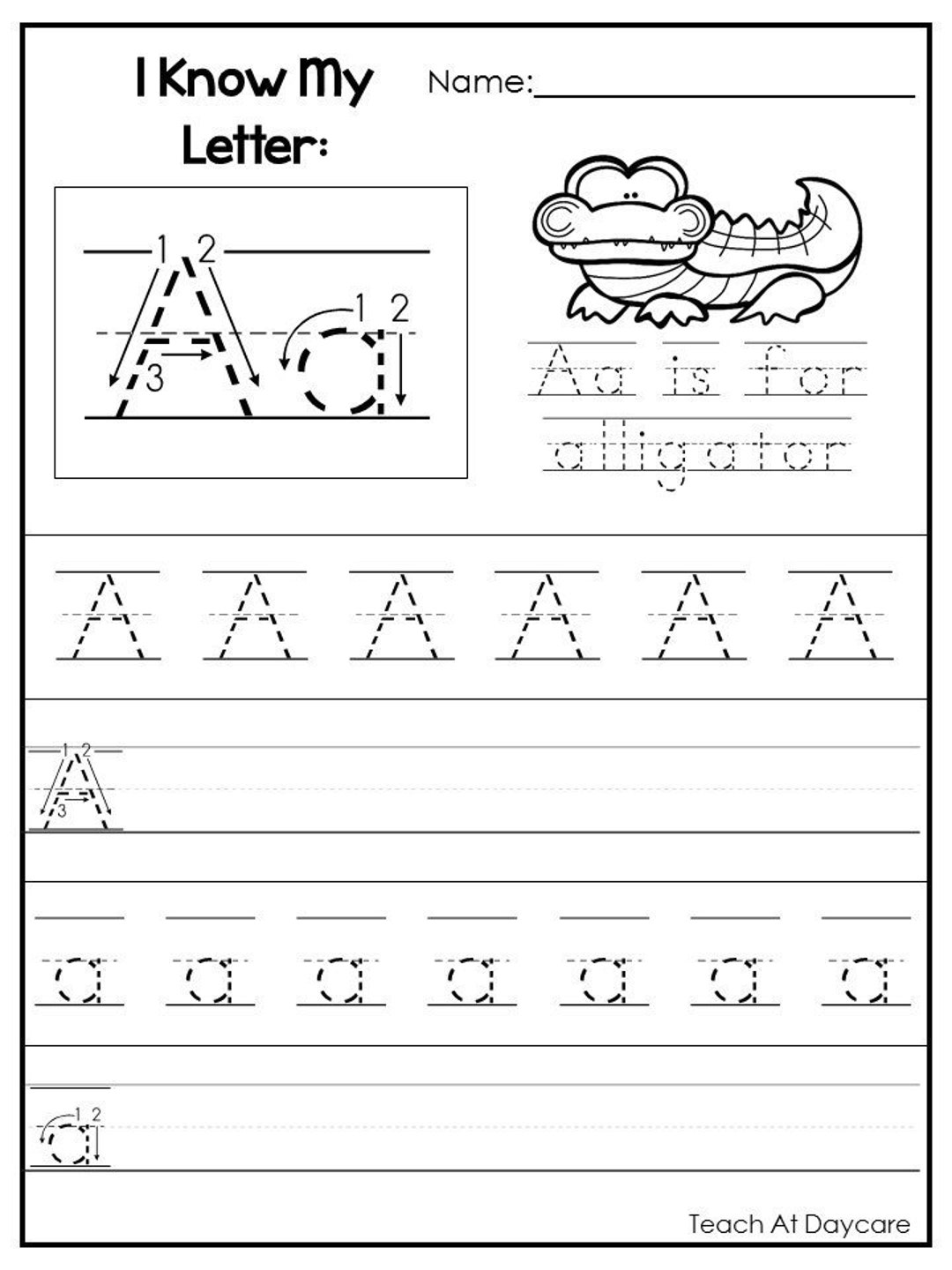
- Letter Focus: Each page targets a specific letter, making it easy for children to concentrate on one sound at a time.
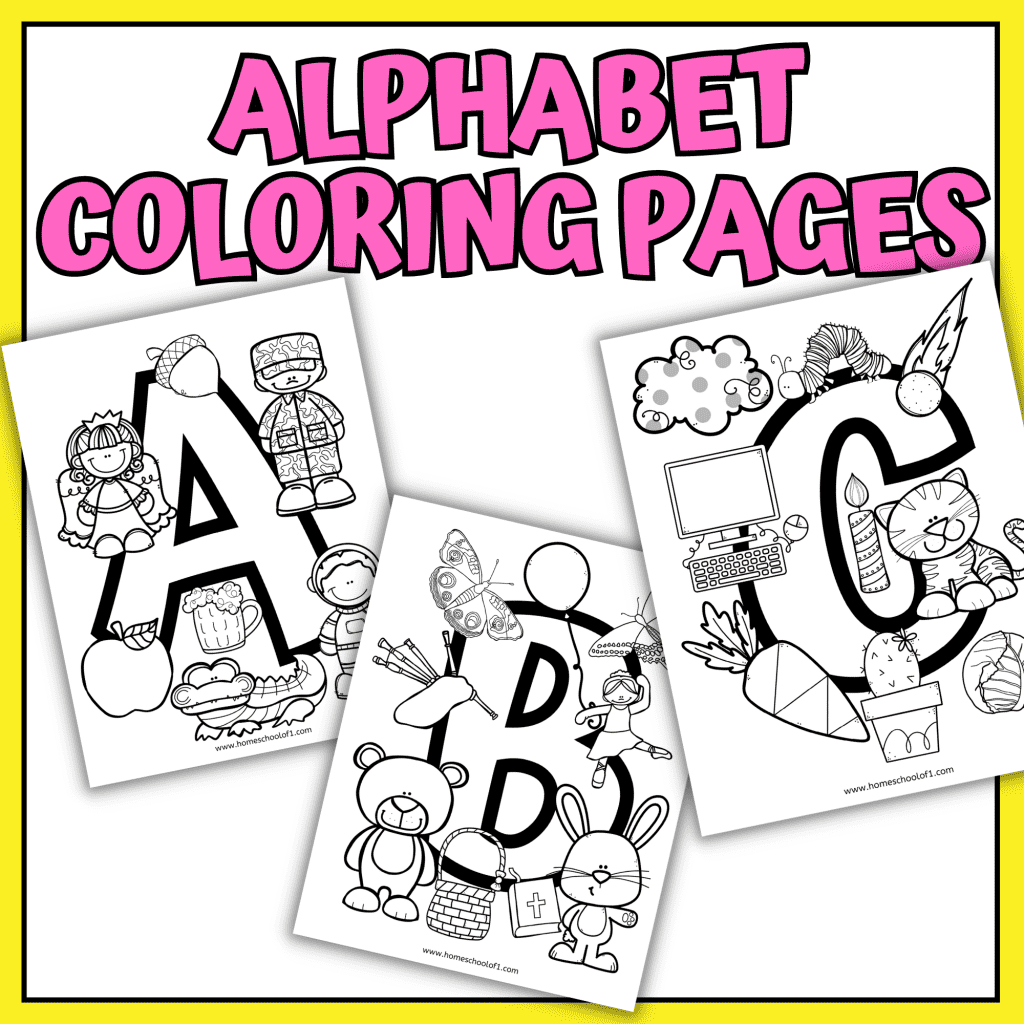
- Visual Aids: Pictures related to the letter help reinforce the sound and provide context. For example, an “A” page might feature an apple and an ant, making it visually appealing.
- Interactive Elements: Many pages include tracing lines for children to practice writing the letter, as well as space for them to draw or color images that start with that letter.
This structured approach not only aids in letter recognition but also in developing fine motor skills as children trace and write.
Activities Included in the Learning Pages
The Alphabet Learning Pages are rich with activities that cater to various learning styles. Here are some of the common activities you might find:
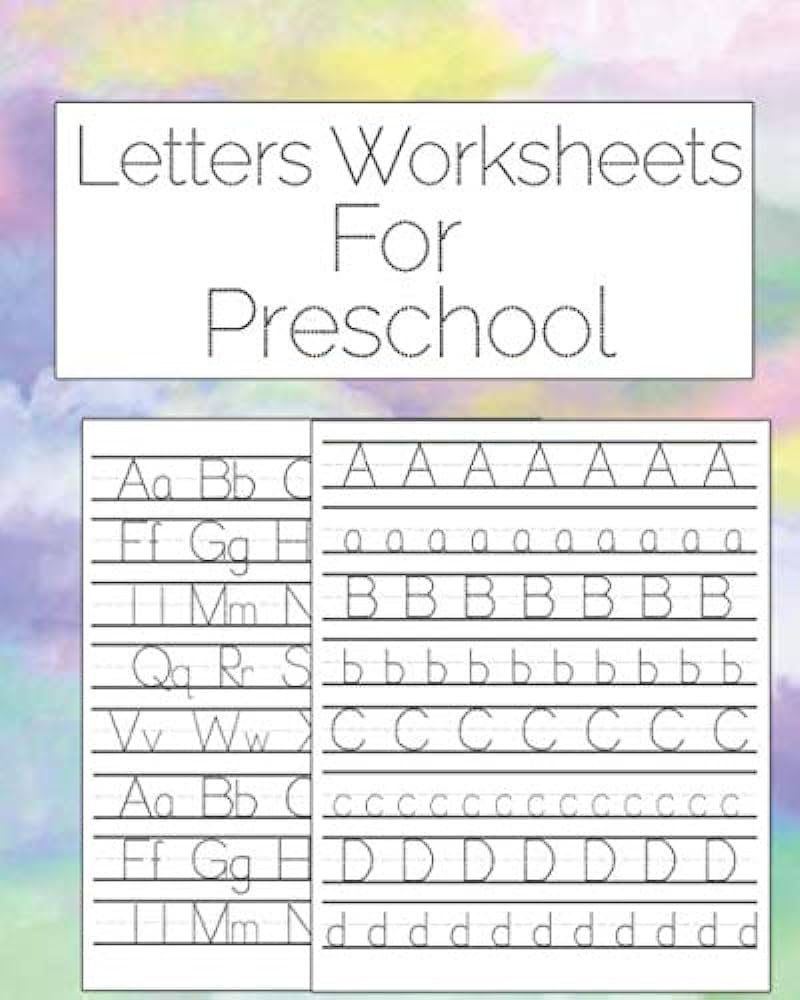
- Tracing Letters: Children can trace both uppercase and lowercase versions of the letter, helping reinforce proper letter formation.
- Coloring: There are usually images related to the letter that children can color, which keeps them engaged and reinforces their understanding of letters.
- Matching Games: Some pages include matching letters to corresponding pictures, which can be a fun way to solidify their learning.
- Sound Recognition: Activities may prompt children to say words that start with the letter, encouraging verbal skills.
These activities not only enhance literacy but also promote cognitive development through playful learning.
Practical Use in Classrooms and Homes
The flexibility of the Alphabet Learning Pages makes them suitable for various settings, whether in a traditional classroom, a homeschool environment, or during playtime at home. Here are some practical tips on how to implement these resources effectively:
- Routine Integration: Incorporate these pages into daily routines. For example, set aside time each day for letter practice, which can help establish a learning habit.
- Thematic Learning: Pair the Alphabet Learning Pages with a theme, such as animals or food. This can make the learning experience richer and more relatable for children.
- Group Activities: Use the pages for group activities where children can share what they’ve learned. This encourages social interaction and reinforces their understanding through discussion.
By utilizing these strategies, you can create a dynamic learning environment that fosters curiosity and a love for reading.
Tracking Progress With Alphabet Learning Pages
As children engage with the Alphabet Learning Pages, tracking their progress is essential. Here are some effective methods to monitor their development:
- Checklists: Create a simple checklist to mark off the letters your child has mastered. This visual representation of progress can be motivating for children.
- Progress Journals: Encourage children to keep a journal where they can write or draw something related to each letter they learn. This adds a personal touch to their learning journey.
- Regular Reviews: Schedule regular review sessions where children can revisit previous letters. This reinforces their memory and builds confidence.
Tracking progress not only helps you see where your child excels but also highlights areas that may need further reinforcement.
Choosing the Right Printing Options
When printing Alphabet Learning Pages, the quality of the print can significantly impact the user experience. Here are a few tips to ensure the best results:
- Paper Type: Use cardstock for durability, especially if the pages will be colored or handled frequently. This prevents tearing and allows for better quality when coloring.
- Printer Settings: Adjust your printer settings to high quality to ensure that colors are vibrant and images are clear. Portrait orientation generally works best for these pages.
- Laminating: Consider laminating the pages if you plan to use them repeatedly. This allows for dry-erase markers to be used for tracing, making them reusable.
These simple adjustments can enhance the usability and longevity of your learning resources.
The Alphabet Learning Pages For 4 Year Olds are not just educational tools; they are gateways to a world of literacy and creativity for young learners. With engaging designs and a variety of activities, these pages encourage independent exploration and foster a love for learning that can last a lifetime.