
Incorporating Alphabet Colouring Worksheets For Kindergarten into your teaching toolkit can significantly enhance the learning experience for young children. These worksheets not only make learning fun but also help develop essential skills like letter recognition and fine motor coordination. Here’s how you can effectively use these resources in your classroom or homeschooling environment.
Understanding the Importance of Alphabet Colouring Worksheets
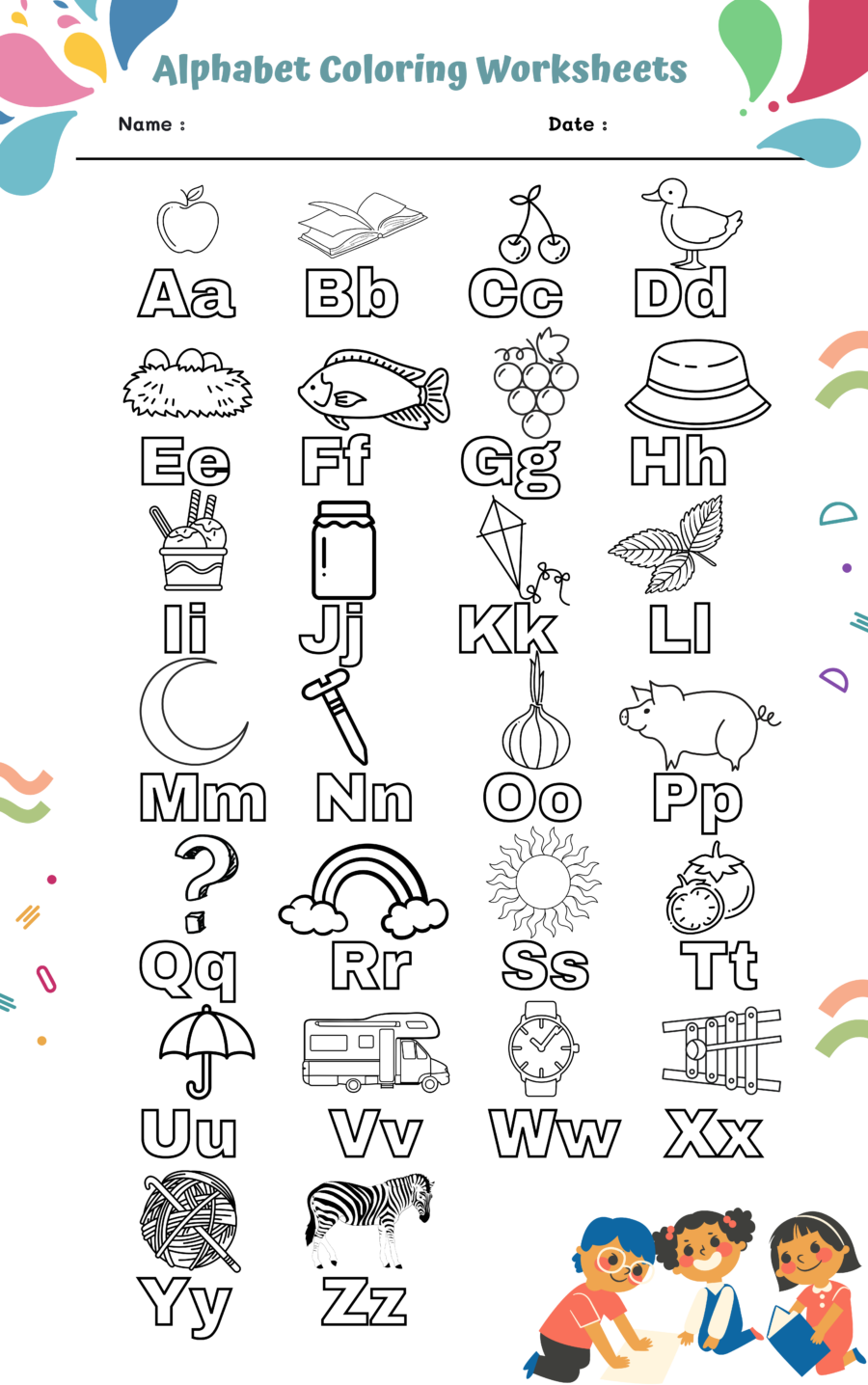
Alphabet colouring worksheets serve multiple educational purposes. They provide children with an engaging way to learn the letters of the alphabet while expressing their creativity. Each worksheet typically features a letter accompanied by a relevant image, allowing kids to associate letters with words and concepts visually. This dual approach enhances both literacy and comprehension skills.
For kindergarteners, who are usually aged 5 to 6 years, these worksheets can be particularly beneficial. They can help students:
- Recognize uppercase and lowercase letters.
- Improve their handwriting through tracing.
- Develop colour recognition and artistic skills.
- Enhance focus and concentration during activities.
How to Use Alphabet Colouring Worksheets in the Classroom
Using Alphabet Colouring Worksheets effectively requires some planning. Here are practical steps to incorporate them into your lesson plans:
- Print in Bulk: If you’re teaching a class, print enough worksheets for every student. A standard letter-sized paper (8.5 x 11 inches) works well for most home printers. If you have access to a colour printer, consider printing in colour for a more engaging experience.
- Group Activities: Organize students into small groups. Assign each group a different letter to focus on. They can colour their assigned letter and present it to the class, explaining what it represents. This not only reinforces their learning but also promotes teamwork.
- Individual Practice: For independent practice, give each student a worksheet to complete at their own pace. Encourage them to use various colours and be creative with their designs. This fosters individuality and personal expression.
- Incorporate Storytime: Pair the worksheets with a story that emphasizes the alphabet. For example, read a book that highlights words starting with the letter of the day. After the reading, the students can colour the corresponding worksheet, making connections between the story and their activity.
Tips for Maximizing the Use of Colouring Worksheets
To make the most out of Alphabet Colouring Worksheets, consider these practical tips:
- Use High-Quality Paper: If possible, print on cardstock. It holds up better to colouring and can be used for display purposes later on. This is especially important if students will be using markers, which can bleed through standard paper.
- Laminating for Longevity: If you plan to reuse worksheets, laminate them. This allows for dry-erase markers to be used, making them a reusable resource. Kids can colour, wipe off, and colour again, reinforcing their learning without wasting paper.
- Create a Portfolio: Encourage students to keep their completed worksheets in a portfolio. This not only helps track their progress but can also be a great keepsake for parents.
Engaging Activities Beyond Colouring
Alphabet Colouring Worksheets can be integrated into a variety of engaging activities that go beyond just colouring. Here are some ideas:
Alphabet Scavenger Hunt
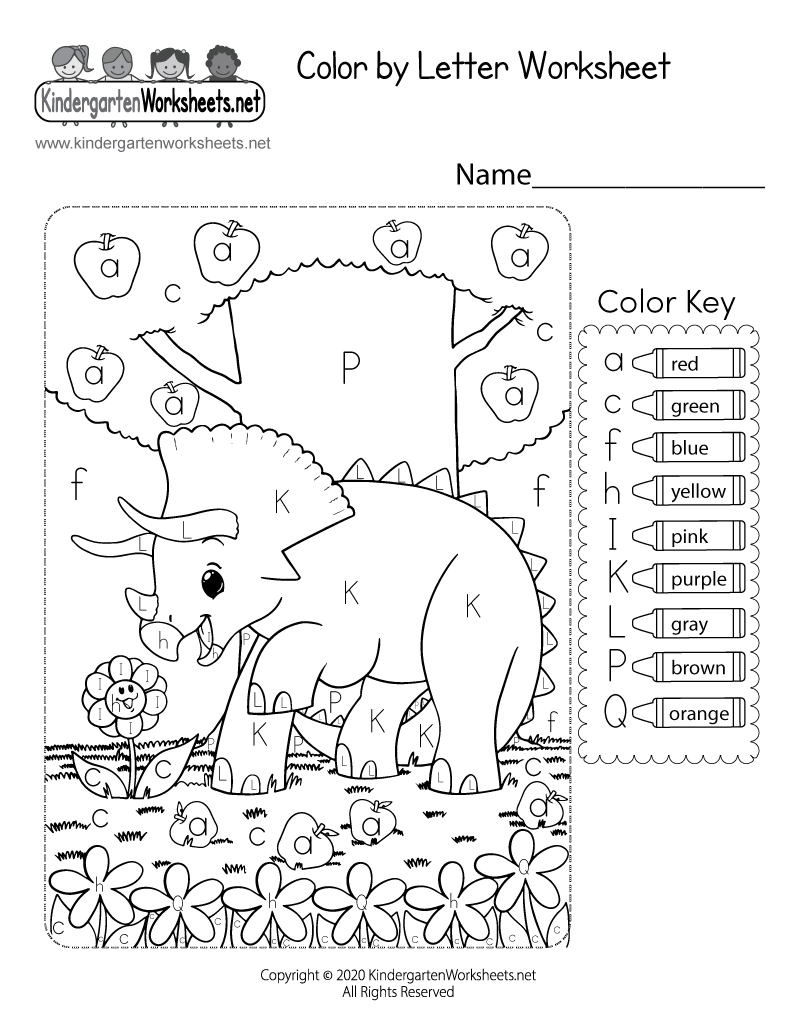
Create an alphabet scavenger hunt where students search for objects around the classroom or home that start with the letter they are working on. For example, for the letter ‘B’, they might find a book, ball, or block. After the hunt, they can return to their worksheets and colour the letter ‘B’ while discussing the items they found.
Letter Crafts
Combine arts and crafts with your worksheets. After colouring, let students create a 3D representation of the letter. For example, they could use playdough to form the letter ‘A’ or cut out shapes to form the letter ‘M’. This hands-on activity reinforces letter shapes and sounds.
Alphabet Songs and Rhymes
Incorporate songs or rhymes that focus on the alphabet. After singing, students can colour their worksheets related to the letters they just learned through music. This multisensory approach caters to various learning styles.
Assessing Progress With Worksheets
Tracking progress is essential in any educational setting. Alphabet Colouring Worksheets provide a simple way to assess students’ understanding of letter recognition and their ability to follow instructions. Consider the following methods for assessment:
- Observation: Watch how students engage with the worksheets. Are they able to identify the letters? Are they following the instructions correctly? This will give you insight into their understanding.
- Portfolio Review: Regularly review the students’ portfolios. Look for improvements in their colouring, handwriting, and overall engagement with the letters.
- Feedback Sessions: Hold brief one-on-one sessions with students to discuss their worksheets. Ask them about the letters and words they coloured, which can enhance both their understanding and confidence.
Where to Find Quality Alphabet Colouring Worksheets
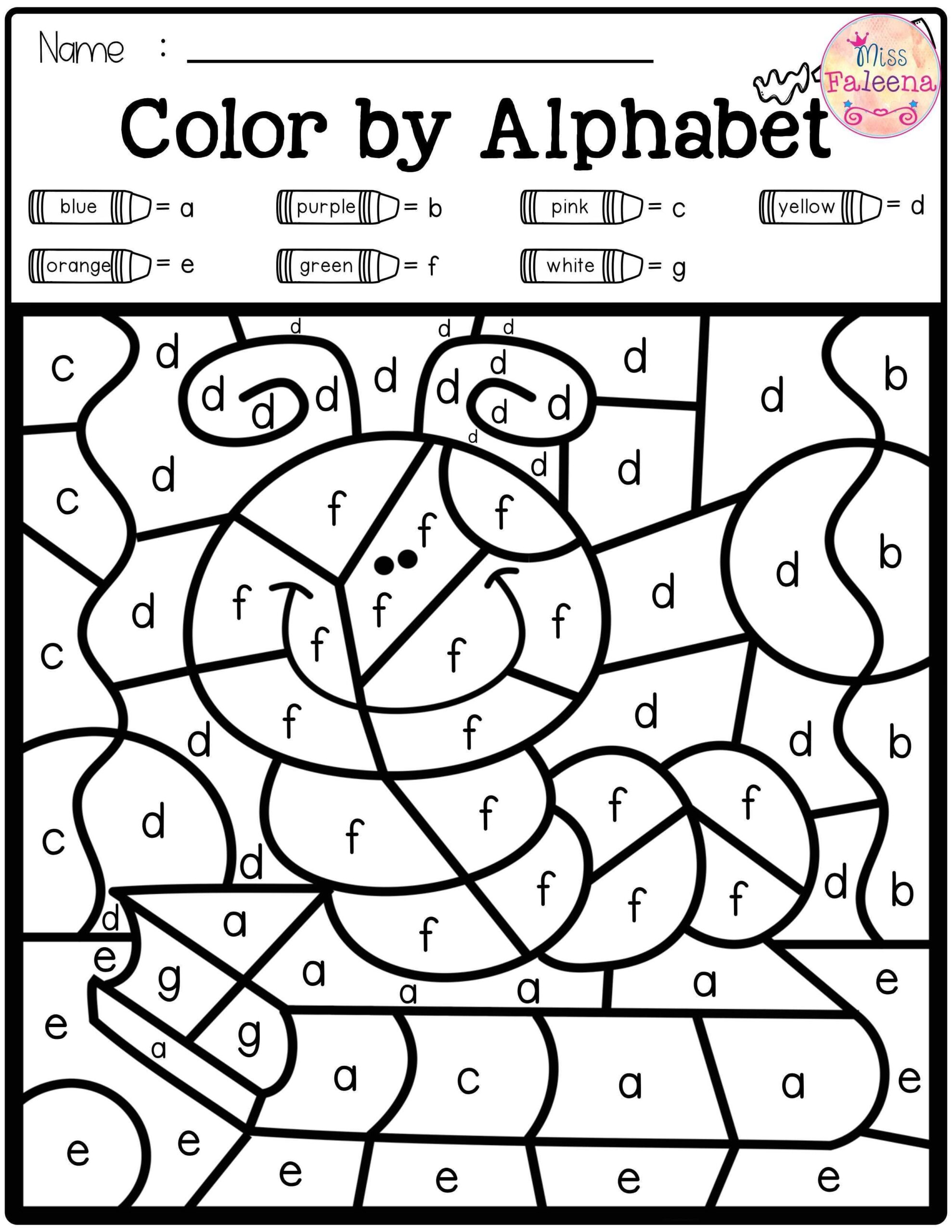
There are numerous online resources where you can find high-quality Alphabet Colouring Worksheets suitable for kindergarten. Websites that specialize in educational materials often provide free downloads or printable resources. Look for:
- PDF Formats: These are ideal as they preserve formatting and are easy to print.
- Variety of Designs: Choose worksheets with different themes or styles to keep the activities fresh and engaging.
- Age Appropriateness: Ensure the worksheets are designed specifically for kindergarten to match the developmental level of your students.
By integrating Alphabet Colouring Worksheets For Kindergarten into your teaching strategy, you can create a vibrant learning environment that both educates and entertains. These worksheets not only support fundamental literacy skills but also foster creativity and individuality in young learners. Choose the right resources, plan engaging activities, and watch your students thrive in their alphabet learning journey.