
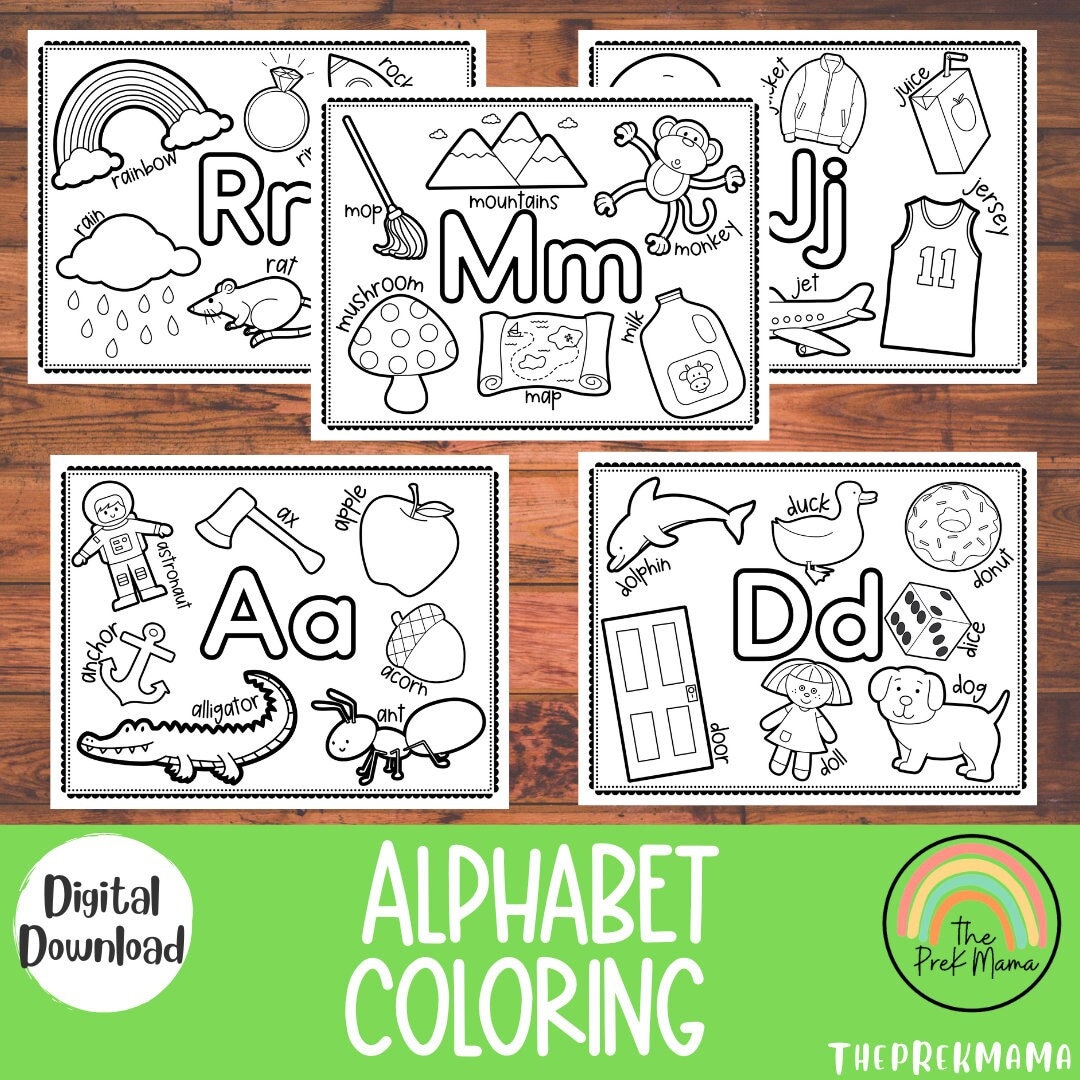
Engaging young learners can be a challenge, especially when introducing them to the alphabet. Alphabet Colouring Pages For Kindergarten provide an enjoyable way for children to familiarize themselves with letters while promoting creativity. These resources not only aid in letter recognition but also enhance fine motor skills as children color in the designs. Let’s explore how you can effectively use these colouring pages in your classroom or home setting.
Why Use Alphabet Colouring Pages?
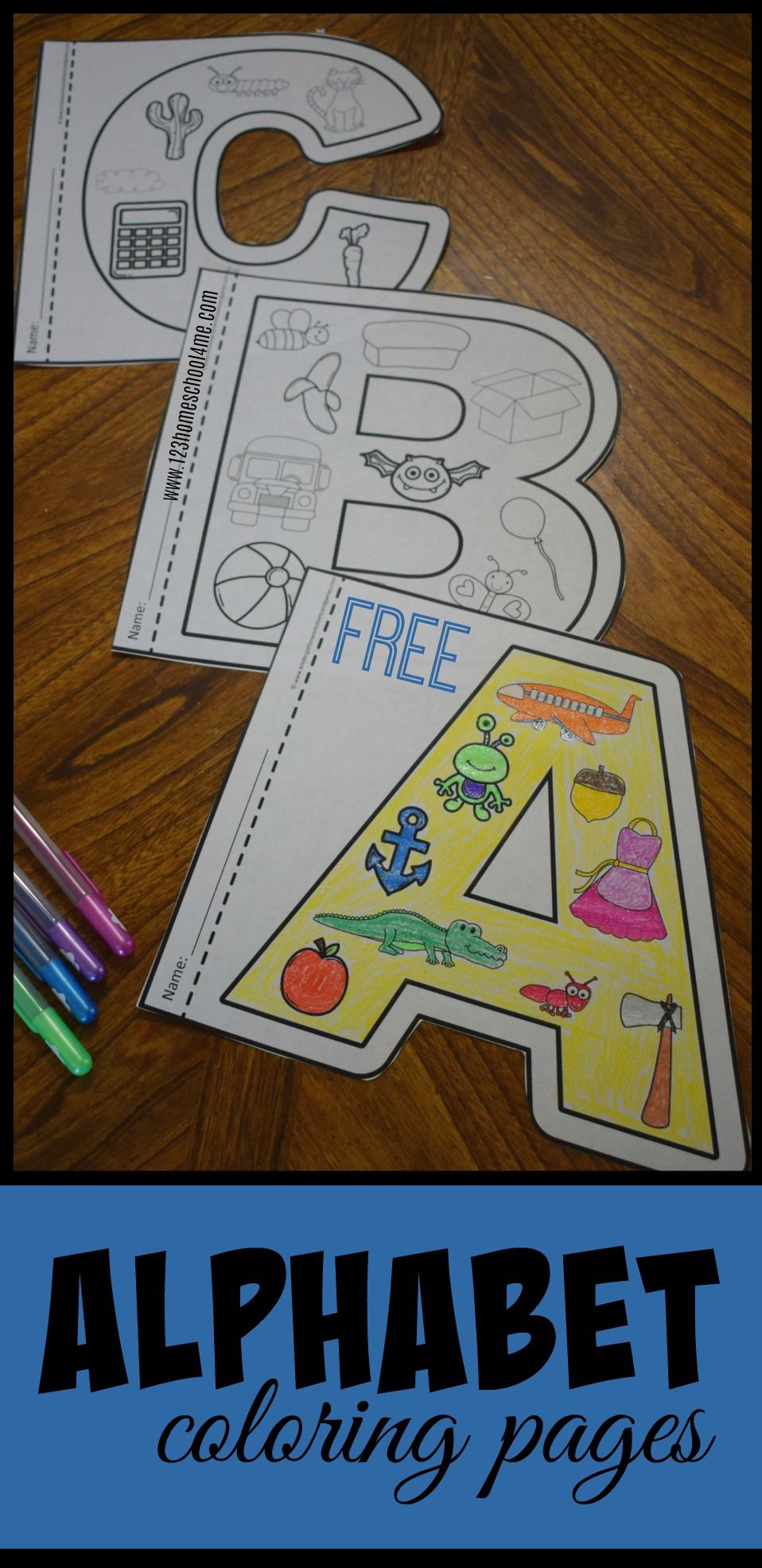
Alphabet colouring pages serve multiple educational purposes. They are designed to help children recognize letters and associate them with words and sounds. This dual approach—visual recognition through imagery and auditory learning via phonetics—can significantly aid in literacy development.
- Letter Recognition: Children learn to identify both uppercase and lowercase letters.
- Fine Motor Skills: Coloring helps develop hand-eye coordination and grip strength, essential for writing.
- Creativity: Kids can express themselves artistically while learning, making the process more enjoyable.
- Engagement: Fun designs keep children focused and motivated to learn.
Choosing the Right Colouring Pages
When selecting Alphabet Colouring Pages for your kindergarten classroom or home, consider the following:
- Age Appropriateness: Ensure the designs are suitable for kindergarteners. Look for simple shapes and large letters that are easy to color.
- Themes and Images: Choose pages with familiar themes like animals, toys, or nature to increase interest. Associating letters with images makes learning more relatable.
- Variety: Use a mix of colouring pages that focus on different letters and themes to keep children engaged.
Downloading and Printing
Once you’ve found the perfect Alphabet Colouring Pages For Kindergarten, follow these steps to ensure a smooth experience:
- Select Your Pages: Choose the colouring pages you want to download based on your students’ needs.
- Download: Click on the download button. Most resources are available in PDF format, which is ideal for printing.
- Print Settings:
- Paper Size: Use standard A4 or Letter size paper for easy printing.
- Quality: Set your printer to high quality to ensure the colors appear vibrant.
- Orientation: Landscape orientation often works better for wider designs.
- Paper Type: Consider using cardstock for durability, especially if the pages will be used multiple times or laminated for reuse.
Setting Up the Activity
Now that you have your Alphabet Colouring Pages ready, it’s time to set up the activity. Here’s how to create an inviting learning environment:
- Gather Supplies: Provide a variety of coloring materials, such as crayons, colored pencils, and markers. Ensure each child has access to these.
- Create a Comfortable Space: Arrange tables or desks to allow for easy movement and sharing of supplies. A well-lit area is essential.
- Introduce the Activity: Explain to the children what they will be doing. Show them examples of the pages and discuss the letters and images featured on each page.
Monitoring Progress
As children engage with the Alphabet Colouring Pages, it’s crucial to observe their progress. Here’s what to look for:
- Letter Recognition: Ask children to identify the letters they are coloring. This reinforces their learning and provides you with insight into their understanding.
- Fine Motor Skills: Notice how well they can stay within the lines. This skill improves with practice, so encourage them to keep trying.
- Creativity: Pay attention to their color choices and creativity. This can be a good indicator of their comfort level with the activity.
Tips for Enhancing the Learning Experience
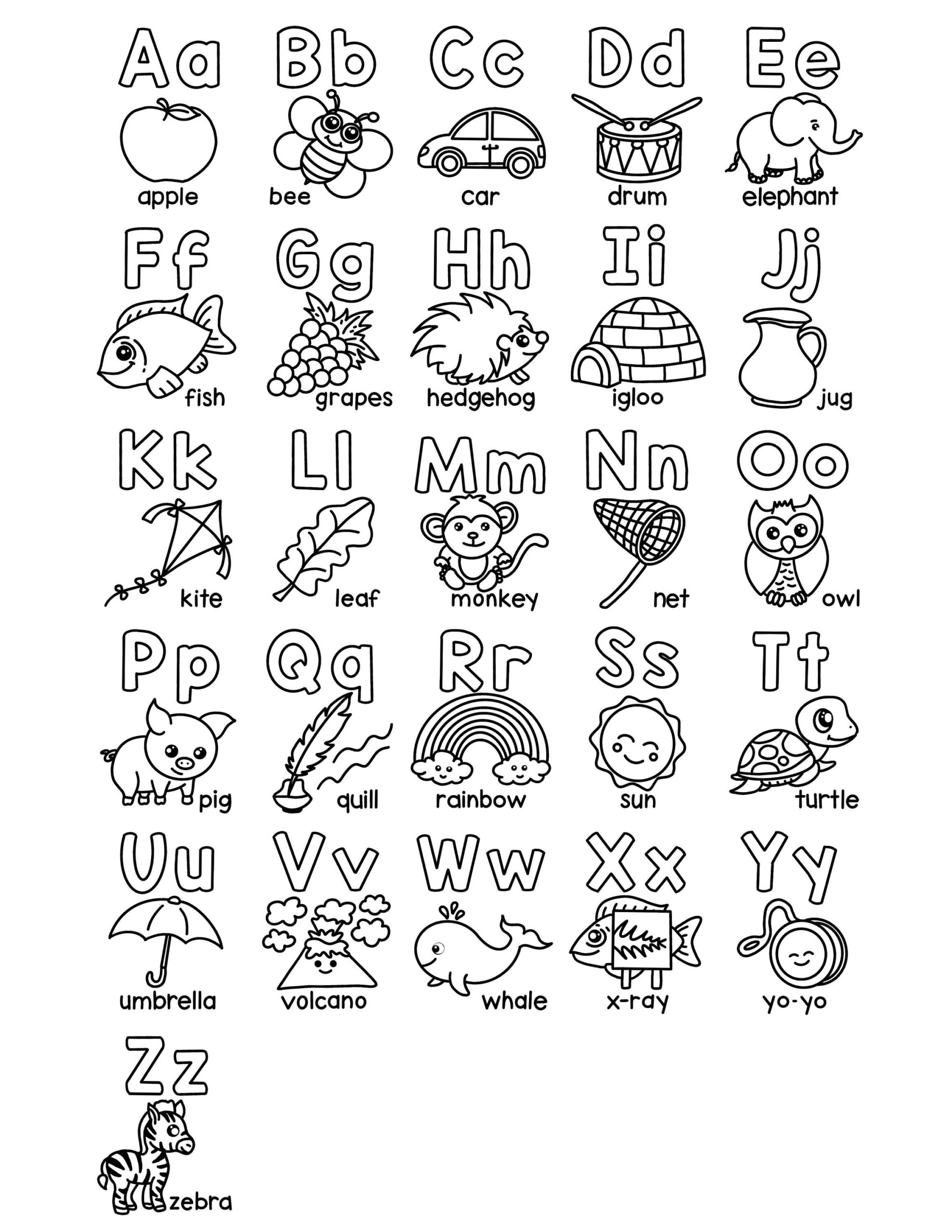
To maximize the educational value of Alphabet Colouring Pages For Kindergarten, consider these additional tips:
- Incorporate Songs and Rhymes: Pair the coloring activity with alphabet songs or rhymes. This auditory reinforcement helps solidify letter sounds and names in children’s minds.
- Use the Pages for Story Time: After coloring, read a story that incorporates the letters and words they just practiced. This helps contextualize their learning.
- Encourage Sharing: Have children share their finished pages with the class. This fosters a sense of community and allows them to express their thoughts about their artwork.