
When it comes to teaching young children, incorporating fun and engaging activities is essential. Alphabet coloring worksheets for preschoolers can serve as a fantastic tool for introducing letters while fostering creativity. These worksheets not only help kids recognize letters but also improve their fine motor skills as they color. In this article, we’ll explore various aspects of using these worksheets effectively in your classroom or at home.
Understanding the Importance of Alphabet Coloring Worksheets
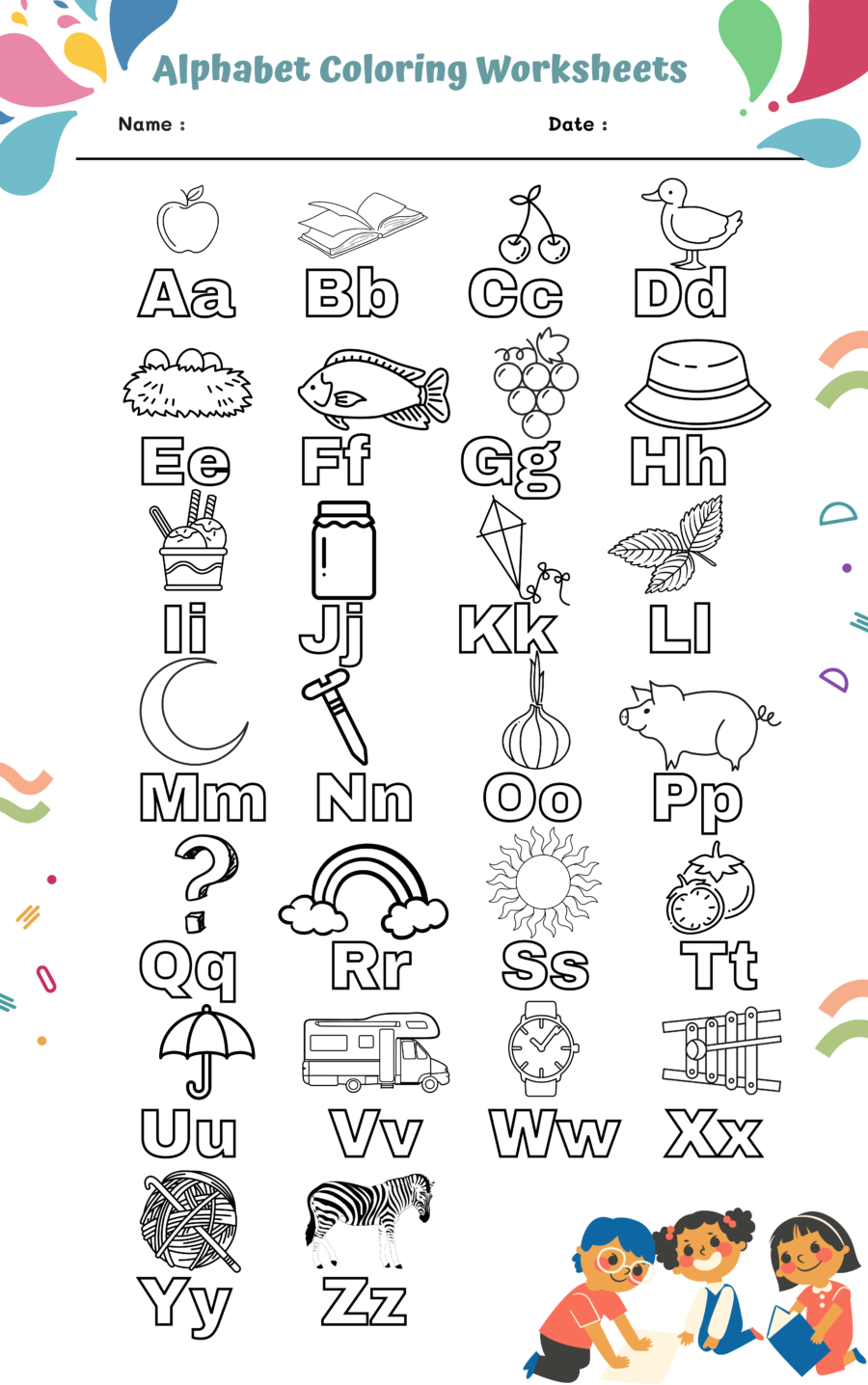
Alphabet coloring worksheets for preschoolers provide more than just a creative outlet. They help children learn letter recognition, phonetics, and basic vocabulary. As preschoolers engage in coloring, they are also developing concentration and hand-eye coordination. This activity can be particularly beneficial in preparing them for more advanced literacy skills later on.
Skill Development Through Coloring
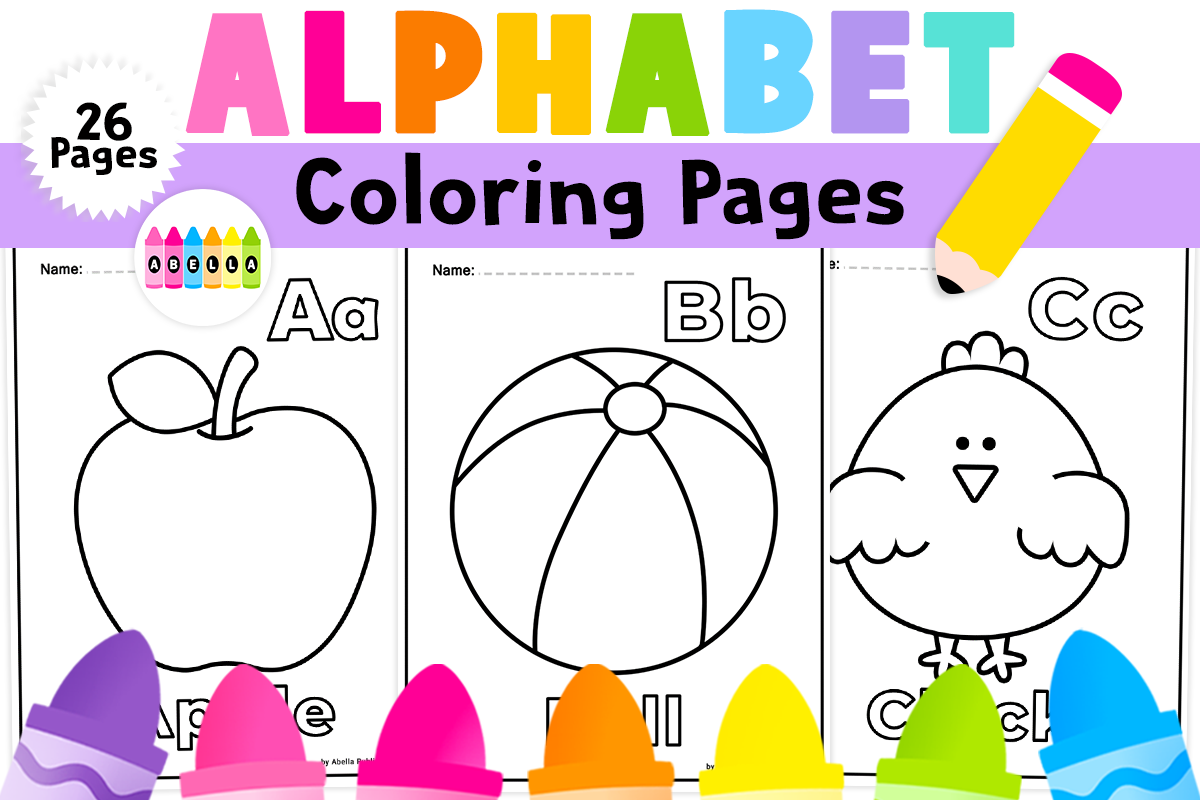
When children color, they use various muscles in their hands, which is crucial for developing fine motor skills. This skill is necessary for writing and other tasks they will encounter in school. Additionally, coloring worksheets can help with:
- Letter Recognition: Associating letters with images and colors reinforces memory.
- Vocabulary Building: Including words that start with each letter can enhance language skills.
- Creativity and Expression: Allowing children to choose colors promotes individual creativity.
Choosing the Right Alphabet Coloring Worksheets
Not all alphabet coloring worksheets are created equal. When selecting worksheets for your preschoolers, consider the following factors:
Age Appropriateness
Ensure that the worksheets are designed for preschoolers. Look for simple images and large letter formats that are easy for little hands to color. Worksheets that feature both uppercase and lowercase letters can also be beneficial.
Variety of Activities
Worksheets that include various activities, such as tracing letters or connecting dots to form letters, can enhance learning. Look for options that allow children to practice writing and coloring simultaneously.
Thematic Relevance
Themed worksheets can make learning more enjoyable. For example, worksheets featuring animals, toys, or seasonal themes can capture children’s interest and make the learning experience more relatable.
Printing and Preparing Worksheets
Once you’ve chosen your alphabet coloring worksheets for preschoolers, it’s time to prepare them for use. Here are some practical tips to ensure a smooth experience:
Printer Settings
- Paper Type: Use standard printer paper for everyday use, but consider cardstock if you want the worksheets to be more durable, especially if they will be used multiple times.
- Color Settings: Ensure your printer is set to color mode to capture all the details of the worksheets.
Bulk Printing for Classrooms
If you’re printing for a whole class, consider printing multiple copies at once. This saves time and ensures that every child has their own worksheet. Organize the worksheets by group or activity to simplify distribution.
Lamination for Longevity
If you plan to reuse the worksheets, laminating them can be a great option. This allows for dry-erase markers to be used, making it easy for kids to practice without wasting paper. Just be sure to include a note about using dry-erase markers to avoid confusion.
Using Worksheets in the Classroom or at Home
Incorporating these worksheets into your teaching routine can be straightforward and effective. Here are some suggestions on how to use them:
Group Activities
Consider using the worksheets as part of a group activity. Children can work together, sharing colors and ideas. This encourages social interaction and collaborative learning, which are essential at this age.
Individual Learning
For individual practice, you can assign worksheets as homework or during quiet time. This allows children to work at their own pace and revisit letters they may find challenging.
Integrating With Other Subjects
You can link the coloring worksheets to other subjects. For example, if you’re studying animals, use the letter ‘A’ worksheet alongside discussions about alligators or ants. This interdisciplinary approach can enhance learning retention.
Reviewing and Assessing Progress
After children complete their alphabet coloring worksheets, it’s essential to review their work. This can be done informally or formally, depending on your teaching style. Here are some ways to assess their progress:
Informal Assessment
As you walk around the classroom, take note of how children are coloring and identifying letters. Ask them to name the letters and words associated with their images. This can provide insight into their understanding.
Formal Assessment
For a more structured approach, consider keeping a portfolio of completed worksheets. This allows you to track progress over time and identify areas where individual children may need additional support.
Encouraging Creativity and Fun
Engaging preschoolers in learning through creativity can make a significant difference in their educational journey. Here are some tips for making the most of your alphabet coloring worksheets:
Use Various Coloring Tools
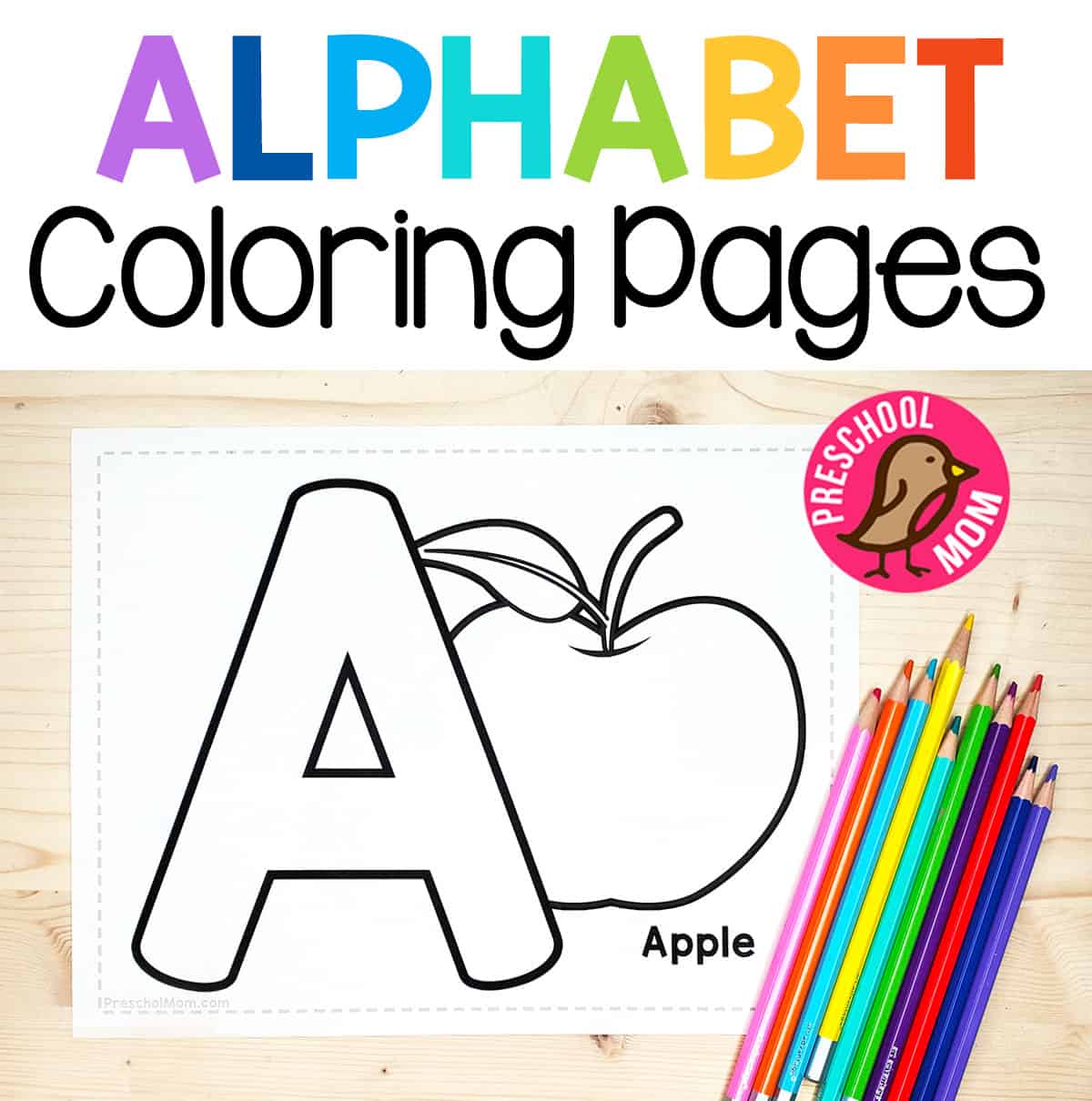
Encourage children to use crayons, colored pencils, and markers. This variety can keep them interested and allow them to express their creativity in different ways.
Create a Display
Consider creating a classroom display of finished worksheets. This not only celebrates their hard work but also reinforces their learning as they see their progress visually represented.
Make It Interactive
Turn coloring into an interactive experience. You can incorporate songs or rhymes about the letters as children color, creating a multisensory learning experience.
By integrating alphabet coloring worksheets for preschoolers into your teaching methods, you can create a vibrant learning environment that fosters growth and creativity. So, gather your resources, print those worksheets, and watch as your students engage with letters in a fun and meaningful way. Don’t forget to set aside time for a little creativity; after all, the goal is not just learning but making it enjoyable!