
In a cozy corner of a bright classroom, Mrs. Thompson is preparing for an afternoon of creativity and learning. She spreads out a collection of vibrant coloring sheets, each featuring a different letter of the alphabet. These Alphabet Coloring Sheets For Kids are not just a fun activity; they serve as a valuable tool for reinforcing letter recognition and fine motor skills. As her students gather around, eager to express their artistic flair, the scene captures the essence of learning through play.
The Importance of Alphabet Coloring Sheets
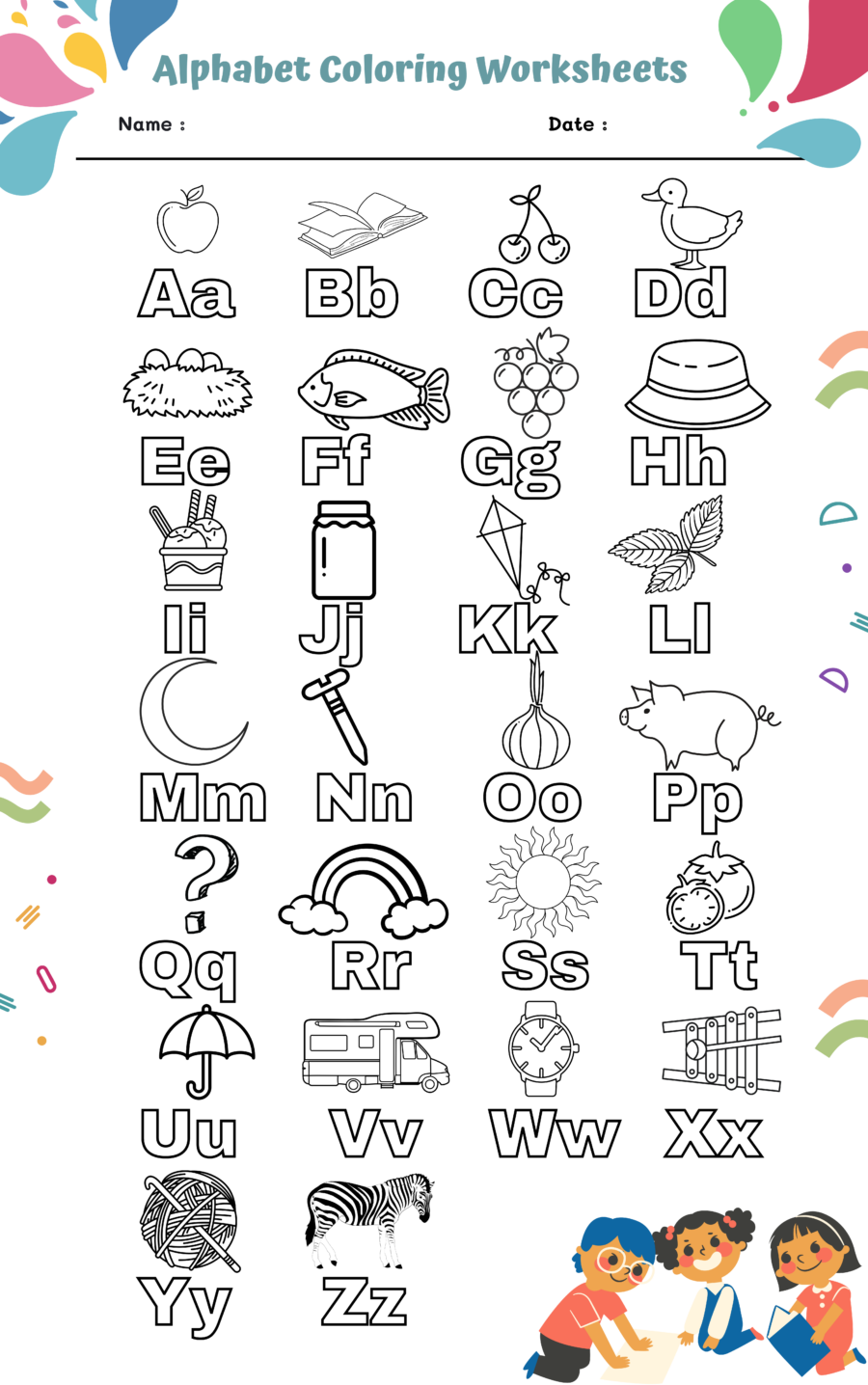
Alphabet coloring sheets are an excellent resource for early childhood education. Children aged 3 to 6 can greatly benefit from these activities, as they help solidify the connection between letters and sounds. When kids color images associated with letters, they engage multiple senses, which aids retention. For instance, coloring an apple for the letter “A” reinforces the sound and shape of the letter while allowing children to express their creativity.
Using these coloring sheets in a classroom or homeschool setting can also enhance focus and discipline. Children learn to sit still, pay attention to details, and follow instructions. Plus, the satisfaction of completing a coloring page boosts their confidence and encourages them to tackle more challenging tasks.
How to Incorporate Coloring Sheets Into Daily Lessons
Integrating Alphabet Coloring Sheets into your daily lesson plans can be straightforward and effective. Here’s a practical approach:
- Daily Letter Focus: Choose one letter to focus on each day. Start with a short introduction about the letter’s sound and examples of words that begin with it.
- Coloring Activity: After the introduction, distribute the corresponding coloring sheet. Allow children to color the sheet while discussing the letter and its sounds. This reinforces learning through repetition.
- Show and Tell: Once the sheets are colored, have a show-and-tell session. Each child can present their colored sheet and share a word that begins with that letter. This not only enhances their speaking skills but also reinforces the learning experience through peer interaction.
- Hang It Up: Create a display area in your classroom or home where these sheets can be showcased. This not only beautifies the space but also serves as a constant reminder of what they learned.
By spacing these activities throughout the week, students can practice letter recognition consistently, which is crucial for their literacy development.
Choosing the Right Materials for Coloring
When preparing to use Alphabet Coloring Sheets, consider the materials you’ll need. Here are some tips to ensure a smooth coloring experience:
- Paper Quality: Use thicker paper or cardstock for coloring sheets. This prevents tearing and allows for a better coloring experience, especially if kids are using markers.
- Coloring Tools: Crayons, colored pencils, and washable markers are all excellent choices. Crayons are great for younger children, while older kids might prefer colored pencils for more detailed work.
- Layout Matters: If you’re printing the sheets, portrait layout typically works better for most home printers. Ensure your printer settings are adjusted for quality printing to capture all the details in the coloring sheets.
- Accessibility: Make sure the coloring sheets are easily accessible. You can keep them in a binder or folder labeled with the letters of the alphabet. This way, kids can easily find and choose their next coloring sheet.
Variations to Enhance Learning
To keep the activities engaging, consider varying the coloring sheets and associated tasks. Here are some ideas:
Themed Coloring Sheets
Incorporate seasonal themes or holidays into your coloring sheets. For example, around Halloween, you could have a pumpkin for “P” or a ghost for “G”. This not only makes learning fun but also ties in with cultural events.
Interactive Elements
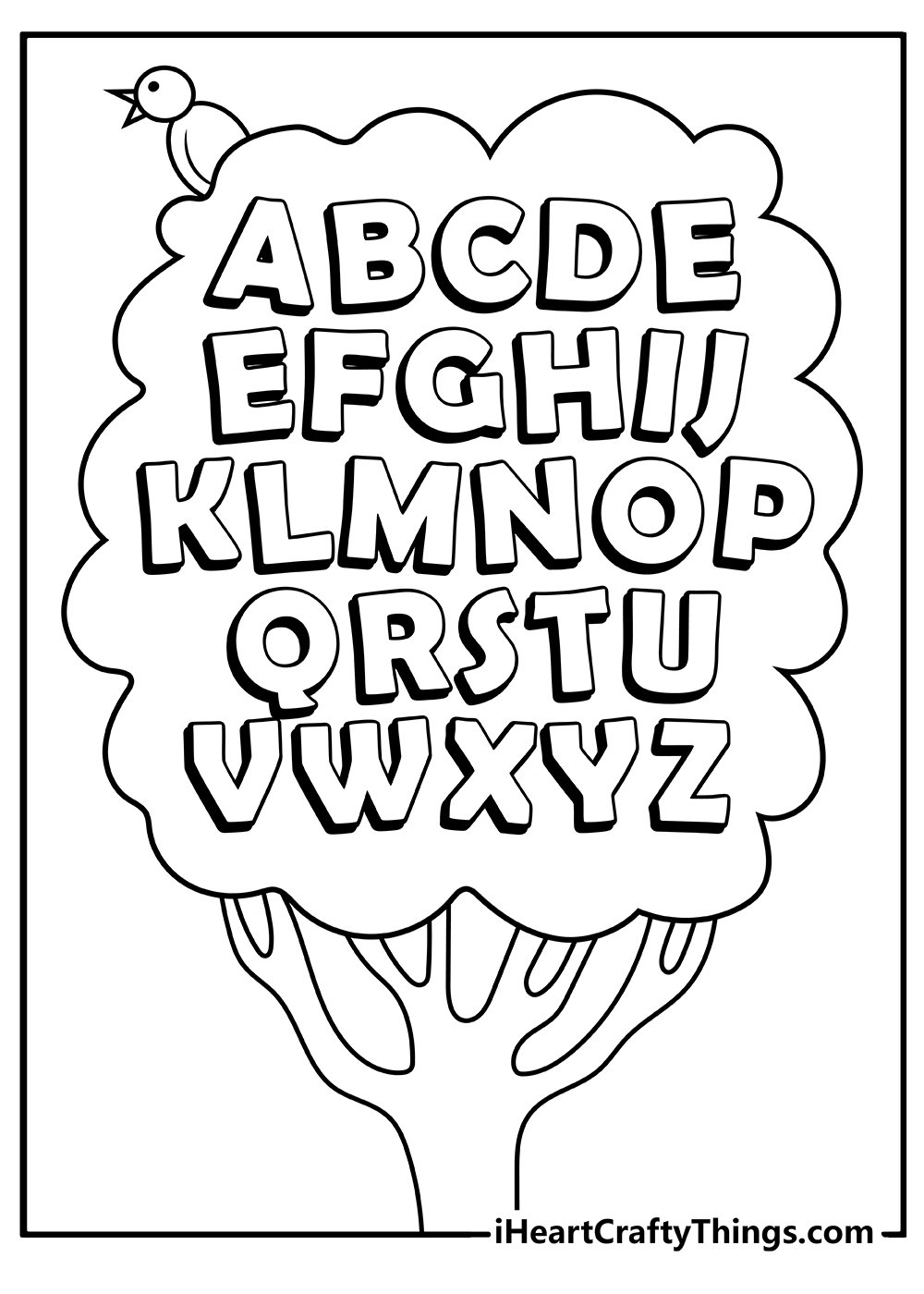
Add interactive elements to the coloring sheets. For instance, you could include dotted lines for children to trace the letters before coloring them. This practice reinforces letter formation and enhances fine motor skills.
Group Activities
Consider organizing group coloring sessions where kids can work together on larger sheets. This encourages teamwork and collaboration, as they can discuss colors and design choices.
Tracking Progress With Alphabet Coloring Sheets
Monitoring progress is essential in any educational setting. Here’s how you can effectively track advancements in letter recognition and coloring skills:
- Coloring Portfolio: Create a portfolio for each child where you can store their completed coloring sheets. Over time, you’ll see their progress in letter recognition and coloring skills.
- Assessment Checklists: Develop simple checklists that align with each letter. For example, after the “A” lesson, check if the child can recognize the letter, identify words that start with “A,” and successfully color the sheet.
- Feedback Sessions: Regularly discuss the children’s work with them. Offer positive feedback and gentle corrections where necessary. This not only boosts their confidence but also reinforces learning.
By implementing these tracking methods, you’ll have a clearer picture of each child’s development and be able to tailor your teaching strategies accordingly.
Where to Find Printable Alphabet Coloring Sheets
There are numerous online resources where you can find high-quality, printable alphabet coloring sheets. Websites dedicated to educational resources often provide a variety of designs, ensuring you can find something suitable for your classroom or home. Look for sites that offer free downloads, as these can be a great cost-effective solution.
When searching for sheets, consider the following:
- Variety: Look for sites that offer a wide range of themes and designs. This can keep children engaged and excited about learning.
- Ease of Use: Ensure that the sheets are easy to download and print. A PDF format often works best, as it maintains the quality and layout across different devices.
- User Reviews: Check for reviews or recommendations from other teachers or parents. This can help you find the most effective and engaging resources available.
By utilizing these tips, you can easily gather a collection of Alphabet Coloring Sheets For Kids that will enhance your educational activities.
Incorporate these coloring sheets into your teaching strategy today. Not only will they make learning fun, but they will also create lasting memories for the children as they explore the world of letters through art. A simple way to start is to print out a few sheets and introduce them during your next lesson, fostering both creativity and literacy skills in an enjoyable way.