
Alphabet coloring pages are an excellent resource for preschool-aged children, helping them to learn the alphabet in a fun and engaging way. These pages not only provide an artistic outlet but also reinforce letter recognition and phonetic sounds. Using Alphabet Coloring Pages For Preschool can be a great addition to any learning environment, whether at home or in a homeschool setting.
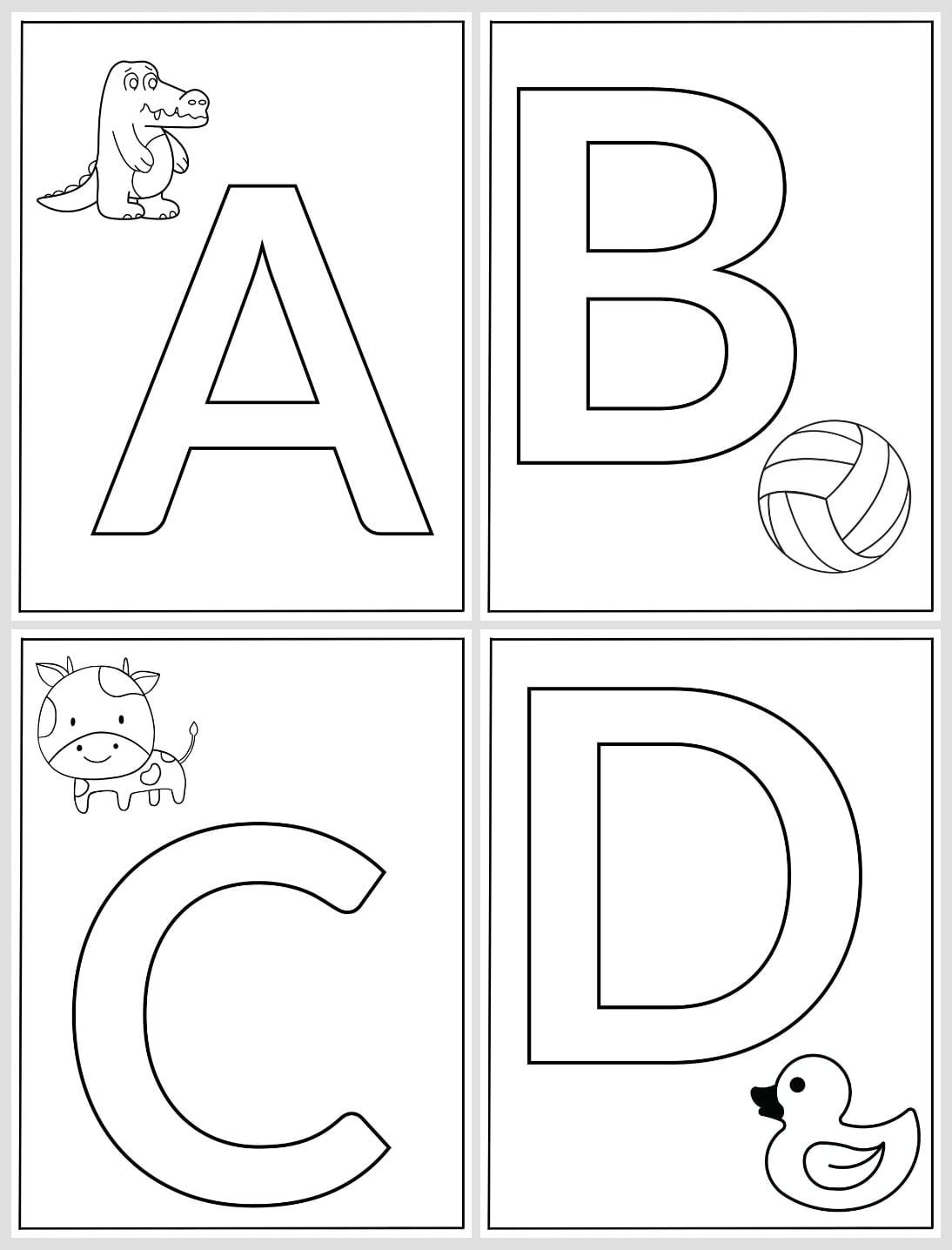
Benefits of Alphabet Coloring Pages
Using alphabet coloring pages offers numerous advantages for young learners. Here are some key benefits:
- Encourages Creativity: Coloring allows children to express themselves artistically. They can choose colors and styles, fostering creativity and imagination.
- Improves Fine Motor Skills: As children color, they develop their hand-eye coordination and fine motor skills, which are essential for writing later on.
- Reinforces Learning: Associating letters with images and colors helps children remember the alphabet better. This multi-sensory approach caters to different learning styles.
- Promotes Relaxation and Focus: Coloring can be a calming activity that helps children focus. It provides a break from more structured educational activities, allowing for a more relaxed learning environment.
Choosing the Right Alphabet Coloring Pages
When selecting alphabet coloring pages, consider the following factors to ensure they meet your educational goals:
Age Appropriateness
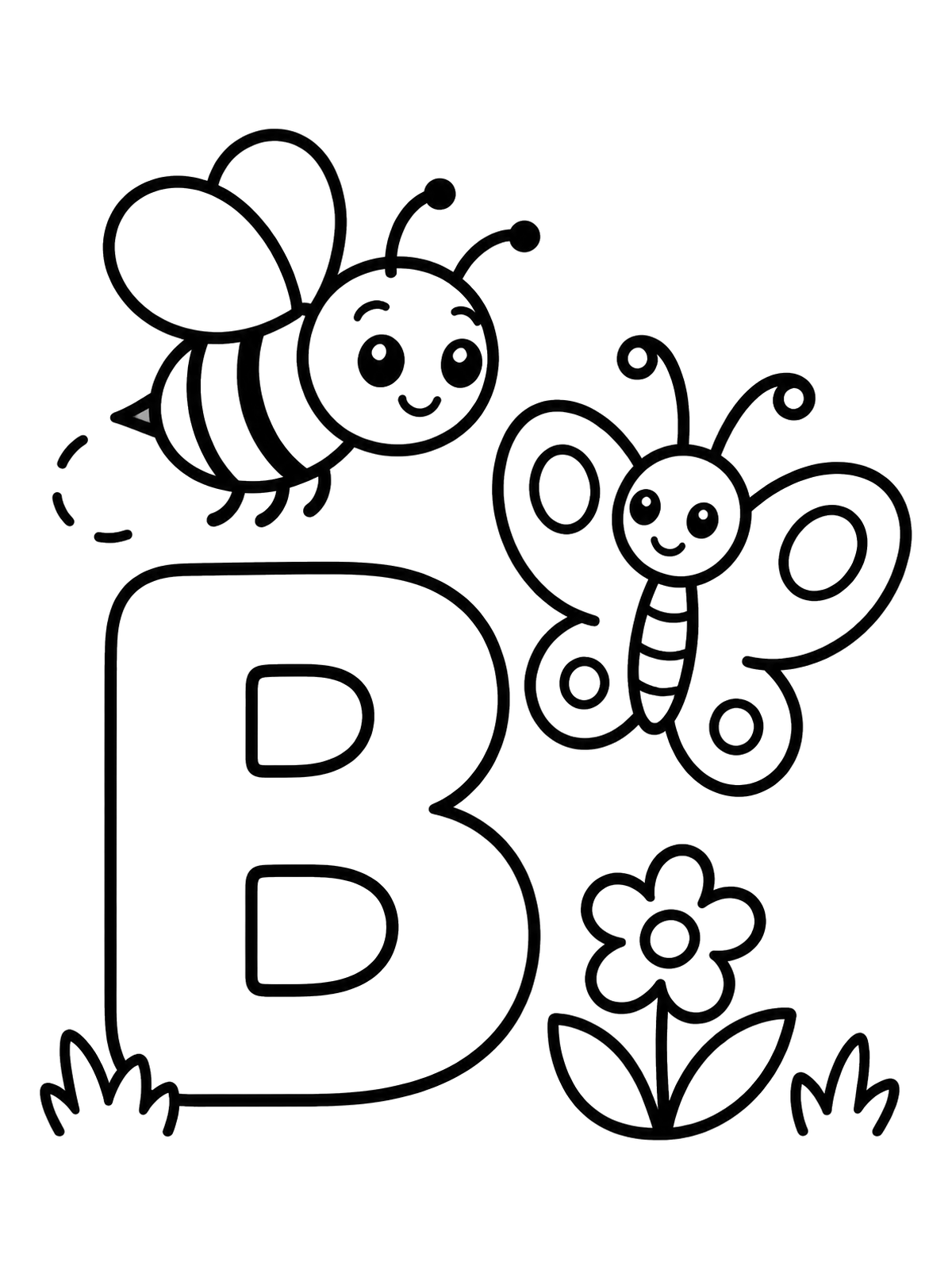
Most alphabet coloring pages are suitable for preschoolers aged 3 to 5 years. Look for designs that are simple and not overly detailed, as younger children may become frustrated with intricate images. Pages that include large letters with corresponding images (like an apple for “A”) are particularly effective.
Design and Complexity
Some children prefer more whimsical designs, while others may enjoy straightforward letters. Ensure you have a variety of styles to engage different interests. A mix of uppercase and lowercase letters can also be beneficial, as it helps children recognize both forms.
Download and Print Quality
Opt for printable resources that are available in high-resolution formats, ideally PDF. This ensures that the coloring pages maintain clarity when printed. Look for pages that are designed to fit standard paper sizes, such as 8.5 x 11 inches, which is compatible with most home printers.
Thematic Elements
Incorporating themes can make the coloring experience even more enjoyable. For instance, seasonal themes, holidays, or favorite characters can motivate children to engage more with the material. This thematic approach can also help connect the learning activity with other subjects, such as science or art.
How to Integrate Coloring Pages Into Daily Learning
Integrating alphabet coloring pages into a daily routine can enhance learning without requiring a formal lesson plan. Here are some practical tips:
Daily Coloring Time
Set aside a specific time each day for coloring. This can be a quiet time after lunch or a fun activity before dinner. Creating a routine helps build anticipation and establishes a habit.
Combine With Story Time
After completing a coloring page, read a story that features the letters or words related to the images. This reinforces the connection between the letter, its sound, and its use in language.
Use as a Reward
Coloring pages can serve as a reward for completing other educational tasks. For example, after a reading session, children can enjoy some time coloring letters or related images.
Encourage Sharing
Children can share their completed pages with family or friends, promoting a sense of achievement. This sharing can also lead to discussions about letters and sounds, reinforcing learning through conversation.
Tips for Printing and Using Alphabet Coloring Pages
Getting the most out of your alphabet coloring pages involves some practical considerations when printing and preparing the materials:
Paper Type
Using heavier paper, such as cardstock, can make a significant difference. Cardstock holds up better to coloring, especially with markers, and is less likely to tear. If you plan to laminate the pages for durability, cardstock is the best choice.
Printer Settings
Adjusting your printer settings can improve print quality. Choosing a portrait layout generally works best for coloring pages. Additionally, select a quality setting that balances speed and clarity, ensuring the letters are sharp and clear.
Color Options
Provide a variety of coloring tools—crayons, colored pencils, and markers—to give children options. Each tool offers a different experience; for example, markers might be used for bold colors, while colored pencils allow for more detail.
Storage Solutions
After coloring, consider how to store the completed pages. A binder or a folder can help keep the pages organized and protected. This also allows for easy revisiting of the work, which can reinforce learning over time.
Where to Find Alphabet Coloring Pages
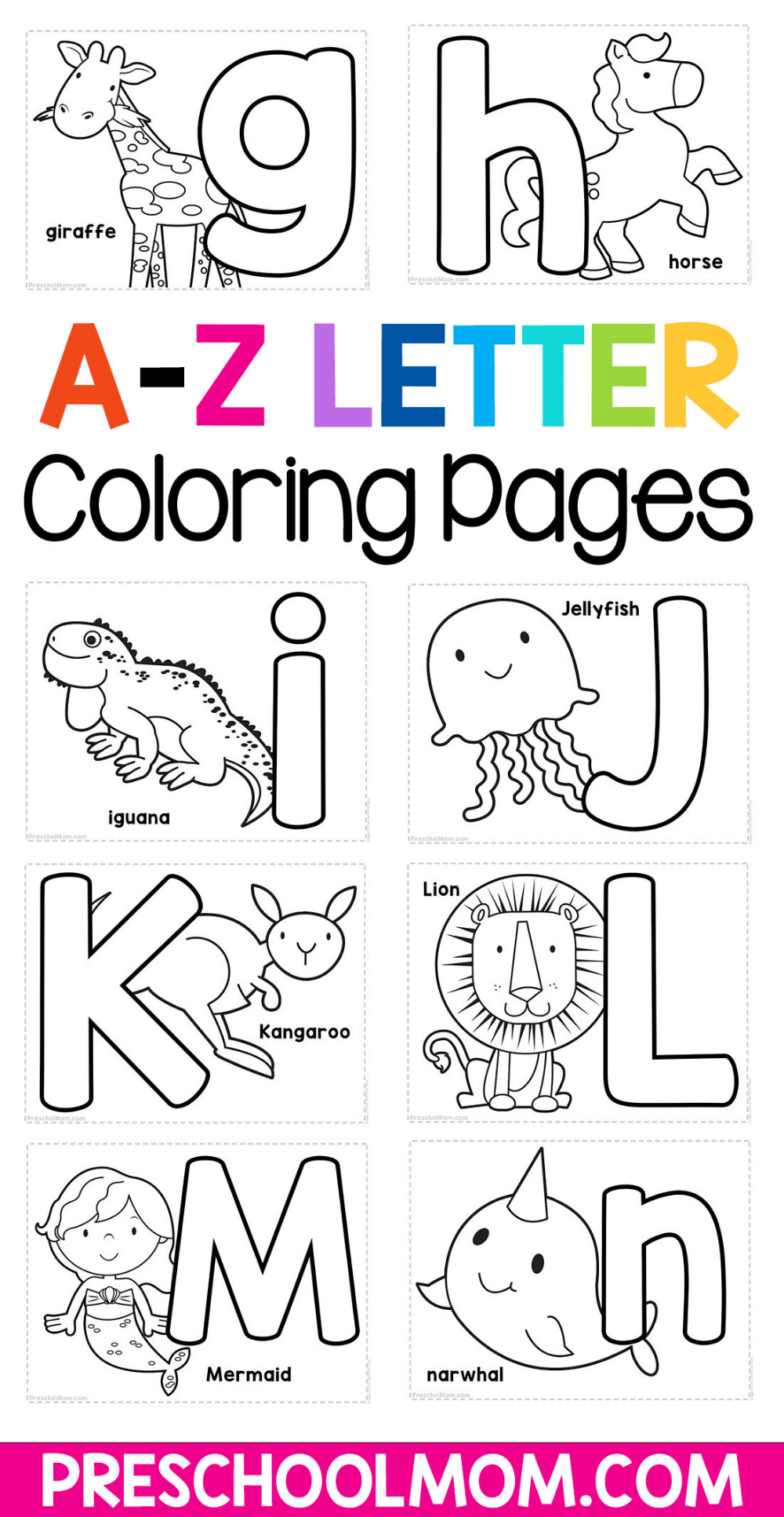
There are numerous resources available for downloading alphabet coloring pages. Here are some suggestions:
- Educational Websites: Many educational platforms offer free printable coloring pages tailored to preschool learning. These often include additional resources like worksheets and activities.
- Arts and Crafts Sites: Websites focused on arts and crafts frequently have themed coloring pages. Look for sites that allow for easy downloading and printing.
- Social Media and Community Groups: Online communities, especially on platforms like Pinterest or Facebook, often share free resources. Joining such groups can provide access to a wealth of creative ideas and materials.
By using Alphabet Coloring Pages For Preschool, educators and parents can create a dynamic and interactive learning environment that fosters early literacy skills and creativity. These pages are not just about coloring; they offer a gateway to exploration, learning, and fun.