
Alphabet coloring pages are a fantastic way for children to practice letter recognition while also expressing their creativity. The Alphabet Coloring Pages Capitol And Lowercase provide an engaging format that helps children learn the difference between uppercase and lowercase letters in a fun and interactive way. These coloring pages not only serve as a valuable educational tool but also encourage artistic expression, making them perfect for both home and homeschool settings.
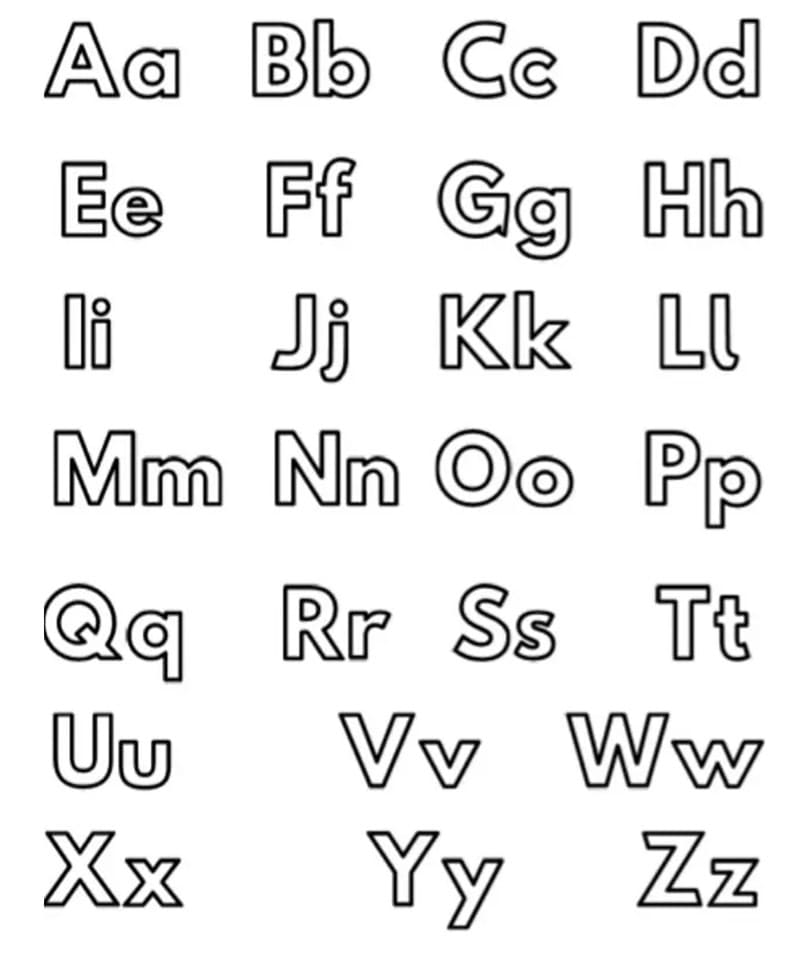
Understanding the Layout of Alphabet Coloring Pages
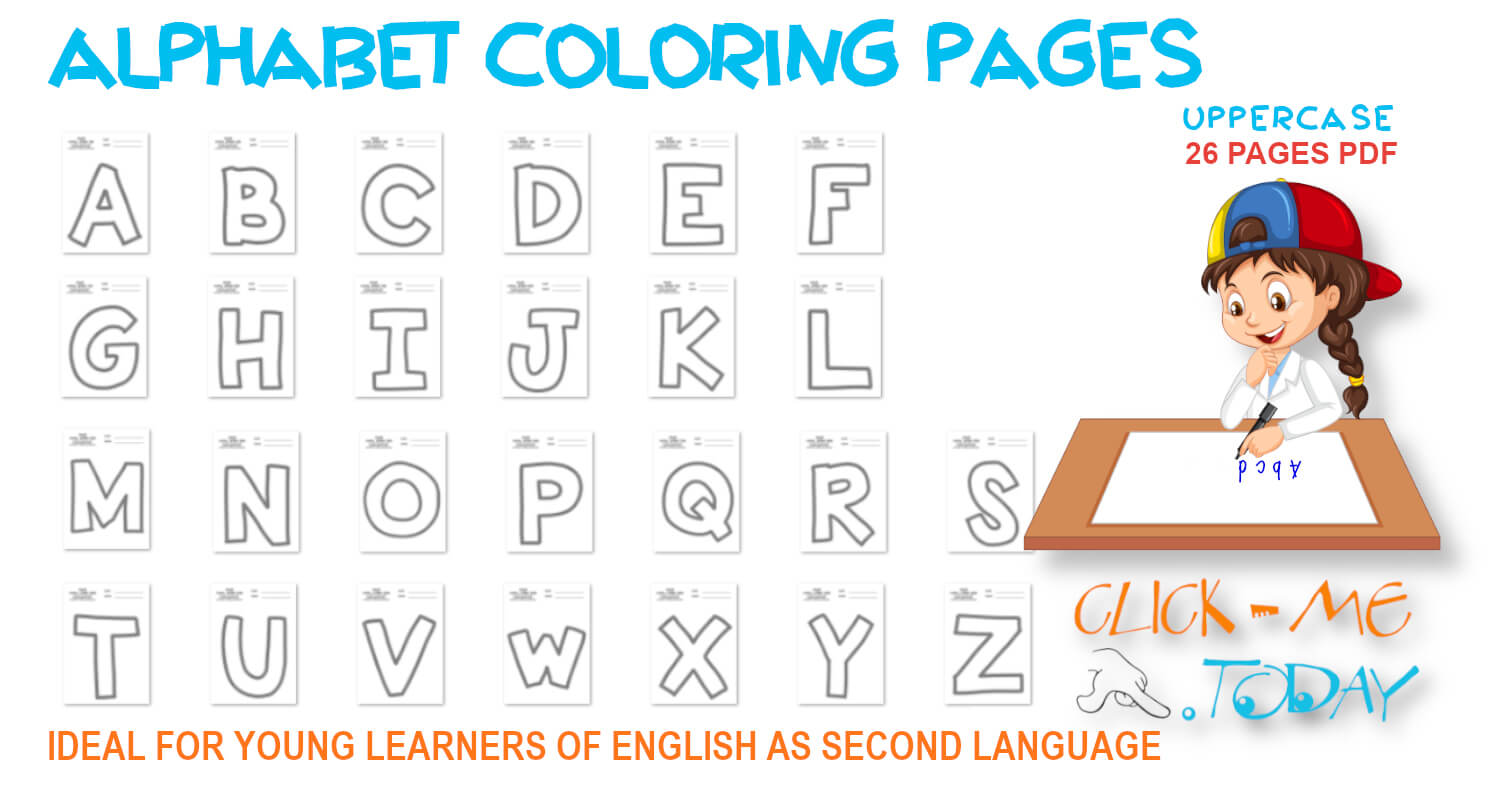
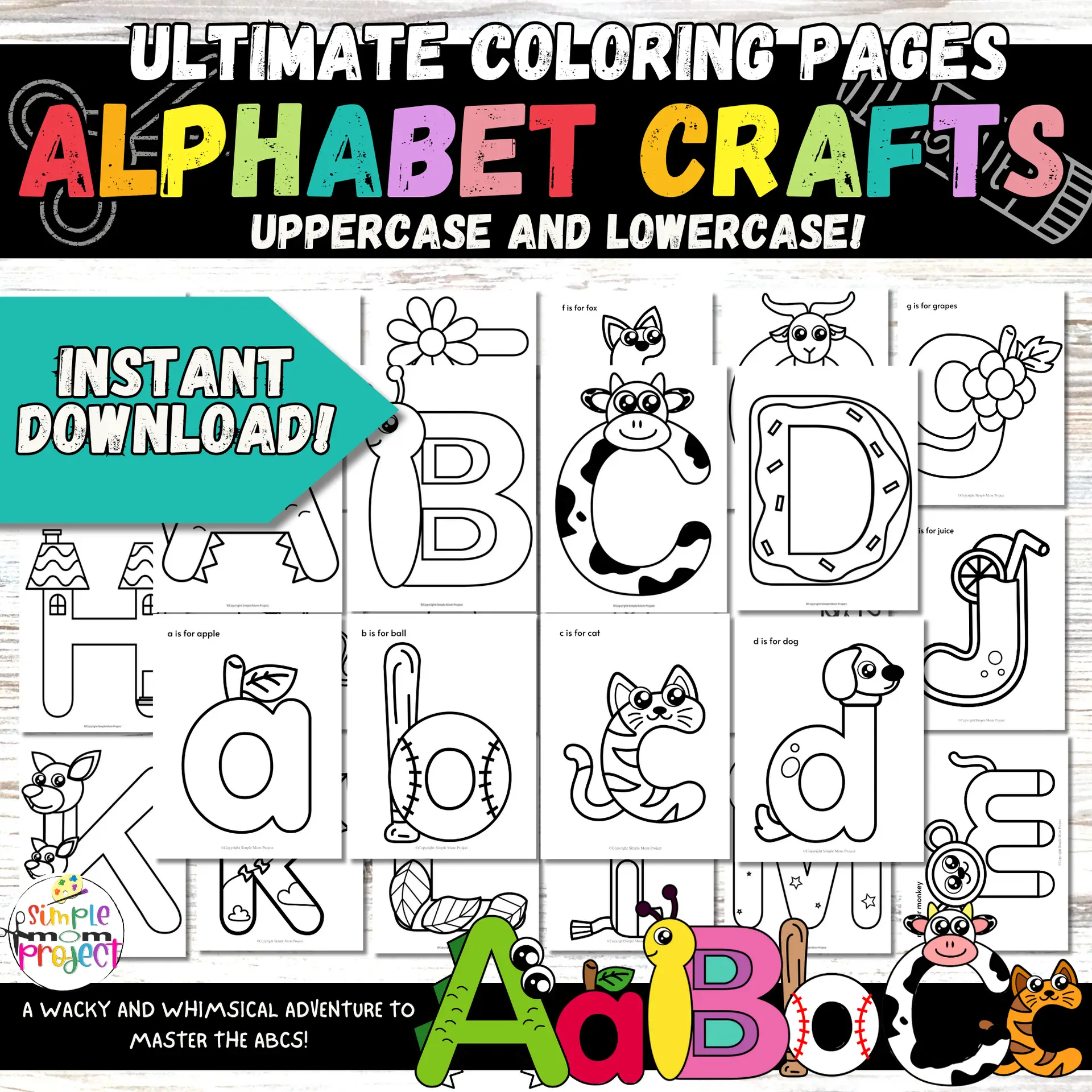
When you download Alphabet Coloring Pages Capitol And Lowercase, you’ll typically find a mix of uppercase and lowercase letters, each accompanied by fun illustrations that relate to each letter. This layout is designed to reinforce the connection between letters and words.
Each page usually features:
- A large, clear letter for coloring.
- An associated image that starts with that letter, like an apple for “A” or a ball for “B.”
- Ample space for kids to color both the letter and the picture, promoting fine motor skills and creativity.
This dual focus on letters and imagery makes learning more engaging. You can print these pages on standard A4 or letter-size paper, ensuring they fit easily into most printers.
Choosing the Right Paper and Printing Settings
To make the most out of your Alphabet Coloring Pages Capitol And Lowercase, consider the type of paper you use. Here are a few tips:
- Paper Type: Standard printer paper works, but if you want the colors to pop and withstand some wear and tear, opt for cardstock. This thicker paper is more durable and can handle crayons, markers, and even watercolors.
- Print Settings: Use a quality print setting on your printer to ensure that the colors are vibrant. Portrait layout is generally more fitting for coloring pages, allowing children to have ample space to color without cropping any details.
- Color vs. Black and White: While color pages can be exciting, black and white pages allow children to add their own flair. You can easily find both versions online, depending on what you think will engage your child more.
Activities and Ideas for Using Alphabet Coloring Pages
Once you have your Alphabet Coloring Pages Capitol And Lowercase printed, here are some engaging activities to consider:
- Letter Recognition Games: Ask your child to identify each letter before coloring. This can help reinforce their knowledge of the alphabet.
- Story Time Integration: After coloring, encourage your child to think of a short story related to the images they’ve colored. For example, after coloring the letter “C” for “cat,” they could tell a story about a day in the life of a cat.
- Art and Craft Projects: Use the colored pages to create a scrapbook or collage. This can be a fun way to combine learning with a creative project that they can share with family and friends.
Benefits of Using Alphabet Coloring Pages
Incorporating Alphabet Coloring Pages Capitol And Lowercase into your child’s learning routine offers several benefits:
- Enhanced Fine Motor Skills: Coloring requires control and precision, which helps develop the fine motor skills necessary for writing.
- Creative Expression: These pages allow children to express their creativity while learning the alphabet, making the process enjoyable and less stressful.
- Visual Learning: Associating letters with images aids memory retention, helping children remember the alphabet more effectively.
- Fun Learning Environment: By making learning fun, children are more likely to engage with the material and retain what they learn.
Adapting Alphabet Coloring Pages for Different Age Groups
While Alphabet Coloring Pages Capitol And Lowercase are generally suitable for preschoolers and kindergarteners, you can adapt them for older children too. Here’s how:
- For Younger Kids: Focus on simple images and larger letters. Encourage them to color within the lines to boost their confidence.
- For Older Kids: Challenge them by integrating more complex illustrations or asking them to write words that start with each letter. You might also incorporate a short quiz on letter sounds after they complete each page.
This adaptability makes alphabet coloring pages a versatile resource for various educational settings.