
Incorporating coloring activities into your lessons can be a fantastic way to engage three-year-olds in the learning process. The Alphabet Coloring 3 Year Old Room is not just a fun resource; it’s an effective teaching tool that helps children recognize letters, develop fine motor skills, and express their creativity. Let’s explore how to make the most of this resource in your classroom or home setting.
Understanding the Importance of Alphabet Coloring
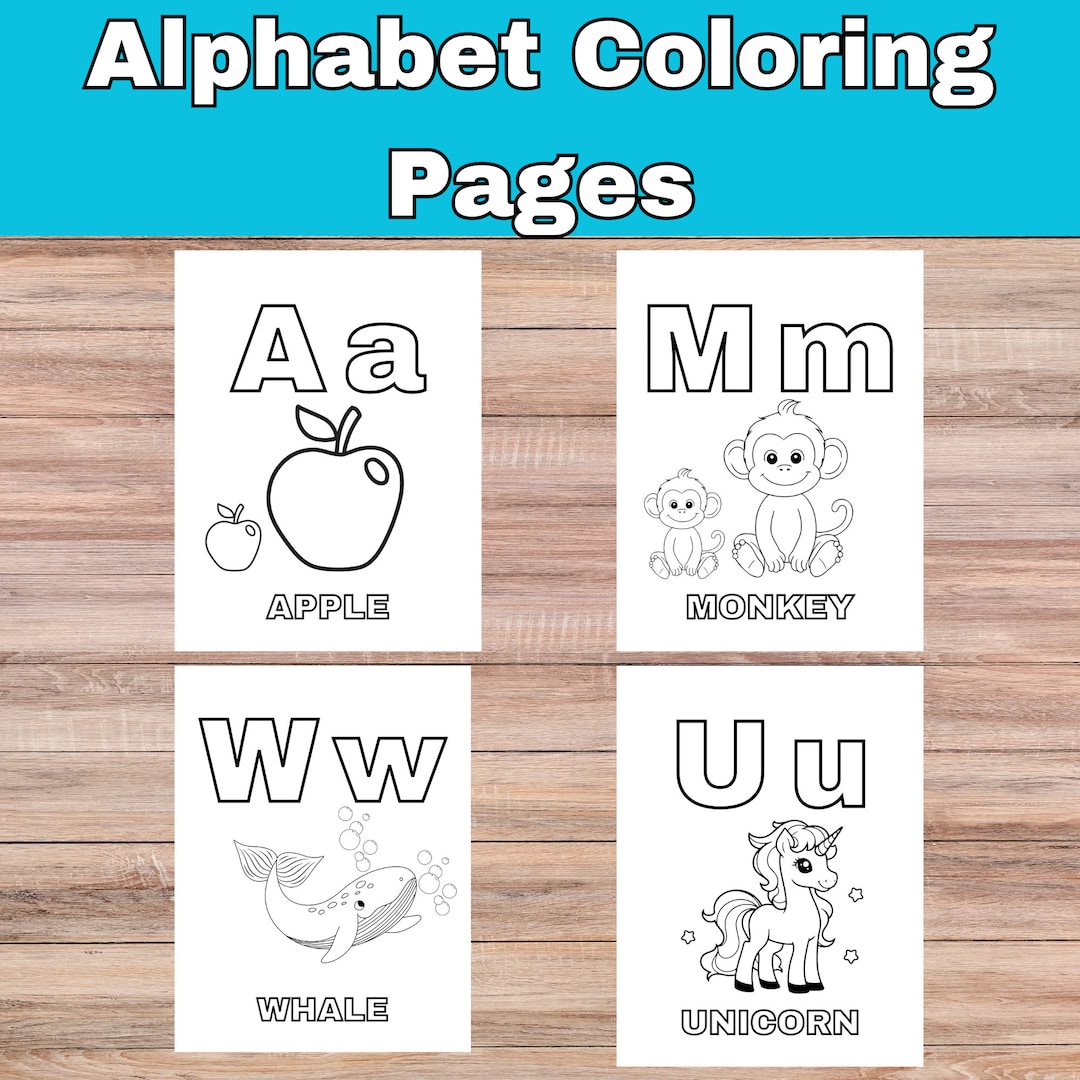
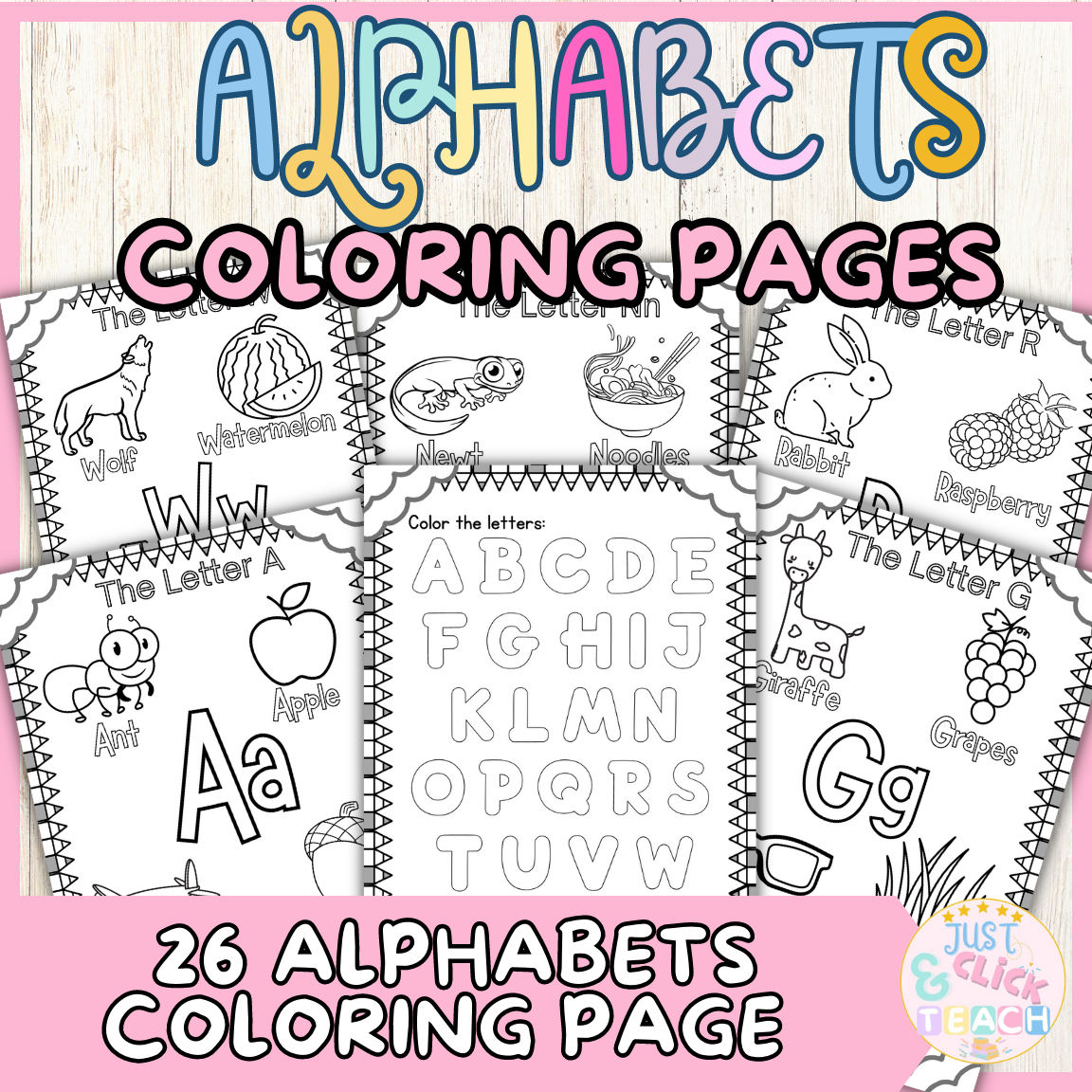
Coloring pages focused on the alphabet not only entertain young learners but also serve crucial educational purposes. For three-year-olds, the skill of letter recognition is foundational for future literacy. Engaging them in coloring activities can help reinforce their understanding of each letter while allowing them to associate letters with words and images.
Consider the psychological aspect of coloring as well. It promotes relaxation and can help reduce anxiety, making it a great activity for transitioning into more structured learning. Plus, the vibrant colors they choose can enhance their enthusiasm for learning.
Setting Up Your Alphabet Coloring Area
Creating an inviting space for coloring is essential. Aim for a dedicated area in your classroom or home where children can freely express their creativity. Here are some practical tips for setting up your Alphabet Coloring 3 Year Old Room:
- Use a large table: A spacious table allows multiple children to work simultaneously, encouraging social interaction.
- Organize supplies: Provide a variety of crayons, colored pencils, and markers. Consider using caddies or bins to keep supplies organized and accessible.
- Print in bulk: If you have a classroom of little learners, print multiple copies of the coloring sheets to avoid conflicts. Portrait layout tends to work better for most home printers.
- Include a display area: Create a bulletin board or wall space where completed coloring pages can be displayed. This not only boosts the children’s confidence but also makes the space feel more personalized.
Integrating Alphabet Coloring Into Daily Lessons
The key to effectively utilizing Alphabet Coloring pages is to integrate them into your daily lessons. Here are a few strategies:
- Letter of the Day: Choose a letter each day and provide corresponding coloring pages. Discuss the letter’s sound and show related images (e.g., A for apple, B for ball). This repetition helps reinforce learning.
- Thematic Units: Align coloring activities with thematic units. For example, during a unit on animals, you could provide coloring pages of animals that start with different letters.
- Group Activities: Organize group coloring sessions where children can work on the same page. This encourages teamwork and collaboration, fostering a sense of community.
Engaging Families With Alphabet Coloring
Involving families in the learning process can enhance a child’s educational experience. Here are ways to engage parents with the Alphabet Coloring 3 Year Old Room:
- Send pages home: Provide parents with printable coloring sheets to reinforce learning at home. Encourage them to ask their children about the letters they are coloring.
- Family Color Days: Organize events where families can come together to color. This not only builds community but allows parents to witness their child’s progress.
- Feedback loops: Create simple feedback forms for parents to share how their children are responding to the coloring activities. This information can guide future lesson planning.
Evaluating Progress and Skill Development
While coloring may seem like a leisure activity, it’s essential to evaluate the skills that children are developing. Here are a few methods for assessing progress in the Alphabet Coloring 3 Year Old Room:
- Observation: Watch how children interact with the coloring pages. Are they staying within the lines? Can they recognize the letters as they color? Taking notes during these sessions can provide insight into their development.
- Verbal assessments: After a coloring session, ask children to identify the letters they colored. This can be a fun, informal way to gauge their understanding without the pressure of a test.
- Portfolio creation: Keep a portfolio of each child’s work. Over time, this will show their progress and can be shared with parents during conferences.
Choosing the Right Resources for Coloring
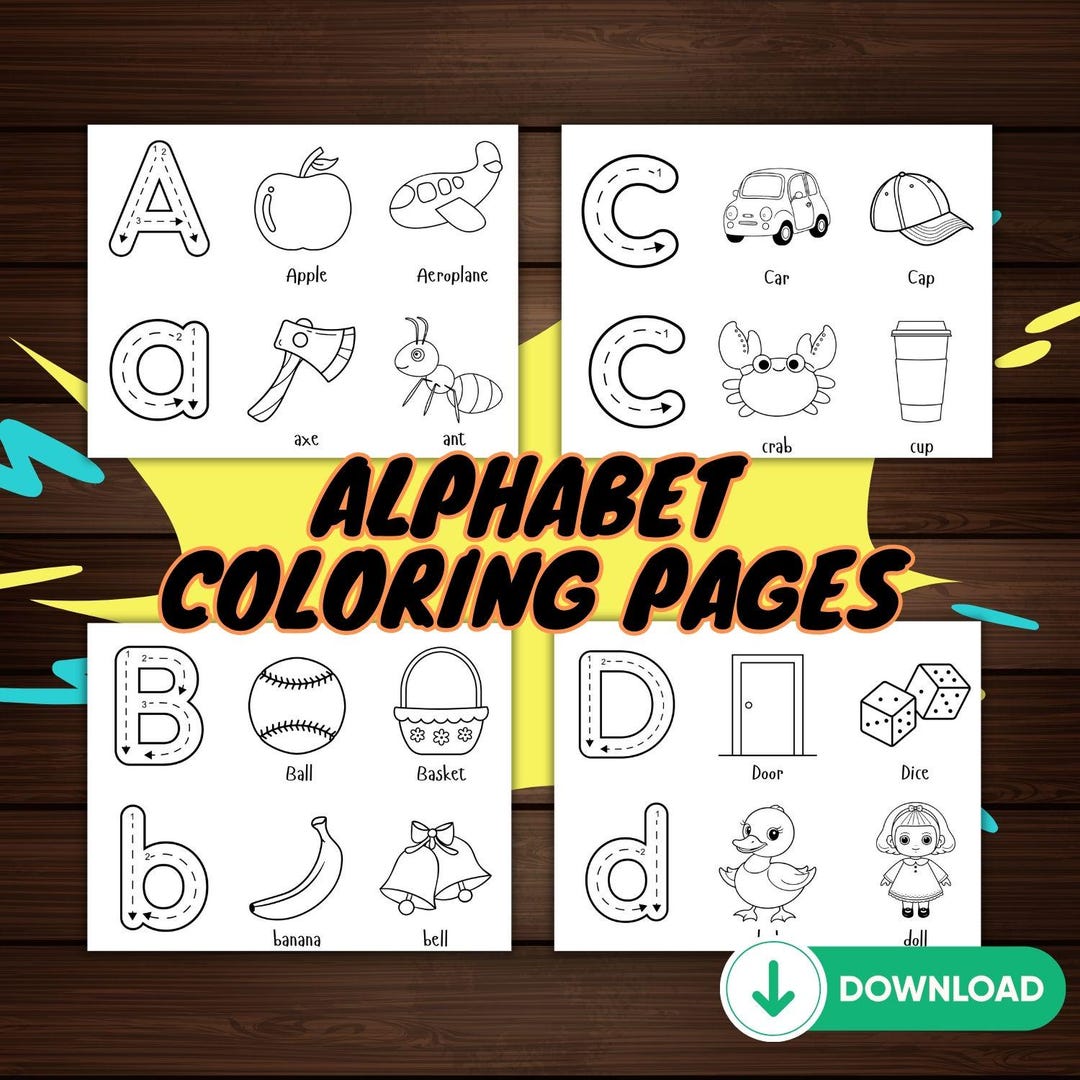
When selecting coloring pages, ensure they are age-appropriate and engaging. Look for:
- Clear images: The illustrations should be simple enough for young children to color without frustration. Complex designs can be overwhelming.
- Diverse themes: Incorporate a variety of themes to keep children interested. Animals, objects, and nature-themed coloring pages can provide visual variety.
- PDF versions: Always opt for PDF formats when downloading coloring sheets. This avoids reformatting issues that image files sometimes have and ensures that the pages print correctly.
With the right setup, integration, and evaluation methods, the Alphabet Coloring 3 Year Old Room can be a vibrant hub of learning and creativity. By engaging children in the exciting world of coloring, you are not only teaching them letters but also fostering a love for learning that will last a lifetime.
So, gather your supplies, print those coloring pages, and watch as your little learners flourish through this delightful activity!