
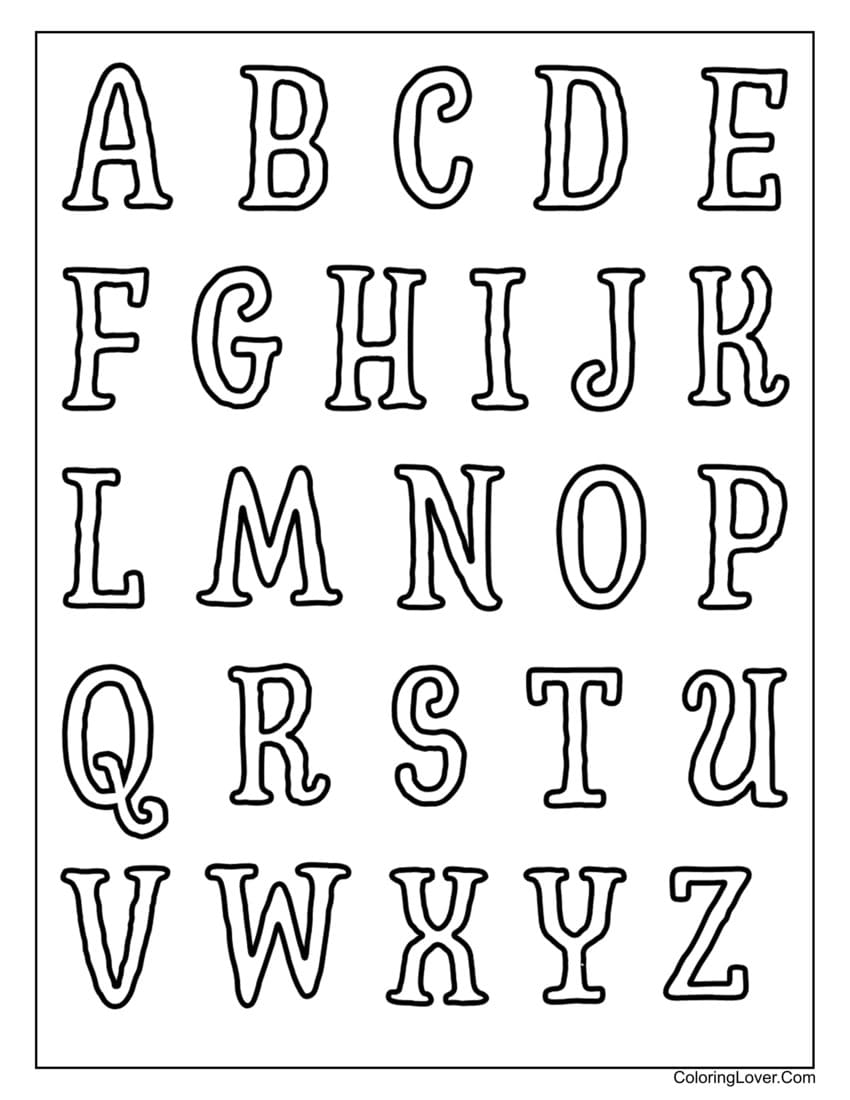
Coloring pages can be a delightful way for children to learn, and Alphabet Capital Letters Coloring Pages stand out for their educational value. These pages not only entertain but also serve a practical purpose in helping young learners master the alphabet. The design and layout of these coloring pages are specifically tailored to support early literacy skills, making them an excellent resource for both teachers and parents.
Understanding the Layout and Design
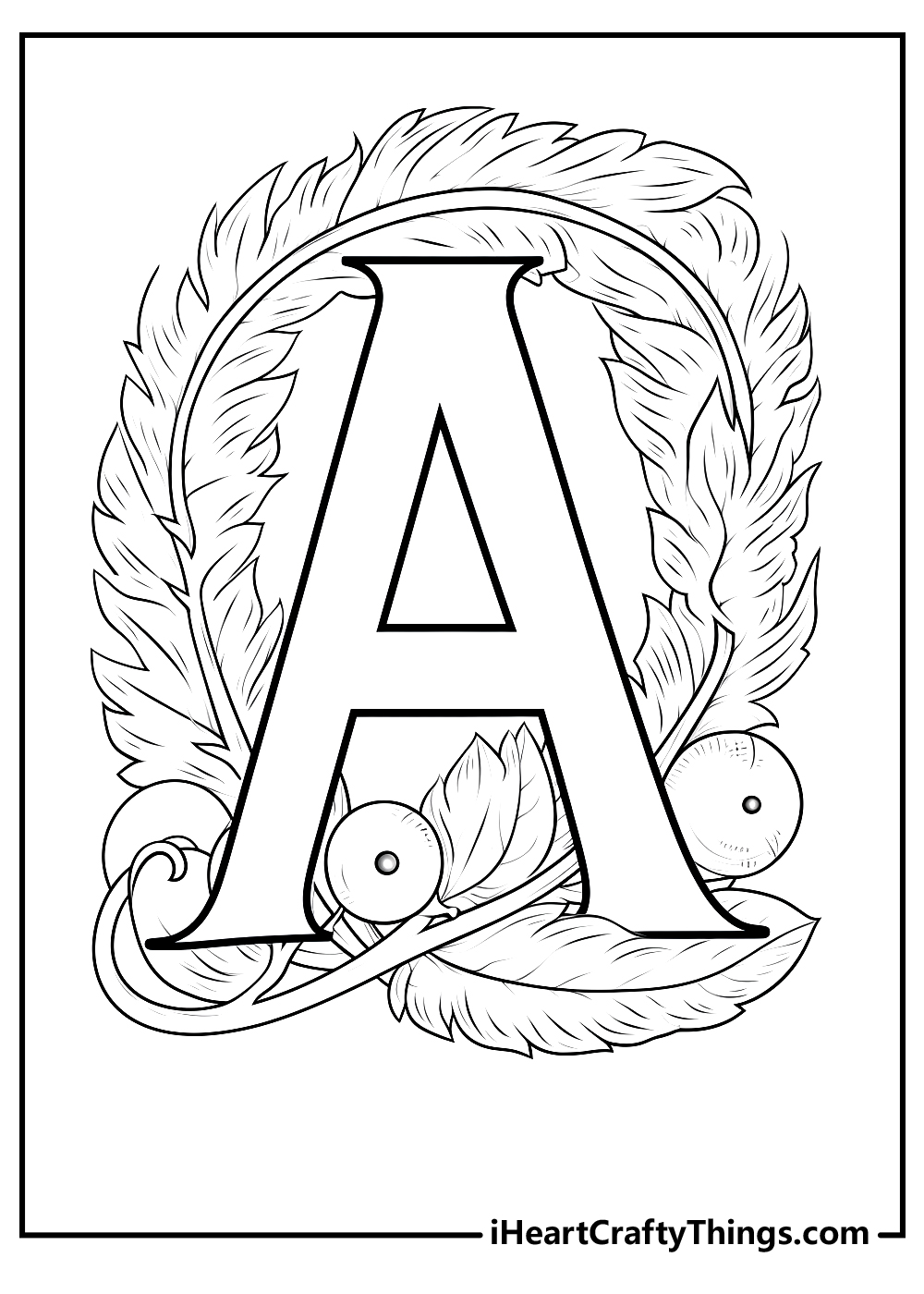
When you first look at Alphabet Capital Letters Coloring Pages, you’ll notice a clear and appealing layout. Each page typically features a large capital letter at the center, surrounded by various illustrations related to that letter. For instance, the page for the letter “B” might include a big balloon and a butterfly, which reinforces letter recognition through visual association.
The large size of each letter is intentional. It allows children to color within the lines easily, enhancing their fine motor skills. Additionally, the simplicity of the illustrations provides enough context without overwhelming the child, making it easier for them to focus on the letter itself.
If you’re printing these pages in a classroom setting, consider the following:
- Paper Size: Standard letter size (8.5 x 11 inches) works best for most printers.
- Orientation: Use portrait orientation for easy coloring.
- Bulk Printing: If you’re preparing for a whole class, print multiple copies of each page to ensure every child has access.
Engaging Children in Learning
Using Alphabet Capital Letters Coloring Pages in the classroom or at home is a creative way to engage children. These pages are ideal for preschoolers and kindergarteners, typically ages 3-6, who are just beginning to learn their letters. The combination of coloring and letter recognition can make learning fun and interactive.
To maximize the effectiveness of these pages, you might consider incorporating them into a broader lesson plan. For example, after coloring a letter, ask children to name objects that start with that letter or even practice writing it. This can reinforce their understanding and help them make connections between the letter and its sounds.
Practical Classroom Use
When integrating Alphabet Capital Letters Coloring Pages into your curriculum, think about how you can structure the activity. Here are a few practical suggestions:
- Group Activities: Allow children to work in pairs or small groups. This encourages collaboration and discussion about the letters and the illustrations they are coloring.
- Coloring Contests: Set up a fun competition where children can showcase their creativity, awarding small prizes for the most colorful or imaginative designs.
- Display Their Work: Create a classroom display featuring the colored pages. This not only boosts children’s confidence but also promotes a sense of achievement as they see their work showcased.
As a teacher, you might also want to have a system for reviewing the completed coloring pages. This can include checking for neatness, color usage, or even the child’s ability to identify the letter and its associated words.
Supporting Skills Beyond Coloring
While the primary focus of Alphabet Capital Letters Coloring Pages is letter recognition, there are additional skills that children can develop through this activity. Here are some key areas to consider:
- Fine Motor Skills: Coloring helps improve hand-eye coordination and dexterity. Encourage children to use different coloring tools, such as crayons, markers, or colored pencils, to enhance their grip and control.
- Creativity: Allow children the freedom to choose colors and decorate their letters in unique ways. This encourages self-expression and imaginative thinking.
- Language Development: Incorporate vocabulary lessons by discussing the words that begin with each letter. This can lead to richer language use and enhanced vocabulary.
Variations and Adaptations
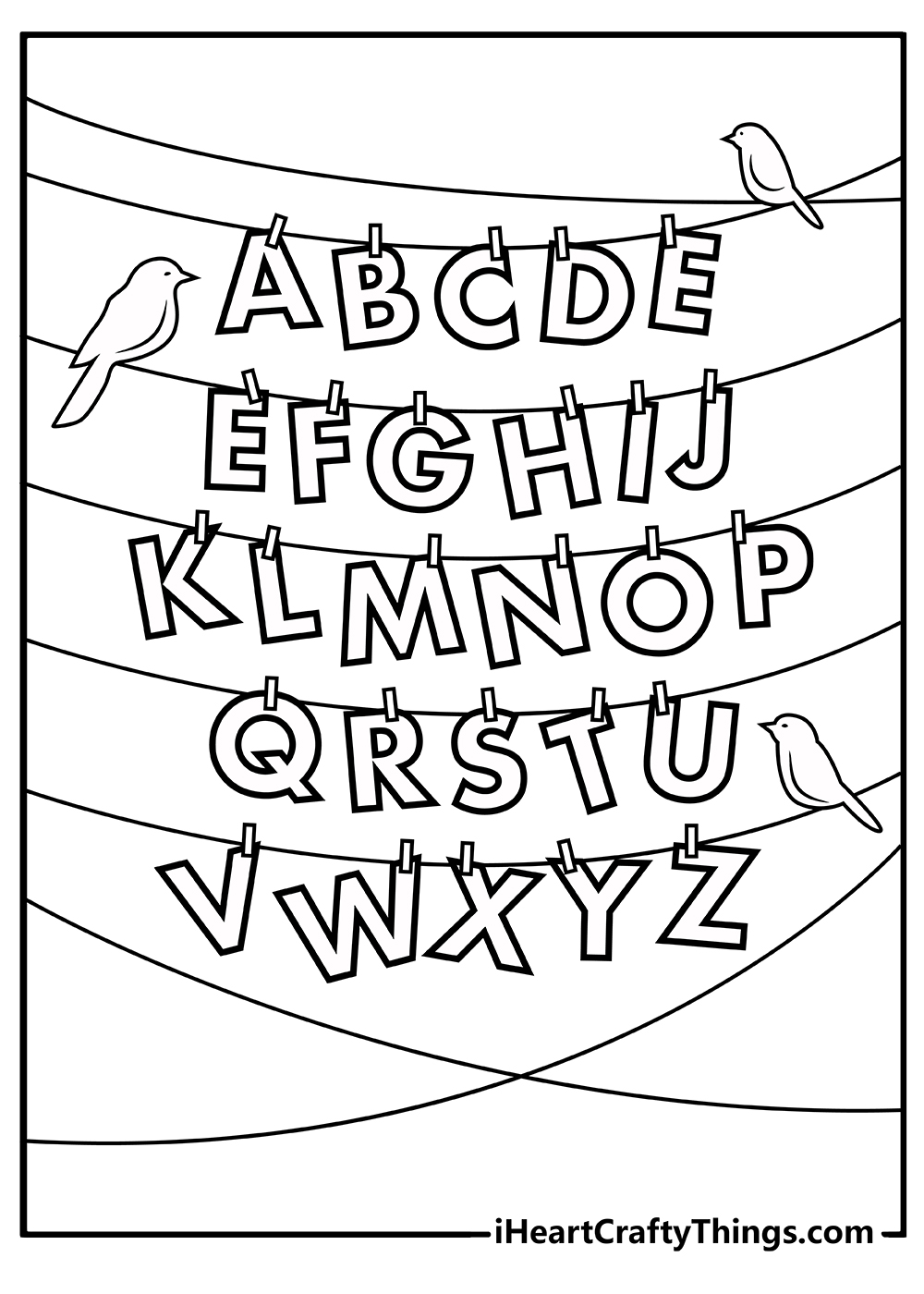
Different children have varying needs and capabilities, so it’s helpful to adapt the use of Alphabet Capital Letters Coloring Pages to suit different learners. Here are a few ideas to modify the activity:
- Use of Stencils: For children who struggle with coloring, consider providing stencils of the letters. This allows them to focus on the shapes without the pressure of staying within the lines.
- Thematic Coloring Pages: Tailor the pages to fit seasonal themes or subjects being taught in class. For example, during the fall, include illustrations of pumpkins, leaves, and acorns alongside the letters.
- Digital Versions: If you have access to tablets or computers, consider using digital coloring pages. This can introduce children to technology while still focusing on letter recognition.
By providing various options and adaptations, you can ensure that every child finds joy and success in learning the alphabet.