
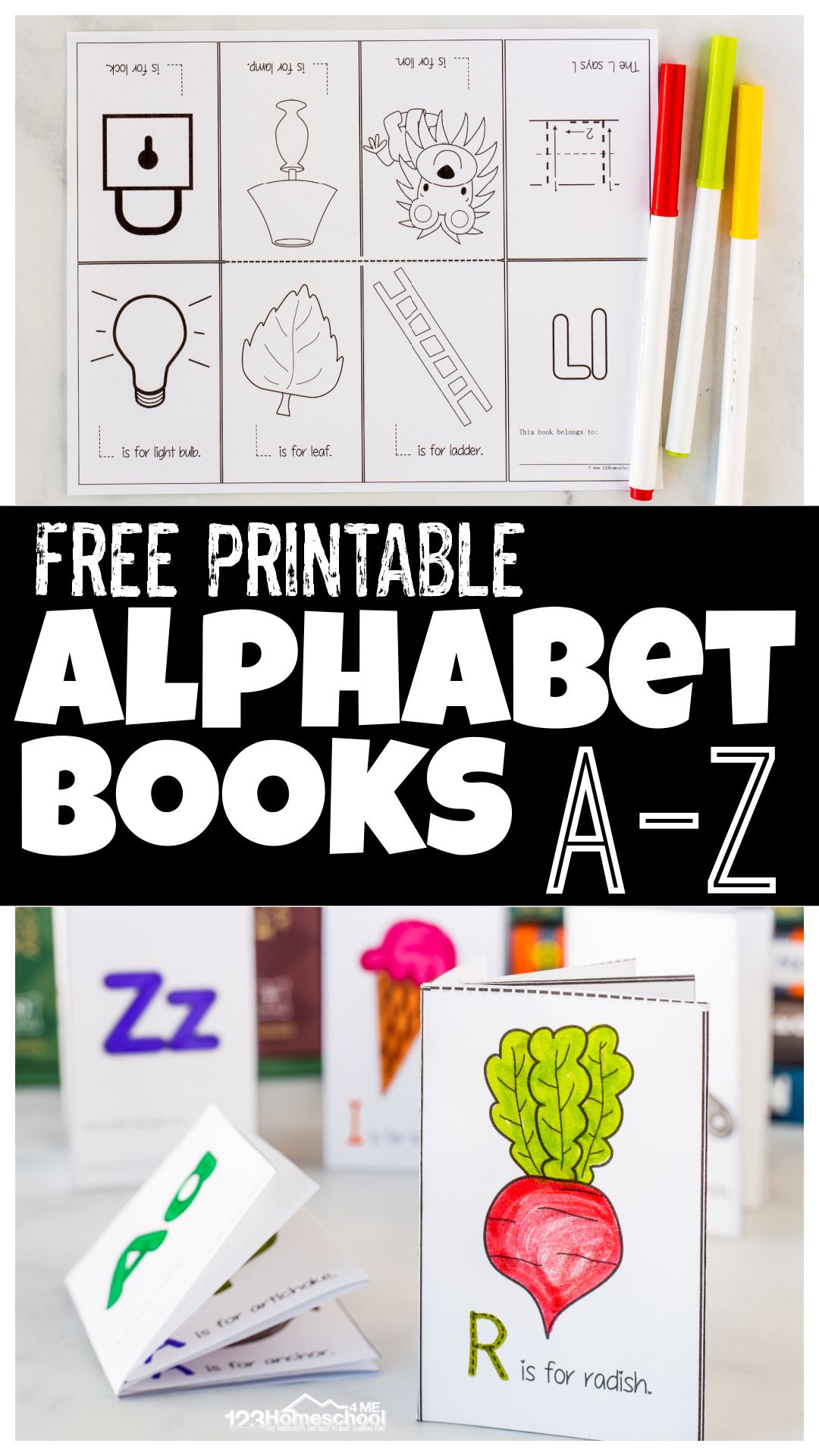
Creating a comprehensive alphabet book can be a powerful tool for reinforcing language skills in middle school students. Alphabet Book Printables Middle School are designed to engage students creatively while helping them develop their vocabulary and writing skills. This guide will walk you through the steps of selecting, downloading, printing, and effectively using these resources in your classroom or home setting.
Understanding the Importance of Alphabet Books
Alphabet books are not just for early learners; they can be adapted for middle school students to enhance their understanding of vocabulary, phonetics, and even art. The process of creating an alphabet book encourages critical thinking, promotes creativity, and reinforces the learning of new words. Middle school students can benefit from this activity by exploring words that start with each letter of the alphabet, enriching their language skills in an engaging way.
Selecting the Right Printables
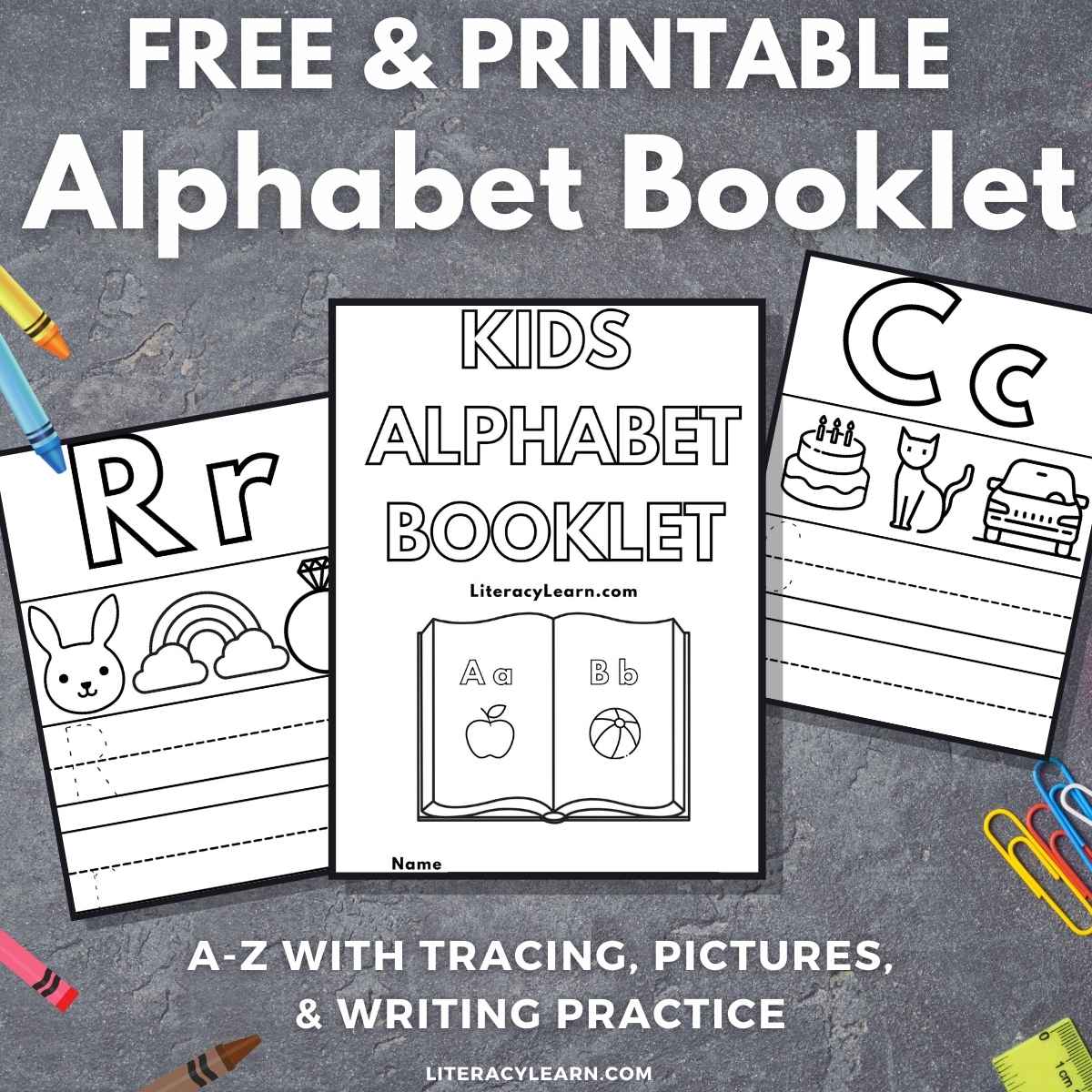
When it comes to choosing Alphabet Book Printables for middle school, it’s essential to look for ones that are age-appropriate and challenging. Here are some tips on how to select the right resources:
- Content Relevance: Ensure the printables align with the curriculum or specific learning objectives. Look for themes that resonate with your students’ interests.
- Variety in Activities: Choose resources that include a mix of writing prompts, illustrations, and vocabulary exercises. This keeps students engaged and caters to different learning styles.
- Quality of Design: Opt for printables that are visually appealing but not overly simplistic. A professional design can enhance the learning experience.
By selecting the right printables, you set the stage for a successful and enjoyable learning process.
Downloading and Printing Your Resources
Once you’ve chosen your printables, the next step is to download and print them. Here’s a straightforward approach:
- Download the Files: Ensure you download the files in a format that suits your printing needs. PDFs are often the best choice, as they maintain formatting across different devices.
- Check Your Printer Settings: Before printing, check your printer settings. Use portrait orientation for pages with more text and landscape for illustrations. Remember to select the appropriate paper size, usually A4 or letter size.
- Print on Quality Paper: For durability, especially if students will be illustrating their pages, use cardstock or a heavier paper. This will hold up better over time and can be laminated for added protection.
Getting these steps right ensures a smooth transition from digital to physical resources.
Setting Up the Alphabet Book Activity
Now that you have your printables ready, it’s time to set up the activity for your students. Here’s how to do it effectively:
- Introduce the Concept: Start with a brief discussion on the importance of vocabulary and how an alphabet book can serve as a personal dictionary.
- Group or Individual Work: Decide whether students will work in groups or individually. Group work can foster collaboration, while individual work allows for personal expression.
- Guided Instructions: Provide clear instructions on what you expect. For instance, each student might choose a word for each letter, write a sentence using that word, and create an illustration.
This structured approach makes it easier for students to understand their tasks and stay focused.
Engaging Students With the Alphabet Book
To keep middle school students engaged, consider incorporating various activities into the alphabet book project:
- Word Exploration: Encourage students to research their chosen words. They can look up definitions, synonyms, and antonyms.
- Creative Illustrations: Allow students to express their artistic side by drawing or using digital tools to create illustrations that represent their words.
- Presentation: Have students present their alphabet books to the class. This not only builds confidence but also allows for peer learning.
By incorporating these activities, you make the project more dynamic and interactive.
Assessing Progress and Learning Outcomes
As students work on their alphabet books, it’s essential to track their progress and assess their learning outcomes. Here are some practical strategies:
- Checklists: Create a checklist for students to follow, ensuring they include definitions, sentences, and illustrations for each letter.
- Peer Review: Implement a peer review process where students can give and receive feedback on their work. This encourages critical thinking and collaboration.
- Reflection: After completing the project, have students reflect on what they learned and how they can apply their new vocabulary in real-life situations.
Assessing their work not only provides valuable feedback but also helps students take ownership of their learning.
Final Tips for Success
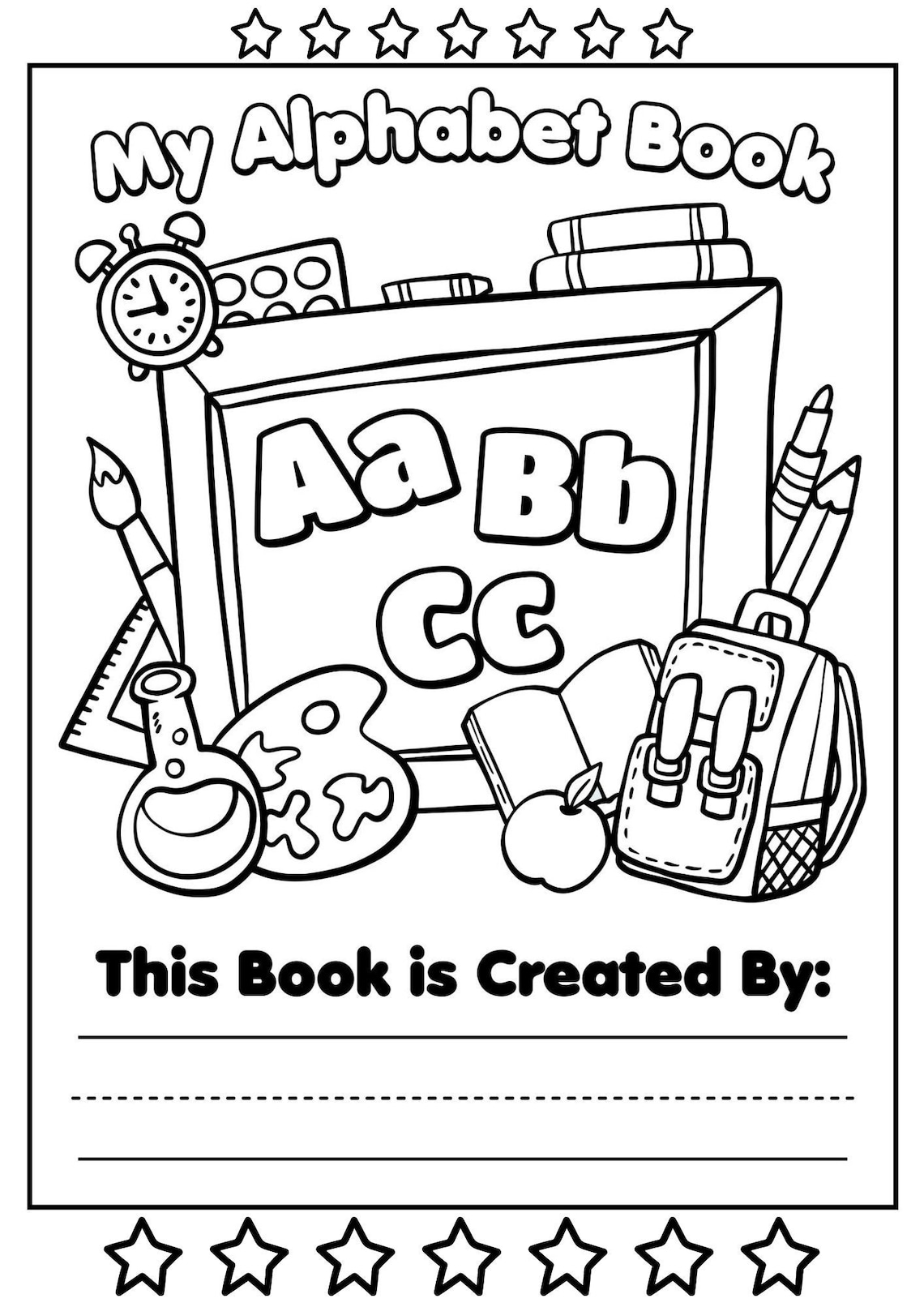
Creating an alphabet book can be a rewarding experience for both teachers and students. Here are a few tips to enhance your experience:
- Use Technology: Consider using apps or software that allow students to create digital alphabet books. This can appeal to tech-savvy learners.
- Incorporate Themes: Tie the alphabet book to specific themes in your curriculum, such as science or history, to make it more relevant.
- Celebrate Completion: Host a small celebration at the end of the project. This could be a showcase where students can display their work and share what they’ve learned.
These strategies can make the project more impactful and enjoyable for everyone involved.
By following these steps and utilizing Alphabet Book Printables Middle School effectively, you can create an engaging learning experience that fosters creativity and reinforces essential vocabulary skills.