
Creating a comprehensive set of Alphabet Book Printable Practice Sheets can transform the way young learners engage with literacy. These sheets are designed specifically for preschool and early elementary students, typically ages 3 to 7, who are just beginning to navigate the world of letters and sounds. With a total of 26 sheets, one for each letter of the English alphabet, these resources provide a structured yet fun approach to learning.
Understanding the Layout of the Practice Sheets
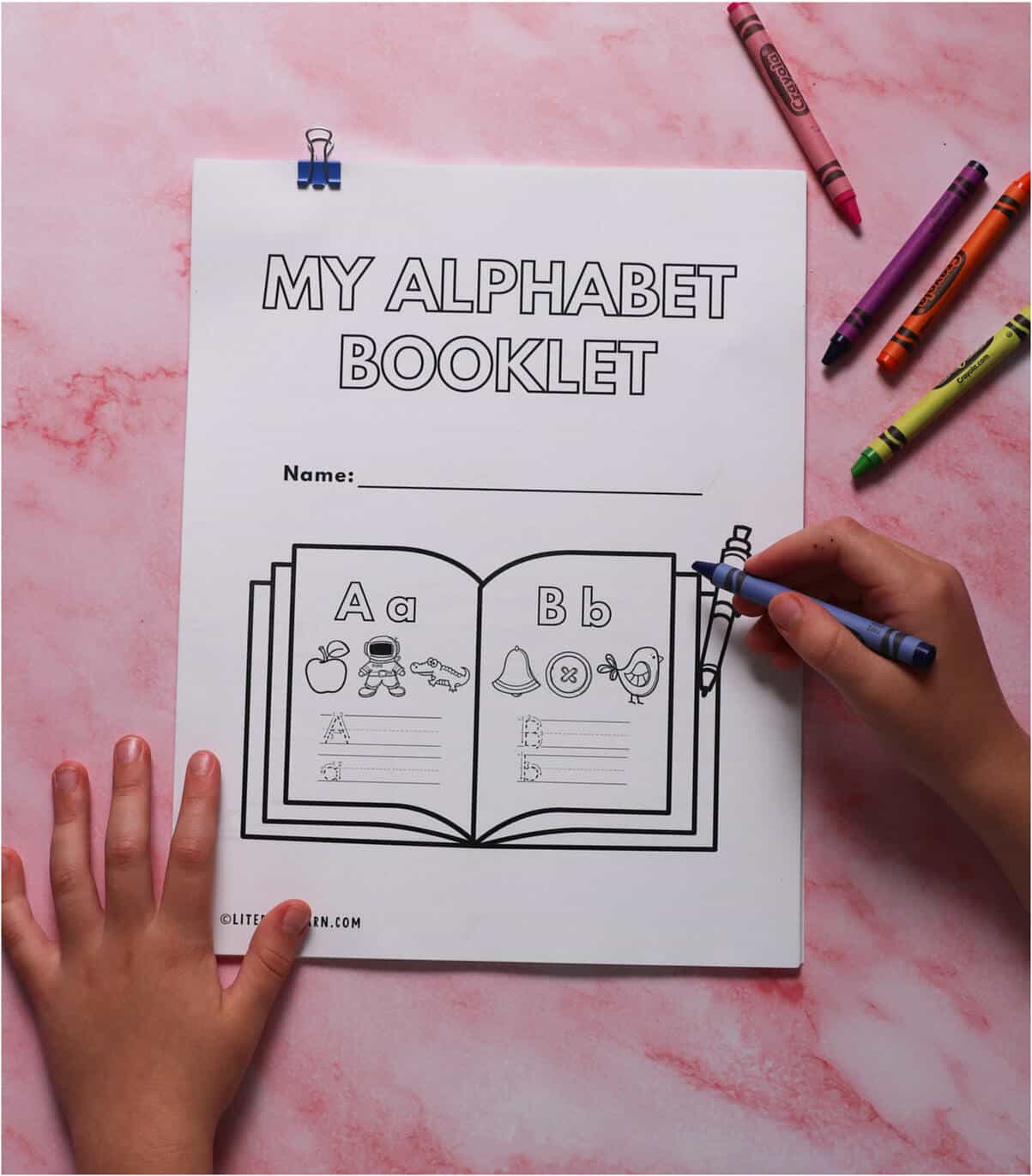
Each practice sheet is thoughtfully designed to foster independent learning. The sheets are laid out in a vertical format, which is ideal for printing and easy for little hands to manage. Each page includes a large, clear letter at the top, followed by a variety of engaging activities. These can include:
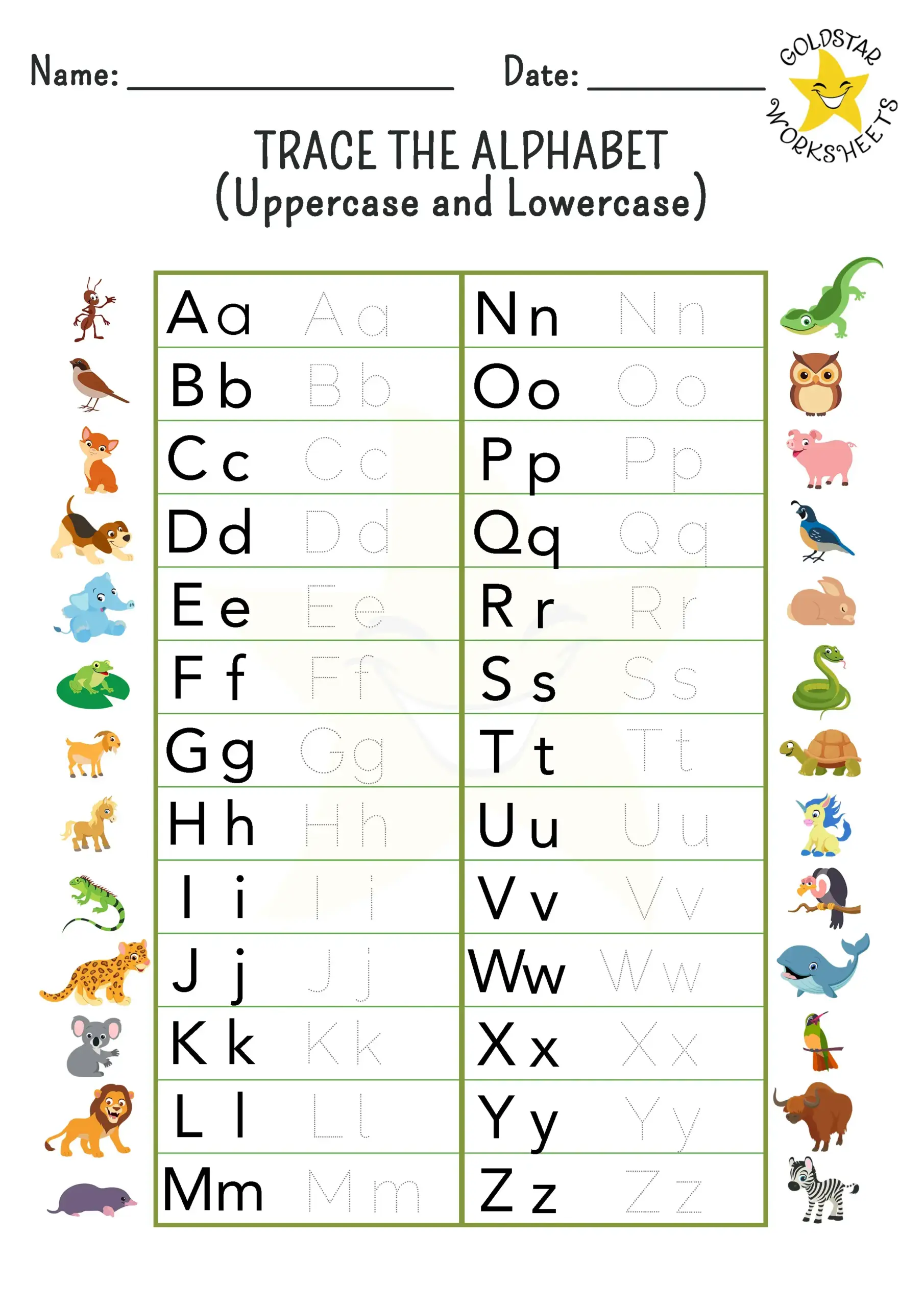
- Tracing the letter in both uppercase and lowercase forms
- Identifying images that start with the letter
- Coloring opportunities to reinforce engagement
This layout is not just about aesthetics; it supports young learners in recognizing their letters in different contexts. The clear separation of activities allows them to focus on one task at a time, which is crucial for developing concentration and comprehension skills.
Activities Included in the Practice Sheets
The Alphabet Book Printable Practice Sheets feature a range of activities designed to cater to diverse learning styles. Here’s a closer look at what you can expect:
Tracing and Writing
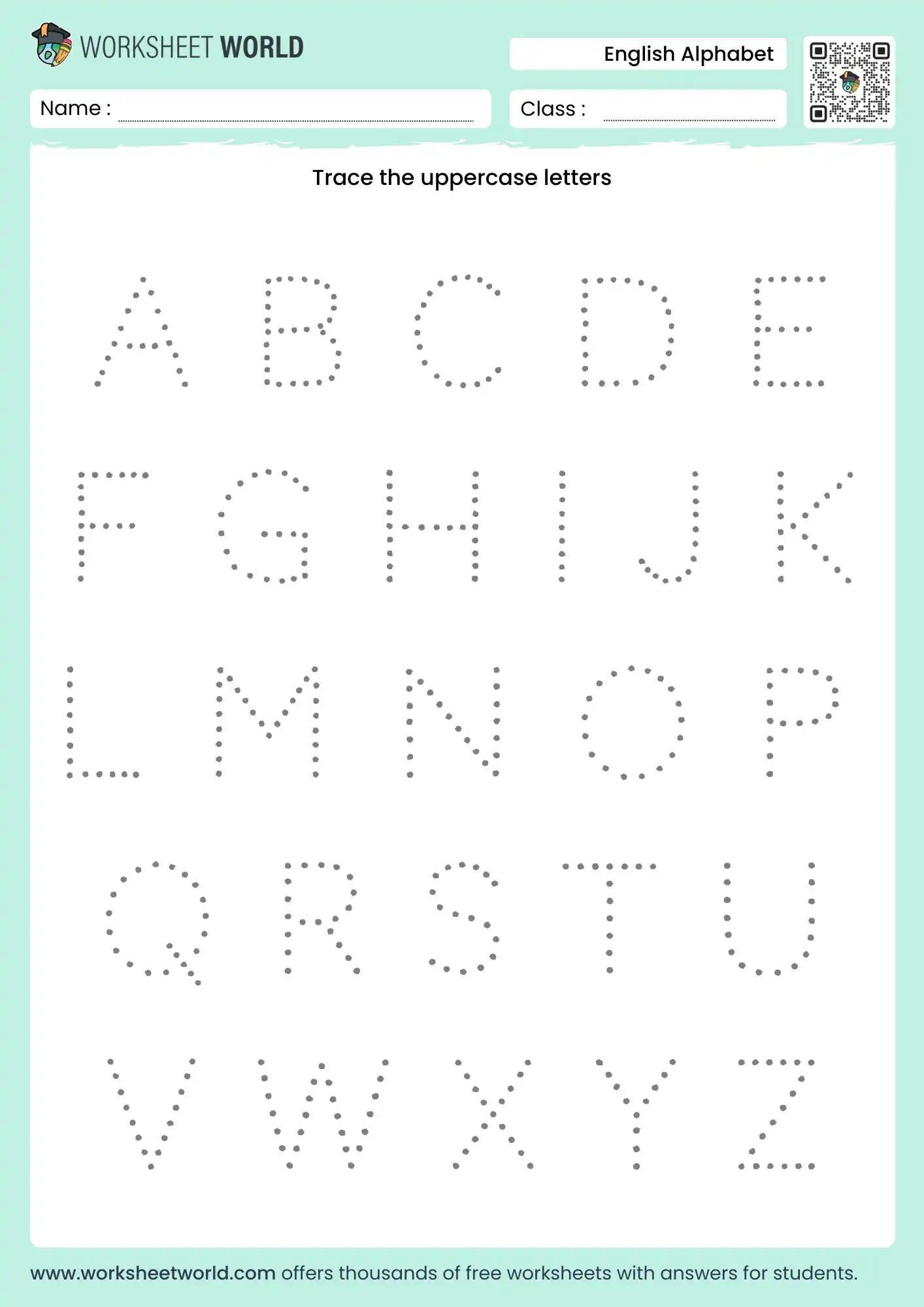
At the heart of the sheets is the tracing section. Children can trace each letter multiple times, which helps to develop fine motor skills. The dotted lines guide their pencil movement, ensuring they form letters correctly. This repetitive practice is vital for muscle memory, making it easier for them to write independently later.
Letter Recognition
Each sheet includes images of objects that start with the corresponding letter. For example, the “B” sheet might feature a picture of a ball, a bat, and a butterfly. This connection between letters and sounds enhances phonemic awareness, which is essential for reading development. By identifying these images, children can also engage in discussions about each object, further enriching their vocabulary.
Coloring Fun
Coloring is not just a fun activity; it also serves an educational purpose. The sheets often incorporate coloring sections that correlate with the letter. For instance, on the “C” sheet, children may color a cat or a cake. This activity promotes creativity while reinforcing the letter’s sound and shape.
Tips for Using the Practice Sheets Effectively
To maximize the benefits of the Alphabet Book Printable Practice Sheets, consider the following practical tips:
- Print on Cardstock: Using cardstock instead of standard paper can make the sheets more durable, especially if you plan to use them multiple times or laminate them for reuse.
- Use a Variety of Writing Tools: Encourage children to use different tools such as crayons, markers, or colored pencils. This variety keeps the activity fresh and exciting and can help them develop different motor skills.
- Incorporate Games: Turn the practice into a game. For instance, you could create a scavenger hunt where children find items around the house that start with the letters they are working on.
- Set a Routine: Regular practice is key to reinforcing learning. You might dedicate a few minutes each day to focus on a letter, making it a fun part of the daily routine.
Adapting the Practice Sheets for Different Learning Environments
These practice sheets are versatile and can be used in various settings, whether in a classroom, homeschool environment, or at home with parents. Here are some suggestions for adapting the sheets based on your teaching context:
Classroom Use
In a classroom setting, you can distribute the sheets for individual work or pair students for collaborative learning. Consider setting up a literacy center where students can rotate through different activities, including the practice sheets. This encourages peer support and enhances social skills.
Homeschooling
For homeschooling parents, these sheets can be integrated into a broader curriculum. Pair them with books that feature the same letters or sounds. This creates a cohesive learning experience and reinforces the connection between reading and writing.
Home Learning
If you’re working with your child at home, consider using the sheets during quiet time or as part of a structured learning session. You could also use the sheets as a springboard for conversations about the alphabet in everyday life, like spotting letters on signs or in books.
Ensuring Accessibility and Engagement
It’s essential to ensure that all children can access and engage with the Alphabet Book Printable Practice Sheets. Here are some strategies to consider:
- Modify Activities for Different Skill Levels: For children who may struggle with fine motor skills, consider providing larger letters to trace or using finger paint instead of traditional writing tools.
- Visual Supports: Use visual aids alongside the practice sheets. For instance, having flashcards with images can help reinforce learning by connecting the concept visually.
- Celebrate Achievements: Whether it’s completing a sheet or mastering a letter, celebrate these achievements. Positive reinforcement can boost confidence and motivate continued learning.