
Coloring is more than just a fun activity for children; it serves as a vital educational tool that enhances fine motor skills, creativity, and letter recognition. Alphabet Block Letter Coloring Pages are an excellent resource for teachers and parents looking to provide children with an interactive way to learn the alphabet. These printable coloring pages allow children to engage with letters, making the learning process enjoyable and effective.
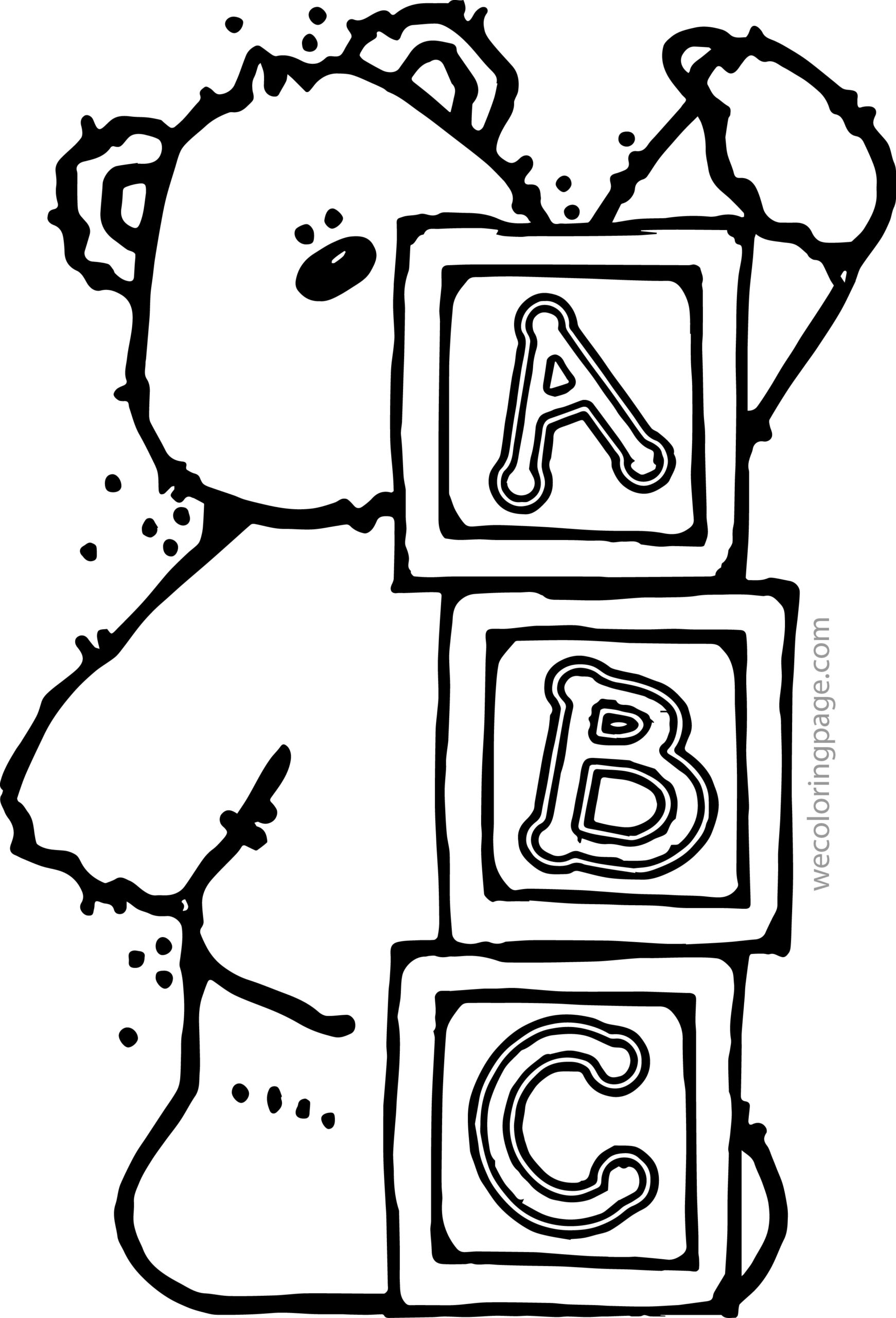
Understanding the Importance of Alphabet Block Letter Coloring Pages
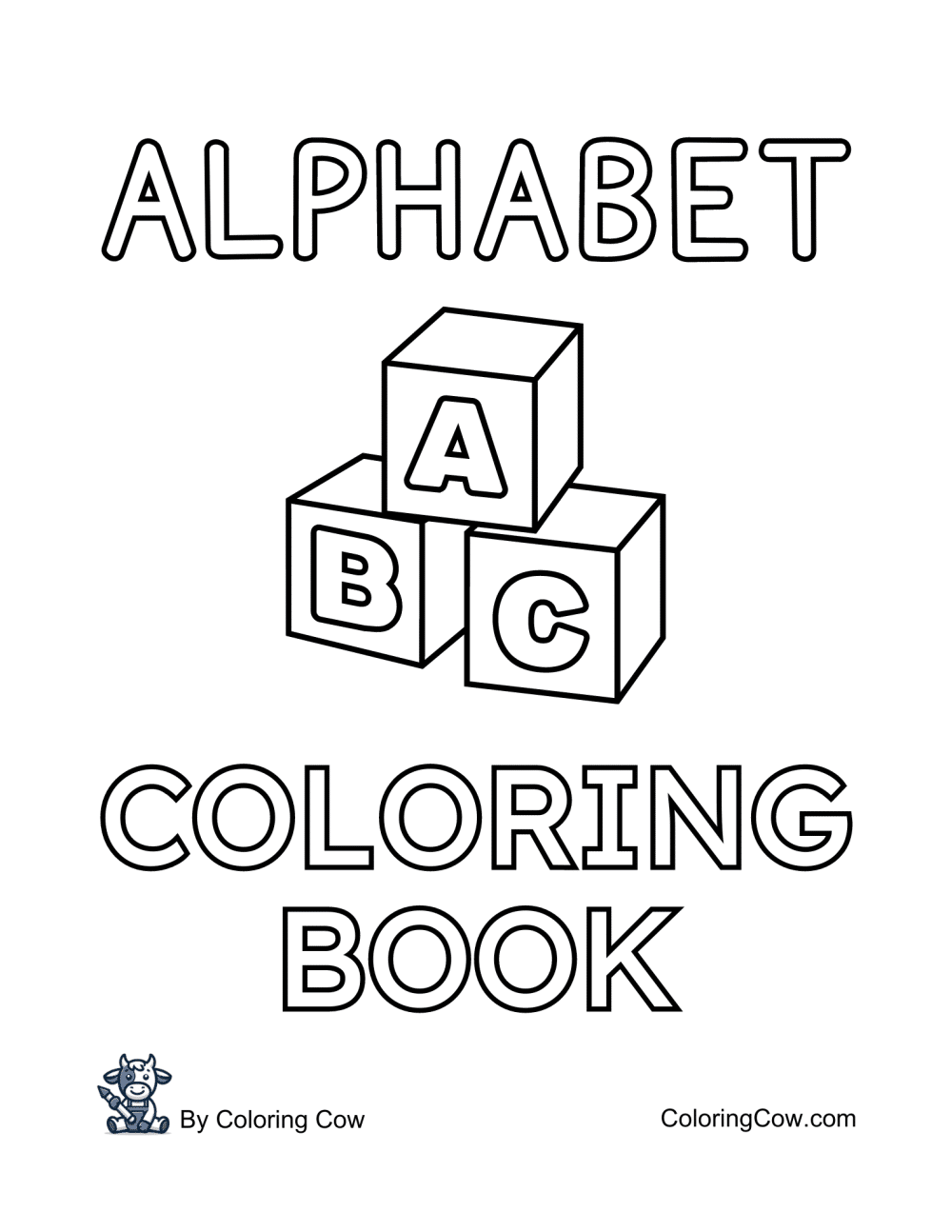
Alphabet Block Letter Coloring Pages can be particularly beneficial for preschool and early elementary-aged children, typically aged 3 to 7. At this stage, developing letter recognition is crucial for literacy. By coloring in large, block letters, children can focus on the shapes of the letters while expressing their creativity. This method reinforces their understanding of the alphabet and helps them develop essential skills such as hand-eye coordination and concentration.
When choosing coloring pages, look for designs that include both uppercase and lowercase letters. This dual approach allows children to familiarize themselves with different letter forms and prepares them for reading and writing tasks. Moreover, incorporating fun themes, such as animals or seasonal elements, can make the activity even more engaging.
How to Use Alphabet Block Letter Coloring Pages in the Classroom
Using these coloring pages in a classroom setting can be straightforward and effective. Here are some practical ways to incorporate them into your lesson plans:
- Warm-Up Activity: Use coloring pages as a warm-up activity before diving into more complex lessons. This can help children settle down and get into a learning mindset.
- Letter of the Week: Introduce a letter of the week and provide corresponding coloring pages. This focused approach helps reinforce the letter’s shape and sound. You can even encourage students to come up with words that start with the letter being studied.
- Group Projects: Organize group coloring sessions where students can work together on large alphabet posters. This promotes teamwork and allows for collaborative learning.
- Home Connections: Send coloring pages home for parents to engage with their children. This not only reinforces learning at home but also encourages family involvement in education.
- Display Art: Once the pages are colored, consider displaying them around the classroom. This not only brightens up the space but also allows children to take pride in their work.
Choosing the Right Printable Resources
When selecting Alphabet Block Letter Coloring Pages, consider the following factors to ensure you choose the best resources for your classroom or home:
- Quality and Clarity: Look for pages that have clear outlines and are easy to color. This is essential for younger children who are still developing their coloring skills.
- Variety of Designs: Opt for a variety of designs to keep children engaged. Some pages can feature simple block letters, while others may incorporate fun themes or patterns.
- Accessibility: Ensure that the coloring pages are easily downloadable and printable. PDFs often work best as they maintain the layout regardless of the printer settings.
- Age Appropriateness: Choose coloring pages that are suitable for the age group you are working with. More intricate designs may be better suited for older children, while simple block letters are perfect for younger learners.
Monitoring Progress With Coloring Pages
As educators and parents, it’s important to assess how well children are mastering letter recognition through these coloring activities. Here are some effective strategies to monitor progress:
- Observation: Pay attention to how children color the letters. Are they staying within the lines? This can indicate their fine motor skill development.
- Letter Recognition: After completing coloring pages, ask children to identify the letters they colored. This can be done verbally or through interactive activities like matching letters to objects.
- Creative Expression: Encourage children to describe their coloring choices. Why did they choose certain colors? This not only assesses their understanding of letters but also fosters critical thinking.
- Regular Review: Periodically revisit previously colored pages to see if children can recall the letters and their sounds. This reinforces memory retention and allows for reinforcement of concepts.
- Feedback: Provide positive feedback on their coloring and their progress in recognizing letters. This encouragement can boost their confidence and motivation to learn.
Enhancing the Activity With Additional Resources
To complement Alphabet Block Letter Coloring Pages, consider incorporating a variety of additional resources:
- Letter Tracing Worksheets: Pair coloring activities with tracing worksheets that allow children to practice writing the letters they color.
- Alphabet Games: Include games that reinforce letter recognition, such as bingo or matching games, to make learning more dynamic.
- Storybooks: Choose storybooks that emphasize the alphabet and encourage children to identify letters while reading. This can enhance their understanding of letters in context.
- Crafts and Activities: Engage children with crafts that utilize the letters they are learning. For example, making letter collages or creating letter-themed art projects can deepen their connection to the alphabet.
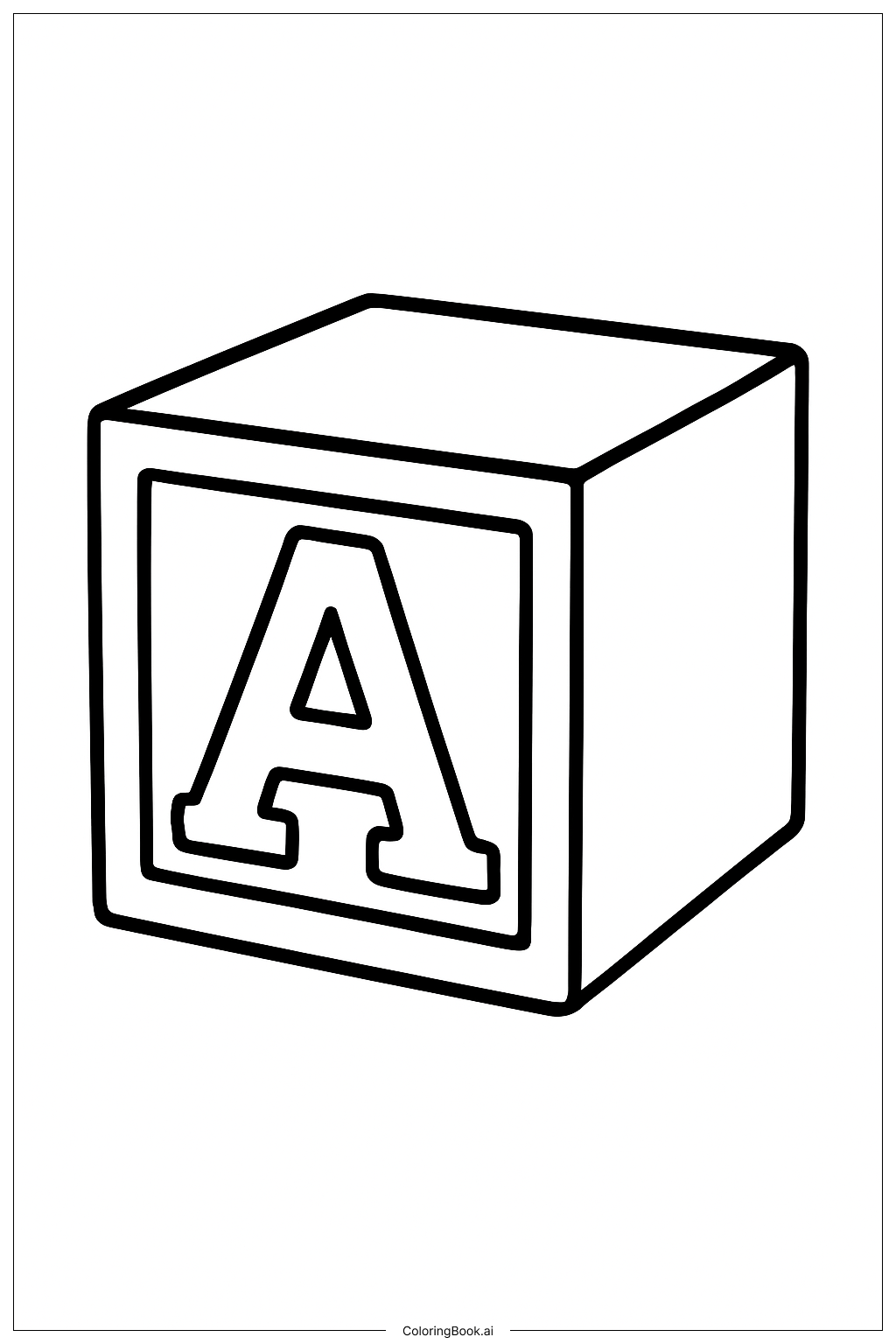
Tips for Printing and Using Alphabet Block Letter Coloring Pages
Here are some practical tips to make the most out of your coloring pages:
- Paper Type: Use heavier paper, such as cardstock, for better durability, especially if children will be using markers or watercolors. This prevents bleeding and tearing.
- Print Settings: Opt for portrait layout when printing, as this typically works better for standard home printers. Ensure your printer settings are set to high-quality print mode for the best results.
- Lamination: If you plan to reuse coloring pages, consider laminating them. This allows children to use dry-erase markers to color and then wipe clean for repeated use.
- Organization: Keep your coloring pages organized in a binder or folder. This makes it easy to access them during lessons or at home.
- Encourage Creativity: Allow children to add their own designs or decorations to the coloring pages. This promotes creativity and personal expression, making the activity more enjoyable.
By using Alphabet Block Letter Coloring Pages effectively, you can create a rich learning environment that fosters creativity and strengthens letter recognition skills. Encourage your students or children to explore the alphabet in a fun and engaging way, and watch their confidence grow as they master this fundamental skill.